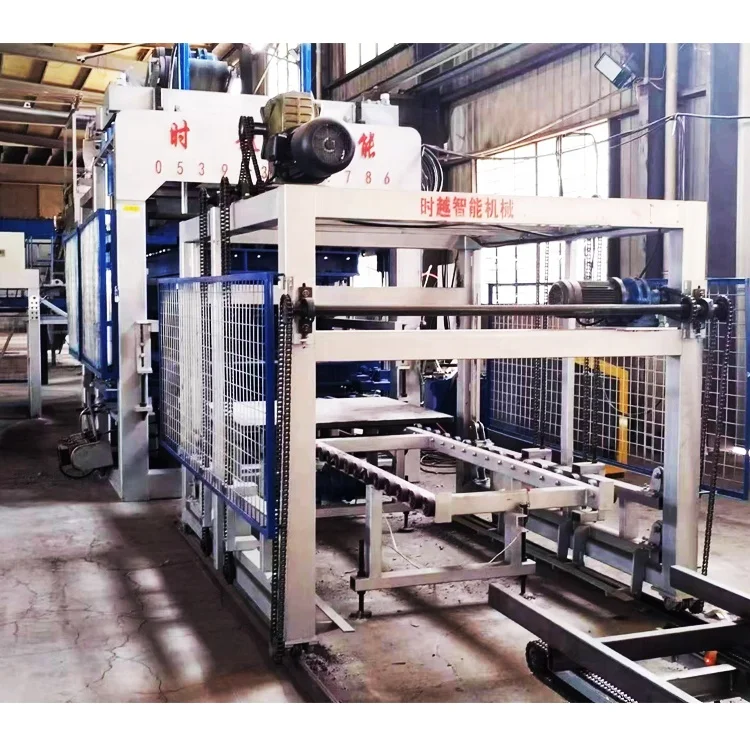
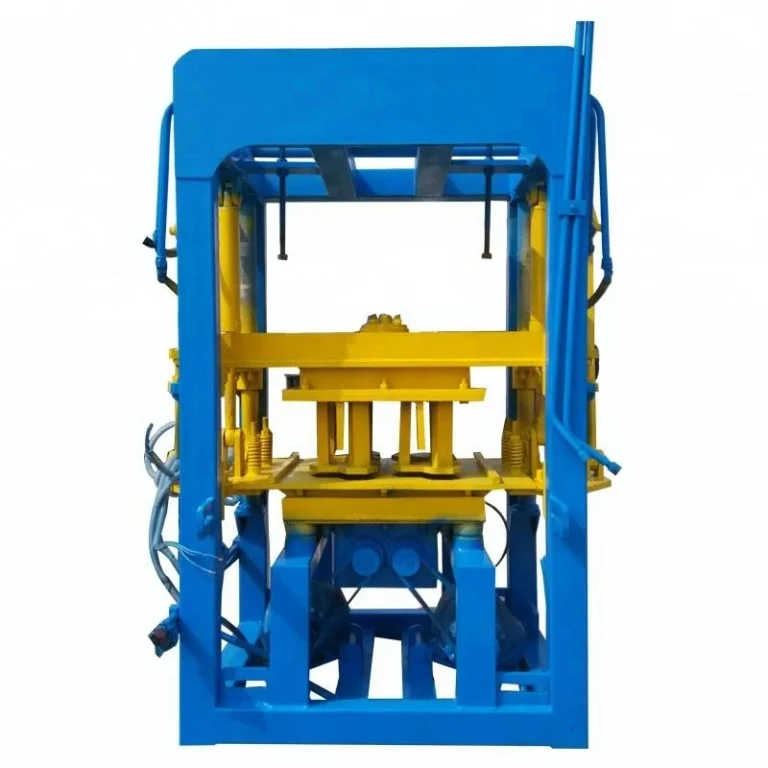
Single Focus on Block Machinery — every QTJ4-40 unit ships as a matched system of press, mould, pallet and handling, specified against the buyer’s actual mix design and site conditions rather than a generic catalogue default.
Technical Specifications
| Parameter |
Value |
| Model |
QTJ4-40 |
| Product Type |
Manual Concrete Block Making Machine |
| Vibration Form |
Platform Vibration |
| Vibration Frequency |
2800 r/min |
| Pallet Size |
850 × 450 mm |
| Overall Dimensions (L×W×H) |
1350 × 1460 × 1800 mm |
| Machine Weight |
1 T |
| Power Source |
Diesel and Electric Motor (configurable) |
| Control System |
Manual operation with top die push/pull and automatic scraper |
| Automation Level |
Manual / Semi-manual |
| Factory Area Required |
200 m² |
| Worker Requirement |
1–3 people |
| Applied Products |
Hollow blocks, solid blocks, pavers, interlocking blocks, curbstones, colored pavers |
| Raw Materials |
Concrete, cement, fly ash, crushed stone, sand, dust, gravel, slag |
| Standards |
CE declaration available |
Application Suitability
| Application |
Material or Output |
| Small-scale hollow block plant |
Cement, sand and crushed stone mix producing 400×200×200mm hollow blocks |
| On-site contractor block production |
Local aggregate and fly ash blends for 400×150×200mm hollow blocks at building projects |
| Paver and interlocking brick startup |
Colored concrete mixes for 225×112.5×60mm interlocking pavers |
| Building material distributor adding formats |
Varied cement-to-aggregate ratios across solid and hollow formats on one press |
What "2800 Pieces per 8 Hours" Actually Means for a Manual Block Machine
Capacity figures only hold weight when tied to a specific block format, mould cavity count and raw material mix — everything else is guesswork.
Buyers routinely receive quotations that quote a single daily output number for the QTJ4-40 block machine manufacturer specification without disclosing which block size that number assumes. The real-world spread is significant: the same press produces a different daily volume depending on whether you run large hollow blocks, smaller hollow blocks or interlocking pavers. When a buyer budgets labour, curing space and raw material based on an unqualified figure, the gap between expectation and reality becomes a project-level problem. [NEED_CITE: common block machine capacity misrepresentation in export quotations]
Capacity Breakdown by Block Format
This manual block making machine for sale delivers different throughput depending on the mould installed. For 400×200×200mm hollow blocks, the press forms 4 pieces per cycle, yielding approximately 360 pieces per hour or 2880 pieces across an 8-hour shift. Switch to a 400×150×200mm hollow block mould with 5 cavities and the same machine reaches around 500 pieces per hour, or 4000 pieces per day. For 225×112.5×60mm interlocking pavers with 9 cavities, output climbs to roughly 900 pieces per hour and 7200 pieces per shift. These figures assume the mix design and vibration settings are matched to each format.

Where the QTJ4-40 Fits in the Full Machine Range
The QTJ4-40 sits at the entry tier of our block machine lineup — a manual, low-investment press designed for buyers who need a working plant today with a clear path to semi-automatic and fully automatic lines tomorrow. The compact 200 m² factory area requirement means entrepreneurs and contractors can establish production without committing to a large industrial plot. The 1–3 person crew requirement keeps operating overhead low during the startup phase.
Choosing Between Manual and Semi-Automatic Tiers
The decision between the QTJ4-40 block machine manufacturer offering and higher tiers comes down to daily volume demand and available labour. Manual operation suits buyers producing for a single project or a local market where demand is steady but not extreme. When daily orders consistently push beyond what a manual cycle rate can sustain, the logical step is a semi-automatic line where pallet feeding and block ejection are mechanised. The pallet size of 850 × 450 mm used by this QTJ4-40 is compatible with several models further up the range, meaning a buyer who starts here can retain the same pallet stock when scaling up. [NEED_CITE: block plant automation upgrade paths and pallet compatibility]
How Vibration, Pressure and Mix Design Interact on a Manual Press
Platform vibration at 2800 r/min is the primary compaction mechanism on this manual block making machine for sale. Unlike hydraulic static presses, the vibration must do the work of settling the concrete mix into the mould cavity, while the operator’s manual top-die push/pull provides the finishing pressure. The interplay between vibration frequency, mix moisture content and aggregate gradation determines whether blocks emerge with consistent density or crack during curing. A mix ratio of approximately 8–10% cement, 30–40% sand and 50–60% stone serves as a starting point, but local aggregate characteristics — particularly clay content in river sand — can require meaningful adjustment. I have spent days on-site in West Africa re-tuning parameters because the local sand carried far more fines than the standard ratio assumed.
When a Manual Press Becomes the Wrong Choice
The most frequent regret I encounter is a buyer who chose the entry tier based on price alone, then found that manual pallet handling and manual mould changes consumed the shift time that should have been spent producing blocks. The QTJ4-40 requires the operator to physically move pallets and engage the top die — acceptable at low volume, but a bottleneck when orders spike. Mould changeover on a manual press also takes longer than on models with quick-release mould clamping systems, which matters if your market demands frequent format switches within a single production day. [NEED_CITE: labour allocation challenges in manual block plants]
Why Buyers Source This Machine Through Our Range
Block machinery is our single focus, which means the QTJ4-40 is never sold as a standalone press disconnected from the rest of the line. The machine, mould, pallet and handling workflow are specified as one matched system. Every configuration is set against the buyer’s actual mix design and local aggregate rather than a catalogue default. Mould design covers the formats the buyer’s market actually sells, including custom drawings when standard formats do not apply. The automation level is selectable — a buyer can start with this manual tier and move to semi-automatic or automatic lines within the same product family. Installation and commissioning support includes operator training, so the crew running the press on day one understands vibration adjustment, mould change procedure and daily maintenance routines.
Documentation & Verification
- Line layout and capacity calculation stating the block format assumed for each output figure
- Machine specification sheet confirming vibration frequency, pallet size and overall dimensions
- Mould drawing and format list covering every block type in the buyer’s product plan
- Voltage, frequency and motor type confirmation document before production begins
- Factory test record demonstrating block output on the buyer’s specified mix ratio
- Operation and maintenance manual with wear parts list and recommended replacement intervals
Installation, Commissioning & Support
- Site preparation requires a level concrete floor within the 200 m² factory area before the 1 T machine arrives
- Diesel or electric motor configuration confirmed against local power supply before dispatch
- Machine arrives as a single standalone unit with minimal on-site assembly required
- First-run parameter tuning covers vibration frequency and mix moisture for the buyer’s local aggregate
- Operator training covers manual top-die operation, pallet handling workflow and mould changeover procedure
- Wear parts list and mould inventory provided so replacements are available when first needed
What We Need to Size Your Machine Correctly
Before we confirm a QTJ4-40 configuration, we ask for the specific block formats you intend to produce, your target daily volume per format, and the raw materials available locally — including a sample or analysis report for your sand and aggregate. We also need your site voltage, frequency and preferred motor type so the electrical system is built correctly before the machine leaves our workshop.
Frequently Asked Questions
Q: How is the QTJ4-40 capacity calculated, and which block format does each figure assume?
A: Every capacity figure we quote is tied to a specific block size and mould cavity count. For the QTJ4-40, the 2880-piece daily figure assumes 400×200×200mm hollow blocks at 4 pieces per mould. The 4000-piece figure assumes 400×150×200mm blocks at 5 cavities, and 7200 pieces assumes 225×112.5×60mm pavers at 9 cavities. No single output number applies across all formats.
Q: Where does the QTJ4-40 sit compared to semi-automatic and automatic tiers — when should a buyer upgrade?
A: The QTJ4-40 is the entry-tier manual press for low-investment startups and on-site contractor production. When daily demand consistently exceeds what a 1–3 person crew can sustain, or when frequent format changes eat into shift time, a semi-automatic line with mechanised pallet feeding becomes the logical step. The 850×450 mm pallet size carries forward into several higher-tier models.
Q: What plant footprint does the QTJ4-40 require, and how does that compare to larger models?
A: The QTJ4-40 requires approximately 200 m² of factory area, which covers the press operating zone, pallet staging and basic curing space. Semi-automatic and automatic lines require progressively more floor area to accommodate pallet return systems, stacking equipment and curing racks. The manual tier suits buyers with limited plot space or those starting production before expanding.
Q: Can I start with the QTJ4-40 manual press and add automation later?
A: The QTJ4-40 operates as a standalone manual unit. Buyers who later require higher throughput typically move to a semi-automatic or automatic press within the same product range rather than retrofitting automation onto the manual frame. The pallet size and mould formats remain compatible, so existing pallet stock and mould inventory carry over to the upgraded line.
Q: What voltage and motor options are available for different power supply markets?
A: The QTJ4-40 is available with either a diesel engine or an electric motor, configured to match the buyer’s local voltage and frequency standard. Voltage, phase and frequency are confirmed in writing before production begins, and the motor nameplate matches the destination market’s requirements so commissioning is not delayed on arrival.

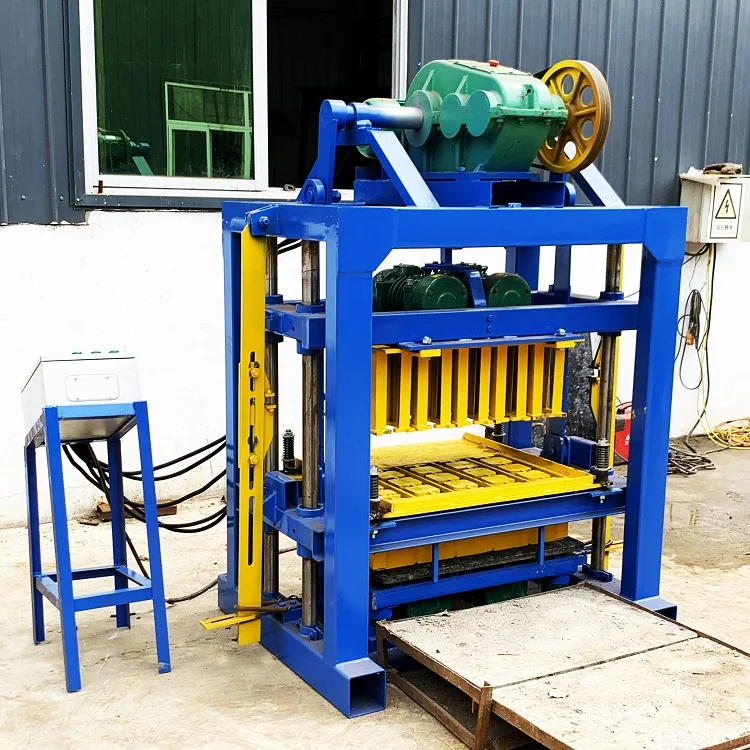
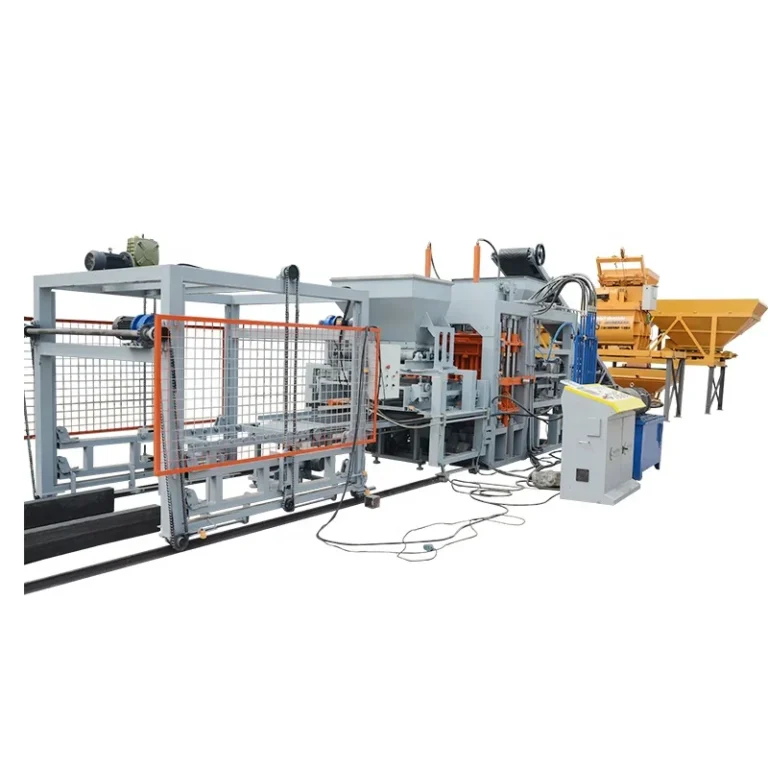 Stationary block machine