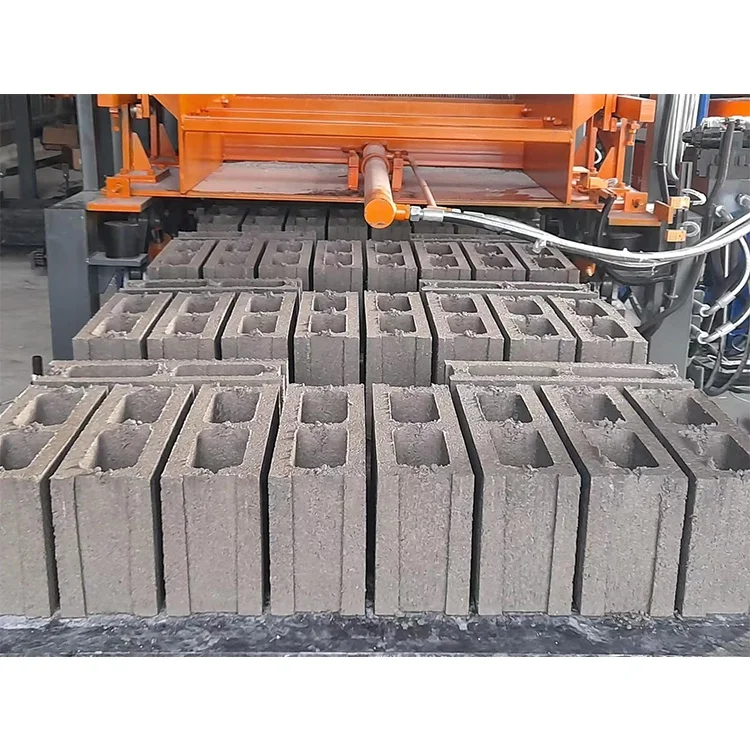
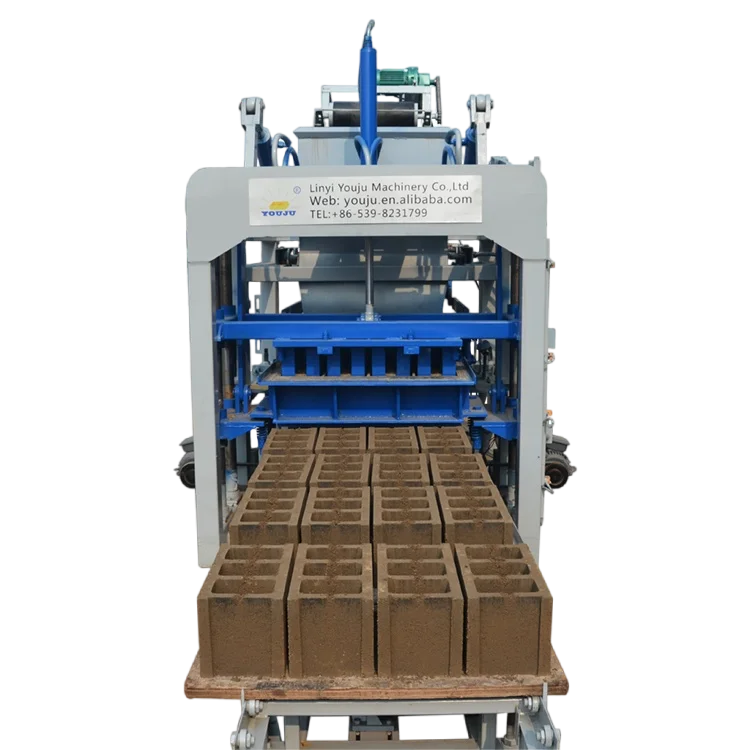
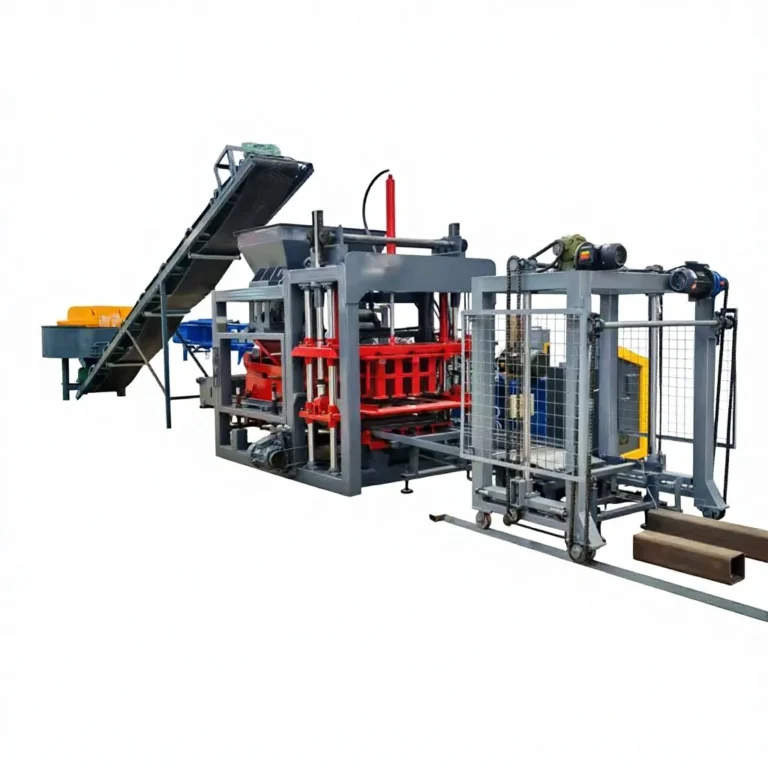
Complete line configuration — the QTJ4-35 small concrete block making machine is specified with matching mixer, pallet size and mould formats so capacity calculations reflect your actual block type rather than a generic cycle count.
Technical Specifications
| Parameter |
Value |
| Model |
QTJ4-35 |
| Product Type |
Small Concrete Block Making Machine |
| Overall Dimensions (L×W×H) |
1350×1460×1800 mm |
| Net Weight |
1500 kg |
| Molding Cycle |
35 s |
| Vibration Frequency |
2800 r/min |
| Vibration Force (Exciting Power) |
30 kN |
| Total Power |
11.15 kW |
| Mixer Model |
JQ350 |
| Pallet Size |
850×450×20 mm |
| Applied Products |
Concrete hollow blocks (8 inch, 6 inch), solid bricks |
| Raw Materials |
Crushed stones, sand, cement, dust, fly ash |
| Output (400×200×200 mm hollow block) |
4 pcs/mould, 408 pcs/hr, 3264 pcs/8hr |
| Output (400×150×200 mm hollow block) |
5 pcs/mould, 510 pcs/hr, 4080 pcs/8hr |
| Output (240×115×53 mm solid brick) |
18 pcs/mould, 2100 pcs/hr, 17000 pcs/8hr |
| Automation Level |
Semi-automatic (manual pallet handling) |
| Control System |
Manual / Semi-automatic operation (basis to be confirmed) |
| Voltage & Frequency |
Configurable per target market (basis to be confirmed) |
| Standards |
CE (model-specific certificate to confirm) |
Application Suitability
| Application |
Material or Output |
| First block plant for entrepreneurs |
Hollow blocks and solid bricks from crushed stone, sand and cement |
| On-site production by construction contractors |
8-inch and 6-inch hollow blocks using locally sourced aggregate |
| Housing project local supply |
Solid bricks and hollow blocks from fly ash blends |
| Small workshop block production |
Multiple formats on a compact 1350×1460 mm footprint |
What "408 Pieces per Hour" Actually Means for Your Project
Every output figure here is tied to a specific block dimension so your daily plan matches what the machine actually delivers.
Catalogue sheets often quote cycles per hour without naming the block format behind the number. A buyer expecting 408 hollow blocks per hour will be disappointed if the local market primarily sells 6-inch units, which run at a different rate. In my time sourcing equipment across Southeast Asia, I have watched entire project timelines slip because the daily output assumption was built on a format the buyer never intended to produce. The QTJ4-35 block machine manufacturer documentation ties each capacity number to a named mould, which removes that guesswork before the order is placed [NEED_CITE: common causes of output mismatch in small block plants].

Where the QTJ4-35 Sits in the Complete Block Machine Range
The QTJ4-35 occupies the entry tier, designed for buyers who need reliable hollow block and solid brick output without the capital commitment of a fully automatic line. Its 1500 kg weight and compact dimensions suit a small workshop or a mobile project site where space is limited. For a first-time plant owner, this tier offers a practical starting point with room to add automation later.
Stepping Up — When a Higher Tier Makes Sense
If your target market demands consistent output across multiple shifts, or if pallet handling labour becomes a bottleneck, the next tier introduces automatic stacking and cubing that the QTJ4-35 does not include. Buyers producing for large housing developments often find that semi-automatic pallet movement limits their daily throughput regardless of press speed. Evaluating your curing area and forklift availability before ordering helps determine whether this entry tier is sufficient [NEED_CITE: labour and pallet handling constraints in semi-automatic block plants].
Reading the Specs That Matter on the Shop Floor
The 30 kN vibration force combined with upper and bottom mould compression is what determines block density, not vibration frequency alone. When local aggregate is coarse — such as volcanic rock common in parts of Indonesia — the vibration force must be matched to the mix design, or hollow block walls come out friable. The 850×450 mm pallet size must align with the curing racks and forklift already on site; a mismatch means buying new handling equipment you did not budget for. Total power at 11.15 kW including the JQ350 mixer means a standard three-phase supply is sufficient, but voltage and frequency need confirming before production starts to avoid commissioning delays.
The Cost of Overlooking Configuration Details
Ordering a QTJ4-35 without confirming the mould format for your local market means paying for flexibility you cannot use. I once saw a buyer receive a machine set up for river sand when only crushed volcanic aggregate was available locally; the entire first production run was scrapped because block strength failed testing. Voltage mismatch is another silent delay — a machine wired for 380V/50Hz arriving at a 440V/60Hz site sits idle until transformers or rewinding are arranged, and the project clock keeps running [NEED_CITE: voltage and frequency standards by export market].
Why Buyers Source This Machine Through Our Range
Block machinery is our single focus, so the QTJ4-35 small concrete block making machine is proposed with pallet, mould and mixer matched as one system rather than assembled from separate suppliers. Configuration is set against your actual mix design and target block format, not pulled from a catalogue default. Mould design covers the formats your market sells, and custom drawings are available when a special shape is needed. The automation level is selectable, meaning you can begin with semi-automatic operation and plan an upgrade path. Installation support includes operator training so your crew is productive from the first shift.
Documentation & Verification
- Line layout showing QTJ4-35 footprint with mixer and pallet flow area
- Capacity calculation sheet naming each block format and its cycle time
- Mould drawing and format list covering hollow block and solid brick sizes
- Voltage and control language confirmation signed before production begins
- Factory test record and packing photographs provided before container loading
Installation, Commissioning & Support
- Foundation pad sized to the 1350×1460 mm footprint with level tolerance noted
- Three-phase power supply confirmed for 11.15 kW total load including JQ350 mixer
- Machine shipped in assembly state suitable for container loading and on-site positioning
- First-run parameter setting covering vibration duration and mould compression timing
- Operator training on manual pallet handling cycle and mould change procedure
- Wear parts list with mould and vibration motor spares identified for first reorder
Before You Send the Inquiry
To match the QTJ4-35 to your project, share the block formats your market sells, the daily output you need per format, and the raw materials available locally. Confirm your site voltage, frequency and preferred control language so the electrical package is built correctly the first time. If you have existing curing racks or forklifts, provide the pallet dimensions they accept so the 850×450 mm pallet size is verified before production.
Frequently Asked Questions
Q: How is the output capacity of the QTJ4-35 calculated for each block format?
A: Each output figure is based on a specific mould and a 35-second molding cycle. The 408 pieces per hour rating applies only to the 400×200×200 mm hollow block at 4 pieces per mould. Switching to a different format changes both the pieces per mould and the hourly rate, so daily planning should use the figure that matches your actual product.
Q: Where does the QTJ4-35 fit in the full machine range, and when should I consider a higher tier?
A: This model sits at the entry tier for small-scale or first-time block plants. If your project requires automatic pallet stacking, higher daily volume across multiple shifts, or reduced manual handling labour, stepping to the next tier with automatic accessories is worth evaluating before placing an order.
Q: What voltage and frequency options are available for the QTJ4-35?
A: The electrical package is configurable to match your local supply. Voltage, frequency and control panel language must be confirmed before production so the machine arrives ready for commissioning without transformer or rewinding delays on site.
Q: What plant footprint does the QTJ4-35 require, including the mixer and pallet area?
A: The machine itself measures 1350×1460 mm, but the working footprint must also accommodate the JQ350 mixer, raw material stockpile, pallet storage and a curing area proportionate to your daily output. A site layout is prepared during the proposal stage to confirm space requirements.
Q: What is the investment difference between this semi-automatic tier and the next automatic tier?
A: The gap involves adding automatic pallet feeding, stacking and cubing equipment rather than replacing the press itself. The exact configuration depends on your target output and available labour, which is clarified during the line layout and quotation stage.

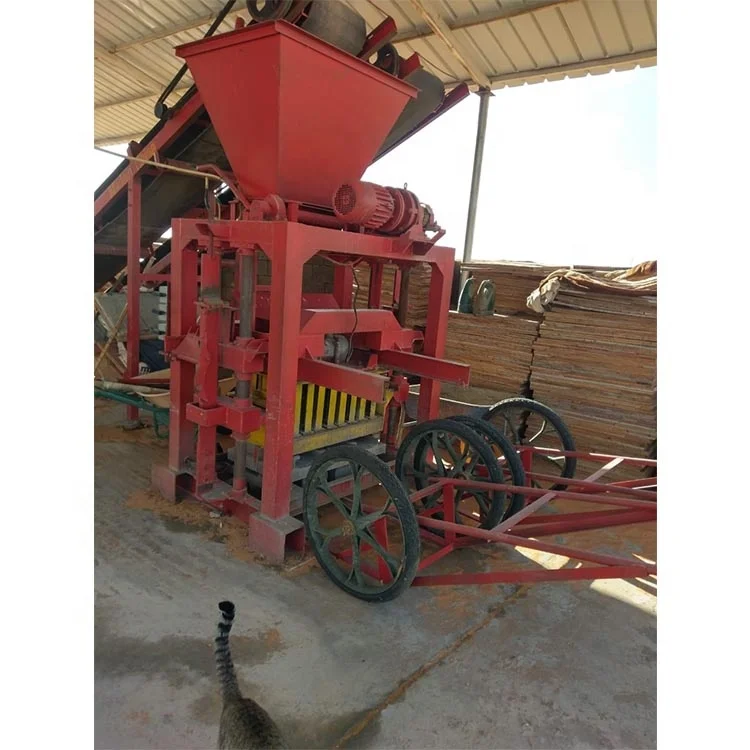
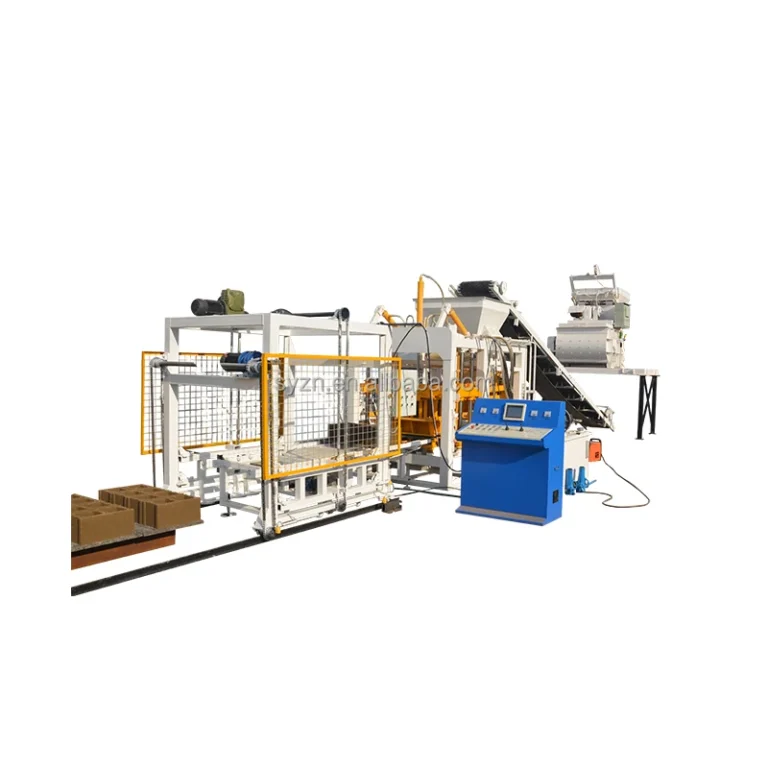 High quality block machine