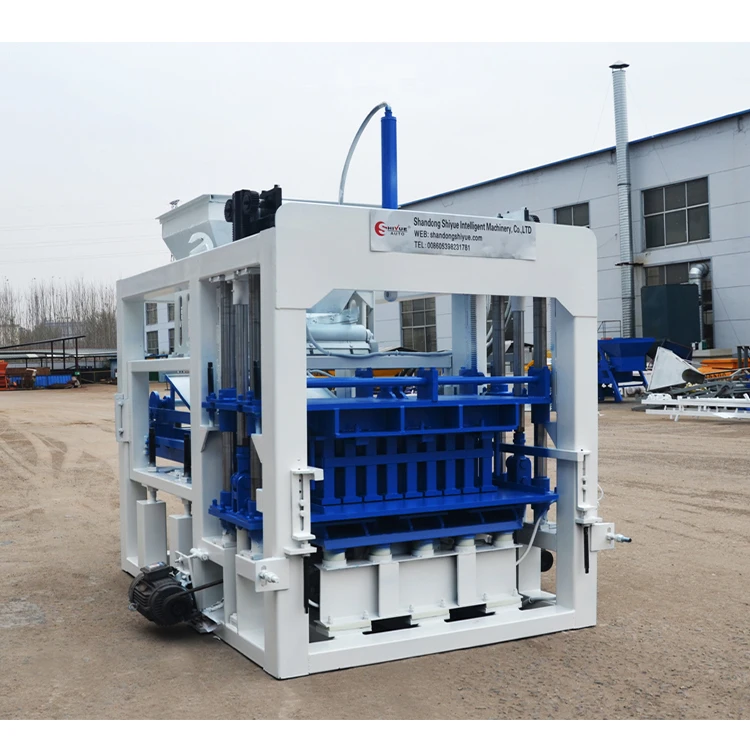
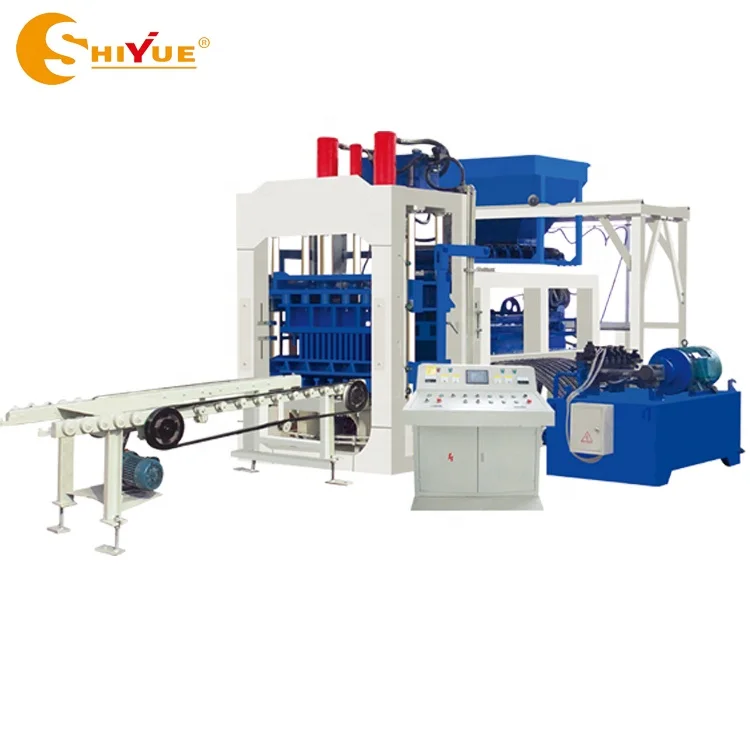
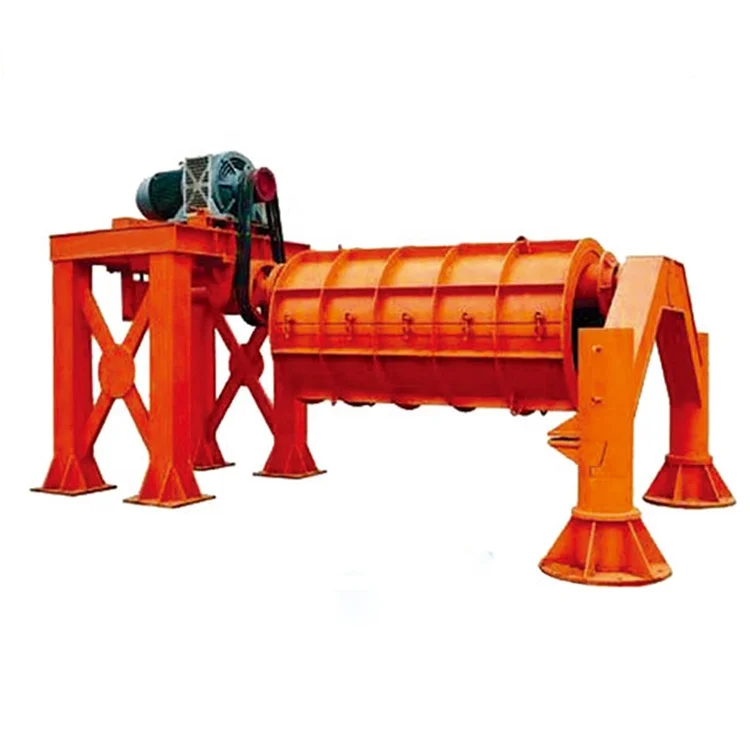
Matched System Configuration — Machine, mould, pallet and handling are specified as one unit for the QTJ4-24, so cycle times, vibration force, and curing logistics align from day one.
Technical Specifications
| Parameter |
Value |
| Model |
QTJ4-24 |
| Product Type |
Semi-Automatic Hollow Block Making Machine |
| Overall Dimensions (L×W×H) |
2060×1730×2580 mm |
| Main Vibration Form |
Platform vibration |
| Vibration Frequency |
4200 r/min |
| Pallet Size |
880×480×38 mm |
| Molding Cycle |
26 s (basis to be confirmed by block format) |
| Total Power |
14.25 kW |
| Exciting Force |
35.5 kN |
| Rated Pressure |
15 MPa |
| Control Technology |
Frequency converting control |
| Voltage & Frequency |
380V, 3-phase, 50Hz (customizable to local voltage) |
| Mould System |
Exchangeable moulds |
| Vibration System |
Dynamic table and static vibrating table structure; low frequency standby, high frequency operation |
| Automation Level |
Semi-automatic |
| Warranty |
1 year (excluding wearing parts) |
Application Suitability
| Application |
Material or Output |
| Hollow block production |
Crushed stone, river sand, cement, and lightweight aggregates |
| Solid block production |
Dense aggregate mixes with standard cement ratios |
| Road block and paver production |
High-strength mixes with fine aggregate gradation |
| On-site construction block production |
Locally sourced sand and gravel with variable moisture content |
| First block plant startups |
Low-capital entry with room to scale automation later |
Why "26-Second Molding Cycle" Needs a Format Attached
The cycle time only means something when you know which block is being pressed.
Semi-automatic block machine manufacturer catalogs often quote a single molding cycle as if every format presses identically. On the QTJ4-24, a standard hollow block may complete its cycle near the stated 26-second mark, but a denser paver or a tall kerbstone requires extended vibration and pressure dwell. When buyers compare machines based on one headline number, their real daily output for the format they actually sell falls short of what the quotation implied [NEED_CITE: block format assumptions in capacity quotations]. On sites in West Africa, I have watched operators run hollow blocks all morning and switch to pavers after lunch, only to find the afternoon output barely half the morning tally. The gap was not a machine fault — it was a quotation that never specified which block the cycle time assumed.

Where the QTJ4-24 Sits in the Full Range
This model occupies the entry-to-mid tier of the block machine lineup. Buyers who need dependable daily output without the capital outlay of a fully automatic line find the QTJ4-24 a practical starting point. The semi-automatic block machine manufacturer positions it for workshops and first-time plant owners who handle pallets manually but still want consistent vibration and pressure control. As production volume grows, the same buyer can step up to higher tiers in the range without changing their entire material handling logic.
Understanding the Semi-Automatic Operating Model
Semi-automatic means the press cycle itself is controlled, but pallet feeding and product removal rely on operators. This keeps the initial investment contained and reduces the electrical and hydraulic complexity on site. For contractors producing blocks at a building project or entrepreneurs in markets where labor cost is moderate, the QTJ4-24 delivers mechanized forming without the infrastructure a fully automatic line demands [NEED_CITE: semi-automatic versus automatic block plant labor requirements]. The trade-off is throughput ceiling — when daily volume targets exceed what manual pallet handling can sustain, it is time to look at the next tier in the range.
Reading the Vibration and Pressure Numbers
The 35.5 kN exciting force and 15 MPa rated pressure work together to compact the mix into a dense, dimensionally stable block. Platform vibration at 4200 r/min distributes energy across the mould cavity, while the dynamic and static table structure ensures that both the bottom and the sides receive consolidation force. The frequency converting control on all motors softens startup current draw and extends motor life under the repeated start-stop pattern of block pressing. Pallet size at 880×480 mm dictates the curing rack spacing and the forklift tine width you will need on site — confirming these before order avoids a mismatch when the machine arrives.
What Happens When Pallet and Curing Area Do Not Match
Buyers who confirm pallet size too late discover that their existing curing racks cannot accept the loaded pallets, forcing a rebuild of the entire drying area. A pallet dimension that does not match the local forklift means manual offloading and higher breakage during the green stage. I have seen projects in South Asia delay commissioning by weeks because the pallet specification and the curing infrastructure were treated as separate decisions [NEED_CITE: pallet and curing area coordination in block plants]. On the QTJ4-24, the 880×480×38 mm pallet is the fixed reference — every downstream decision on racks, forklifts, and floor space must align to it.
Why Buyers Choose This Range
Block machinery is the single focus here, so the QTJ4-24 is specified alongside its moulds, pallets, and handling equipment as a matched system rather than assembled from separate vendors. Configuration is set against the buyer’s actual mix design and local aggregate, not a catalogue default — a lesson learned from recalibrating vibration parameters on Nigerian sites where high-clay sand demanded a different approach. Mould design covers the formats the buyer’s market actually sells, with custom drawings available. The semi-automatic platform allows a buyer to start here and upgrade automation later within the same product family. Installation support includes operator training so the first production run is not a learning exercise at the buyer’s expense.
Documentation & Verification
- Line layout showing QTJ4-24 footprint with pallet flow and curing area allocation
- Capacity calculation sheet stating output per specific block format and mix design
- Mould drawing and format list confirming hollow, solid, and road block compatibility
- Voltage, frequency, and control display language confirmation before production
- Factory test record on buyer’s specified pallet size and block format before dispatch
- Operation and maintenance manual with wear parts and mould replacement schedule
Installation, Commissioning & Support
- Foundation slab must support 2060×1730 mm footprint with level tolerance for platform vibration stability
- Dedicated 3-phase circuit rated for 14.25 kW total draw with voltage confirmed to local grid standard
- Machine ships in operational assembly state with exchangeable moulds packed separately for transit protection
- First-run commissioning includes vibration frequency calibration and pressure adjustment to buyer’s mix
- Operator training covers mould change procedure, pallet handling rhythm, and daily lubrication points
- Wear parts list provided at handover with recommended reorder intervals for vibration table elements
Before You Send the Inquiry
To size the QTJ4-24 accurately, share the block formats your market sells, the daily volume target per format, and the raw materials available locally including aggregate type and moisture range. Confirm your site voltage, frequency, and preferred control display language. If you have an existing curing area or forklift, provide dimensions so the pallet specification can be validated against your infrastructure.
Frequently Asked Questions
Q: How is the QTJ4-24 daily output calculated and which block format is assumed?
A: Output depends on the block format being pressed. A 26-second molding cycle applies to a specific hollow block size, and denser formats like pavers require longer dwell times. We provide a capacity calculation sheet that states output per format so the figure matches what you will actually produce on your site.
Q: Where does the QTJ4-24 sit in the range and when should I step up to automatic?
A: The QTJ4-24 is in the entry-to-mid tier as a semi-automatic block machine manufacturer platform. When your daily volume targets exceed what manual pallet handling can sustain, or when labor availability tightens, stepping up to a fully automatic model in the range becomes the practical move.
Q: What voltage and frequency options are available for my market?
A: The standard configuration is 380V, 3-phase, 50Hz, but the electrical system is customizable to local voltage and frequency requirements. Confirming your site supply before production avoids commissioning delays and ensures the control display language matches your operator team.
Q: What block formats can this machine produce and how long does a mould change take?
A: The QTJ4-24 supports hollow blocks, solid blocks, and road blocks through its exchangeable mould system. Mould change time varies by operator familiarity and format complexity. We provide the mould drawing and format list so you can confirm coverage of the products your market demands.
Q: What is the plant footprint and installation requirement?
A: The machine measures 2060×1730×2580 mm and requires a level foundation slab, a dedicated 3-phase power circuit for the 14.25 kW total draw, and space for pallet circulation and curing racks sized to the 880×480 mm pallet dimension.

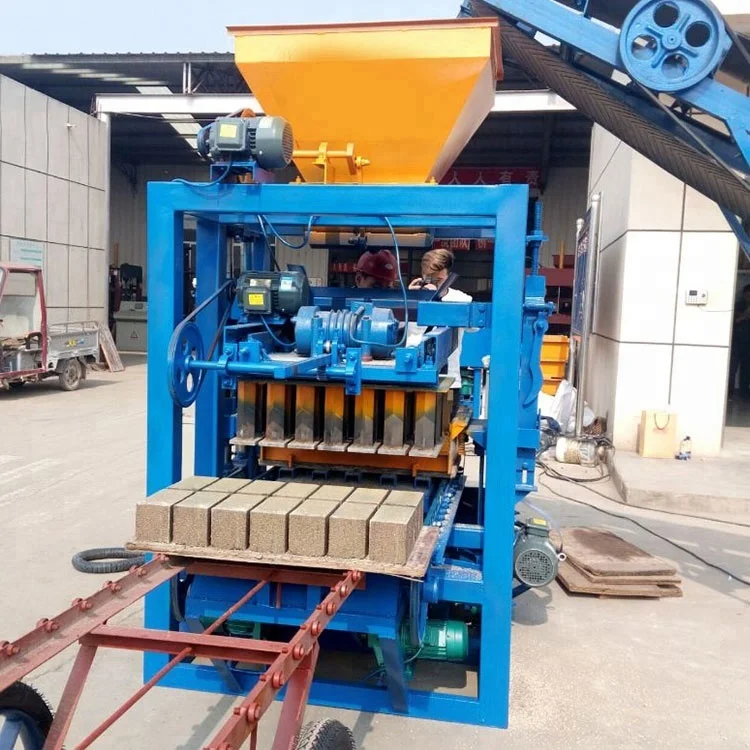
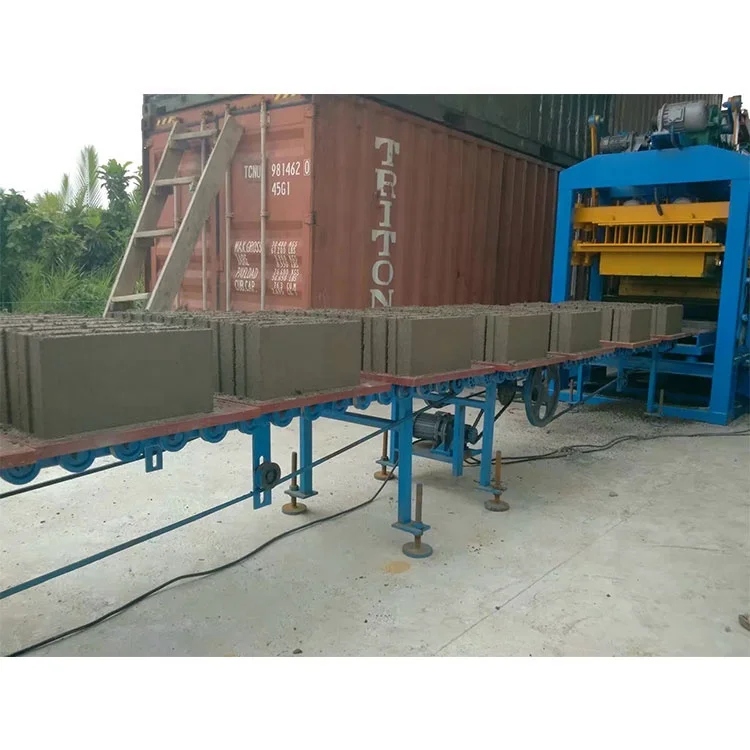 Automatic block machine