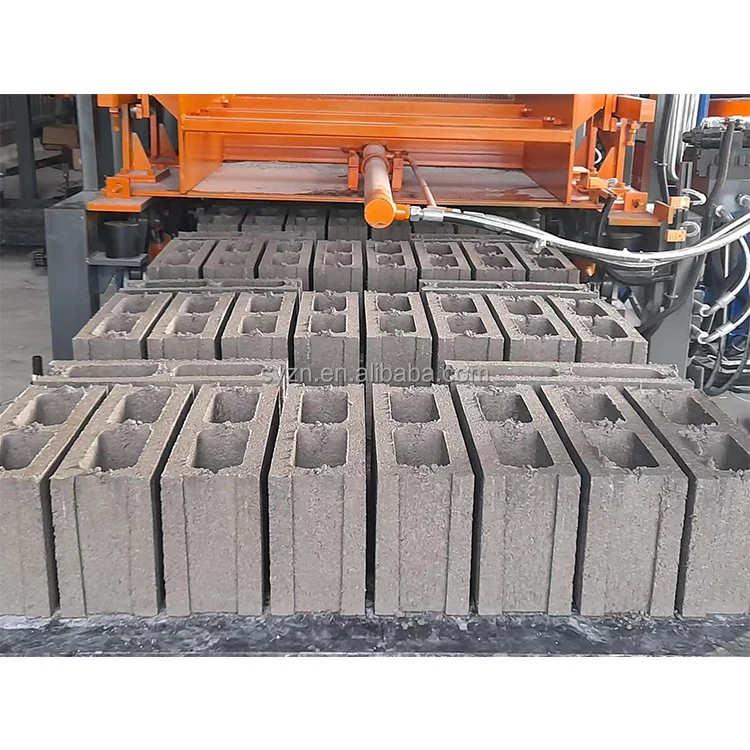
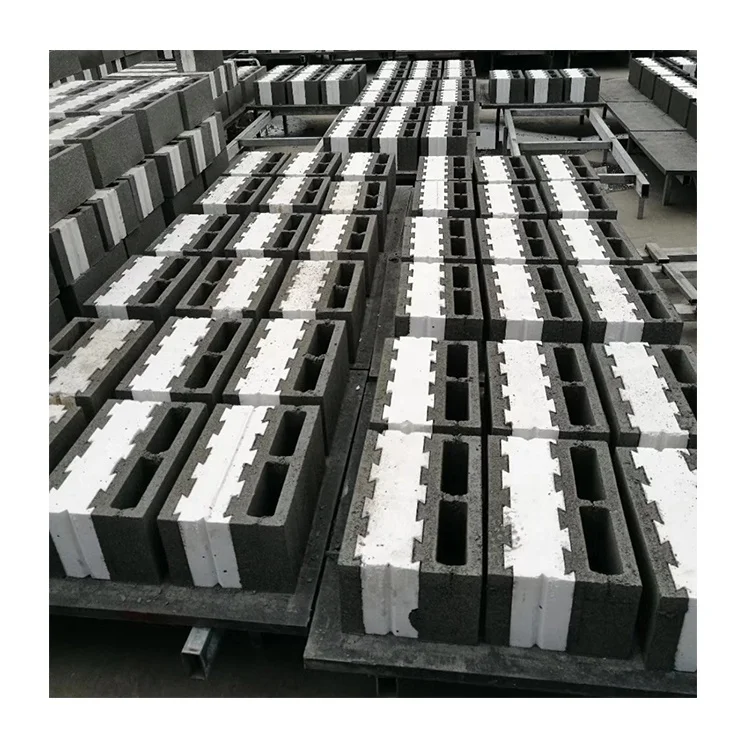
Matched System Integration — The QT8-15 block machine, moulds, pallets, and handling equipment are specified together as one coordinated production tier, so capacity figures align with the exact block format you plan to run.
Technical Specifications
| Parameter |
Value |
| Model |
QT8-15 |
| Product Type |
Hydraulic Concrete Block Making Machine |
| Overall Dimensions (L×W×H) |
8300×1860×3000 mm |
| Rated Pressure |
21 MPa |
| Main Vibration Form |
Platform Vibration |
| Vibration Frequency |
2800-4500 r/min |
| Vibration Force |
45 kN |
| Pallet Size |
950×900 mm |
| Molding Cycle |
15-20 s (basis not stated in source — confirm block format / material / thickness) |
| Overall Power |
55.5 kW |
| Total Mass |
8 T |
| Demolding Method |
Hydraulic |
| Factory Area Required |
300 m² |
| Raw Materials |
Crushed stone, sand, cement, fly ash, gravel, slag, dust |
| Applied Products |
Concrete blocks, hollow/solid blocks, pavers, interlocking blocks, curbstone |
| Standards |
CE |
Application Suitability
| Application |
Material or Output |
| Hollow block production for residential walls |
Crushed stone, sand, cement, fly ash blends |
| Solid concrete block for load-bearing structures |
Gravel, sand, cement at higher pressure settings |
| Paving block and colored paver runs |
Fine aggregate with pigment additives |
| Interlocking brick and kerbstone |
Standard concrete mix with format-specific moulds |
| On-site production for housing projects |
Local aggregate and cement available at project location |
Why "Cycles per Hour" Doesn’t Tell You Daily Output
The QT8-15 block machine manufacturer must state capacity per block format, not just a raw cycle number.
Many quotations list a single cycles-per-hour figure without naming the block size or wall thickness that figure assumes. A 15-second cycle on a thin paver does not translate to the same cycle on a 200 mm hollow block. When the format is not specified, the daily output you plan around can fall noticeably short once production starts. I have seen buyers budget for a certain block count per shift, only to find the actual throughput was based on a smaller format they never intended to produce. The QT8-15 block machine manufacturer should provide a capacity table that lists each block format and the corresponding realistic daily output [NEED_CITE: block format impact on daily output calculations].

Where the QT8-15 Sits in the Full Machine Range
The QT8-15 occupies the mid-to-high automatic tier, positioned above small workshop semi-automatic units and below the largest high-capacity lines designed for continuous three-shift operation. For a buyer surveying options, this model bridges the gap between modest first-plant investment and the floor space required for a full-scale production facility. The 300 m² factory area requirement reflects a plant that includes mixing, pressing, and basic pallet handling without the extensive curing rack systems of the upper tier. This placement makes the QT8-15 block machine manufacturer a practical starting point for entrepreneurs who need meaningful daily volume but are not yet ready to commit to the highest automation level.
Automation Tiers and How They Scale
A buyer can begin with semi-automatic pallet handling and add automatic stacking or cubing as production stabilizes and labor costs justify the investment. The hydraulic demolding system and PLC-controlled molding cycle remain constant across configurations, so upgrading later does not require replacing the press itself. The 55.5 kW overall power draw stays within the capacity of a standard industrial supply panel, avoiding the need for a dedicated high-voltage transformer at the entry stage. Choosing the right starting tier depends on your current workforce skill level and how quickly you expect to scale volume [NEED_CITE: automation upgrade paths in block production].
Pressure, Vibration, and Block Density
The 21 MPa rated hydraulic pressure works in tandem with 45 kN platform vibration to compact the concrete mix uniformly through the mould cavity. Higher pressure alone would leave voids in the core of a thick hollow block; vibration alone would not achieve the surface density needed for load-bearing certification. The 2800-4500 r/min vibration frequency range allows the operator to dial in the right energy level for different aggregate sizes — coarser gravel needs higher frequency to settle, while fine sand-fly ash blends respond better at the lower end. The 8 T total machine mass absorbs reactive vibration, preventing the frame from resonating and introducing inconsistency into adjacent moulds. This balance between hydraulic pressure and vibration force is what determines whether blocks meet compressive strength targets across every format the QT8-15 produces.
The Cost of Misaligned Configuration
Ordering a QT8-15 configured for a mix design that your local quarry cannot supply forces a material change after the machine arrives, adding cost and delaying commissioning. A pallet size selected without checking your existing forklift capacity or curing rack dimensions means pallets pile up on the floor instead of moving through the curing area efficiently. Voltage and frequency left unconfirmed until shipment can strand the machine at the port for weeks while a matching transformer is sourced locally. These are not rare occurrences; they happen when the specification conversation stops at the press and does not extend to the surrounding line and site conditions [NEED_CITE: equipment configuration mismatches in export machinery].
Why Source This Tier Here
The machine, mould, pallet, and handling equipment are specified as one matched system, so cycle times at each station align and the press is not left waiting for pallets or raw material. Configuration is set against your actual mix design and local aggregate rather than a catalogue default, which means the 21 MPa pressure and vibration frequency are validated for the concrete you will actually pour. Mould design covers the formats your market sells, with custom drawings available for non-standard block shapes. The automation level is selectable, allowing a semi-automatic start with a defined upgrade path. Installation support includes operator training so your team can run the QT8-15 independently from the first week.
Documentation & Verification
- Line layout and capacity calculation stating the block format assumed for each output figure
- Machine specification sheet with voltage, frequency, and PLC display language confirmed before production
- Mould drawing and format list showing every block type the QT8-15 can produce
- Factory test record on your specified mix and block format before dispatch
- Hydraulic and electrical schematic matching the as-built configuration
Installation, Commissioning & Support
- 300 m² factory area with level concrete floor to support the 8 T machine mass and vibration load
- 55.5 kW power supply with dedicated circuit breaker rated for motor starting current
- Voltage and frequency verified against local grid before production begins
- PLC display language confirmed to match operator capability before commissioning
- Mould change procedure trained on-site so format switches do not consume a full shift
- Wear parts and hydraulic seal list provided with first spare order recommendations
Before You Send an Inquiry
To receive a configuration proposal that reflects your actual production needs, share the target block formats and dimensions you plan to sell, the daily output you need per format, and the local raw materials available at your site. Include your workshop dimensions, existing forklift capacity, and local voltage and frequency so the QT8-15 block machine manufacturer can match the pallet size and electrical system before quoting.
Frequently Asked Questions
Q: How does the QT8-15 output tier compare to smaller semi-automatic and larger automatic models?
A: The QT8-15 sits between small workshop machines and the highest-capacity continuous lines. It requires around 300 m² of factory space and offers selectable automation, so you can start semi-automatic and add stacking or cubing later without replacing the press. Smaller models suit lower investment and limited space, while larger tiers serve plants running multiple shifts with full automation.
Q: What block formats can the QT8-15 produce, and what is the realistic daily output per format?
A: The machine produces hollow blocks, solid blocks, pavers, interlocking bricks, and kerbstones using format-specific moulds on the 950×900 mm pallet. Realistic daily output depends on the block format, wall thickness, and mix design. A capacity table stating output per format is provided with the proposal so you can plan against the exact products you intend to sell.
Q: What plant footprint and factory area does the QT8-15 require?
A: The press itself measures 8300×1860×3000 mm, and the recommended factory area is approximately 300 m² including mixing, pressing, and pallet circulation space. Curing and stacking areas are additional and depend on your pallet inventory and production volume. A line layout drawing is provided during the proposal stage to confirm spatial requirements against your site.
Q: Can I start with the QT8-15 semi-automatic and upgrade automation later?
A: Yes. The hydraulic press, mould system, and PLC control remain the same across automation levels. You can begin with manual pallet handling and add automatic pallet feeding, stacking, or cubing as volume grows. The upgrade path is defined at the initial specification stage so mechanical interfaces are already in place when you are ready to expand.
Q: What pallet size does the QT8-15 use, and how does it align with standard equipment?
A: The QT8-15 uses a 950×900 mm pallet. This size is confirmed against your existing forklift capacity and curing rack dimensions during the proposal stage to ensure pallets move smoothly from press to curing area. Pallet material is also selected based on your curing method and expected service life requirements.

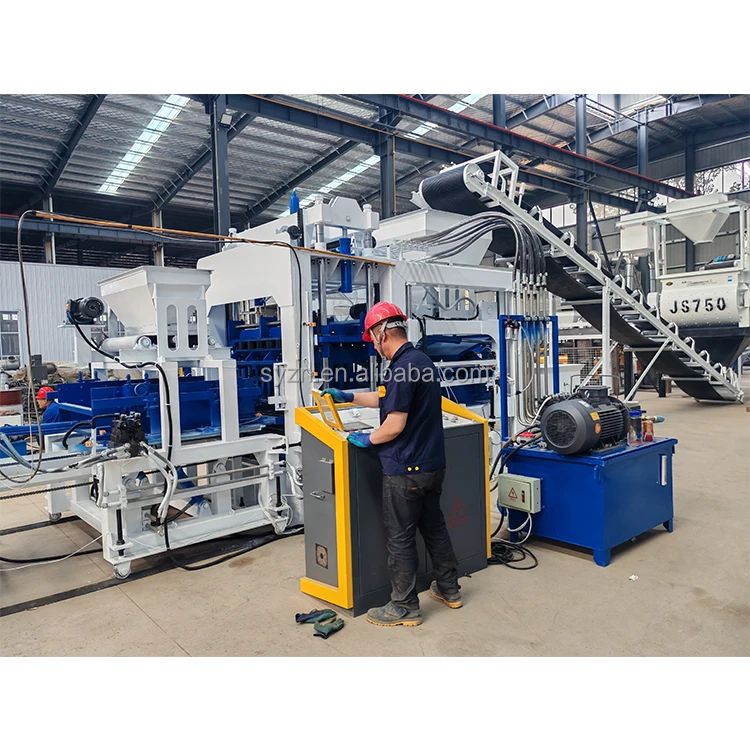
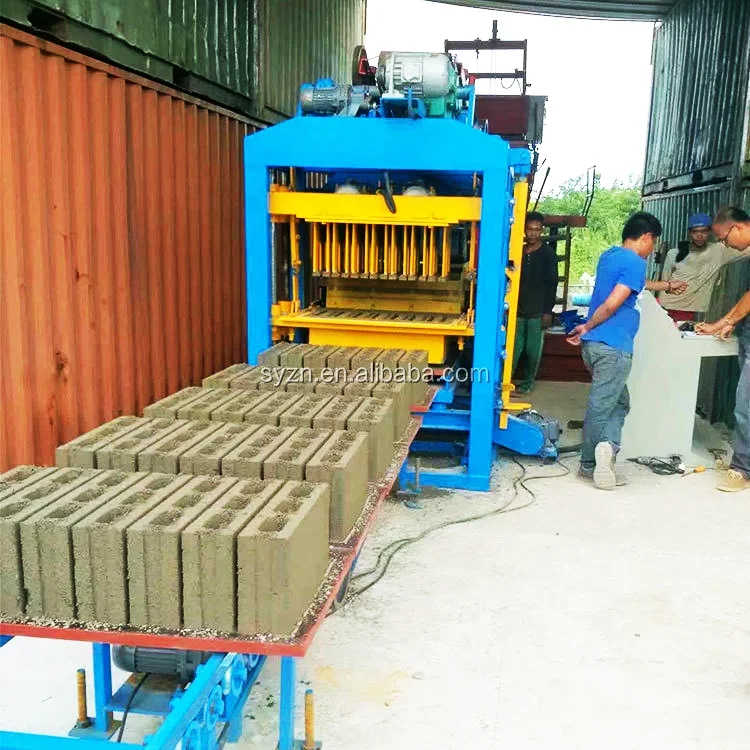 High quality block machine