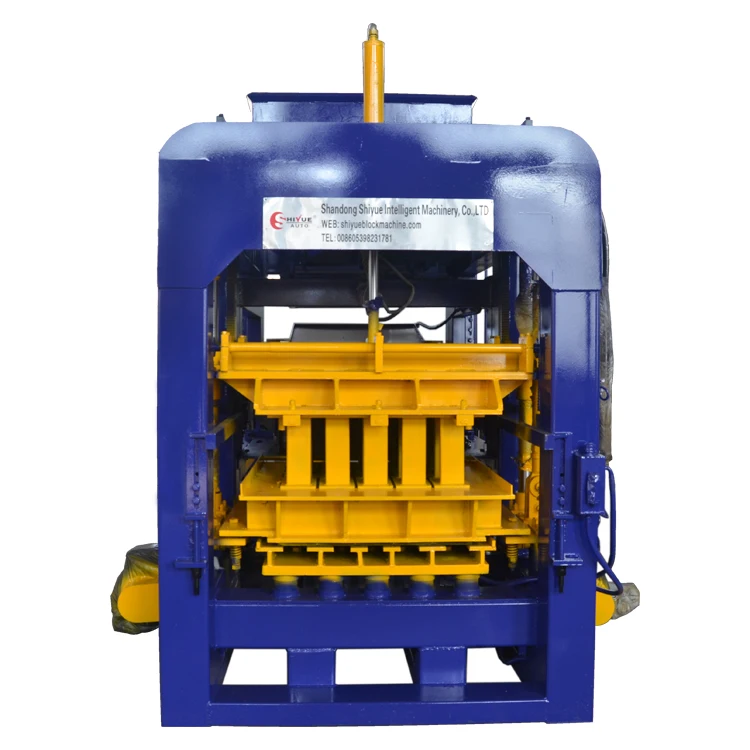
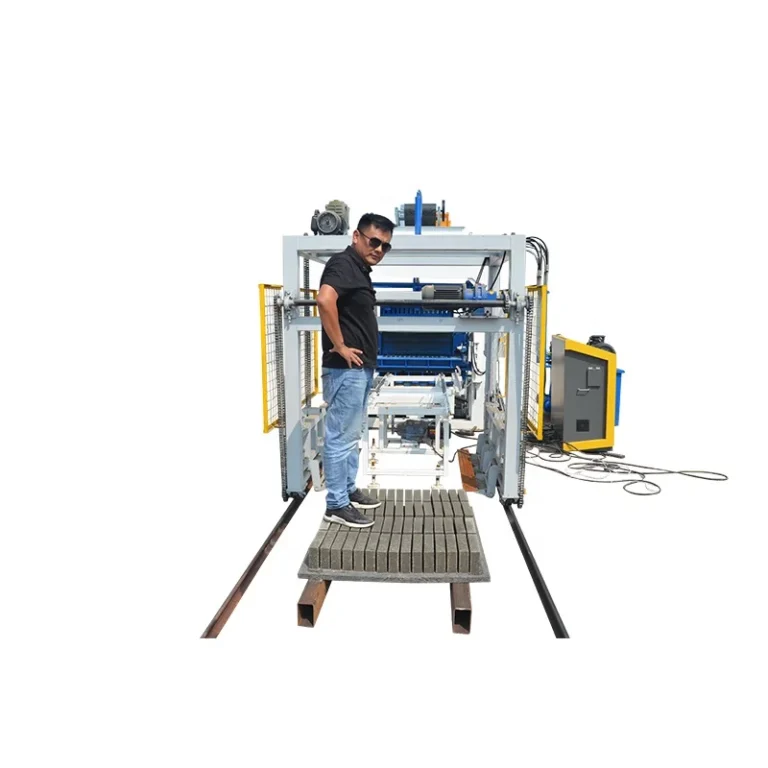
Matched System Sizing — the QT7-15 block machine manufacturer configures press, mould, pallet and handling as one verified line rather than quoting isolated cycle numbers.
Technical Specifications
| Parameter |
Value |
| Model |
QT7-15 |
| Product Type |
Hydraulic Concrete Block Making Machine |
| Pallet Size |
1150 × 700 mm |
| Molding Cycle |
15–20 s (basis not stated in source — confirm block format / material / thickness) |
| Overall Power |
45 kW |
| Vibration Force |
100 kN |
| Vibration Frequency |
0–60 Hz |
| Vibration Form |
Platform Vibration |
| Demolding Method |
Hydraulic |
| Total Mass |
8 T |
| Control System |
PLC with touch screen interface |
| Automation Level |
Automatic (pallet feed, block making, storage hopper, conveyor, hydraulic unit, PLC cabinet) |
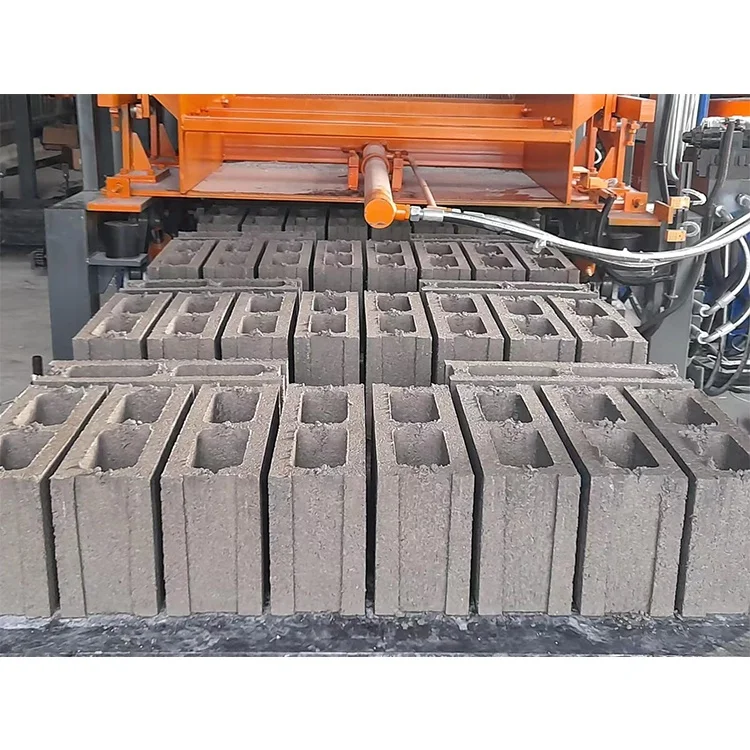
| Output Capacity — 400×200×200 mm Hollow Block |
7 pcs/mould, 1260–1680 pcs/h, 10080–13440 pcs/8hr |
| Output Capacity — 400×150×200 mm Hollow Block |
8 pcs/mould, 1440–1920 pcs/h, 11520–15360 pcs/8hr |
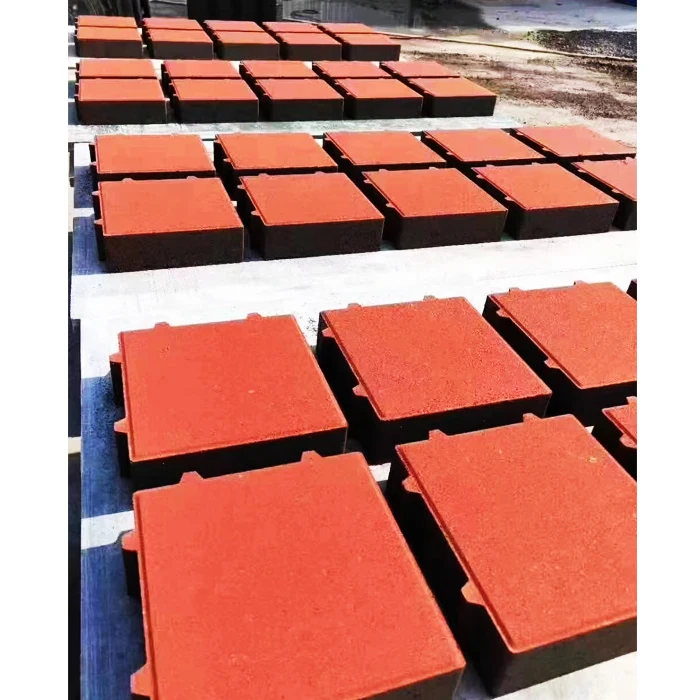
| Output Capacity — 200×100×60 mm Paving Brick |
27 pcs/mould, 3888–4860 pcs/h, 31104–38880 pcs/8hr |
| Mould Change |
Quick mould replacement supported (time not stated in source — confirm) |
| Voltage & Frequency |
Configurable (confirm local grid before order) |
| Warranty |
1 year for the whole machine (excluding spare parts) |
Application Suitability
| Application |
Material or Output |
| Hollow concrete block production for building walls |
Crushed stone, sand, cement, and lightweight aggregates |
| Rectangular paving brick production |
Fine sand, granite dust, cement, and pigment for colored pavers |
| Multi-format block production via mould change |
Solid blocks, kerbstones, interlocking bricks, and porous bricks |
| Independent block and paver plants |
Scales from first-time entrepreneurs to established concrete product manufacturers expanding format ranges |
Why Cycle Times Mislead Buyers Sizing a Block Line
A press cycle means nothing until the block format and pallet return time are defined.
When buyers survey options for a first or replacement machine, catalogue sheets often highlight the fastest possible cycle. On a site producing 400×200×200 mm hollow blocks, the actual output depends on how fast the mixer feeds the hopper and how quickly the pallets loop back from the curing racks. If the supporting stations cannot match the press, the main unit spends half the shift waiting. The QT7-15 block machine manufacturer approach maps the entire line footprint and station timing before locking in the press tier [NEED_CITE: block plant line balancing principles].

Placing the QT7-15 on the Output Tier Spectrum
Shiyue organizes its equipment into distinct output tiers, ranging from small workshop volumes to high-capacity automatic lines. The QT7-15 sits in the mid-to-high automatic tier, designed for buyers who have outgrown semi-automatic setups but do not yet need the massive footprint of a fully continuous cubing plant. Understanding where this model sits helps buyers survey options for a first or replacement machine without over-investing in capacity their local market cannot absorb.
Matching the Press to the Local Aggregate
A machine configured for a specific mix design will fail if the buyer cannot source those materials locally. The 100 kN vibration force and adjustable 0–60 Hz frequency on this hydraulic concrete block making machine allow operators to tune the compaction to their actual aggregate. Whether the site uses local river sand, crushed granite, or volcanic scoria, the vibration parameters must be dialed in to achieve consistent block strength without excessive cement consumption [NEED_CITE: concrete mix design and vibration compaction].
Reading the Capacity Table by Block Format
The raw output numbers only make sense when tied to a specific mould. For a 400×200×200 mm hollow block, the system yields 7 pieces per mould, reaching up to 13,440 pieces in an eight-hour shift. Switching to a 200×100×60 mm rectangular paving brick changes the math entirely, with 27 pieces per mould pushing the theoretical output to nearly 39,000 pieces per shift. This format-by-format breakdown ensures buyers know exactly what the plant will produce on a Tuesday morning, not just what the brochure claims.
The Pallet and Handling Footprint
The 1150 × 700 mm pallet size dictates the curing area layout and the forklift specifications required on-site. If a buyer already has a fleet of narrow-aisle forklifts and standard curing racks, the pallet dimensions and material must align with that existing infrastructure. Specifying the pallet handling, stacking, and curing equipment alongside the press prevents the scenario where freshly pressed blocks sit on the ground because the automated stacker was left out of the quotation.
The Hidden Cost of Ignoring the Grid
Failing to confirm voltage, frequency, and PLC display language before production leads to severe delays. I once supported a shipment where the local 60Hz grid was overlooked, and the main motor simply tripped upon arrival. The site crew stared at a silent press while a custom VFD cabinet was air-freighted across the ocean, burning three weeks of project time [NEED_CITE: industrial voltage and frequency standards by export market]. Matching the electrical configuration to the buyer’s actual plant conditions is non-negotiable.
Why Source from this QT7-15 Block Machine Manufacturer
Block machinery remains the single focus here, meaning the press, moulds, pallets, and handling gear are specified as one matched system. Configurations are set against the buyer’s actual mix design and target block format rather than a generic catalogue default. Mould design covers the specific formats the local market demands, including custom drawings. Automation levels are selectable, allowing a buyer to start semi-automatic and add stacking or cubing later. Installation support includes on-site commissioning and operator training to ensure the line runs independently.
Documentation & Verification
- Line layout and capacity calculation stating the exact block format assumed for every output figure.
- Machine specification sheet with voltage, frequency, and PLC touch screen language confirmed prior to assembly.
- Mould drawing and format list detailing the exact cavity counts for hollow blocks and paving bricks.
- Factory test record on the buyer’s specified pallet size and vibration frequency before dispatch.
Installation, Commissioning & Support
- Foundation must support the 8 T total mass and absorb the 100 kN platform vibration force without resonance.
- Dedicated power circuit required to handle the 45 kW overall power draw during peak hydraulic and vibration cycles.
- PLC touch screen configured to the operator’s native language before the control cabinet is sealed for shipment.
- Quick mould replacement training provided on-site to minimize downtime when switching between hollow and paving formats.
- Hydraulic and electrical schematics supplied for local maintenance teams to troubleshoot the demolding system.
Defining Your Plant Requirements
To accurately size the line and select the right automation tier, we need to know your target block formats and the daily output required for your local market. Please provide the local raw materials available, including aggregate type and cement grade, along with your site’s industrial voltage and frequency. Finally, share your existing curing area dimensions and forklift specifications so the pallet handling system can be matched to your facility.
Frequently Asked Questions
Q: How do I read the capacity table for different block sizes?
A: Every output figure is tied to a specific block format and mould cavity count. For instance, the shift capacity for a 400×200×200 mm hollow block is calculated using 7 pieces per mould, while paving bricks use a different mould with 27 cavities. Always verify which format the quoted cycle time assumes.
Q: Where does this model fit in the overall equipment range?
A: It sits in the mid-to-high automatic tier, bridging the gap between entry-level semi-automatic machines and massive continuous lines. It suits buyers who need reliable daily volume and multi-format flexibility without the immense footprint and capital outlay of a top-tier plant.
Q: Can I change the electrical and control settings later?
A: It is far safer to confirm voltage, frequency, and PLC display language before manufacturing. Retrofitting a main motor or replacing a control cabinet on-site causes severe delays and requires specialized components that may not be available in your local market.
Q: Are pallets and handling equipment included in the line?
A: They can be specified as part of the matched system. Leaving pallet feeding, stacking, and curing rack handling out of the initial quotation often forces the plant to rely on manual labor, creating a bottleneck that prevents the press from reaching its actual daily capacity.

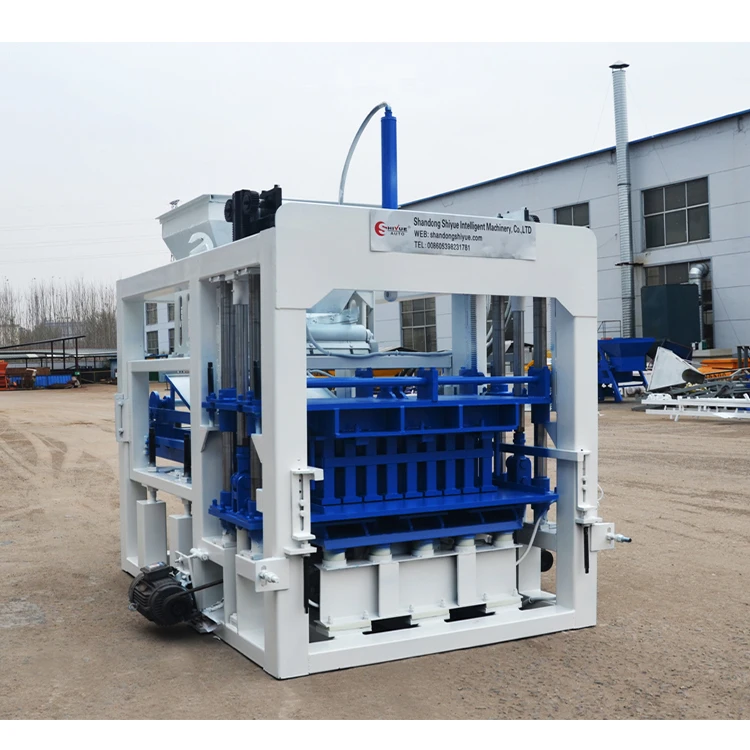 High quality block machine