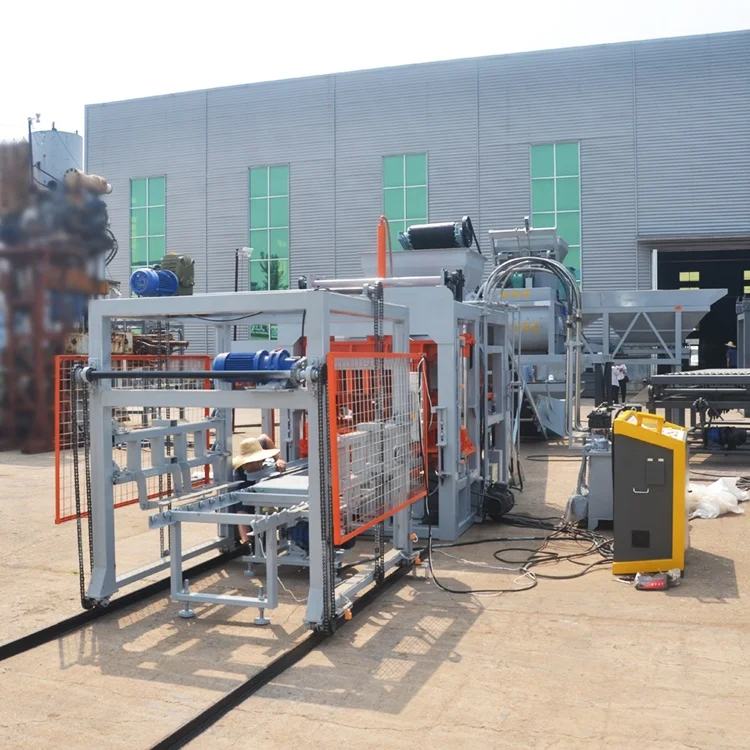
Matched System Design — Machine, mould, pallet and handling specified together so the QT6-15 automatic block machine range performs as a coordinated line rather than a collection of separate components.
Technical Specifications
| Parameter |
Value |
| Model |
QT6-15 |
| Product Type |
Automatic Concrete Block Making Machine |
| Rated Power |
31.25 kW |
| Voltage & Frequency |
Configured to buyer’s local supply (to be confirmed before production) |
| Control System |
PLC intelligent control with man-machine interface, logic control, malfunction diagnosis, and remote control function |
| Overall Dimensions (L×W×H) |
7100 × 1500 × 3000 mm |
| Net Weight |
8500 kg |
| Hydraulic Pressure |
16–21 MPa |
| Main Vibration Form |
Platform vibration |
| Mould Cycle Time |
15–20 seconds (varies by format) |
| Pallet Size |
850 × 680 mm |
| Output Capacity – Hollow Block |
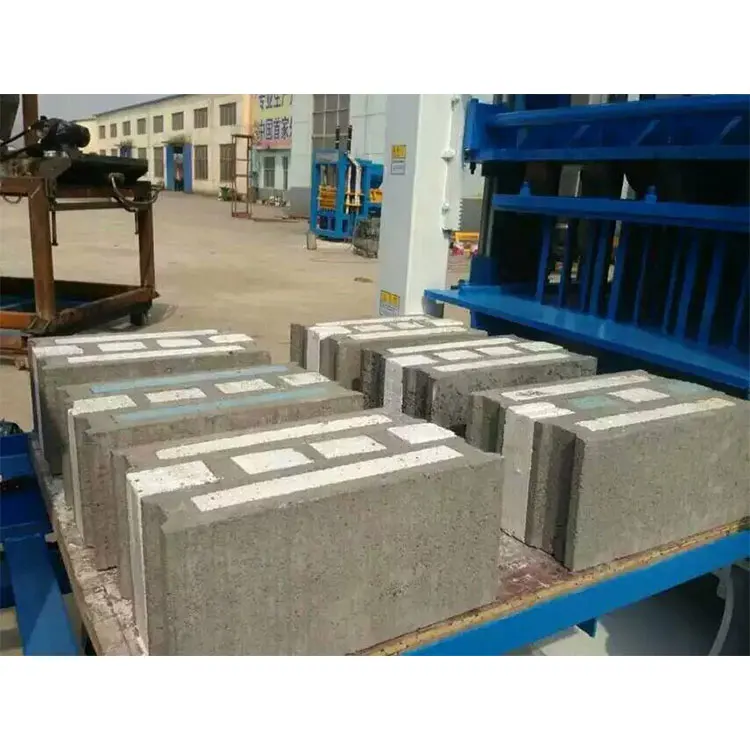
8,640 pcs/day (based on 400×200×200 mm, 6 pcs/mould, 16–20 s cycle) |
| Output Capacity – Porous Block |
22,400 pcs/day (based on 240×115×90 mm, 14 pcs/mould, 15–18 s cycle) |
| Output Capacity – Standard Block |
54,400 pcs/day (based on 240×115×53 mm, 30 pcs/mould, 14–17 s cycle) |
| Applicable Products |
Hollow block, solid block, pavers, interlocking block, curbstone, colored pavers |
| Raw Materials |
Crushed stone, sand, cement, fly ash, gravel, slag |
| Color Layer Option |
Face-color material feeding device available for colored surface pavers |
| Mould Change |
Interchangeable moulds for multiple block formats (change time basis not stated in source) |
Application Suitability
| Application |
Material or Output |
| Commercial block plant producing hollow and solid blocks |
Crushed stone, sand, cement, fly ash and gravel mixes |
| Paver and interlocking brick production for landscaping |
Standard concrete mixes with optional face-color layer |
| On-site block production for large housing projects |
Local aggregate including slag and site-available sand |
| Concrete product manufacturer expanding format range |
Porous blocks, curbstone and specialty formats via mould change |
Why Quoted Output Figures Mislead Buyers Evaluating the QT6-15 Automatic Block Machine Manufacturer Options
A cycle time means nothing unless you know which block format it was measured on.
Catalogue sheets often quote a single peak number that assumes the fastest, smallest format the press can run. In practice, the format your local market actually buys determines your true daily volume. I have watched buyers sign contracts based on a headline figure, only to discover that the hollow block they sell every day cuts that number significantly because the cycle is longer and the mould holds fewer cavities. The QT6-15 automatic block machine manufacturer capacity data above is broken down per format precisely to prevent this gap between expectation and reality. [NEED_CITE: common discrepancy between catalogue output and actual daily production in block plants]

Positioning the QT6-15 Within the Full Machine Range
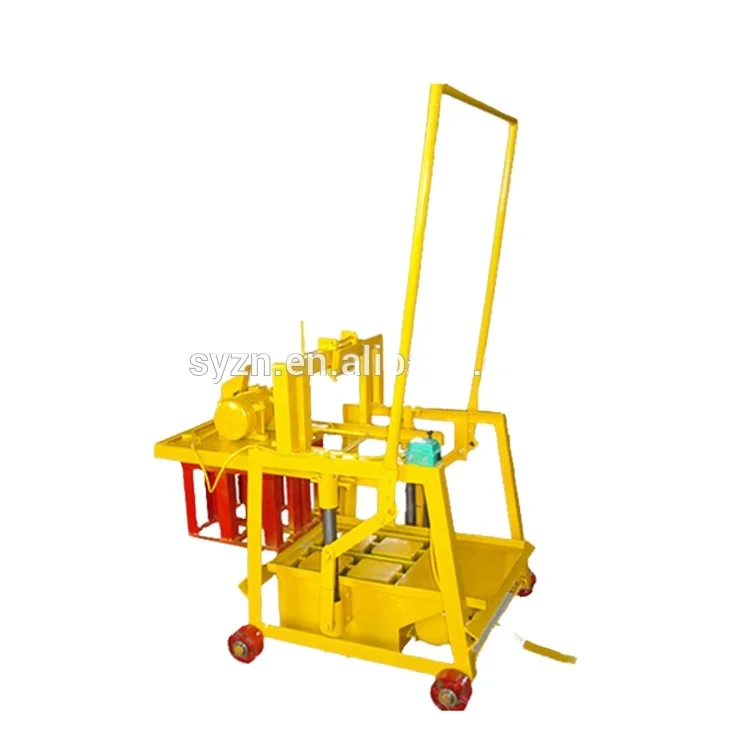
The QT6-15 sits in the mid-tier of the SY automatic block machine lineup, bridging the gap between entry-level semi-automatic presses and high-capacity fully automatic lines. Buyers mapping their first plant investment can use this model as a benchmark: it offers multi-format flexibility and PLC control without the capital commitment of a top-tier line. For those replacing an older mobile or egg-laying machine, the QT6-15 automatic block machine range introduces stationary production with higher consistency and lower manual handling.
How Tier Selection Affects Plant Footprint and Investment
Choosing between semi-automatic, mid-tier automatic and high-capacity lines determines not just the press itself but the entire supporting layout. A mid-tier press like this one requires a defined curing area matched to its pallet size, a mixer sized to keep up with its cycle, and pallet return conveyors that do not bottleneck the press. Skipping this line-level thinking and focusing only on the press leads to idle time between cycles. Buyers comparing tiers should evaluate total floor space, supporting equipment cost, and the automation level they can realistically staff. [NEED_CITE: block plant layout planning for stationary presses versus mobile units]
Reading the Specs That Actually Shape Daily Production
Hydraulic pressure and vibration force work together to compact the mix into a dense, consistent block. The 16–21 MPa hydraulic range on this press must be matched to the buyer’s specific mix design; too little pressure on a stiff, low-slump mix leaves weak cores, while excessive pressure on a wet mix squeezes out cement paste and reduces strength. The platform vibration system locks the mould box rigidly to the vibration table, transferring energy directly into the mix rather than dissipating it through frame flex. Pallet size at 850 × 680 mm dictates how many blocks travel through the curing area per cycle and must align with the forklift and rack dimensions the buyer already operates. The PLC system with malfunction diagnosis reduces troubleshooting downtime, but only if the display language is confirmed before the machine ships.
The Cost of Configuring for the Wrong Mix
A machine set up for a clean, graded aggregate will struggle the moment it receives sand with high clay content or crushed stone with inconsistent sizing. Vibration frequency and hydraulic pressure need to match the actual raw material, not a laboratory ideal. When this alignment is skipped at the quotation stage, the result is inconsistent block strength, higher cement consumption to compensate, and frequent mould wear from abrasive particles the system was not set up to handle. Buyers who skip submitting an aggregate report before ordering often spend far more on field adjustments than the testing would have cost. [NEED_CITE: impact of local aggregate variation on block compressive strength]
Why Buyers Source the QT6-15 Automatic Block Machine Manufacturer as a Matched System
Block machinery as a single focus means the press, mould, pallet and handling equipment are specified as one coordinated package, reducing interface problems that arise when components come from separate suppliers. The configuration is set against the buyer’s actual mix design and target block format rather than a catalogue default. Mould design covers the formats the buyer’s market demands, including custom drawings when standard options do not fit. Automation level is selectable, so a buyer can begin with semi-automatic pallet handling and add stacking or cubing later. Installation support includes operator training so the team understands parameter adjustment from day one.
Documentation & Verification
- Line layout with capacity calculation stating the exact block format assumed for each QT6-15 output figure
- Machine specification sheet confirming hydraulic pressure, vibration force and pallet size against your mix
- Voltage, frequency and PLC display language confirmation document before production begins
- Mould drawing and format list showing available and custom mould options with change procedure
- Factory test record on your target block format before dispatch
Installation, Commissioning & Support
- Foundation plan scaled to the 7100 × 1500 mm footprint and 8500 kg operating weight of the QT6-15
- Dedicated power circuit matching the 31.25 kW rated load and confirmed local voltage
- Machine arrives partially dismantled for container loading; reassembly supervised on site
- First-run parameter tuning of hydraulic pressure and vibration frequency against your actual mix
- Operator training covering PLC interface, mould change procedure and daily maintenance checklist
- Wear parts and mould availability list provided at handover for planning first replacements
What to Share Before Requesting a Quotation
To size the right tier within the full machine range, share your target block formats and the daily volume your market absorbs. Provide a local aggregate sample or test report so the vibration and hydraulic settings can be matched before production. Confirm your site voltage, frequency and preferred PLC display language to avoid commissioning delays once the press arrives.
Frequently Asked Questions
Q: Where does the QT6-15 sit in the full block machine range?
A: It occupies the mid-tier of the SY automatic lineup, between entry-level semi-automatic presses and high-capacity fully automatic lines. Buyers use it as a benchmark for first-plant investment or as a replacement for mobile machines, gaining PLC control and multi-format capability without stepping to the highest capital tier.
Q: How is the stated daily output calculated for each format?
A: Each figure is based on a specific block dimension, mould cavity count and cycle time range. Hollow block output assumes 400×200×200 mm blocks at 6 per mould with a 16–20 second cycle. Standard block figures assume 240×115×53 mm at 30 per mould. Real output depends on your actual mix, operator pace and upstream material flow.
Q: What plant footprint does this press need compared to a mobile machine?
A: A stationary press requires a fixed foundation, dedicated curing area sized to the 850 × 680 mm pallet, and supporting equipment like mixers and pallet return conveyors. Mobile machines eliminate the fixed plant but sacrifice output consistency and format range. Total floor space depends on your chosen automation level and curing method.
Q: Can the automation level be upgraded after initial installation?
A: The system allows buyers to start with semi-automatic pallet handling and add automatic stacking or cubing later. The PLC platform supports these additions without replacing the main control cabinet. Upgrade timing depends on production volume growth and available labour at your plant.
Q: What investment difference exists between this tier and the next automatic level?
A: The step up involves a larger press platform, higher vibration force, and typically full-line automation including batching and cubing. Capital difference covers not only the press but expanded supporting equipment and a larger curing area. Buyers should compare the per-block cost at their actual target volume rather than headline machine price.

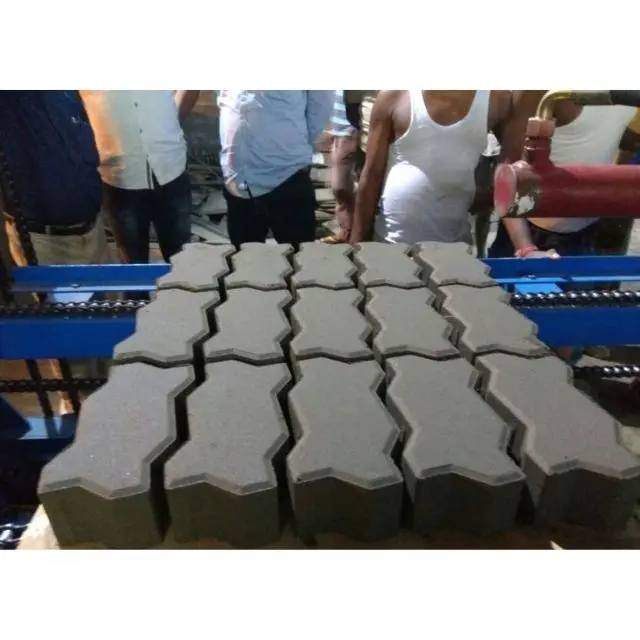
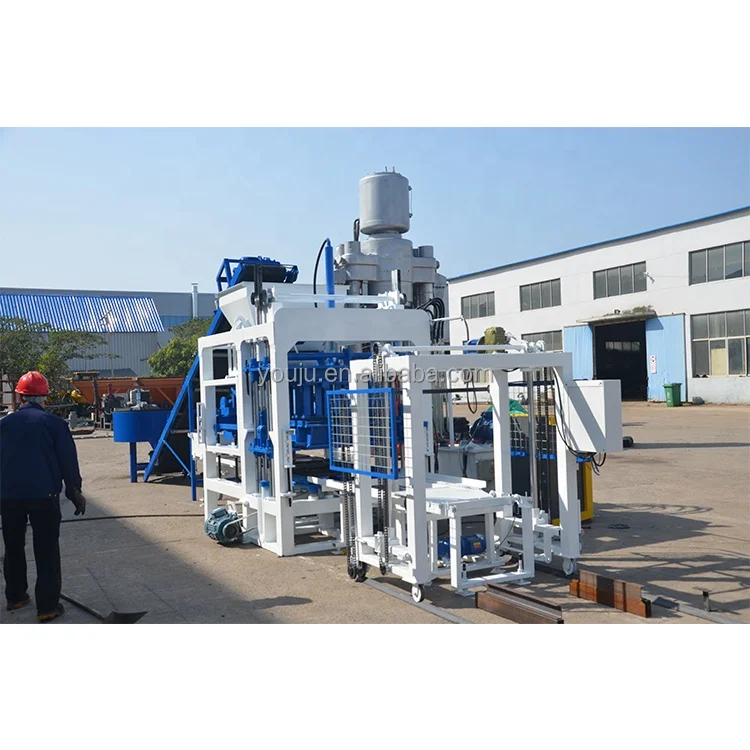 Automatic block machine