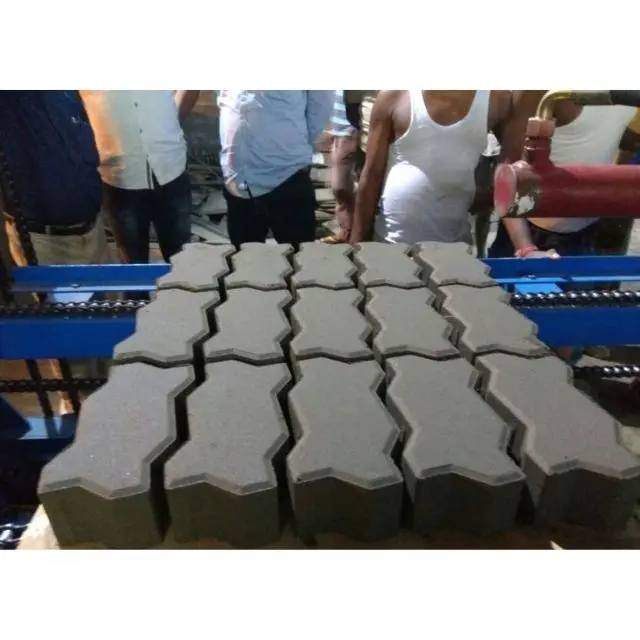
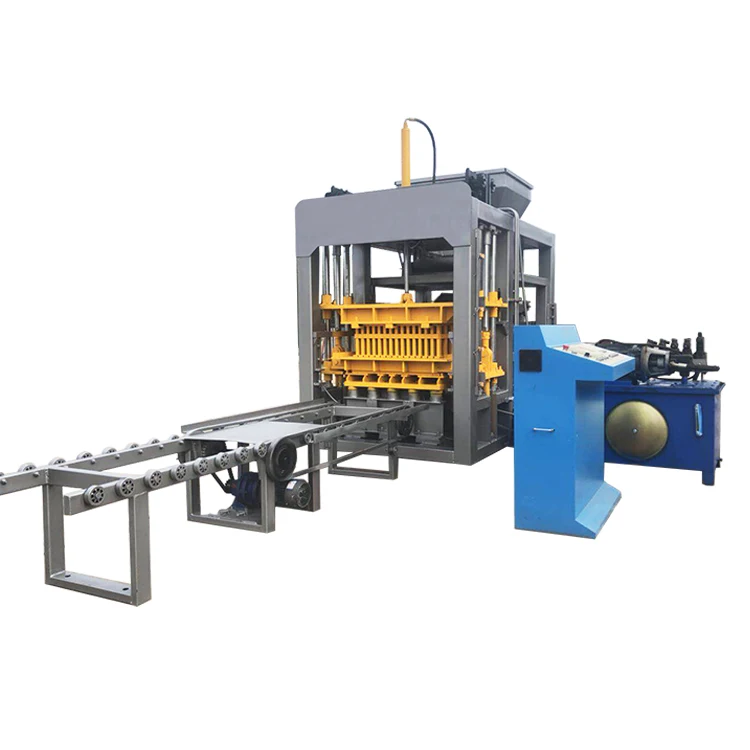
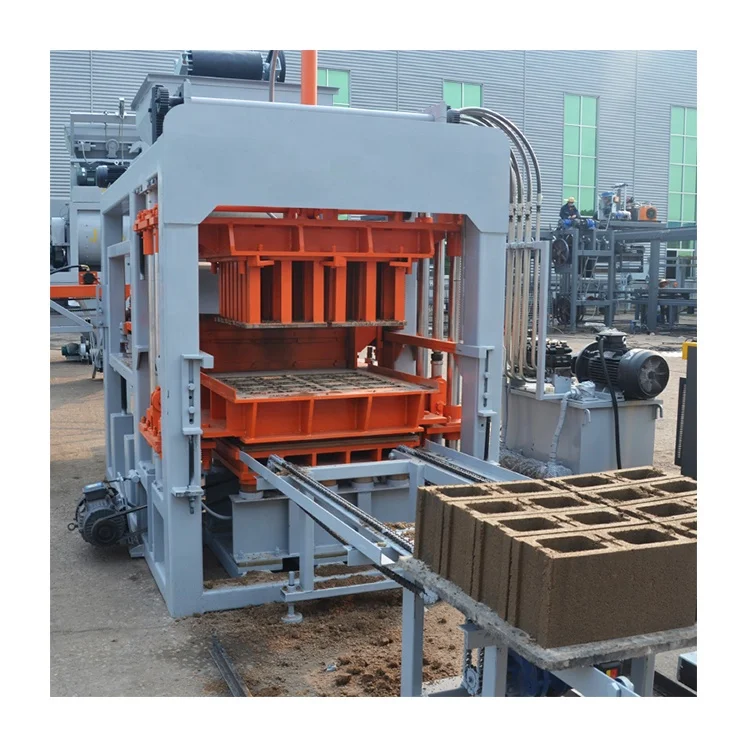
Matched System Supply — Block press, mould, pallet and handling are specified together so the Qt4 -26 runs as one coordinated line, not a collection of mismatched components.
Technical Specifications
| Parameter |
Value |
| Model |
Qt4 -26 |
| Product Type |
Semi-automatic Block Making Machine |
| Overall Dimensions (L×W×H) |
2060 × 1730 × 2580 mm |
| Rated Pressure |
26 MPa |
| Main Vibration Form |
Platform Vibration |
| Vibration Frequency |
4500 r/min |
| Vibration Force |
40 KN |
| Pallet Size |
880 × 480 × 25 mm |
| Molding Cycle |
15–20 s (basis not stated in source — confirm block format / material / thickness) |
| Total Power |
19.75 kW |
| Host Machine Power |
14.25 kW |
| Total Mass |
2 T |
| Demolding Method |
Semi-automatic |
| Mixer Model |
JQ350 |
| Applied Products |
Concrete blocks, hollow/solid blocks, pavers, interlocking blocks, curbstone, colored pavers |
| Raw Material |
Crushed stone, sand, cement, dust, fly ash, gravel, slag |
| Certification |
CE |
Application Suitability
| Application |
Material or Output |
| Hollow block production for residential walls |
Crushed stone, sand, cement, fly ash |
| Solid block manufacturing for load-bearing structures |
Gravel, cement, slag blends |
| Interlocking paver runs for driveways and walkways |
Fine aggregate with pigment additives |
| Curbstone and kerb production for road infrastructure |
Coarse aggregate with high cement content |
| Landscaping and garden block runs |
Sand and cement with lighter mix designs |
Why the Voltage Question Must Come Before the Quotation
A semi-automatic block machine that arrives with the wrong voltage spec sits idle until a transformer is sourced — and that delay is entirely preventable.
In my years covering Southeast Asian block plants, I have watched Qt4 -26 machines and similar semi-automatic block machines sit on the dock for weeks because the buyer’s grid ran at 440V/60Hz while the press was wired for 380V/50Hz. The electrical panel had to be rebuilt before a single block could be pressed. This is not a rare edge case; export markets carry a wider range of industrial voltages than many first-time buyers expect [NEED_CITE: voltage and frequency standards by export market]. Locking the voltage and frequency at inquiry stage removes a major source of post-arrival downtime.

Where the Qt4 -26 Sits in the Machine Range
The Qt4 -26 occupies the mid-tier semi-automatic segment, giving buyers an entry point that balances capital outlay against daily throughput. Platform vibration at 4500 r/min delivers consistent density across hollow and solid formats without requiring the hydraulic circuit complexity of higher-tier automatic lines. For entrepreneurs establishing a first block plant or contractors needing on-site production, this tier keeps the footprint compact while leaving room to add automation later.
Understanding the Semi-Automatic Workflow
Semi-automatic operation means the press cycle runs under controlled timing while pallet handling and stacking still rely on operator input. The JQ350 mixer feeds material to the hopper, and the Qt4 -26 completes the vibration and pressure phase within the stated molding window. Operators then move cured pallets manually or with a forklift to the curing area. This workflow keeps the initial investment contained and lets buyers add automatic pallet feeders or stackers as demand grows [NEED_CITE: typical automation upgrade paths for semi-automatic block plants].
How Pressure and Vibration Shape Block Density
The 26 MPa rated pressure and 40 KN vibration force work together during each cycle. Vibration settles the concrete mix into the mould cavity while hydraulic pressure compacts it from above, removing air pockets that weaken the finished block. When the pressure and vibration are correctly matched to the buyer’s aggregate gradation and cement ratio, the resulting blocks meet structural strength requirements without over-engineering the mix. The 880 × 480 mm pallet size accommodates common hollow block and paver layouts, though buyers should confirm their target format before the mould is fabricated.
The Hidden Cost of Unmatched Pallet Specifications
Pallets ordered without checking the curing area dimensions or the forklift fork width lead to double-handling on the production floor. A pallet that is too wide for the existing curing racks forces the plant to stack blocks on the ground, slowing turnover and risking damage. Similarly, pallet material matters: bamboo pallets absorb moisture and warp faster in tropical humidity, while steel pallets add weight that small forklifts struggle to lift repeatedly across a shift [NEED_CITE: pallet material selection for tropical block production environments].
Why Buyers Source This Range Here
The Qt4 -26 is specified as part of a matched system — press, mould, pallet and handling are sized against each other rather than pulled from separate catalogues. Mould design covers the formats the buyer’s local market actually purchases, including custom drawings when standard formats do not apply. Voltage, frequency and PLC display language are confirmed before production starts, not discovered at the port of entry. Factory testing runs the actual target block format so cycle time and block density are verified before the machine is crated.
Documentation & Verification
- Line layout and capacity calculation stating the block format assumed for the Qt4 -26
- Machine specification sheet with confirmed voltage, frequency and control language
- Mould drawing and format list covering all compatible block types on the 880 × 480 mm pallet
- Factory test record demonstrating cycle performance on the buyer’s target format
- Hydraulic and electrical schematic matching the shipped configuration
- Packing photographs and customs documentation support for smooth clearance
Installation, Commissioning & Support
- Foundation pad sized for the 2060 × 1730 mm footprint with anchor bolt provisions
- Dedicated electrical circuit rated for 19.75 kW total draw at the confirmed local voltage
- Host machine and mixer shipped as separate units for container loading, reassembled on site
- First-run commissioning with the buyer’s local aggregate to verify block density
- Operator training covering mould change procedure, daily maintenance and safety interlocks
- Wear parts and mould replacement list supplied with recommended reorder intervals
What to Include with Your Inquiry
Provide your target block format and dimensions, daily output requirement, and the raw materials available locally so the Qt4 -26 can be configured with the correct mould and mix-matched pressure settings. Confirm your site’s voltage, frequency and preferred PLC display language to avoid electrical rework after arrival. If you already have curing racks or forklifts on site, share the dimensions so pallet size and material can be aligned to your existing infrastructure.
Frequently Asked Questions
Q: How is the 15–20 second molding cycle determined, and for which block format does it apply?
A: The molding cycle depends on the block format, material mix and wall thickness being produced. The stated range is a general reference; actual cycle time for your specific hollow block or paver format is confirmed during factory testing and documented in the capacity calculation sheet provided with your quotation.
Q: What automation upgrades are available from the semi-automatic Qt4 -26?
A: Buyers can add automatic pallet feeding, stacking and cubing systems as production volumes grow. The semi-automatic base configuration remains compatible with these additions, allowing a phased investment rather than a full line replacement.
Q: How do I confirm voltage, frequency and control language before shipment?
A: These parameters are locked during the quotation stage and printed on the machine specification sheet. The electrical panel and PLC display are built to your confirmed values, and the factory test record shows the machine running at those settings before dispatch.
Q: Which mould formats fit the 880 × 480 mm pallet?
A: Standard moulds cover hollow blocks, solid blocks, pavers, interlocking bricks and curbstones within this pallet envelope. Custom mould designs are available for formats outside the standard range, drawn to your specifications and validated during factory testing.
Q: How does platform vibration compare to other vibration methods for block consistency?
A: Platform vibration transmits force directly through the pallet into the mould cavity, compacting the mix from below while hydraulic pressure acts from above. This dual action produces uniform density across the block cross-section, which is critical for structural hollow blocks and load-bearing solid formats.

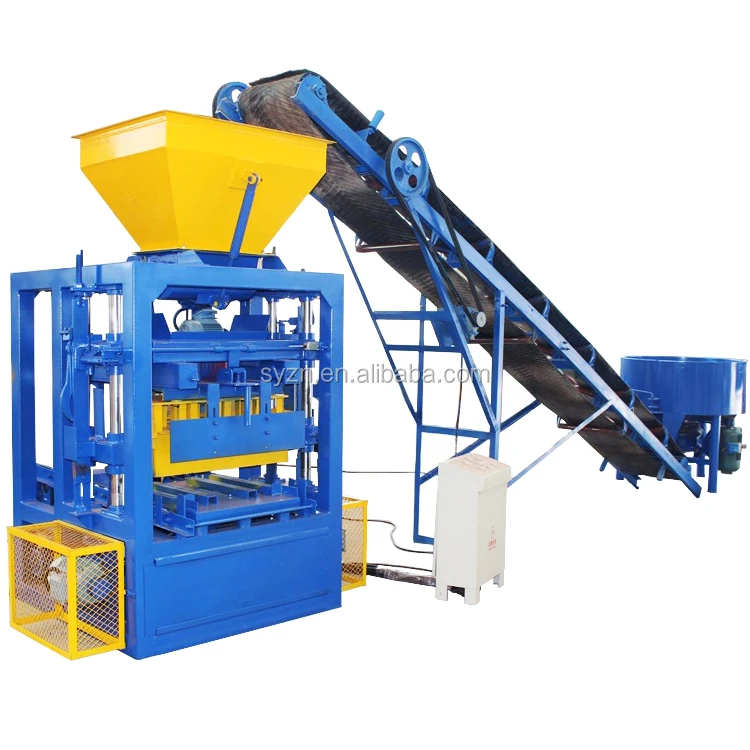
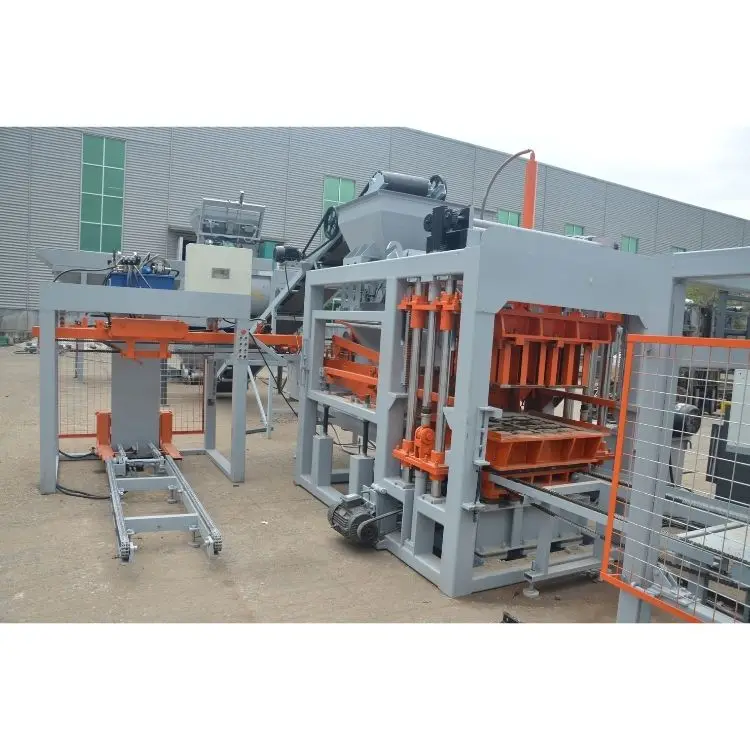 Automatic block machine