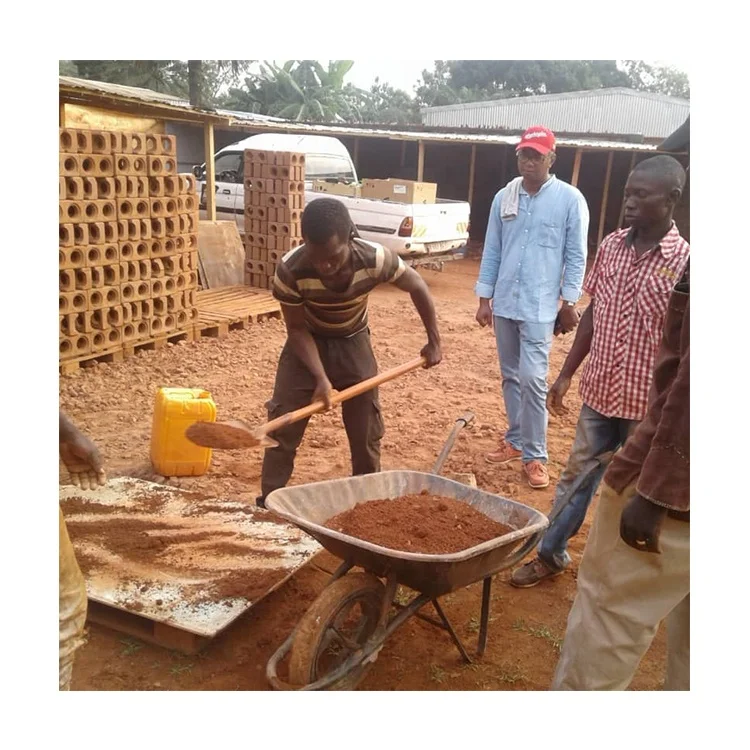
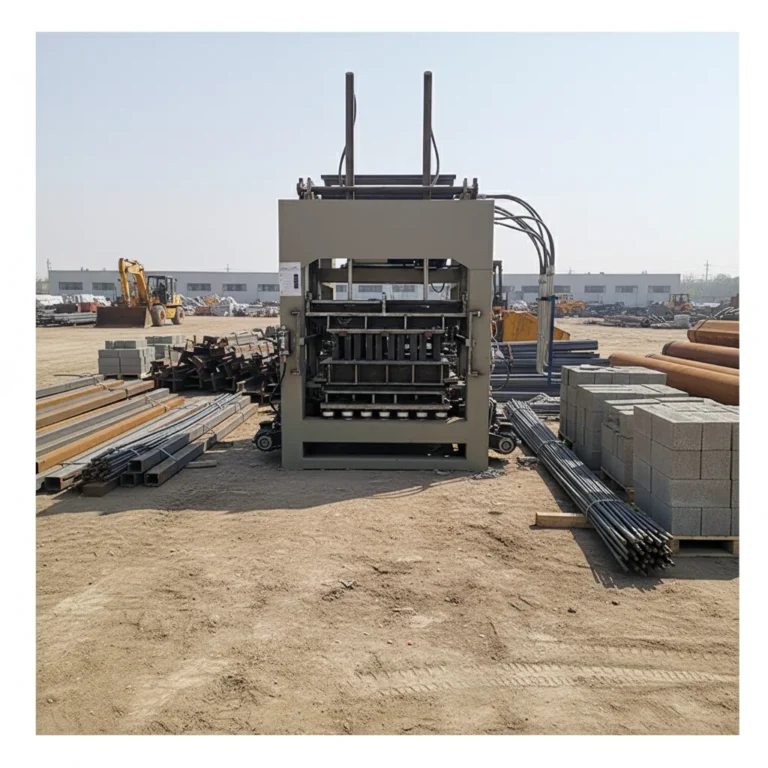
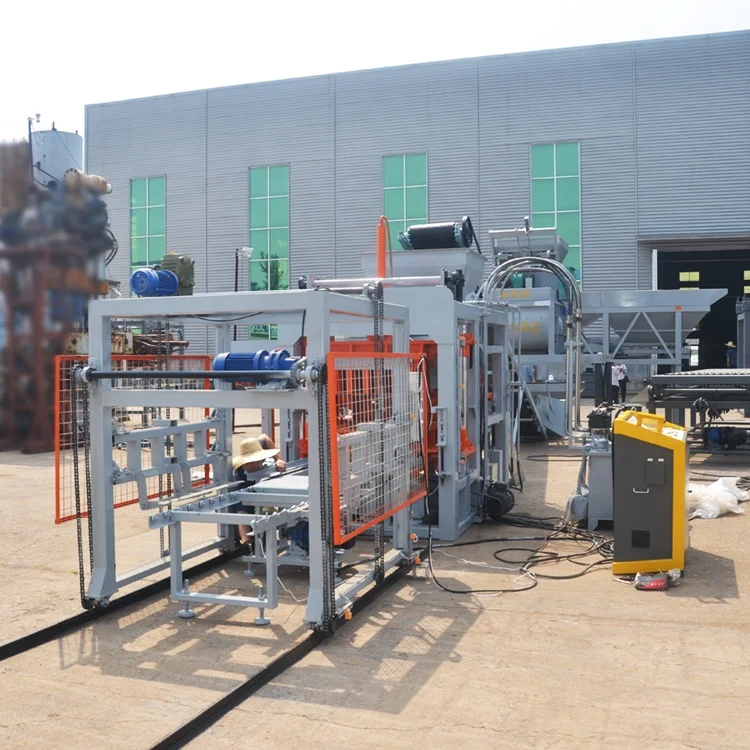
Matched System Sizing — every QT4-18 block machine we quote is configured against the buyer’s actual mix design, local aggregate and target block format rather than a catalogue default, so the press, mould, pallet and handling are specified as one working unit.
Technical Specifications
| Parameter |
Value |
| Model |
QT4-18 |
| Product Type |
Hydraulic Concrete Block Making Machine |
| Overall Dimensions (L×W×H) |
3900×1600×2300 mm |
| Total Weight |
3T |
| Rated Power |
24KW |
| Vibration Force |
40-50KN |
| Molding Cycle |
15-25s (basis not stated in source — confirm block format / material / thickness) |
| Mixer Model |
JQ350 |
| Pallet Size |
850×550×25mm |
| Control System |
PLC control system |
| Hydraulic Station |
Included |
| Mould Formats Supported |
Paver, solid block, hollow block, curbstone |
| Output — Hollow Block 400×200×200mm |
1200-1680 pcs/hr, 9600-13440 pcs/8hr |
| Output — Hollow Block 400×150×200mm |
1800-2400 pcs/hr, 14400-19200 pcs/8hr |
| Output — Solid Brick 240×115×53mm |
3240 pcs/hr, 16200-19440 pcs/8hr |
| Raw Materials |
Crushed stones, sand, cement, dust, fly ash |
| Included Equipment |
Block making machine, hydraulic station, PLC control system, pallet feeder, brick conveyor, block sweeper |
| Free Accessories |
Manual hydraulic trolley, spare parts, tools |
| Assembly State |
Nude packing in 20GP container (basis to be confirmed) |
| Automation Level |
Semi-automatic |
| Voltage & Frequency |
To be confirmed before production |
Application Suitability
| Application |
Material or Output |
| Hollow block production for masonry walls |
Crushed stone, sand and cement mixes at 400×200×200mm or 400×150×200mm format |
| Solid brick production for load-bearing and infill |
Cement, fly ash and fine aggregate at 240×115×53mm format |
| Paver production for walkways and driveways |
High-strength mix designs with fine sand and pigment |
| Kerbstone production for road edging |
Coarse aggregate and cement with longer cycle allowance |
| On-site block production for housing projects |
Locally sourced crushed stone and sand with JQ350 mixer |
What "15-25 Seconds per Cycle" Actually Means for Your Daily Output
Cycle time only becomes real capacity once you pin it to a specific block format, mix design and pallet change rhythm.
I have watched buyers sign off on a QT4-18 block machine manufacturer quotation that quoted a single cycle figure, then discover on site that their local crushed stone ran coarser than the factory test aggregate. The press needed a longer vibration window to consolidate the mix, and the real moulding cycle stretched well past the quoted range. Daily output settled at a fraction of the brochure number because nobody had matched the cycle to the material before the machine left the factory [NEED_CITE: aggregate gradation effect on concrete block cycle time]. A concrete block making machine for sale is only as productive as the format calculation behind it.

Where the QT4-18 Sits in the Full SHIYUE Range
The QT4-18 occupies the mid-tier semi-automatic segment. Below it, mobile and egg-laying machines serve on-site contractors who produce without a fixed plant and accept lower volume. Above it, fully automatic lines add stacker, cubing system and curing rack handling to remove manual pallet movement entirely. This tier gives buyers hydraulic pressure and PLC control without the capital commitment of a full stacking line, making it a practical entry point for a first block plant or a measured step up from a mobile unit.
Footprint, Investment and the Upgrade Path
A semi-automatic configuration keeps the plant footprint compact because curing rack handling and automatic cubing are absent. The pallet feeder included with the QT4-18 removes one manual station, yet stacking still relies on operators or a separate trolley. When daily volume grows past what manual stacking can sustain, the buyer can introduce an automatic stacker and cubing unit without replacing the press itself [NEED_CITE: typical block plant upgrade sequence from semi-automatic to full automatic]. This staged approach lets entrepreneurs start production sooner and reinvest revenue into automation later.
Reading the Numbers That Actually Matter
Vibration force rated at 40-50KN works together with the hydraulic station to compact the mix inside the mould cavity; insufficient force leaves hollow blocks with thin, friable walls, while excessive force on a dry mix can fracture the green block during demoulding. The 850×550×25mm pallet size dictates how many blocks fit per cycle and must match the curing rack dimensions and forklift capacity already on site — a mismatch here means either wasted curing space or a pallet the forklift cannot lift. The PLC control system standard at this tier manages vibration duration and hydraulic pressure per cycle, giving batch-to-batch consistency that a manual valve setup cannot hold. The JQ350 pan mixer feeds material at a rate that keeps the press hopper charged without flooding it, so cycle rhythm stays even across an eight-hour shift.
The Cost of Skipping the Format Conversation
When a buyer orders on catalogue capacity alone, the machine arrives configured for a mix the local quarry cannot supply. The operator then spends weeks adjusting water-to-cement ratios and vibration timing, producing blocks that crack during curing or fail compressive strength tests. Mould changeover takes longer than expected because the format list was never reconciled with what the market actually buys, leaving the press idle while bolts are torqued. Pallet handling bottlenecks appear because stacking was assumed but never quoted, and workers spend half the shift moving blocks by hand instead of feeding the mixer [NEED_CITE: common commissioning delays in semi-automatic block plants]. These are not machine faults — they are specification gaps that a proper format and layout discussion would have closed before the deposit was paid.
Why Source This Tier Here
Block machinery is our single focus, so the QT4-18 is never quoted as a standalone press. The mould, pallet, feeder and mixer are selected as one matched system against the buyer’s target format and local aggregate. Configuration is set against the buyer’s actual mix design, not a catalogue default, which means vibration force and hydraulic pressure are adjusted before the machine is assembled. Mould design covers every format the buyer’s market sells, including custom drawings when a paver profile or kerbstone shape falls outside the standard list. Automation level is selectable at this tier, so a buyer can begin semi-automatic and add stacking or cubing modules later without swapping the press. Installation and commissioning support includes operator training on mould change, PLC parameter adjustment and daily maintenance routines.
Documentation & Verification
- Line layout and capacity calculation stating the block format assumed for each output figure
- Machine specification sheet with voltage, frequency and PLC display language confirmed before production
- Mould drawing and format list covering every block type the buyer’s market sells
- Pallet specification matched to the buyer’s curing area dimensions and forklift capacity
- Factory test record on the buyer’s chosen block format before dispatch
- Hydraulic and electrical schematic for on-site troubleshooting
Installation, Commissioning & Support
- Foundation pad must support 3T static load across 3900×1600mm footprint with level tolerance
- Dedicated electrical circuit rated for 24KW plus mixer draw, voltage and frequency confirmed before wiring
- Machine ships dismantled for 20GP container loading; reassembly on site with factory guidance
- PLC parameters set to buyer’s block format and mix during commissioning run
- Operator training covers mould change procedure, vibration timing adjustment and daily greasing points
- Spare parts list and wear part schedule provided at handover for proactive ordering
Before You Request a Quote
Tell us the exact block formats your market sells — dimensions, wall thickness and whether hollow, solid or paver — along with the daily volume you need for each. Share a sample or gradation report of your local crushed stone and sand so the mixer and vibration settings can be matched before build. Confirm your site voltage, frequency and preferred PLC display language so commissioning is not delayed on arrival.
Frequently Asked Questions
Q: Where does the QT4-18 sit in the full SHIYUE range — what tier is above and below it?
A: Below the QT4-18 are mobile and egg-laying machines for on-site work without a fixed plant. Above it are fully automatic lines with stacker, cubing and curing rack handling. The QT4-18 is the mid-tier semi-automatic step, giving hydraulic pressure and PLC control while keeping capital and footprint moderate.
Q: How do I verify output capacity for the specific block format I actually sell?
A: Provide the exact block dimensions, wall thickness and mix design. We return a capacity calculation that states the cycle time and daily output for that specific format, not a generic figure. This lets you compare the QT4-18 against your volume target with real numbers.
Q: Can I start with QT4-18 semi-automatic and upgrade to full automatic stacking later?
A: Yes. The press, hydraulic station and PLC control remain the same. When volume justifies it, you can add an automatic stacker and cubing unit to the existing line without replacing the core machine, protecting the initial investment.
Q: What plant footprint and investment level does this tier require?
A: The semi-automatic QT4-18 line needs space for the press, mixer, pallet feeder and a curing area sized to the daily output. Investment sits between a mobile machine and a full automatic line because stacking and curing rack handling are manual at this tier.
Q: Is the pallet size fixed, or can it be configured to match my existing curing racks and forklift?
A: The standard pallet is 850×550×25mm, but we confirm compatibility with your curing rack spacing and forklift capacity before production. If a different pallet dimension suits your existing setup, the mould and feeder are adjusted to match.

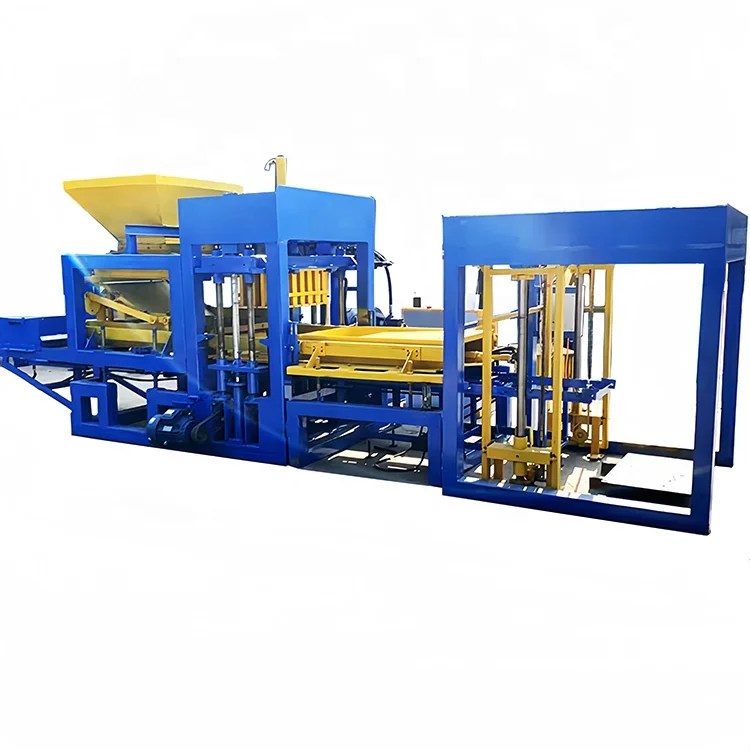
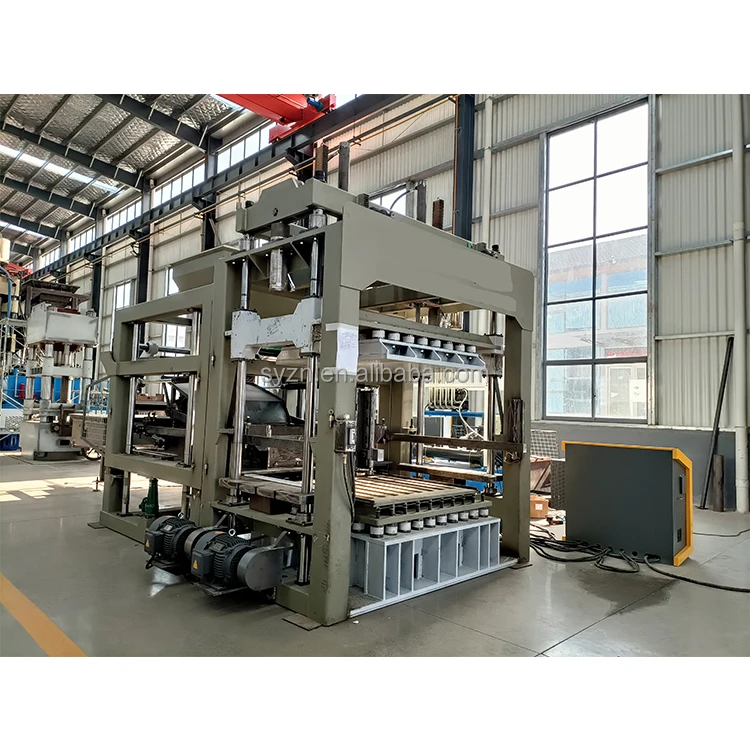 High quality block machine