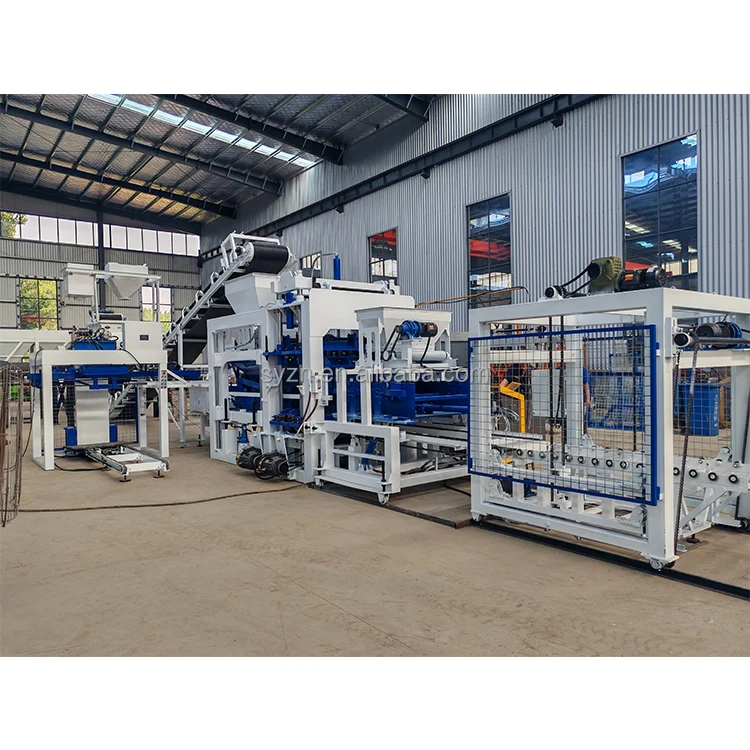
Matched system, not separate parts — The QT8-15 block making machine manufacturer configures press, pallet and handling as one coordinated line rather than sourcing each station independently, keeping cycle times aligned across the plant.
Technical Specifications
| Parameter |
Value |
| Model |
QT8-15 |
| Product Type |
Hydraulic Concrete Block Making Machine |
| Overall Dimensions (L×W×H) |
8300×1860×3000 mm |
| Rated Pressure |
21 MPa |
| Main Vibration Form |
Platform Vibration |
| Vibration Frequency |
2800–4500 r/min |
| Vibration Force |
45 kN |
| Pallet Size |
950×900 mm |
| Molding Cycle |
15–20 s (basis not stated in source — confirm block format / material / thickness) |
| Overall Power |
55.5 kW |
| Total Mass |
8 T |
| Demolding Method |
Hydraulic |
| Factory Area |
300 m² |
| Applied Products |
Concrete blocks, hollow/solid blocks, pavers, interlocking blocks, curbstone, colored pavers |
| Raw Material |
Crushed stone, sand, cement, dust, fly ash, gravel, slag |
| Warranty |
1 year (whole machine, excluding spare parts) |
| Loading |
1×40HQ container (for basic equipment) |
Application Suitability
| Application |
Material or Output |
| Hollow block production for building walls |
Crushed stone, sand, cement, fly ash |
| Solid block manufacturing for load-bearing structures |
Gravel, cement, slag blends |
| Paving block and colored paver runs |
Fine aggregates with pigment additives |
| Interlocking brick and kerbstone production |
Sand, crushed stone, cement mixes |
Why "Cycles per Hour" Tells You Almost Nothing
The number means nothing until you know which block format it was measured on.
Every QT8-15 block making machine manufacturer quotes a molding cycle, and the 15–20 second range on this press looks competitive on paper. But that figure shifts depending on whether you are pressing a thin paver or a tall hollow block, and on whether the local aggregate is clean or loaded with clay. [NEED_CITE: how aggregate moisture and fines content affect vibration compaction time in block presses]. Buyers who lock in a machine based on the fastest cycle often discover their actual daily output is far below the brochure number once production starts.

Placing the QT8-15 Within the Full Machine Range
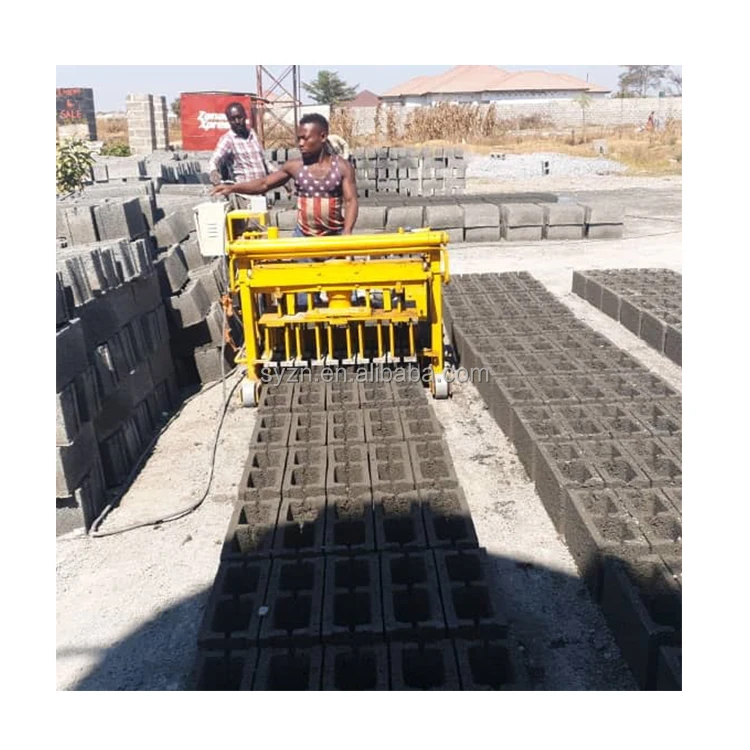
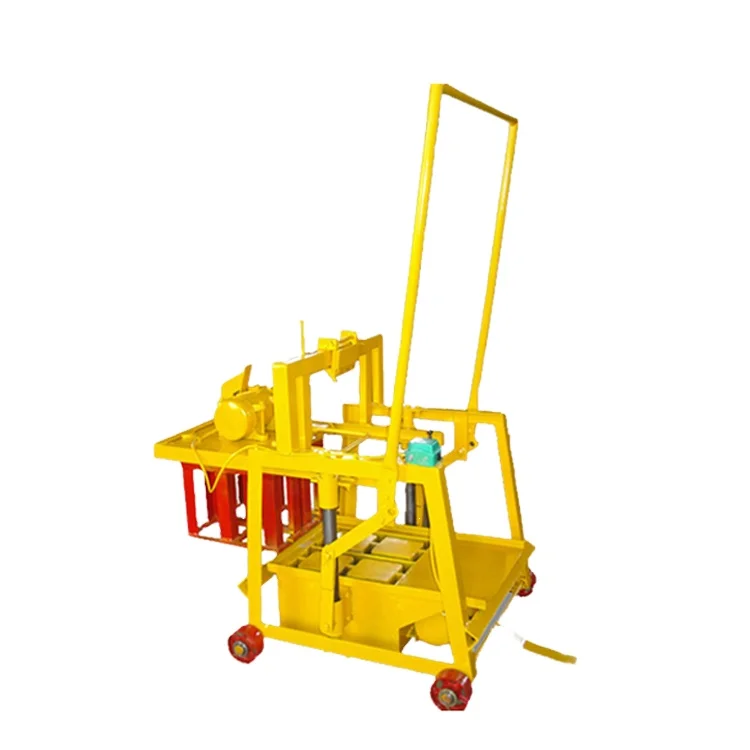
The QT8-15 sits in the mid-to-high output tier of a complete block machine range that spans automatic, semi-automatic and mobile configurations. Buyers comparing a first plant investment against an expansion line can see where this press fits in terms of footprint, power draw and automation level before committing to a tier. The 55.5 kW overall power and 8-tonne mass position it above workshop-scale machines but below the largest fully automatic lines.
Matching the Press to Your Plant Footprint
A 300 m² factory area is the baseline the QT8-15 block making machine manufacturer recommends, though this covers the press zone only. Raw material feeding, pallet return, curing racks and stacking all need additional floor space around that core. Buyers planning a complete setup should map the full line flow — from mixer discharge through to cubing — to avoid bottlenecks where the press sits idle waiting for pallets or wet blocks to clear. [NEED_CITE: typical block plant layout ratios for press area versus curing and handling zones]
Reading the Specs That Actually Shape Your Output
The 21 MPa rated pressure and 45 kN vibration force work together to determine block density and demolding strength. Higher vibration frequency alone does not guarantee a stronger block if the hydraulic pressure is insufficient to hold the mix during compaction. Platform vibration at 2800–4500 r/min covers a wide range of formats, but the optimal point within that band depends on your specific mix design and aggregate gradation. The 950×900 mm pallet size must align with whatever curing rack spacing and forklift tine width you already have on site, otherwise blocks get double-handled between pressing and curing.
The Cost of Skipping Configuration Checks
When a QT8-15 block making machine manufacturer ships a press configured for a standard sand-cement mix but the buyer’s region only supplies high-clay aggregate, the vibration parameters need retuning on arrival. Blocks come out with inconsistent density, some cracking during demolding, and the daily output drops sharply. [NEED_CITE: common causes of block density variation linked to unverified aggregate properties]. Voltage and frequency mismatches cause similar delays — the press arrives and sits unpowered until a transformer or motor swap is arranged locally.
Why Buyers Source This Tier Here
Block machinery is the sole focus of this manufacturer, so the QT8-15 is specified alongside its moulds, pallets and handling equipment as one matched system. The configuration is set against the buyer’s actual mix design and target block format, not pulled from a catalogue default. Mould design covers the formats the buyer’s market actually sells, with custom drawings available. Automation level is selectable — a buyer can start semi-automatic and add stacking or cubing modules later. Installation support includes operator training on the specific formats the line will run.
Documentation & Verification
- Line layout showing capacity per block format for the QT8-15
- Machine specification sheet with confirmed voltage and PLC language
- Mould drawing and format list matched to 950×900 mm pallet
- Hydraulic and electrical schematic for local maintenance teams
- Factory test record with photos before container loading
- Packing photographs and customs documentation support
Installation, Commissioning & Support
- Foundation pad sized to the 8300×1860 mm footprint with vibration isolation
- Dedicated power circuit for the 55.5 kW load, voltage and frequency confirmed pre-shipment
- Machine arrives dismantled for 40HQ loading; reassembly supervised on site
- PLC display language and control parameters set to operator preference before commissioning
- Operator training covers mould change procedure and daily maintenance intervals
- Wear parts list and hydraulic seal kit provided for first replacement cycle
What to Prepare Before You Request a Quote
Send the target block formats you plan to produce, the daily volume each format requires, and the raw materials available in your region including aggregate source and gradation. Confirm the voltage and frequency at your site, the PLC display language your operators need, and whether you have existing curing racks or forklifts the 950×900 mm pallet must work with. This information lets the QT8-15 block making machine manufacturer return a configuration that matches your actual conditions rather than a generic line proposal.
Frequently Asked Questions
Q: Where does the QT8-15 sit in the range — automatic, semi-automatic or mobile?
A: The QT8-15 is a stationary hydraulic press positioned in the mid-to-high output tier. It can be configured as part of a semi-automatic line with manual pallet handling or integrated into a fully automatic setup with feeding, stacking and cubing. The automation level is selectable based on your investment budget and labour availability.
Q: What plant footprint and investment level should I expect at this tier?
A: The press itself requires a 300 m² zone, but a complete line including material handling, curing and stacking needs considerably more. This tier suits buyers who have outgrown workshop-scale machines and need consistent daily volume across multiple block formats without stepping up to the largest automatic plants.
Q: Which block formats can the QT8-15 produce, and how does output vary?
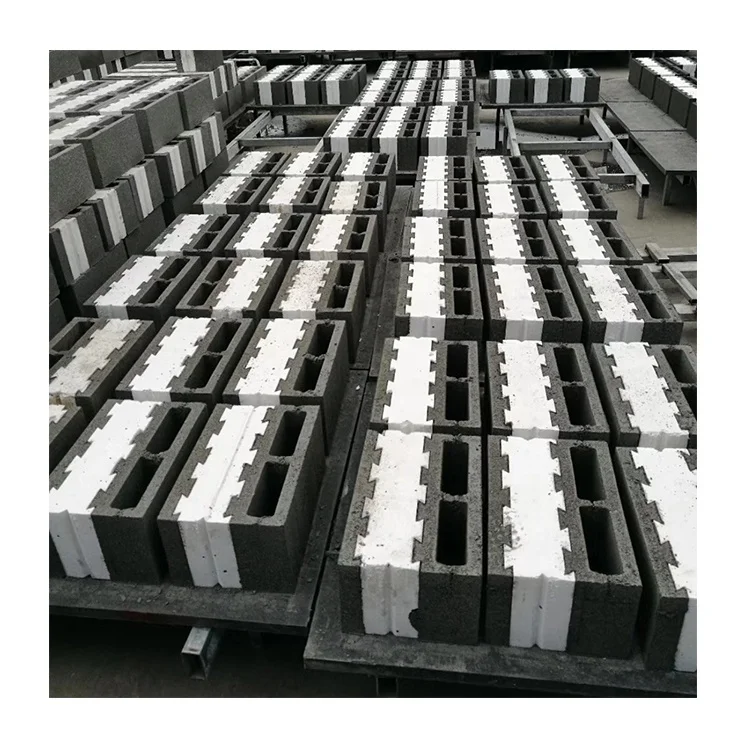
A: The press handles hollow blocks, solid blocks, pavers, interlocking bricks, kerbstones and colored pavers on a 950×900 mm pallet. Molding cycle varies by format and mix design, so realistic daily output must be calculated for each specific block type you intend to produce.
Q: Can I start with semi-automatic and upgrade the QT8-15 later?
A: Yes. The automation level is modular, so buyers can begin with semi-automatic pallet handling and add automatic stacking, cubing or batching upgrades as production volume grows. The press itself does not need replacement when you expand the line.
Q: How do I confirm voltage, frequency and control language before shipment?
A: These are confirmed during the quotation stage, before production begins. Provide your site voltage, frequency and preferred PLC display language so the QT8-15 block making machine manufacturer can set them at the factory and avoid commissioning delays on arrival.

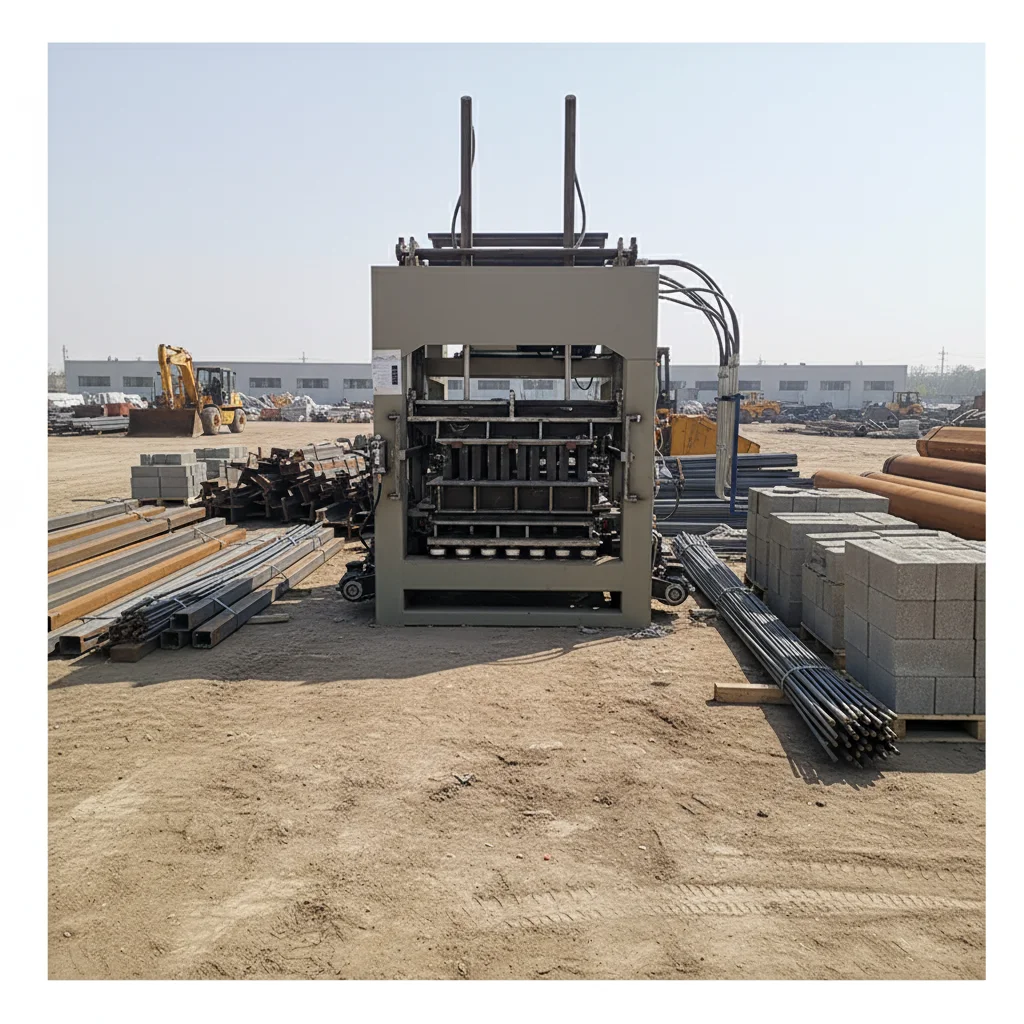
 High quality block machine