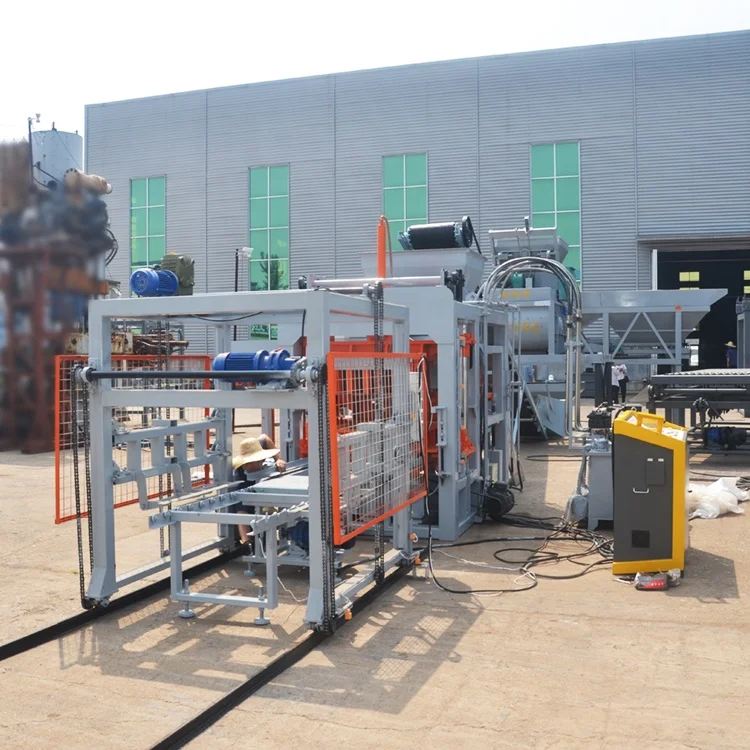
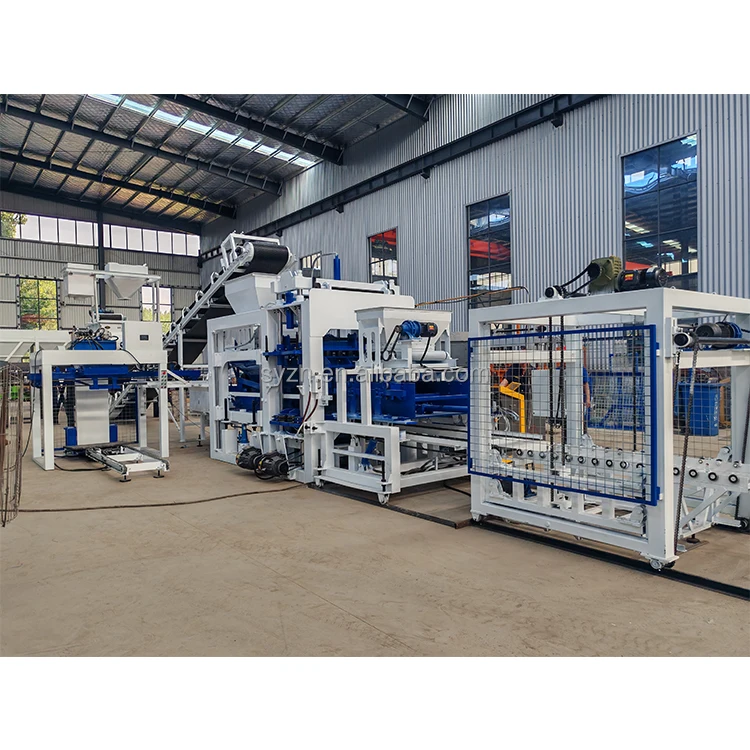
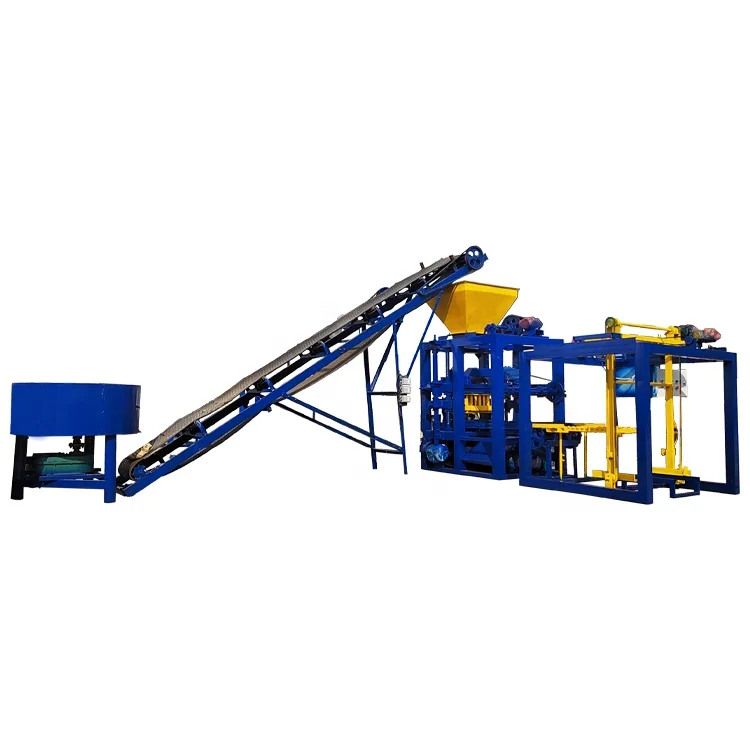
Specified as a Matched System — the QT4-15A block machine, pallet and moulds are configured together against your actual mix and format, not sourced separately and hoped to work on site.
Technical Specifications
| Parameter |
Value |
| Model |
QT4-15A |
| Product Type |
Fully Automatic Concrete Block Making Machine |
| Overall Dimensions (L×W×H) |
4100×1600×2600mm |
| Rated Pressure |
16–21 MPa |
| Vibration Form |
Platform Vibration |
| Vibration Frequency |
4200 r/min |
| Vibration Force |
55 kN |
| Pallet Size |
880×550mm |
| Molding Cycle |
25–30s (basis not stated in source) |
| Overall Power |
18.45 kW |
| Total Mass |
4 T |
| Demolding Method |
Hydraulic |
| Suggested Factory Area |
300 m² |
| Automation Level |
Fully Automatic |
| Warranty |
1 year (excluding spare parts) |
| Loading |
1×40HQ container |
Application Suitability
| Application |
Material or Output |
| Hollow block production |
Crushed stone, sand, cement, fly ash |
| Solid block manufacturing |
Gravel, slag, cement blend |
| Interlocking brick forming |
Sand-cement mix with fine aggregate |
| Paver and colored paver runs |
Cement, dust, fine sand with pigment |
| Curbstone production |
Coarse aggregate with higher cement content |
| On-site contractor output |
Locally available stone and sand |
Why "Pieces per Hour" Without a Format Is Meaningless
A cycle time only tells you what you can produce when the block format is named.
Many quotations for a fully automatic concrete block making machine manufacturer quote a single cycles-per-hour figure that sounds impressive until you ask which block size it assumes. The QT4-15A shows a 25–30 second molding cycle, but a standard hollow block, a thin paving stone and a heavy curbstone each demand different pressure profiles and dwell times inside that window. When the format is not stated, the daily output you plan your business around can fall far short of what the machine actually delivers on your product. [NEED_CITE: block format assumptions in capacity quotations].
Placing the QT4-15A on the Full Range
This fully automatic concrete block making machine manufacturer positions the QT4-15A in the mid-tier automatic segment, between entry-level semi-automatic presses and high-capacity lines built for large plants. For a first-time block plant entrepreneur, it offers a footprint that fits inside a 300 m² facility while still delivering hydraulic demolding and platform vibration that semi-automatic machines cannot match. The investment sits where a growing operation can justify full automation without committing to the infrastructure a high-capacity line demands.
Where the Range Helps You Decide
Buyers evaluating their first purchase often do not yet know whether they need the flexibility of multiple formats or the throughput of a single-format dedicated line. The QT4-15A covers hollow, solid, interlocking, paver and curbstone formats on one press, so a buyer testing market demand can run several products before locking in a production focus. For existing concrete product manufacturers, the machine fills a gap when adding paver or interlocking formats to a current range without replacing the primary line. [NEED_CITE: block format diversification strategies in emerging markets].
Reading the Numbers That Actually Matter on Site
The 55 kN vibration force working at 4200 r/min through platform vibration is what determines whether the block leaves the press with consistent density from top to bottom. Hydraulic pressure between 16 and 21 MPa compresses the mix while vibration settles fines into the voids — if the ratio is wrong for your local aggregate, blocks crack during curing or fail a drop test. The 880×550mm pallet size must match your curing rack spacing and the forks on your existing forklift, not a generic dimension chosen at the factory.

The Cost of Ignoring Pallet and Mix Matching
When a pallet size is selected without checking the buyer’s curing area, pallets pile up on the floor because they do not fit the racks, and blocks cure unevenly in direct sun. When the machine is configured for a river-sand mix but the buyer’s local material is volcanic aggregate, the vibration force that works in the factory test produces weak blocks on site, and weeks are lost re-tuning pressure and cycle time. These problems do not show up in the quotation — they show up after commissioning, when the machine is already bolted down and the buyer is behind on delivery commitments. [NEED_CITE: aggregate variation effects on block strength].
Why Procurement Here Reduces Configuration Risk
Block machinery is the single production focus, so the QT4-15A press, its moulds, pallets and handling equipment are specified as one system rather than assembled from separate suppliers with mismatched cycle times. Configuration is set against your actual mix design, local aggregate and the block formats your market sells, not a catalogue default shipped to every country unchanged. Mould design covers the formats you confirm, including custom drawings when your market needs a dimension that standard mould lists do not carry. Automation level is selectable, so a buyer can begin with semi-automatic pallet handling and add stacking or cubing later as volume justifies it. [NEED_CITE: matched-system block line engineering].
Documentation & Verification
- Line layout showing capacity per block format for the QT4-15A
- Mould drawing and format list matched to your target market
- Pallet specification tied to your curing rack dimensions
- Voltage, frequency and PLC display language confirmed pre-production
- Factory test record using your stated mix design
- Operation and maintenance manual with wear parts list
Installation, Commissioning & Support
- Foundation plan reflecting 4100×1600mm footprint and 4 T mass
- Power supply confirmation at 18.45 kW with dedicated circuit
- Container loading plan for 1×40HQ shipment and reassembly sequence
- On-site commissioning with hydraulic pressure and vibration tuning
- Operator training covering mould change and daily maintenance
- Wear parts list with reorder schedule for hydraulic seals and vibration components
What to Include in Your Inquiry
Share the block formats your market currently demands and the daily volume you are targeting for each. Confirm your local aggregate type and the cement you source, so the configuration accounts for your actual mix rather than a test material. State the voltage, frequency and preferred control language at your site, along with your available factory area and ceiling height.
Frequently Asked Questions
Q: How is output capacity calculated, and which block format is assumed?
A: The 25–30 second molding cycle varies depending on block format, thickness and material. Capacity is calculated per format — a hollow block requires a longer cycle than a thin paver. Before quotation, we state the output assumption for each product you plan to run, so your daily production target is based on your actual mix and format, not a generic figure.
Q: Where does the QT4-15A sit between semi-automatic and high-capacity lines?
A: It occupies the mid-tier fully automatic position, offering hydraulic demolding and platform vibration in a 300 m² footprint. Buyers who have outgrown semi-automatic presses but are not yet ready for a high-capacity line choose this tier to gain consistent block quality without the larger factory space and higher utility load a top-tier system requires.
Q: Can I start with the QT4-15A and add formats or automation later?
A: Yes. Moulds can be added as your market demands new formats, and automation components such as automatic stacking or cubing can be integrated after the initial installation. The pallet size and press frame remain the same, so later additions do not require replacing the core machine.
Q: How do I confirm voltage, frequency and control language before shipment?
A: These are confirmed during the proposal stage before production begins. You provide your site voltage, frequency and preferred PLC display language, and they are written into the specification sheet so the machine arrives ready for commissioning without electrical modifications or control-panel relabeling.
Q: What factory space and utilities does the QT4-15A need compared to larger tiers?
A: The machine itself measures 4100×1600×2600mm and is designed for a facility around 300 m² including raw material storage, pressing, curing and finished block staging. Larger high-capacity tiers require significantly more floor area and higher electrical capacity, so the QT4-15A fits mid-size plants where space and utility supply are limited.

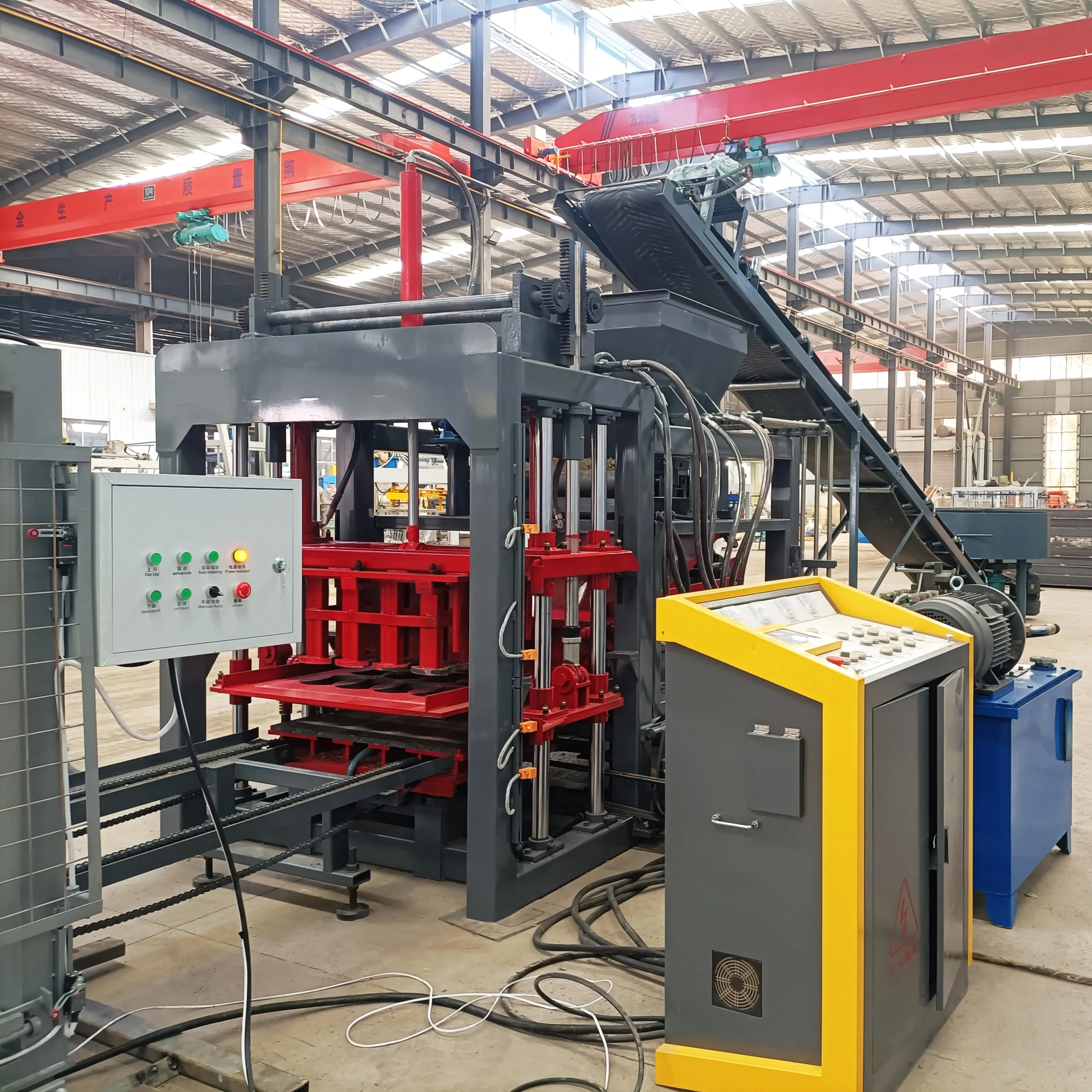
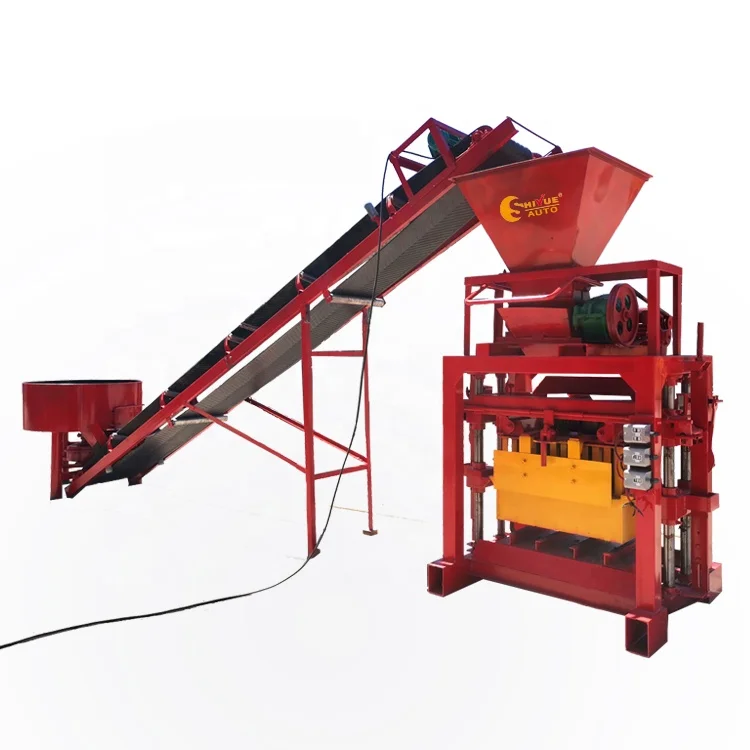 High quality block machine