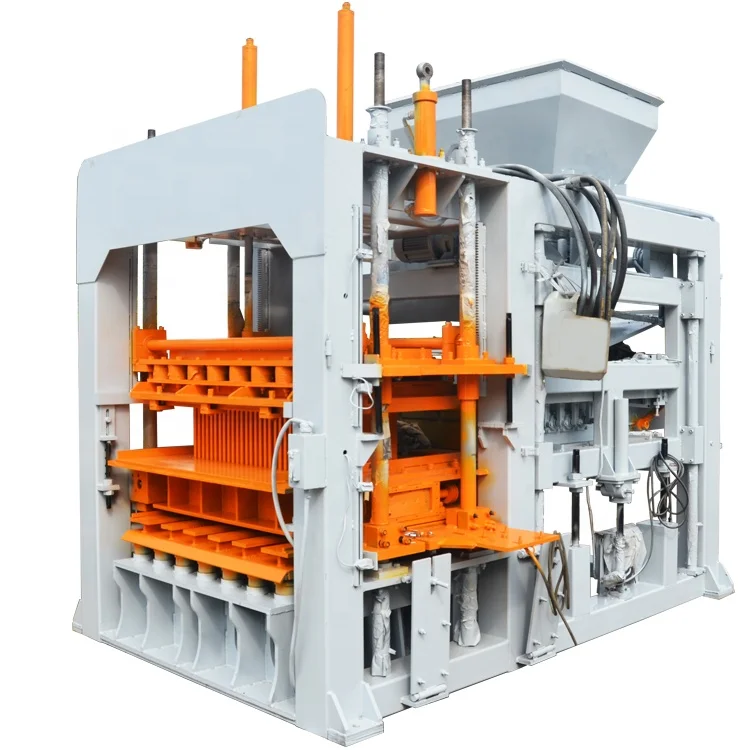
Matched System Specification — The QT10-15 is engineered as a complete production unit where the block machine, hydraulic station, pallet feed, and material handling are balanced to the buyer’s actual block format and local aggregate, preventing the mismatched throughput gaps common when sourcing components individually.
Technical Specifications
| Parameter |
Value |
| Model |
QT10-15 |
| Product Type |
Automatic Cement Block Making Machine |
| Control System |
PLC control cabinet |
| Hydraulic System |
Independent integrated hydraulic station |
| Vibration Mode |
Vertical station mode resonance, automatic FM-AM |
| Cycle Time (400×200×200mm hollow block) |
15-20s |
| Output (400×200×200mm, 10 pcs/mould) |
1800-2400 pcs/hour, 14400-19200 pcs/8hr shift |
| Cycle Time (240×115×53mm solid brick) |
15-20s |
| Output (240×115×53mm, 62 pcs/mould) |
8928-11160 pcs/hour, 71424-89280 pcs/8hr shift |
| Cycle Time (200×100×60mm paver) |
20-25s |
| Output (200×100×60mm, 27 pcs/mould) |
5184-6480 pcs/hour, 41472-51840 pcs/8hr shift |
| Automation Level |
Automatic |
| Components Included |
Pallet feed machine, block making machine, storage hopper, conveyor, hydraulic unit, PLC control cabinet |
| Mould Change |
Simple replacement of mould for multi-format production |
| Voltage & Frequency |
Configurable to local grid (basis to be confirmed) |
| Pallet Size |
Configurable based on block format and curing area (basis to be confirmed) |
| Warranty |
1 year for whole machine (excluding spare parts) |
Application Suitability
| Application Scenario |
Material or Output Focus |
| High-capacity hollow block plant |
400×200×200mm multi-cellular blocks for structural walls |
| Paving and landscaping supply |
200×100×60mm and 225×112.5×60mm interlocking pavers |
| Solid brick manufacturing |
240×115×53mm standard bricks for load-bearing construction |
| On-site project production |
Volume output for housing developments and infrastructure contractors |
| Format diversification |
Switching existing plants to new brick and paver profiles via mould replacement |
Why Cycle Time Must Be Tied to Block Format
A machine rated for 15-second cycles on a lightweight paver will not hold that pace on a dense hollow block without sacrificing compaction.
When evaluating an automatic cement block making machine manufacturer, buyers often see a single peak output figure that ignores the physical reality of different block geometries. A 400mm hollow block requires longer vibration and higher hydraulic pressure to consolidate the core walls than a thin solid brick. [NEED_CITE: relationship between vibration frequency and concrete mix density]. If the cycle time is forced shorter to meet a quoted capacity, the block density drops, leading to breakage during pallet handling or curing. The QT10-15 vertical station mode resonance adjusts the frequency and amplitude automatically, allowing the machine to maintain consistent compaction across the format list rather than forcing a compromise on the most demanding block.

Positioning the QT10-15 Within the Full Machine Range
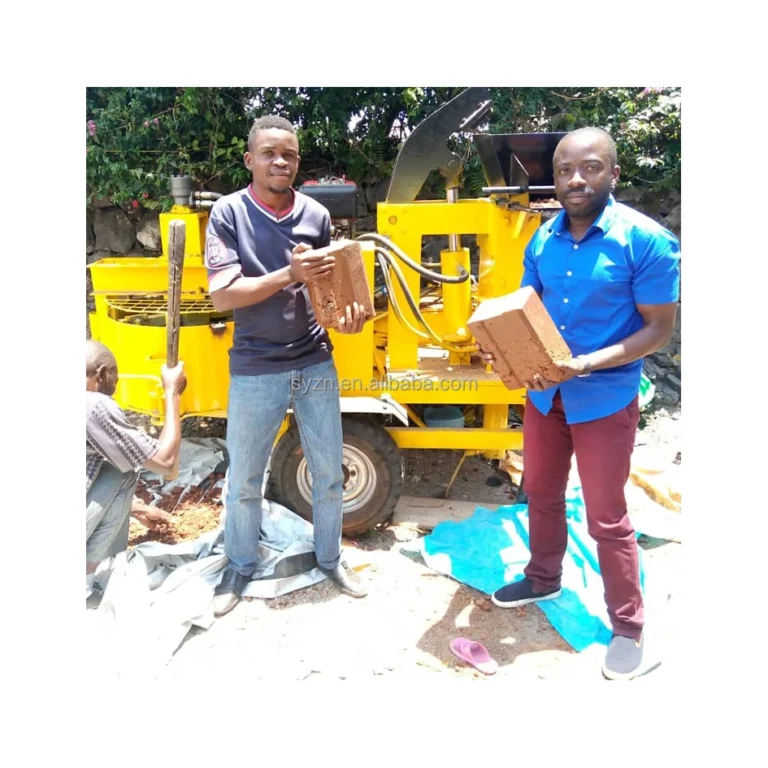
The Shiyue range covers everything from mobile egg-laying units to this high-capacity automatic tier. The QT10-15 sits at the upper end of the stationary plant lineup, requiring a fixed foundation and dedicated curing space that smaller semi-automatic models do not demand. Buyers moving from a manual pallet handling setup will find the automated pallet feed and block stacking on this model removes the most labor-intensive steps from the shift.
Comparing Investment and Footprint Across Output Tiers
Before committing to the QT10-15 footprint, a buyer must weigh the daily volume requirement against the capital outlay of a fully automatic line. Smaller workshops often start with a semi-automatic machine where pallets are moved by hand, keeping the initial investment lower while the market is developed. [NEED_CITE: typical block plant capital requirements by automation tier]. The QT10-15 is specified for buyers who have already secured a consistent demand for multiple formats and need the output stability that only an automatic cement block making machine manufacturer can provide through integrated line design.
How Hydraulic Isolation and Vibration Dictate Block Quality
The independent integrated hydraulic station is mounted to isolate the hydraulic valves from the host vibration and the dust generated during the mixing and pressing phases. In block making, the hydraulic pressure and vibration force must be matched to the specific mix design; if the vibration is too high for a dry mix, the block crumbles, but if the pressure is insufficient for a stiff mix, the block lacks structural integrity. The vertical resonance system on the QT10-15 uses automatic FM-AM to tune the vibration to the mould cavity, ensuring the concrete fills the corners of a complex paver profile just as effectively as a simple hollow block. This tuning capability is what allows a single machine to produce both high-strength structural units and decorative pavers without changing the core mechanical setup.
The Cost of Ignoring Pallet and Handling Integration
A frequent failure point in block plant setup is specifying the press without confirming the pallet size against the existing curing racks and forklifts. If the QT10-15 is configured with a pallet dimension that does not match the buyer’s curing area, the entire downstream process bottlenecks, leaving finished blocks stacked on the factory floor. [NEED_CITE: pallet handling logistics in concrete block production]. Furthermore, if the voltage and PLC display language are not confirmed before the machine leaves the factory, the commissioning phase can stall for weeks while control components are sourced locally, turning a high-capacity asset into a dormant liability.
Why the Complete Line Matters More Than the Press Alone
Shiyue approaches the QT10-15 not as a standalone press but as the center of a coordinated material flow. The raw material feeding, mixing, and pallet handling are specified to match the press cycle time, ensuring the machine is never left waiting for a pallet or a batch of concrete. The mould design is developed against the buyer’s specific market requirements, including custom drawings for formats not found in a standard catalog. Configuration is set against the buyer’s actual local aggregate and mix design, preventing the situation where a machine arrives configured for a sand type that cannot be sourced in the target region.
Documentation & Verification
- Line layout and capacity calculation stating the specific block format assumed for each output tier
- Machine specification sheet confirming pallet size, hydraulic pressure, and vibration force ratings
- Mould drawing and format list covering every block profile required by the local market
- Voltage, frequency, and PLC display language confirmation document signed before production
- Factory test record demonstrating cycle time and block density against the buyer’s provided mix design
- Packing photographs and customs documentation support for international shipment
Installation, Commissioning & Support
- Foundation requirements and floor loading data specific to the QT10-15 weight and vibration footprint
- Electrical schematic and dedicated circuit requirements for the independent hydraulic station and PLC cabinet
- On-site assembly of the pallet feed machine, conveyor, and storage hopper to match the plant layout
- Initial parameter setting for vibration force and cycle time based on the local aggregate and cement type
- Operator training covering mould change procedures, PLC fault diagnosis, and daily hydraulic system checks
- Wear parts list and mould maintenance schedule provided at handover to ensure long-term format flexibility
Preparing Your Project Data for an Accurate Proposal
To receive a configuration that matches your site conditions, we need the target block formats, the specific dimensions you sell, and the local aggregate type you intend to use. Please provide your available workshop dimensions, curing area layout, and the local voltage and frequency standards. This data allows us to calculate the realistic daily output and specify the pallet handling system to match your existing infrastructure.
Frequently Asked Questions
Q: How is the QT10-15 output verified for different block formats?
A: Capacity is never quoted as a single number. We provide a line layout document that states the cycle time and output per hour for every block format in your production list, based on the specific mould cavity count and the vibration parameters required for that block’s density.
Q: Where does the QT10-15 fit compared to semi-automatic options?
A: The QT10-15 is a high-capacity automatic tier requiring a fixed plant, dedicated curing racks, and automated pallet handling. It is specified for buyers who need high daily volume across multiple formats, whereas semi-automatic models are suited for lower investment and smaller site footprints.
Q: How is the machine configured for my local power grid and language?
A: Voltage, frequency, and PLC display language are confirmed in writing before the machine enters production. This ensures the control cabinet and hydraulic station motors are built to match your local electrical standards, preventing delays during on-site commissioning.
Q: Are the pallets and handling equipment included in the system design?
A: Yes. The QT10-15 is specified as a matched system. We select the pallet size and material based on your block format and curing area, and we integrate the pallet feed and stacking equipment so the press cycle is not interrupted by manual handling bottlenecks.

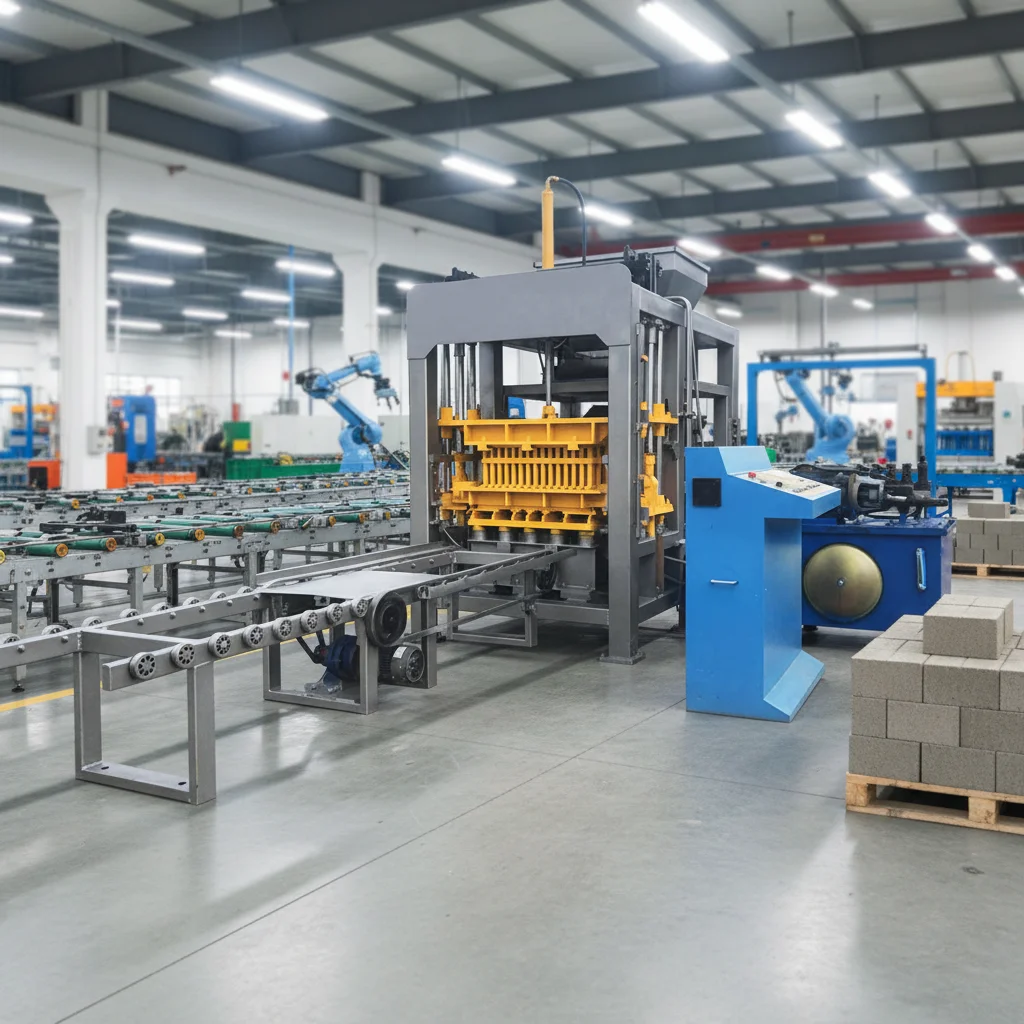
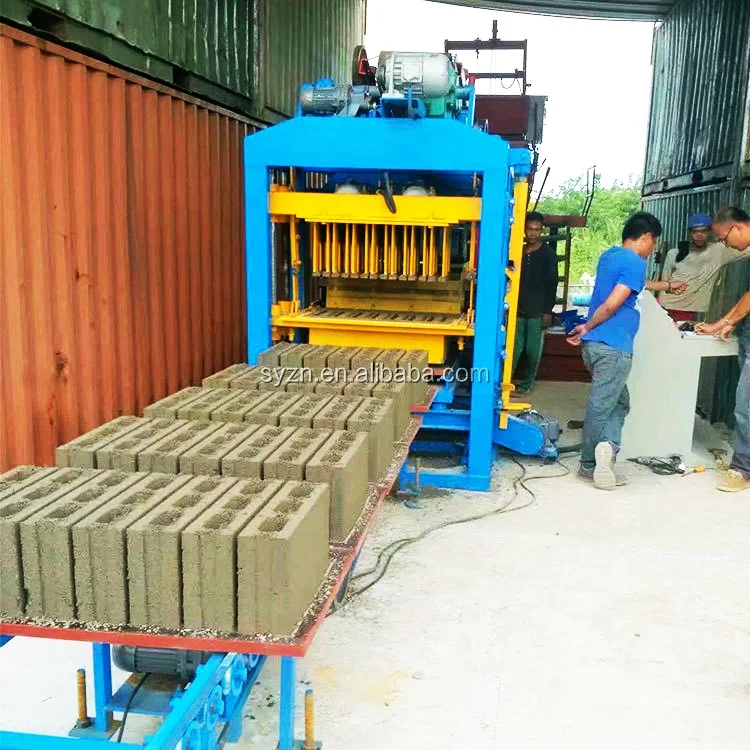 High quality block machine