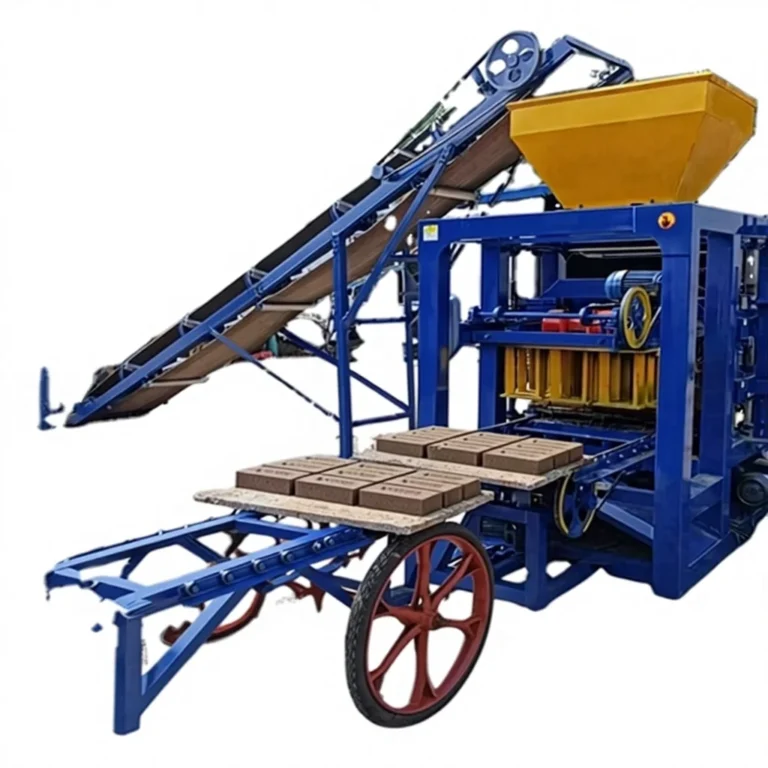
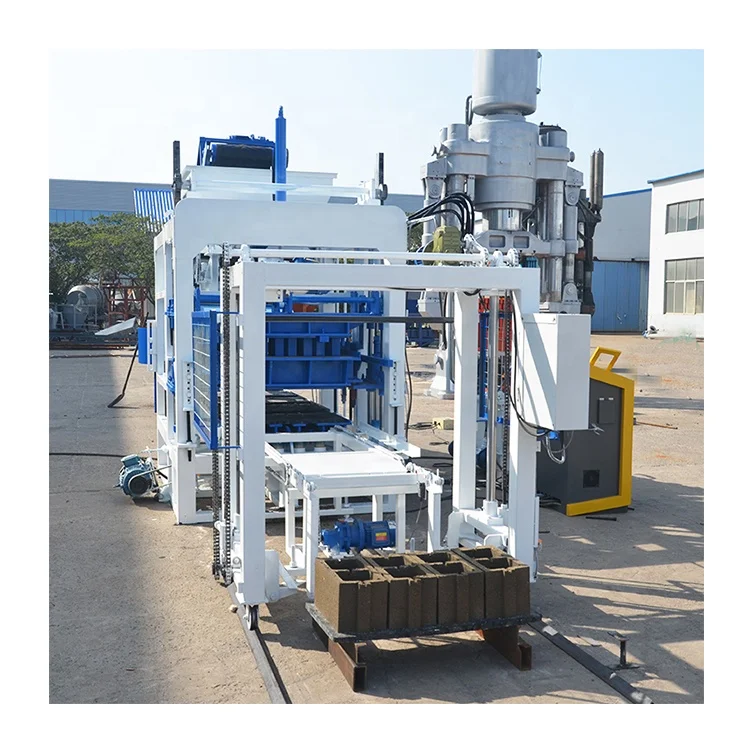
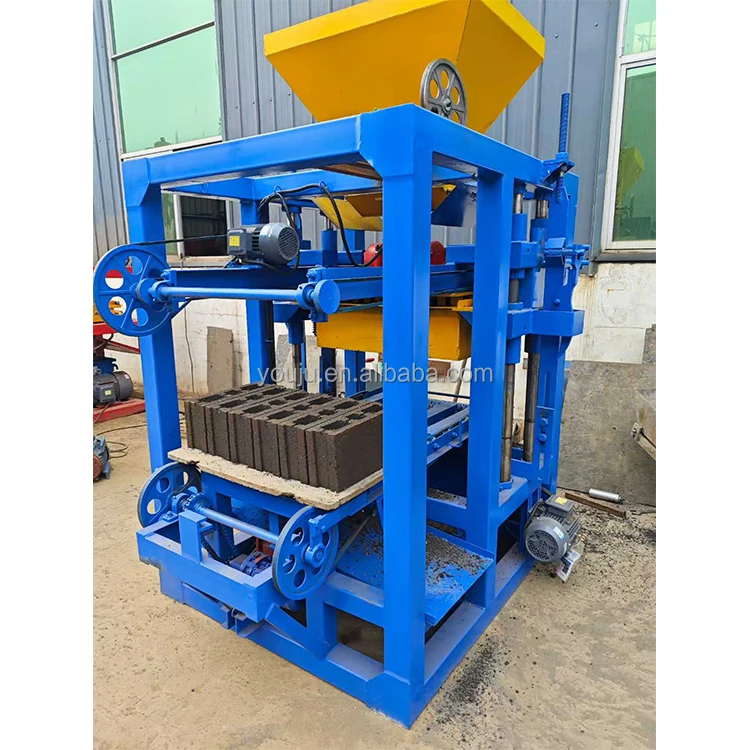
Matched System Configuration — The QT10-15 press, mould, pallet, batching and stacking stations are specified together against your block format so the line runs as one unit instead of separate machines waiting on each other.
Technical Specifications
| Parameter |
Value |
| Model |
QT10-15 |
| Product Type |
Stationary Automatic Block Making Machine |
| Host Machine Dimensions (L×W×H) |
5870 × 2220 × 2850 mm |
| Host Machine Weight |
12 Tons |
| Molding Area |
1100 × 900 mm |
| Pallet Size |
1100 × 900 × 30 mm |
| Host Machine Power |
57 kW |
| Vibration Force |
100 kN |
| Vibration Method |
Hydraulic + Platform Vibration |
| Vibration Frequency |
2800–4500 Times/Minute |
| Control System |
Original Siemens PLC with touch screen |
| Motor |
Germany SIEMENS or CE standard brand |
| Travel Switch |
France Schneider and Japan Omron |
| Automation Level |
Fully automatic with pallet feeder, brick receiver, hydraulic station, stacker |
| Stacker Model |
SY-8, 3 kW, mobile pallet stack, weight 600 kg |
| Batching Machine |
PLD1200, weigh-batching hopper 1200 L, theoretical productivity 56 m³/h |
| Concrete Mixer |
JS750, charging volume 1200 L, discharging volume 750 L, production capacity 35 m³/h |
| Voltage |
220 / 380 / 415 / 440 V (Customized) |
| Molding Period |
15 Seconds (basis not stated in source — confirm block format / material / thickness) |
| Mould Heat Treatment |
Carburizing treatment, hardness 54–58 HRC, lifespan >100,000 cycles |
Application Suitability
| Application |
Material or Output |
| Hollow block production |
Crushed stone, sand, cement, fly ash aggregates for structural and partition walls |
| Solid block production |
Dense aggregate mixes for load-bearing masonry and foundation work |
| Paving block / paver production |
Fine aggregate and cement blends, color feeding system available for surface layers |
| Interlocking brick production |
Dry or semi-dry mix designs for mortarless retaining and landscape walls |
Why "15 Seconds per Cycle" Means Nothing Without the Block Format
A cycle time only predicts daily output when it is tied to the exact block format, wall thickness and mix design the buyer actually runs.
Catalogue sheets frequently quote a moulding period based on the smallest, lightest block the machine can press. When the same machine runs a heavier 400×200×200 mm hollow block, the hydraulic fill time, vibration duration and demoulding lift all extend, and the real cycles per hour drop noticeably. Buyers who size their plant on the headline number then find they cannot meet their block supply contracts during the first month of production. An automatic block making machine manufacturer that stands behind its capacity figures will always state the format assumed, so your line layout and shift plan are built on a verifiable baseline [NEED_CITE: block machine cycle time calculation standards in concrete product manufacturing].

Where the QT10-15 Sits in the Stationary Range
The QT10-15 occupies the high-capacity tier of our stationary automatic block making machine lineup, designed for production plants that need to run multiple formats across long shifts. Smaller semi-automatic models suit lower-investment starts, while this tier pairs the press with a PLD1200 batching station and JS750 mixer so raw material delivery keeps pace with the 1100 × 900 mm molding area.
How the Supporting Equipment Keeps the Press Running
A block press that sits idle waiting for mixed concrete or empty pallets loses output regardless of its cycle speed. The integrated pallet feeder, brick receiver and SY-8 mobile stacker are matched to the QT10-15 host timing so wet blocks are cleared from the press table before the next mould drop arrives. This line-level coordination removes the bottleneck that commonly appears when stations are sourced separately [NEED_CITE: block production line synchronization and press idle time].
Reading the Specifications Beyond the Headline Numbers
The 100 kN vibration force working together with hydraulic pressure determines the density and compressive strength of every block the QT10-15 produces. Vibration frequency adjustable from 2800 to 4500 cycles per minute allows the operator to match the energy input to the aggregate size and moisture content of the local mix, which varies between river sand and crushed stone sources. Pallet dimensions of 1100 × 900 × 30 mm must be checked against your existing curing racks and forklift capacity before the order is confirmed, because a mismatched pallet forces you to rebuild the curing area after arrival. The Siemens PLC with touch screen controls batching accuracy and vibration timing from a single interface, reducing the operator decisions that cause batch-to-batch density variation.
The Hidden Cost of Leaving Spare Parts off the Original Order
I spent years running after-sales service across Latin America and watched production lines sit idle for weeks because the hydraulic seals and vibrator bearings were not included in the initial shipment. When a mould wears or a travel switch fails on a remote job site, the two-week wait for an air-freighted part means the entire crew is on payroll with no blocks to sell. Every QT10-15 contract we write now lists the hydraulic wear parts, vibration motor spares and Schneider travel switches that should land in the container alongside the machine [NEED_CITE: typical block machine spare parts consumption during first year of operation].
What Makes Sourcing the Full Line from One Point Different
Block machinery is our single focus, so the press, mould, pallet and stacking equipment are engineered as one matched system rather than assembled from unrelated suppliers. Configuration starts from your target block format, local aggregate and mix design instead of a default catalogue setting. Moulds are designed for the formats your market actually sells, including custom drawings to your specifications. The automation level is selectable, letting a buyer begin with semi-automatic pallet handling and move toward full stacking and cubing as the plant grows. Installation and commissioning support includes operator training on the Siemens PLC interface.
Documentation & Verification
- Line layout and capacity calculation stating the block format assumed for the 15-second cycle time
- Machine specification sheet with hydraulic and electrical schematics for the 57 kW host power system
- Mould drawing and format list covering hollow, solid, paving and interlocking brick options
- Pallet specification confirming 1100 × 900 × 30 mm dimensions against your curing area layout
- Voltage and PLC display language confirmation signed before production begins
- Factory test record showing the QT10-15 running your specified mould format before dispatch
Installation, Commissioning & Support
- Foundation plan sized for the 5870 × 2220 mm host footprint and 12-ton operating weight
- Dedicated electrical circuit confirmed for your 220 / 380 / 415 / 440 V supply and 57 kW load
- Machine dismantled for container loading and reassembled on-site with alignment verification
- First-run parameter setting on the Siemens PLC touch screen for your chosen block format
- Operator training covering mould change procedure and vibration frequency adjustment
- Hydraulic seal kit and travel switch spares included in the initial shipment
What We Need to Size the Line Correctly
Before we draft the layout and quotation, share the block formats your market demands, the daily volume each format must reach, and the local aggregate sources available near your plant. Tell us the curing area dimensions you have planned so we can confirm the 1100 × 900 mm pallet will fit your racks, and specify the voltage and frequency at the site so the motor and PLC ship configured for immediate commissioning.
Frequently Asked Questions
Q: How is the QT10-15 daily output calculated, and which block format is assumed in the cycle time?
A: The 15-second cycle time is a baseline that must be measured against a specific block format, wall thickness and mix design to produce a realistic daily figure. We provide a capacity calculation that names the exact block assumed, so your shift planning matches actual output rather than a catalogue estimate.
Q: Where does the QT10-15 sit in the range compared to semi-automatic or smaller automatic tiers?
A: This model occupies the high-capacity end of our stationary range, paired with full batching, mixing and stacking support. Smaller tiers suit lower-investment starts and can be expanded later, while the QT10-15 serves plants targeting continuous multi-format production at volume.
Q: How are voltage, frequency and PLC language confirmed before shipment?
A: We require written confirmation of your site supply and preferred operator language before the motor and Siemens PLC are configured. This step prevents commissioning delays that occur when equipment arrives set to a voltage or display language that does not match the local grid.
Q: What mould formats are available, and can custom moulds be designed to my drawings?
A: Standard hollow, solid, paving and interlocking brick moulds are available for the 1100 × 900 mm molding area. Custom moulds are designed to buyer drawings, and each mould receives carburizing treatment to 54–58 HRC for service life beyond 100,000 cycles.
Q: What automation level does the QT10-15 ship with, and is there an upgrade path for stacking and cubing?
A: The standard configuration includes automatic pallet feeding, brick receiving and the SY-8 mobile stacker. Buyers can begin with this level and add cubing or higher automation stations as production volume grows and shift patterns change.

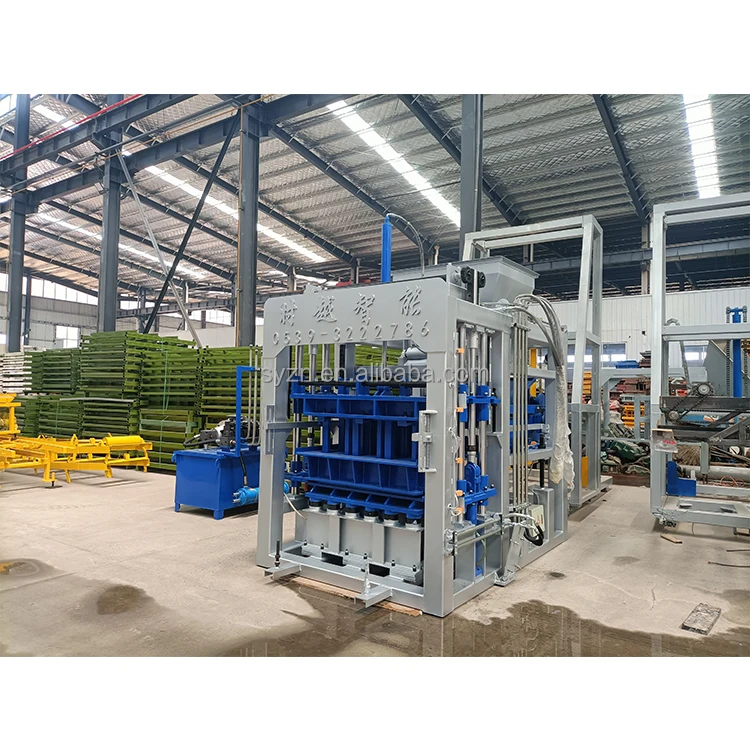
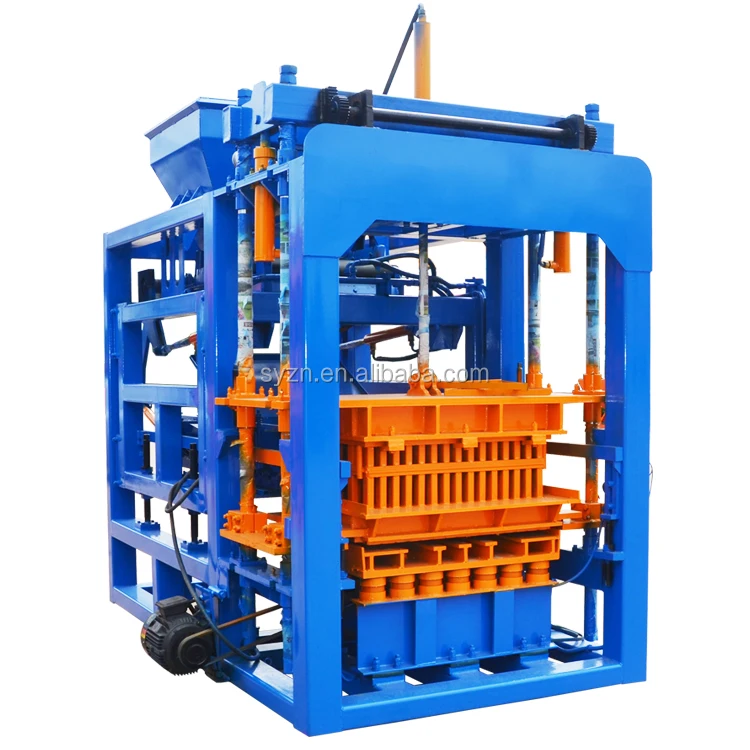 Stationary block machine