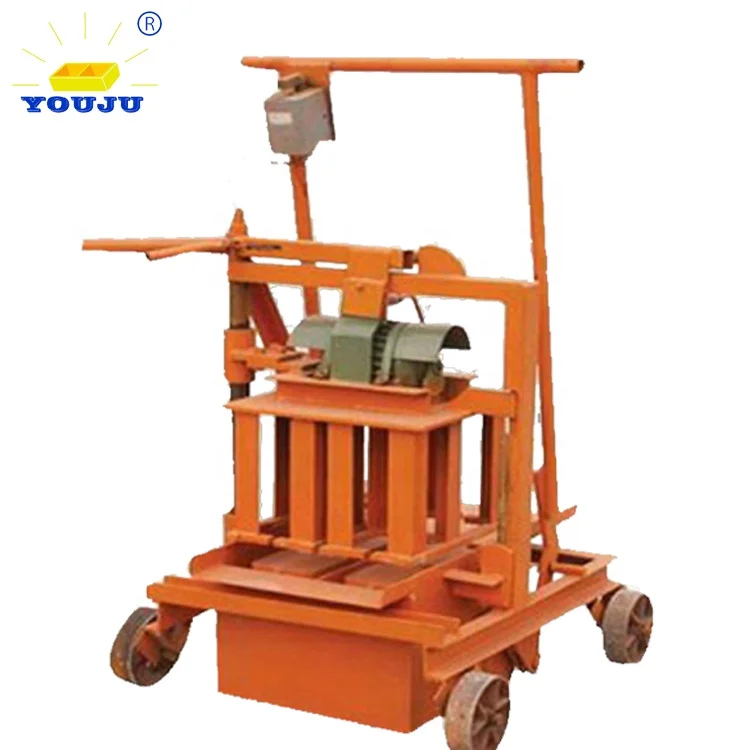
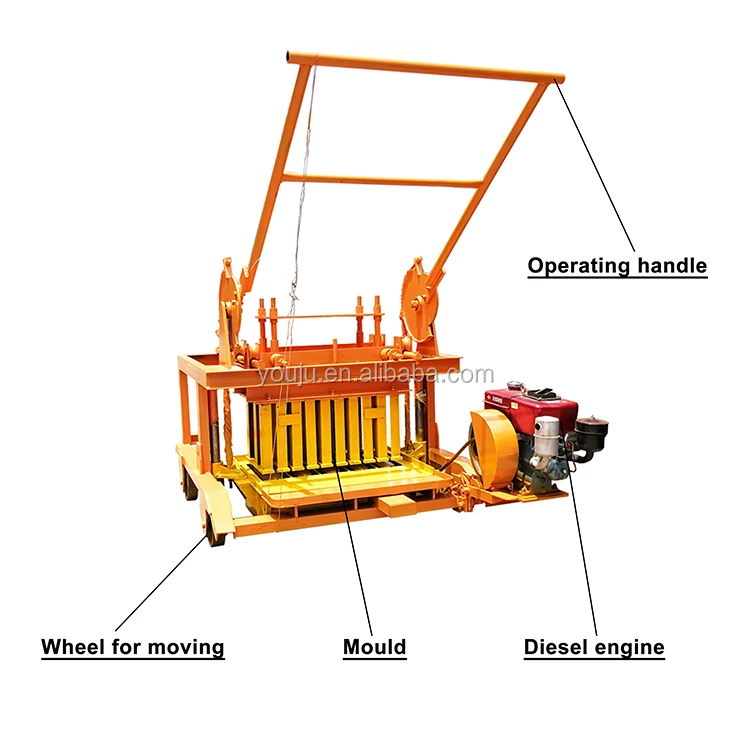
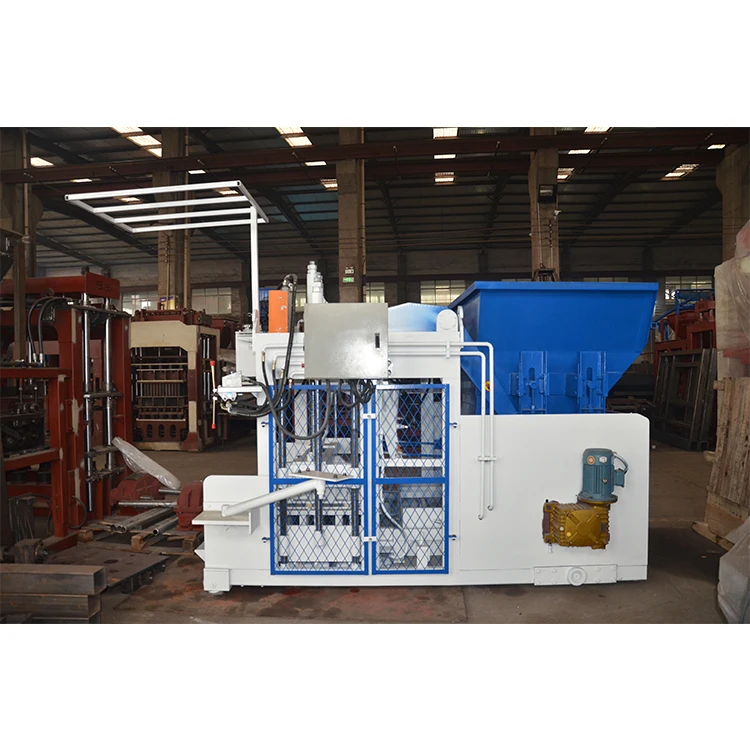
Specified As One Matched System — The QMY12-15 mobile block making machine is configured against the buyer’s actual aggregate, target hollow block format, and curing area, not selected from a catalogue default.
Technical Specifications
| Parameter |
Value |
| Model |
QMY12-15 |
| Product Type |
Mobile Hollow Block Making Machine |
| Pressure Type |
Hydraulic |
| Vibration System |
Twice-vibration of molding core |
| Overall Dimensions (L×W×H) |
3250 × 2100 × 2300 mm |
| Rated Power |
16 kW |
| Motor Brand |
Siemens |
| Net Weight |
4500–4600 kg |
| Pallet Requirement |
None (egg-laying type) |
| Cycle Time |
10–15 s per mould |
| Output Capacity |
12,000–13,000 pcs/day (basis not stated in source — confirm block format and material) |
| Mould Format Options |
400×200×200 mm (12 pcs/mould); 400×150×200 mm; 400×100×200 mm |
| Workers Required |
2–3 |
| Standards |
ISO 9001:2008, SGS, CE |
Application Suitability
| Application |
Material or Output |
| On-site hollow block production |
Cement, sand, and crushed stone aggregate at construction sites |
| Solid block manufacturing for local building projects |
Fly ash blends and locally sourced river sand |
| Entrepreneur-led first block operation |
Standard concrete mix with minimal curing infrastructure |
| Multi-site contractor production |
Variable aggregate grades across project locations |
What "12,000 Pieces Per Day" Actually Means
A capacity figure without a block format attached is meaningless for planning your shift.
Many mobile block machine quotations list a single daily output number that assumes an ideal format, perfect material flow, and uninterrupted operation. In practice, a 400×200×200 mm hollow block cycles differently than a 400×100×200 mm solid block, and local aggregate with high clay content slows compaction noticeably. One contractor I visited in West Africa saw output drop significantly because the sand source contained fines that the vibration system could not consolidate properly [NEED_CITE: impact of aggregate fines on block compaction cycle time]. Before comparing any mobile block making machine for sale, ask which exact block format and mix design the quoted capacity assumes.

Where the QMY12-15 Sits Across the Mobile Range
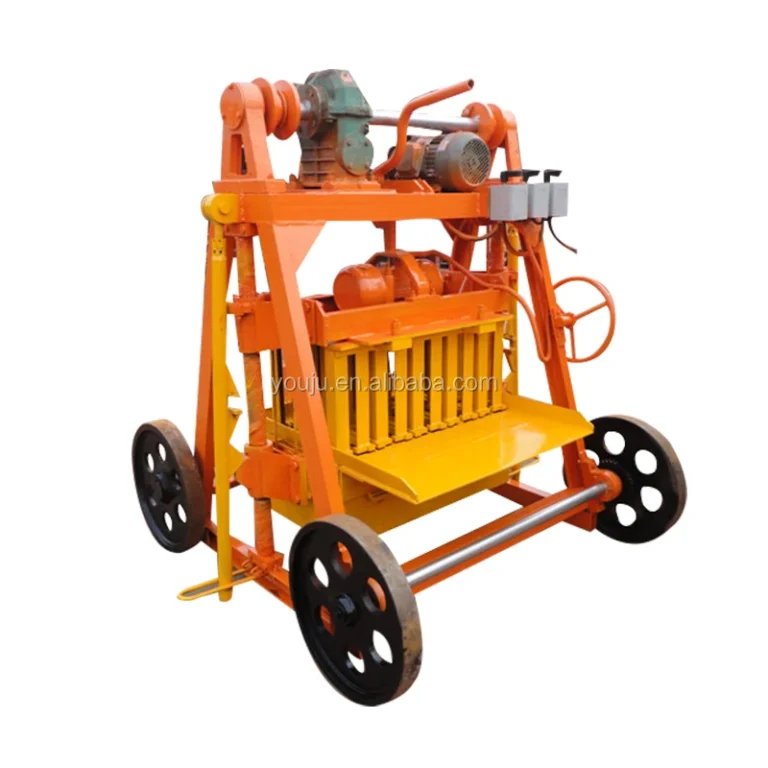
Buyers surveying options for a first or replacement machine need to understand how output tiers, investment level, and plant footprint differ across the mobile block machine range. The QMY12-15 occupies the mid-to-upper tier, delivering hydraulic pressure and twice-vibration molding in a pallet-free egg-laying format. Compared to smaller mobile units that rely on manual pushing and single-vibration cores, this model handles larger mould formats and sustains a shorter cycle time across a full shift.
Pallet-Free Operation and What It Removes from Your Site
An egg-laying mobile block making machine for sale eliminates the need for production pallets entirely — the machine lays blocks directly onto a prepared concrete floor and moves forward for the next cycle. This removes pallet purchase cost, pallet storage space, and the labor of cycling pallets through a curing rack. For contractors who already have a flat cement working area, the QMY12-15 slots in without additional handling infrastructure [NEED_CITE: pallet-free block production site preparation requirements].
Reading the Specs That Shape Your Daily Output
The rated power of 16 kW drives both the hydraulic pump and the vibration motor simultaneously, which matters because under-powered systems lose pressure mid-cycle and produce blocks with uneven density. The twice-vibration molding core applies vibration from two points rather than one, compacting the concrete mix more evenly across the mould cavity — this directly affects block wall thickness consistency and compressive strength. The hydraulic pressure system, paired with the Siemens motor, maintains forming force throughout the shift without the thermal drop-off that affects smaller motors. At 3250 × 2100 × 2300 mm overall dimensions, the QMY12-15 fits within existing site boundaries without requiring a dedicated plant structure, though the floor surface must be level concrete to ensure block dimensional accuracy.
The Hidden Cost of Skipping Configuration Questions
When voltage and frequency are not confirmed before production, the machine arrives on site and cannot run until a transformer is sourced or the motor is rewound. When the mould format does not match what the local market actually buys, the buyer either operates at a loss or commissions a new mould set months later. I have seen projects stall for weeks because the PLC display language was not specified, leaving operators unable to read fault codes during commissioning [NEED_CITE: common commissioning delays in exported block machinery]. These are not machine defects — they are configuration gaps that a structured inquiry process prevents.
Why Buyers Source This Range Here
Block machinery is the single focus of Shandong Shiyue Intelligent Machinery, so the QMY12-15 is specified as part of a matched system including mould, pallet strategy, and handling — not assembled from separate suppliers. Configuration is set against the buyer’s actual mix design and target block format rather than a catalogue default. Mould design covers the formats the buyer’s market sells, with custom drawings available. The automation level is selectable, allowing a buyer to start with manual operation and expand later. Installation support includes operator training and mould change procedure walkthroughs on site.
Documentation & Verification
- Line layout with capacity calculation stated per block format for the QMY12-15
- Machine specification sheet confirming voltage, frequency, and PLC language before production
- Mould drawing and format list showing supported block sizes and change procedure
- Factory test record demonstrating cycle time on the buyer’s selected format
- CE declaration and ISO 9001:2008 compliance documentation supplied before shipment
Installation, Commissioning & Support
- Level concrete floor required across the full 3250 × 2100 mm operating footprint
- 16 kW rated power demands a dedicated circuit with confirmed voltage and frequency
- Machine ships assembled; on-site setup limited to electrical connection and mould fitting
- First-run commissioning includes cycle time verification on the buyer’s block format
- Operator training covers mould change, vibration adjustment, and daily maintenance checks
- Wear parts and mould replacement list provided with initial shipment
Before You Send the Inquiry
Provide the exact block format your market sells, the daily volume you need to sustain, and the aggregate type available locally. Confirm your site’s voltage, frequency, and the language your operators will read on the control panel. If you are choosing between mobile and semi-automatic stationary production, share your site area and whether you already have curing space — this determines which tier fits.
Frequently Asked Questions
Q: How is the daily output figure verified and what format does it assume?
A: The 12,000–13,000 pcs/day figure is quoted without a stated block format in the source documentation. We verify output by running a factory test on the buyer’s selected mould format and mix design, then provide a written capacity calculation tied to that specific block size before the order is confirmed.
Q: Where does the QMY12-15 sit compared to semi-automatic and fully automatic options?
A: The QMY12-15 is a mobile, pallet-free machine in the mid-to-upper output tier. Semi-automatic stationary machines require pallets and a fixed curing area but offer higher volume. Fully automatic lines add stacking and cubing. The right tier depends on your site space, pallet budget, and daily volume target.
Q: What voltage and PLC language options are available?
A: Voltage, frequency, and PLC display language are not preset — they must be confirmed during the inquiry stage to match your local power grid and operator requirements. We lock these parameters in writing before production begins to avoid commissioning delays on arrival.
Q: What ground preparation does this mobile machine need on site?
A: The QMY12-15 requires a level concrete floor across its operating path. No dedicated plant structure or pallet storage area is needed since the machine lays blocks directly on the ground. Minimum floor dimensions and surface tolerance are provided in the site preparation documentation.

 Mobile block machine