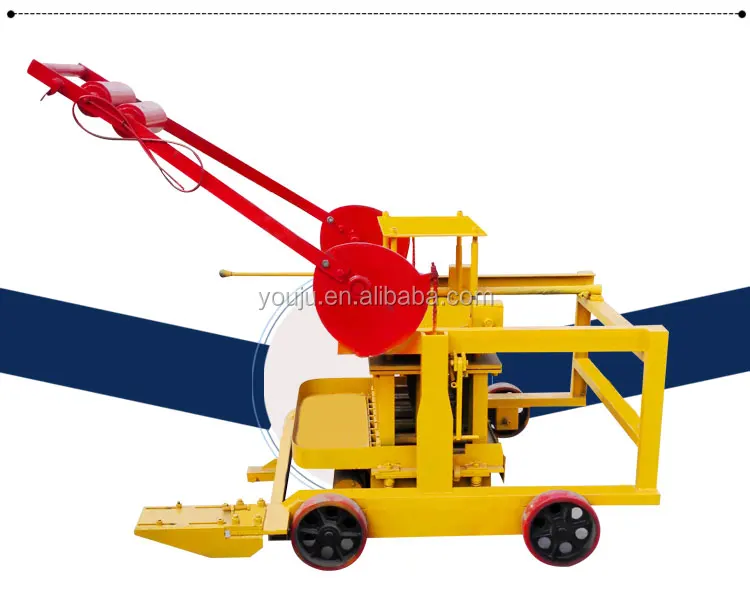
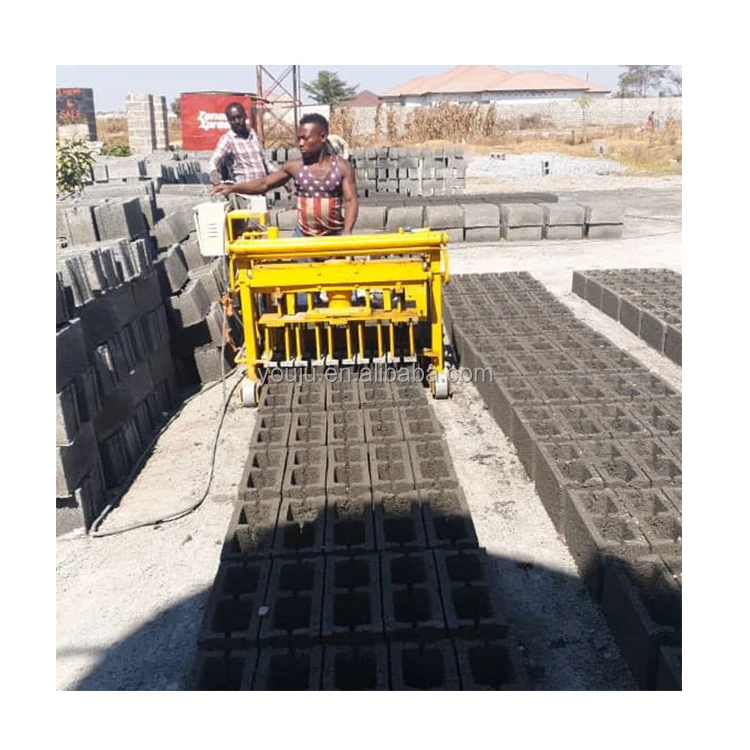
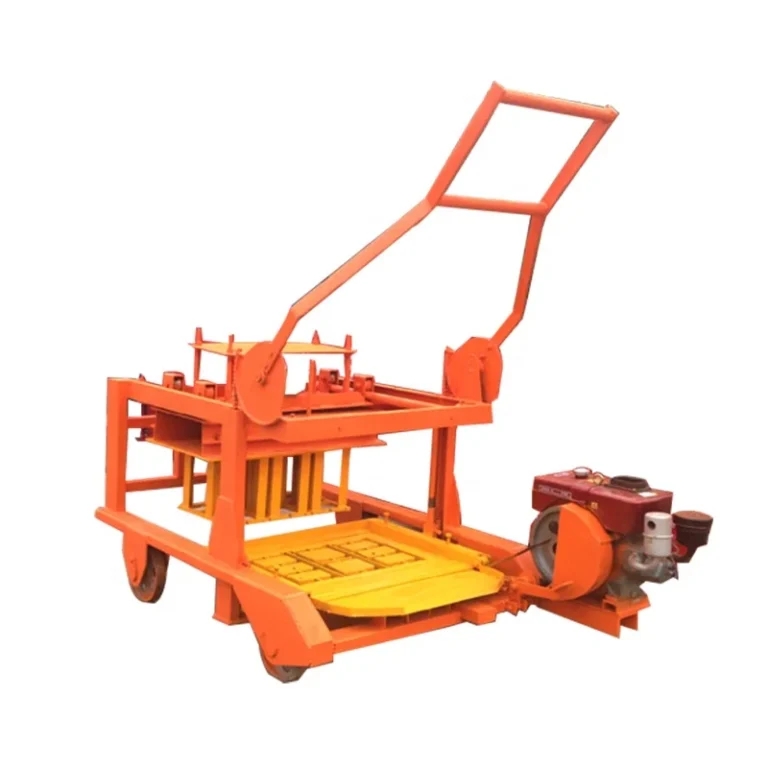
Complete Machine Range Mapping — the QMJ2-45 anchors our mobile block machine lineup at the entry tier, giving buyers a clear starting point before scaling up through semi-automatic and fully automatic models.
Technical Specifications
| Parameter |
Value |
| Model |
QMJ2-45 |
| Product Type |
Mobile Block Making Machine |
| Automation Level |
Manual / Hand-pushed |
| Pallet Requirement |
No pallets required |
| Power Source |
Motorized |
| Labor Requirement |
1 to 3 workers |
| Molding Cycle |
25-30 seconds |
| Output Capacity — 400×200×200mm Hollow Brick |
160 pcs/h, 1280 pcs/8hr (basis: 2 pcs/mould) |
| Output Capacity — 400×150×200mm Hollow Brick |
240 pcs/h, 4800 pcs/8hr (basis not stated in source) |
| Output Capacity — 400×100×200mm Hollow Brick |
320 pcs/h, 2560 pcs/8hr (basis: 4 pcs/mould) |
| Mould Change System |
Manual mould swap for different formats |
| Portability |
Move freely across site |
| Space Requirement |
Compact footprint for confined areas |
| Standards |
ISO 9001:2000, CE |
Application Suitability
| Application |
Material or Output |
| Small-scale hollow block production |
Cement, sand, crushed stone, and gravel mixes |
| On-site block production for construction projects |
Hollow bricks in 400×200×200mm, 400×150×200mm, 400×100×200mm |
| Paving block and interlock brick manufacturing |
Paver and interlocking formats through mould change |
| Low-investment first block plant setup |
Local aggregate and cement blends without fixed plant infrastructure |
What "Pieces per Hour" Actually Means for Your Daily Output
Capacity figures are meaningless without knowing which block format they assume.
A mobile block making machine for sale listing might quote a single number for hourly output, but that figure typically assumes one specific mould — usually the smallest format the machine supports. When you switch to larger hollow bricks, the pieces-per-mould count drops, and so does your real daily volume. I have seen buyers arrive at the site expecting to produce thousands of 400×200×200mm blocks per shift, only to discover the quoted capacity was based on 100mm-wide bricks. The gap between expectation and reality can stall an entire housing project [NEED_CITE: block production capacity assumptions by format].

Where the QMJ2-45 Sits in the Complete Range
The QMJ2-45 occupies the entry tier of our mobile block making machine for sale range. It is a hand-pushed, no-pallet unit designed for contractors and first-time producers who need on-site output without investing in a fixed plant or pallet handling systems. This machine anchors the bottom of the lineup, giving buyers a low-capital starting point.
Scaling Up When Your Project Demands It
As production requirements grow, the range extends upward through semi-automatic machines with pallet feeding and mixer integration, then to fully automatic lines with stacking and cubing. A buyer who starts with the QMJ2-45 for a single housing project can later move to a higher tier without leaving the same product family. The investment path stays visible from the first inquiry, and the plant footprint required at each tier is documented so site planning happens before purchase rather than after delivery [NEED_CITE: block plant scaling from mobile to automatic].
Reading the Numbers That Matter
The 25-30 second molding cycle on the QMJ2-45 determines how many times the mould fills and presses per hour. At 2 pieces per mould for 400×200×200mm hollow bricks, the cycle yields 160 pieces per hour and approximately 1280 pieces across an 8-hour shift. Moving to the 400×100×200mm format increases the per-mould count to 4, raising output to 320 pieces per hour. Labour stays at 1 to 3 workers regardless of format because the machine is hand-pushed and motorized rather than hydraulically automated. The no-pallet design means blocks cure directly on the ground, removing the need for pallet investment and curing rack logistics that larger machines require.
The Cost of Skipping Format Verification
Buying a mobile machine without confirming which block formats your local market actually sells leads to a machine sitting idle between mould orders. A contractor who needs 200mm hollow bricks but receives a machine configured only for pavers faces project delays while waiting for the correct mould to ship. Voltage and frequency mismatches discovered after arrival add further commissioning delays, especially when the motor specification was not confirmed before production [NEED_CITE: common commissioning delays in block machinery exports].
Why Sourcing from a Range-Focused Supplier Matters
Block machinery is our single focus, so the QMJ2-45 is specified alongside its moulds, pallets where applicable, and supporting equipment as a matched system rather than assembled from separate suppliers. Machine configuration is set against your actual mix design and local aggregate, not a catalogue default. Mould design covers the formats your market sells, including custom drawings when standard formats do not match. The automation level is selectable within the range, so starting with the QMJ2-45 does not lock you into manual operation permanently. Installation support and operator training are included so the machine produces acceptable blocks from the first shift.
Documentation & Verification
- Line layout with capacity calculation stated per block format, not just cycles per hour
- Machine specification sheet with complete mould format list and cycle time per format
- Voltage, frequency, and motor specification confirmed in writing before production begins
- Mould drawing and format list provided for buyer verification against local market demand
- Factory test record on your specified block format before dispatch
- CE declaration and operation manual included with shipment
Installation, Commissioning & Support
- Compact footprint requires only a level concrete or compacted earth surface for operation
- Motorized power source confirmed to match local voltage and frequency before shipment
- No pallet system to install, reducing setup time to positioning and mould fitting
- Mould change procedure covered during on-site operator training session
- Wear parts list and mould inventory provided for first replacement planning
- Daily maintenance checklist covers vibration motor inspection and mould cleaning
Before You Send an Inquiry
Tell us which block formats your market demands and the daily volume you need to hit. Share your local raw material type — whether it is river sand, crushed stone, volcanic ash, or another aggregate — and we will configure the machine and mould accordingly. Confirm your site voltage and frequency so the motor specification is locked in before production starts.
Frequently Asked Questions
Q: How is the output capacity of the QMJ2-45 calculated, and which block format does the quoted figure assume?
A: Output is calculated from the 25-30 second molding cycle multiplied by pieces per mould. For 400×200×200mm hollow bricks at 2 pieces per mould, the rate is 160 pieces per hour or 1280 per 8-hour shift. Different formats change the pieces-per-mould count, so we state capacity per format rather than quoting a single number.
Q: Where does the QMJ2-45 sit in the range compared to semi-automatic and fully automatic block machines?
A: It anchors the entry tier as a hand-pushed, no-pallet mobile unit. Semi-automatic models above it add pallet feeding and mixer integration, while fully automatic lines include stacking and cubing. The range lets buyers start small and move up without switching suppliers.
Q: What voltage and frequency options are available, and how is this confirmed before shipment?
A: The motor specification is confirmed during the quotation stage based on your local supply standard. We document the agreed voltage and frequency in writing before production begins, so the machine arrives ready for connection without rewiring or transformer delays.
Q: Can I start with the QMJ2-45 and upgrade to a higher automation tier later?
A: Yes. The range is structured so buyers can begin with the mobile manual unit for initial production and later transition to semi-automatic or fully automatic models. Mould compatibility and product format knowledge carry forward across tiers.

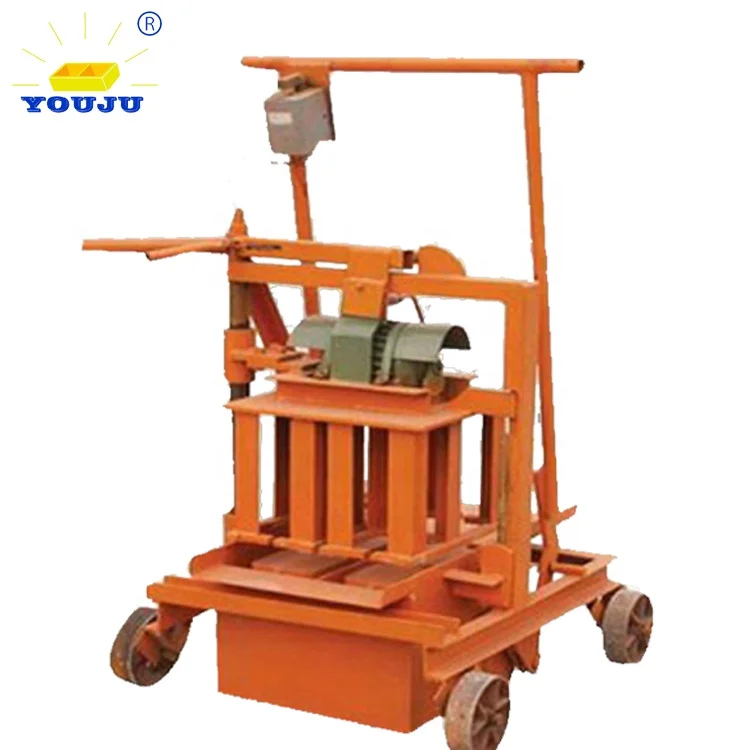
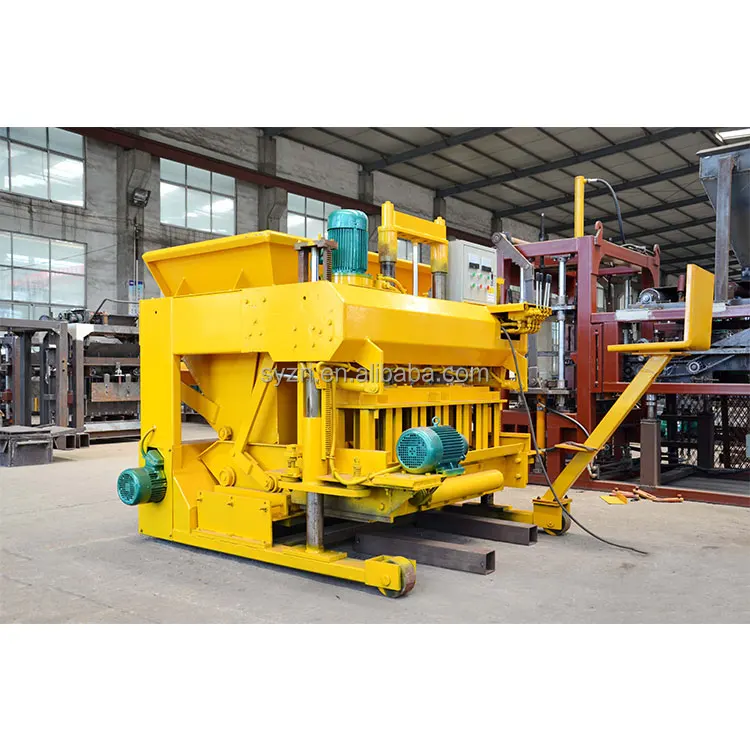 Mobile block machine