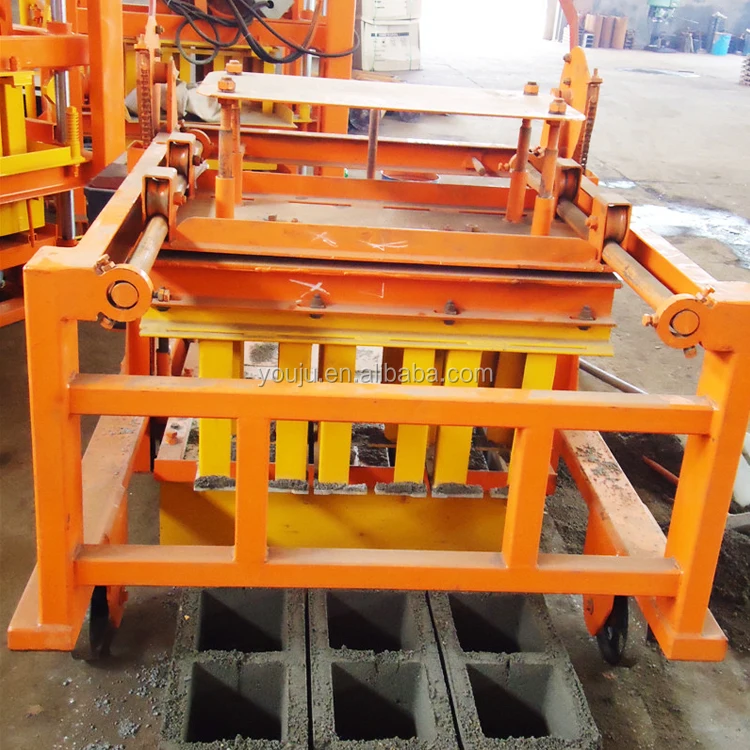
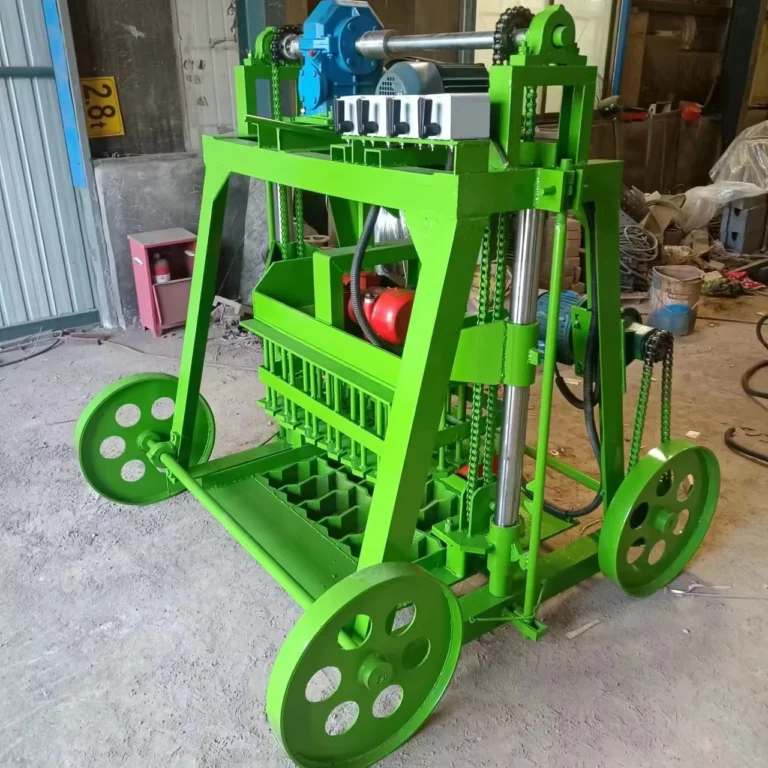
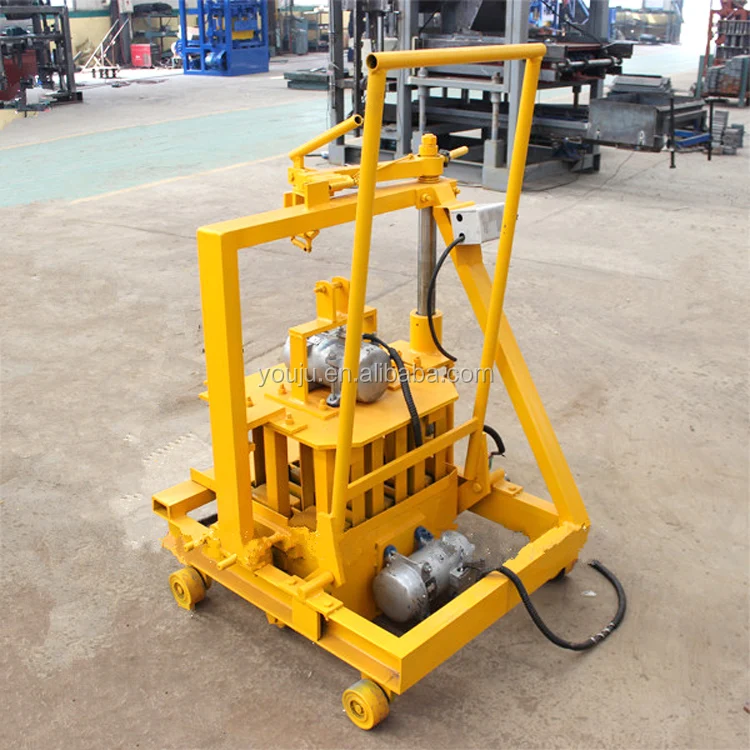
Matched System Design — the QMY12-15 is specified as a complete egg-laying production unit with vibration parameters tuned to your actual aggregate sample, not a generic catalogue setting.
Technical Specifications
| Parameter |
Value |
| Model |
QMY12-15 |
| Product Type |
Egg Laying Concrete Block Making Machine |
| Pressure Type |
Hydraulic |
| Rated Power |
16 kW |
| Motor Brand |
Siemens |
| Overall Dimensions (L×W×H) |
3250 × 2100 × 2300 mm |
| Net Weight |
4500–4600 kg |
| Vibration System |
Twice-vibration of molding core |
| Pallet Requirement |
No pallet required |
| Workers Required |
2–3 |
| Automation Level |
Automatic |
| Mould Format Output (400×200×200mm) |
12 pcs/mould, 10–15 s cycle, 23,040 pcs/day (8 h) |
| Mould Format Output (400×100×200mm) |
12 pcs/mould, 10–15 s cycle, 42,240 pcs/day (8 h) (source value — verify) |
| Standards |
ISO 9001:2008, SGS, CE |
Application Suitability
| Application |
Material or Output |
| On-site hollow block production |
Crushed stone, sand, and cement mixes for building masonry |
| Job-site solid block manufacturing |
Local aggregate blends without fixed plant infrastructure |
| Housing project block supply |
Cement-based masonry units produced directly at the development site |
| Entrepreneur starter plant |
Low-investment hollow and solid block formats for local market entry |
What "13,000 Pieces per Day" Actually Means on Your Site
Capacity figures only matter when the block format and mix are stated alongside them.
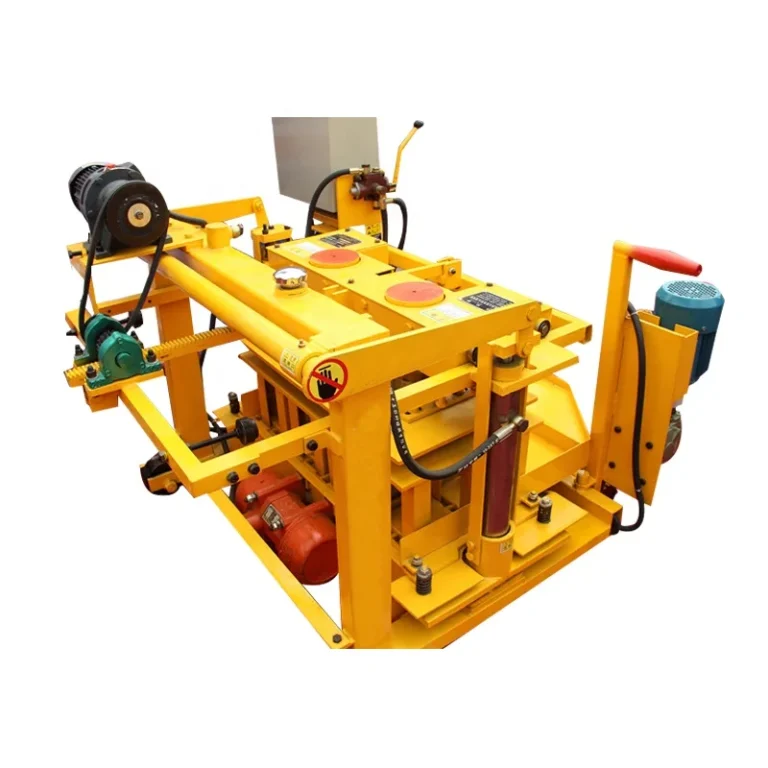
Many buyers receive a single output number without knowing which block size it assumes, leading to disappointment when real daily production falls short. The QMY12-15 mobile block machine for sale comes with a capacity table tied to specific mould dimensions — 400×200×200 mm hollow blocks yield a different daily total than 400×100×200 mm solid blocks. I have stood on sites where the contractor planned an entire pour schedule around an unstated assumption, only to find the machine running a different format at half the expected volume [NEED_CITE: capacity calculation standards for concrete block machinery]. Knowing your target format before you order is what separates a realistic plan from a costly guess.

Where the QMY12-15 Sits in the Range
The QMY12-15 occupies the mobile, egg-laying tier of our block machine lineup. It produces blocks directly onto the ground surface and moves forward after each cycle, eliminating the need for pallets, curing racks, and the handling equipment that larger stationary lines require. This makes it the logical starting point for contractors who need blocks at an existing work site or entrepreneurs launching production with minimal infrastructure. Buyers evaluating an egg laying block machine manufacturer should understand that this tier trades the high-speed output of a fully automatic stationary line for portability and a lower initial investment.
When to Stay Mobile and When to Move Up
Staying with a mobile machine makes sense when your project has a defined timeline, your curing space is open ground, and your daily volume requirement fits within what a two- or three-person crew can manage. Moving to a semi-automatic or automatic stationary line becomes necessary when format variety grows, daily demand exceeds what an egg-laying cycle can sustain, or your market requires pallet-cured blocks with tighter dimensional consistency [NEED_CITE: block production tier selection criteria]. The QMY12-15 gives you a production base that can run independently while you assess whether scaling to the next tier is justified by actual order volume.
Reading the Specs That Matter on Site
Hydraulic pressure and the twice-vibration molding core work together to compact the mix into a dense, consistent block. The vibration frequency must match the particle size and moisture content of your local aggregate — desert sand with high salt content, for instance, responds differently than washed river gravel. The Siemens motor rated at 16 kW delivers the continuous torque needed for repeated vibration cycles without thermal derating in hot climates. The machine footprint of 3250 × 2100 mm means it can operate within a compact casting yard, but the curing area behind it must be flat, level, and large enough to hold a full day’s output spread across the ground. Mould changes on an egg-laying machine are mechanical rather than automated, so the time spent swapping formats directly affects how many different products you can run in a single shift.
The Hidden Cost of Skipping the Material Sample
Sending a local aggregate sample before finalizing vibration settings is a step many buyers skip to save time, only to discover on commissioning day that block edges crumble or density varies across the mould. When vibration force is calibrated for a standard river sand mix but the actual material is fine desert sand with shell fragments, the resulting blocks may fail a basic drop test [NEED_CITE: concrete block compressive strength testing field methods]. Reworking the mix on site or adjusting hydraulic pressure after installation costs more in lost production days than shipping a kilogram of sand upfront. This is the single most common cause of early dissatisfaction I have encountered across project sites in arid regions.
Why Source This Tier from a Single-Brand Lineup
Block machinery is our single focus, which means the QMY12-15 is not paired with a third-party mixer or a generic pallet supplier — the entire production approach is matched to one system logic. Configuration starts from your local aggregate and target block format, not a default catalogue entry. Mould options are designed around the formats your regional market actually buys, with custom drawings available when a standard mould does not fit the specification. Automation level is selectable within the mobile tier, so the machine you receive reflects the crew size and site conditions you described during the inquiry. Factory testing runs your specified mould before dispatch, and documentation travels with the shipment so customs clearance and on-site commissioning proceed without waiting for paperwork.
Documentation & Verification
- Factory test record running your specified mould format and recorded cycle times before dispatch
- Machine specification sheet confirming voltage, frequency, and PLC display language for your market
- Mould drawing and format list showing dimensions, cavity count, and expected block weight
- Line layout indicating machine operating footprint and recommended curing area dimensions
- Packing photographs and customs documentation support for container loading
Installation, Commissioning & Support
- Flat, level concrete or compacted ground surface required across the full casting and curing path
- Dedicated power circuit matching the confirmed 16 kW rated load and local voltage supply
- Machine shipped in operational condition with vibration and hydraulic parameters pre-set from factory test
- On-site commissioning includes vibration tuning against your actual aggregate sample and mix design
- Operator training covers mould change procedure, cycle timing, and daily maintenance checkpoints
- Wear parts and replacement mould list provided with part numbers for reordering
Before You Request a Quote
To configure the QMY12-15 for your site, we need your target block format and dimensions, the daily volume your project or market requires, and a sample or description of the aggregate and sand available locally. Confirm your site voltage and frequency so the motor and control panel arrive ready to connect. If you already have a mixer or concrete supply arrangement in place, let us know so the feeding workflow can be accounted for in the layout.
Frequently Asked Questions
Q: How is daily output calculated for the QMY12-15, and which block format does it assume?
A: Daily output depends on the mould format installed, the cycle time for that format, and the number of working hours. The 400×200×200 mm hollow block mould produces 12 pieces per cycle at 10–15 seconds, yielding up to 23,040 pieces in an eight-hour shift. Other formats produce different totals, so always confirm capacity against the specific block you intend to sell.
Q: What voltage and control language options are available for export markets?
A: Voltage and frequency are confirmed before production to match your local grid. The control panel display language is set during manufacturing so operators can read instructions immediately on commissioning. Specify your requirements during the inquiry stage to avoid delays after the machine arrives on site.
Q: When should a buyer move from this egg-laying tier to a semi-automatic or automatic line?
A: The shift makes sense when daily volume demand consistently exceeds what a mobile machine and two-person crew can sustain, when your market requires multiple block formats with fast changeovers, or when pallet-cured blocks with tighter dimensional tolerance are needed. The QMY12-15 serves as a reliable base while you validate demand before investing in a larger stationary line.
Q: What ground conditions and curing space does the QMY12-15 require on site?
A: The machine needs a flat, level surface for casting and sufficient open ground behind it for blocks to cure in place. The 3250 × 2100 mm footprint is compact, but the curing path must hold a full day’s production without overlap. Compacted earth or a concrete slab both work if the surface is even.

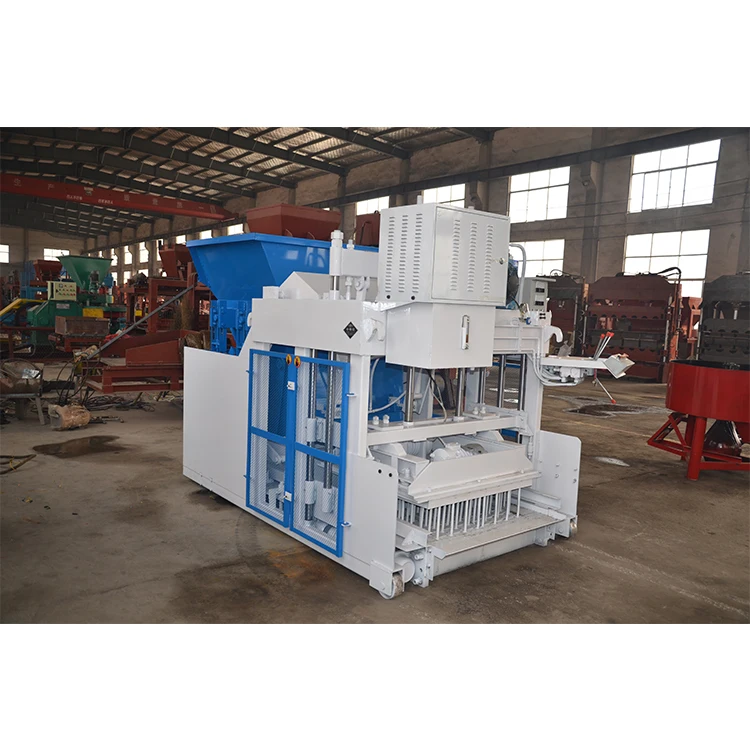
 Mobile block machine