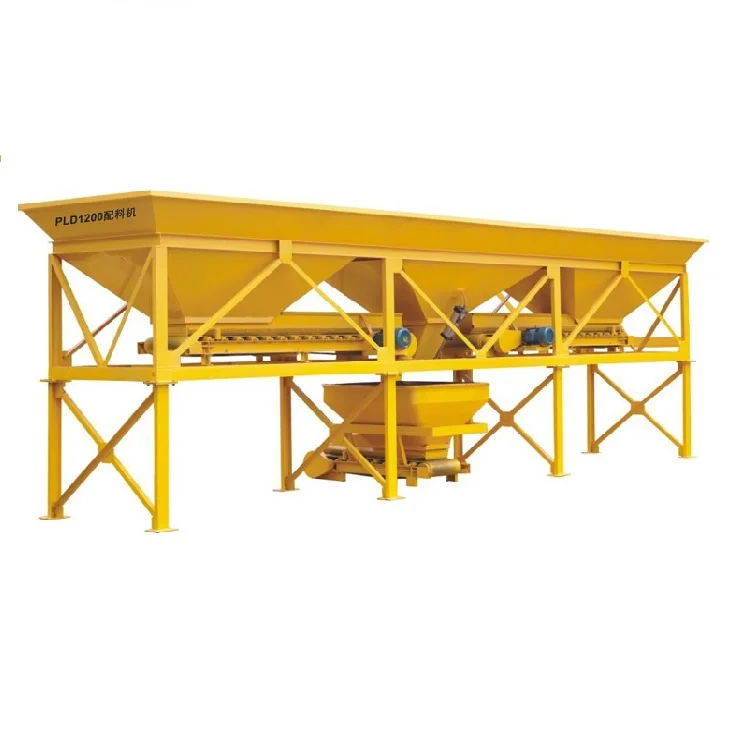
Configured to your actual mix — The PLD1200 concrete batching machine is specified against the buyer’s local aggregate, target block format, and chosen Shiyue press so the feed station never becomes the bottleneck in a matched block line.
Technical Specifications
| Parameter |
Value |
| Model |
PLD1200 |
| Product Type |
Concrete Batching Machine |
| Weigh-batching Hopper Capacity |
1200L |
| Theoretical Productivity |
56m³/h (basis not stated in source — confirm block format / material / thickness) |
| Ingredient Precision |
±2% |
| Height of Adding Material |
2.8m |
| Belt Speed |
1.25m/s |
| Total Power |
4×4kW (rated or peak not specified in source) |
| Minimum Weighing Capacity |
3000kgs |
Application Suitability
| Application |
Material or Output |
| Raw material batching for hollow and solid block lines |
Crushed stone, sand, cement, fly ash, and additives |
| Proportioning feed for paving block and kerbstone production |
Fine and coarse aggregates with pigment dosing |
| Continuous supply to a mixer feeding an automatic block press |
Multi-ingredient recipes with ±2% batch consistency |
| Replacement batcher for existing semi-automatic plants |
Aggregates matched to the buyer’s local quarry source |
Why the "56m³/h" Figure Needs a Block Format Attached
The theoretical productivity number only becomes meaningful once you know which block it assumes.
I have watched buyers compare batching machines on paper and pick one that looked generous on output, only to discover during commissioning that the quoted figure assumed a small solid block — while they were running 200mm hollow blocks that consumed raw material at a different rate entirely. When the batching station cannot keep pace with the press cycle, the press sits idle waiting for the mixer. A PLD1200 concrete batching machine manufacturer worth working with will state the capacity calculation per block format, not per machine. [NEED_CITE: capacity calculation standards for concrete batching equipment in block production]
Where the PLD1200 Sits in the Shiyue Block Machine Range
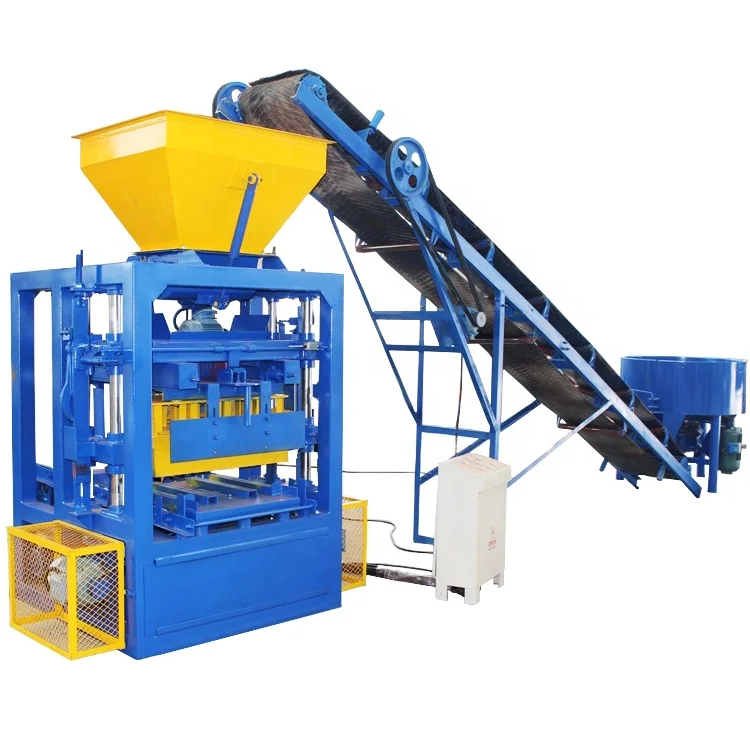
The PLD1200 occupies the mid-tier of the Shiyue batching lineup, paired most often with the semi-automatic and small-to-mid automatic block presses. A first-time plant owner building a modest hollow block line will typically see the PLD1200 on the layout drawing, while buyers running high-capacity automatic lines with large pallets may step up to a higher-capacity batcher. The point is to match the batching hopper to the press cycle and the mixer volume so that no station in the line is left waiting.
Matching the Batching Station to the Press and the Mixer
Specifying the PLD1200 concrete batching machine in isolation creates a gap. The hopper capacity, belt speed, and discharge height must align with the mixer inlet height and the mixer’s batch cycle. If the mixer finishes a batch faster than the batcher can weigh and deliver the next one, the press loses seconds every cycle — seconds that add up across a shift. Shiyue specifies the batching station, mixer, and press together on one line layout so the cycle times are calculated against the buyer’s actual block format and target daily output. [NEED_CITE: line integration requirements for concrete block production]
What the Specs Actually Mean on the Production Floor
The 1200L hopper gives enough volume to weigh a full batch without constant refill interruptions, which matters when the press runs short cycle times on thin paving blocks. Ingredient precision of ±2% keeps batch-to-batch cement content stable, directly influencing block strength consistency — a recurring complaint when batching is done by volume bucket rather than weigh hopper. The 1.25m/s belt speed sets how fast material travels from hopper to mixer; if the belt is too slow for the mixer’s demand, the press starves. The 4×4kW drive configuration distributes power across the belt and hopper gates, and confirming voltage and frequency before production avoids the commissioning delay that hits when a 60Hz motor arrives at a 50Hz site.

The Cost of a Batcher Specified Without the Line
Choosing a batching machine based on hopper size alone, without confirming the mixer cycle and press format, leads to a plant where the fastest machine waits on the slowest. I have seen situations where a buyer paid for a high-speed automatic press but the batcher could not feed the mixer fast enough, cutting real daily output well below expectation. Voltage mismatches discovered after arrival delay commissioning by weeks while replacement motors ship. When the height of adding material does not match the mixer inlet, the buyer improvises a chute that spills aggregate and creates a housekeeping problem from day one. [NEED_CITE: common commissioning delays from unconfirmed electrical specifications]
Why Buyers Source the PLD1200 Through Shiyue
The PLD1200 concrete batching machine is not quoted as a standalone catalog item. It is configured as part of a matched system — press, mixer, pallet handling, and curing — so the buyer receives one line layout with cycle times calculated per block format. Moulds and pallets are sized together with the batching station to avoid the mismatch that surfaces only when the first production run starts. Shiyue confirms voltage, frequency, and PLC language before production begins, preventing the post-arrival delay. The factory test record demonstrates batching accuracy against the buyer’s own mix design and local aggregate, not a generic recipe.
Documentation & Verification
- Line layout and capacity calculation stating the block format assumed for productivity figures
- Machine specification sheet covering hopper capacity, belt speed, and drive configuration
- Voltage and control language confirmation signed off before production starts
- Factory test record showing batching precision against the buyer’s mix design
- Packing photographs and customs documentation support for smooth clearance
Installation, Commissioning & Support
- Foundation pad leveled to the 2.8m material discharge height for clean mixer feed
- 4×4kW total power supply on a dedicated circuit matching confirmed voltage and frequency
- Belt tension and hopper gate calibration performed during first-run commissioning
- Operator training on weighing calibration and daily precision checks
- Wear parts list for belt and hopper liners provided before dispatch
What to Share When Inquiring
To place the PLD1200 correctly within the Shiyue block machine range, share the block formats you intend to produce, the target daily output, and the raw materials available from your local quarry. Confirm the electrical supply at your site — voltage, phase, and frequency — along with your preferred PLC display language. If you are replacing a batcher on an existing line, note the mixer model and inlet height so the discharge configuration can be matched before production begins.
Frequently Asked Questions
Q: How does the 56m³/h figure relate to actual daily block output?
A: That theoretical productivity value depends on which block format, wall thickness, and material density are assumed. Shiyue provides a capacity calculation per block format so buyers can compare the batching station output against the press cycle and plan realistic daily volumes for their specific product mix.
Q: Which Shiyue block machine tiers does the PLD1200 pair with?
A: The PLD1200 pairs with the semi-automatic and small-to-mid automatic block presses in the Shiyue range. For high-capacity automatic lines running large pallets, a higher-tier batcher may be specified to match the faster mixer cycle and larger batch volumes.
Q: What voltage and frequency options are available?
A: The 4×4kW drive system is configured to the buyer’s site supply. Voltage, phase, and frequency are confirmed before production so the batcher arrives ready for connection without motor replacement or transformer delays during commissioning.
Q: Can the PLD1200 be matched to my local aggregate and mix design?
A: Yes. Shiyue configures the hopper compartments and weighing ranges against the buyer’s local aggregate gradation and target mix design. The factory test record demonstrates batching precision using the buyer’s own recipe before dispatch.
Q: Where does the PLD1200 sit in the investment range for batching stations?
A: The PLD1200 occupies the mid-tier position within Shiyue’s batching lineup, suited to plants that need consistent weigh-batching without the footprint and cost of a high-capacity station. The right tier depends on press speed and block format, not hopper size alone.

 Automatic block machine