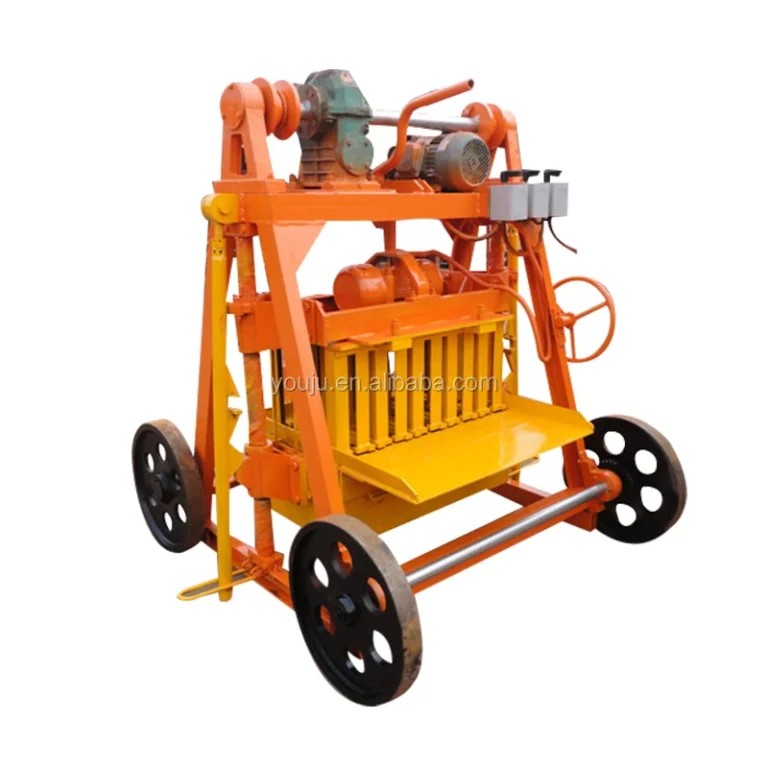
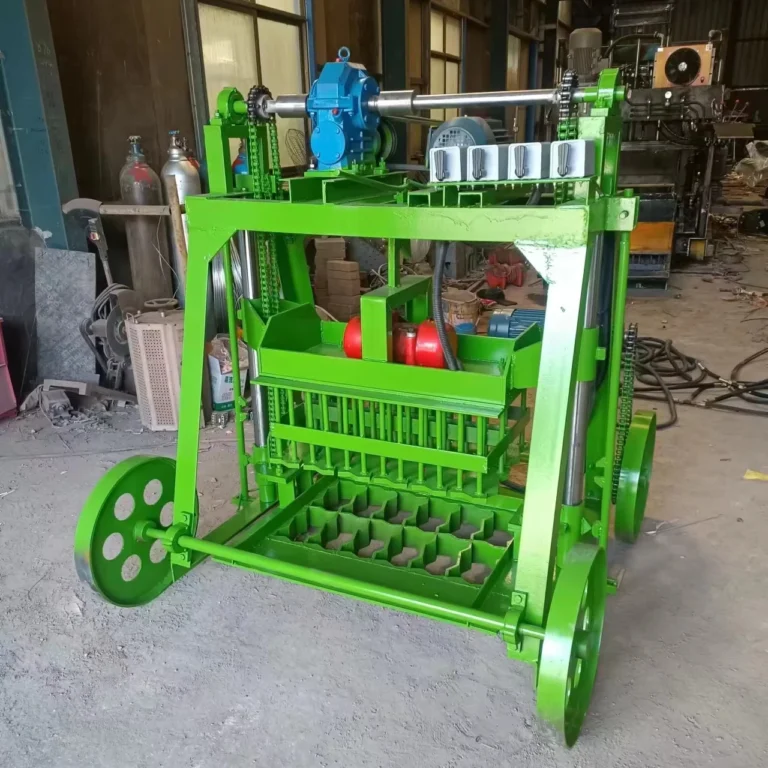
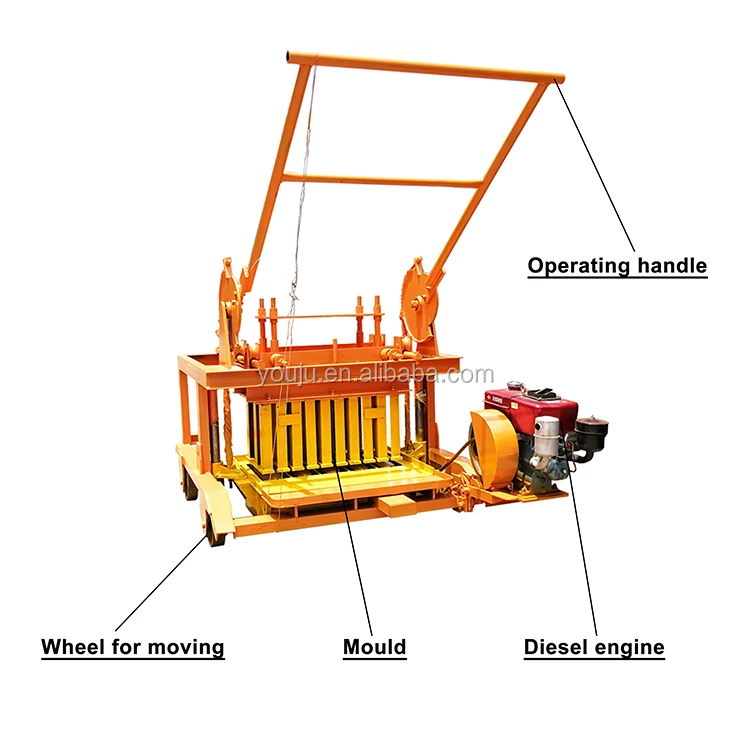
Single-focus line integration — the QMY4-30 mobile block machine is specified as part of a matched system where machine, mould, pallet handling and output are calculated together rather than quoted as isolated components.
Technical Specifications
| Parameter |
Value |
| Model |
QMY4-30 |
| Product Type |
Mobile Hollow Block Making Machine |
| Rated Power |
5 kW |
| Molding Cycle Time |
30 seconds |
| Overall Dimensions (L×W×H) |
1200 × 1200 × 1100 mm |
| Net Weight |
950 kg |
| Output Capacity |
480 pcs/h based on 400×200×200 mm hollow block, 4 pcs/mould |
| Output Capacity |
600 pcs/h based on 400×150×200 mm hollow block, 5 pcs/mould |
| Output Capacity |
840 pcs/h based on 400×100×200 mm hollow block, 7 pcs/mould |
| Output Capacity (8-hour shift) |
3,840 pcs based on 400×200×200 mm hollow block |
| Output Capacity (8-hour shift) |
4,800 pcs based on 400×150×200 mm hollow block |
| Output Capacity (8-hour shift) |
6,720 pcs based on 400×100×200 mm hollow block |
| Raw Materials |
Cement, sand, crushed stones, slag |
| Mould Format |
Interchangeable moulds for hollow block and solid brick |
| Automation Level |
Mobile / egg-laying type (no fixed plant required) |
| Pallet Size |
Not applicable (blocks laid directly on ground) |
| Voltage & Frequency |
To be confirmed with supplier before order |
| Control System |
To be confirmed with supplier before order |
| Hydraulic Pressure |
To be confirmed with supplier before order |
| Vibration Force |
To be confirmed with supplier before order |
Application Suitability
| Application |
Material or Output |
| On-site block production without a fixed plant |
Cement, sand, crushed stones, slag mix laid on prepared ground |
| Small-scale hollow block manufacturing for local sale |
400×200×200 mm and 400×150×200 mm hollow blocks |
| Solid brick production for housing projects |
Interchangeable solid brick mould on the same machine |
| Contractor producing blocks locally for development projects |
Up to 6,720 pcs per 8-hour shift on 400×100×200 mm format |
| Entrepreneur starting a first block production operation |
Low power draw at 5 kW suitable for sites with limited utility infrastructure |
Why "Pieces per Hour" Means Nothing Without the Block Size
Every output figure here is tied to a specific block dimension — because a cycle time alone tells you nothing about what you will actually produce in a day.
I have watched buyers receive a mobile block making machine quoted at a single hourly number, then discover on site that the figure assumed a block format their market does not buy. The machine runs, but daily revenue falls far short of the business plan. With the QMY4-30, three distinct hollow block formats are stated with separate output calculations: 480 pieces per hour on the 400×200×200 mm format, scaling up to 840 pieces per hour on the narrower 400×100×200 mm format. [NEED_CITE: block format demand varies significantly by regional building codes and market preference] An eight-hour shift on the largest block format yields 3,840 units, while the same shift on the smallest format yields 6,720. That is not a minor difference — it determines whether you need one curing area or two, and whether your crew size matches the pace of output.

Where the QMY4-30 Sits in the Full Machine Range
The QMY4-30 occupies the entry tier of a complete mobile block machine lineup. Buyers who need on-site production without investing in a fixed plant start here. For higher daily volumes or a wider block format menu, the range extends upward through semi-automatic and fully automatic tiers with dedicated pallet systems and stacking equipment. Knowing where this machine sits helps a first-time buyer understand the upgrade path without over-investing on day one.
Choosing the Right Tier Before Committing Capital
A contractor producing blocks for a single housing project may never need an automatic line. The mobile egg-laying design of the QMY4-30 means blocks are laid directly on the ground as the machine moves forward — no pallets, no conveyor, no curing racks required. This keeps the initial investment and site preparation to a minimum. [NEED_CITE: typical site preparation requirements for mobile versus fixed block plants] When the project ends, the machine moves to the next site or sits until needed again, without the overhead of a permanent installation.
Reading the Specs That Actually Matter on Site
The 5 kW rated power draw is significant for remote or temporary sites where utility capacity is limited; a larger machine could trip breakers or require a dedicated transformer. The 30-second molding cycle applies across all three hollow block formats, meaning the operator learns one rhythm regardless of which mould is fitted. The interchangeable mould system covers both hollow block and solid brick, so a buyer can respond to shifting local demand without purchasing a second machine. At 950 kg net weight and a 1200 × 1200 mm footprint, the unit can be transported on a flatbed and positioned on a prepared concrete floor without special foundations.
The Cost of Skipping the Voltage Conversation
Buyers who confirm price before confirming site voltage create a problem that surfaces only after the machine arrives. A mobile block making machine with a hydraulic pump rated for one voltage range will underperform or fail to build pressure on a supply that sags under local load. I have seen units arrive in regions with unstable grids where the hydraulic station could not reach operating pressure, producing blocks that crumbled on handling. Now I require a measured site voltage video before dispatch, even if it delays shipment by a week. [NEED_CITE: voltage stability standards for industrial equipment in export markets]
Why Buyers Source the Machine Here
Block machinery is the single focus of this operation, so the QMY4-30 is not assembled from mismatched components across different suppliers — machine, mould and handling are specified as one matched system. Configuration is set against the buyer’s actual mix design and local aggregate, not pulled from a catalogue default. Mould design covers the formats the buyer’s market actually sells, with custom drawings available for non-standard sizes. The automation level is selectable across the range, so a buyer can start with this mobile unit and step up to semi-automatic later. Installation support and operator training are included so the first production run is not a trial-and-error exercise.
Documentation & Verification
- Line layout with capacity calculation stating each block format assumed for the QMY4-30
- Machine specification sheet confirming voltage, frequency and control language for destination market
- Mould drawing and format list showing interchangeable hollow block and solid brick options
- Factory test record demonstrating cycle time and block output under buyer’s confirmed mix
- Packing photographs and customs documentation support for shipment
Installation, Commissioning & Support
- 1200 × 1200 mm footprint requires only a level concrete floor, no special foundation work
- 5 kW power draw verified against site supply before dispatch to prevent hydraulic underperformance
- Machine delivered in operational state with mould fitted and initial parameters set for buyer’s mix
- On-site commissioning includes operator training on mould change and cycle rhythm
- Wear parts and mould replacement list provided for first reorder planning
What to Include in Your Inquiry
To match the right mobile block making machine to your operation, share the block formats your market sells along with target daily output. Confirm your site voltage and frequency so the hydraulic station is configured correctly before production. If you have existing curing space or material handling equipment, note those dimensions so the machine output pace aligns with your downstream capacity.
Frequently Asked Questions
Q: How is daily output calculated and which block format does each figure assume?
A: Each output figure is tied to a specific block dimension. The QMY4-30 produces 3,840 pieces in an eight-hour shift on 400×200×200 mm hollow blocks, 4,800 on 400×150×200 mm, and 6,720 on 400×100×200 mm. No single blanket number is used — your actual daily output depends on which format your market demands.
Q: Where does the QMY4-30 sit compared to semi-automatic and automatic models?
A: This unit is the entry tier for on-site production without a fixed plant. Semi-automatic and automatic models in the range offer higher throughput, pallet-based systems and stacking equipment for buyers who need larger daily volumes or wider format menus.
Q: What voltage and control options are available for my market?
A: Voltage, frequency and control language are confirmed before order to match your destination market. A measured site voltage reading is requested before dispatch to ensure the hydraulic station performs correctly under your local grid conditions.
Q: Can I start with this mobile machine and move to a larger tier later?
A: Yes. The range is structured so buyers can begin with the QMY4-30 mobile block making machine and step up to semi-automatic or automatic tiers as production volume and format requirements grow, without replacing the entire operation.

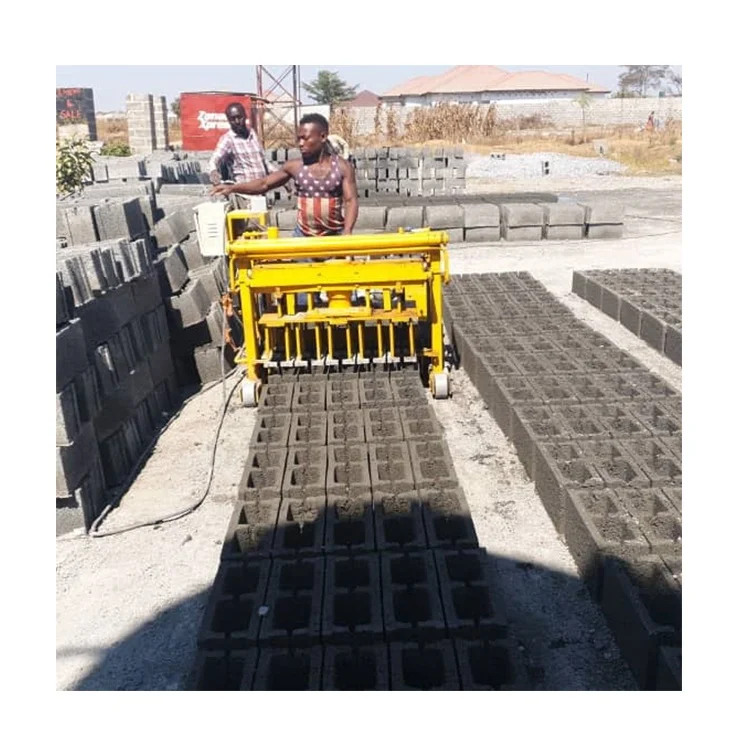
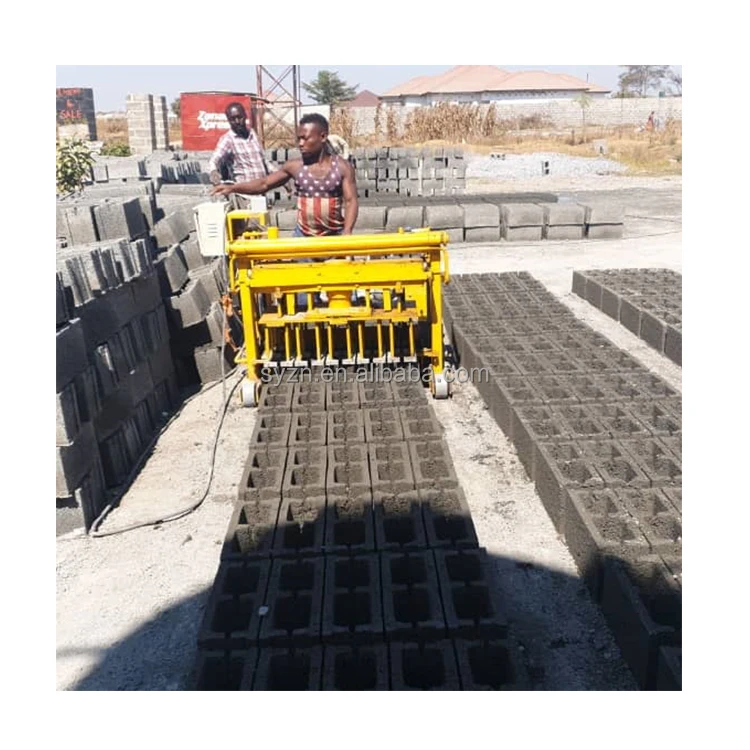 Mobile block machine