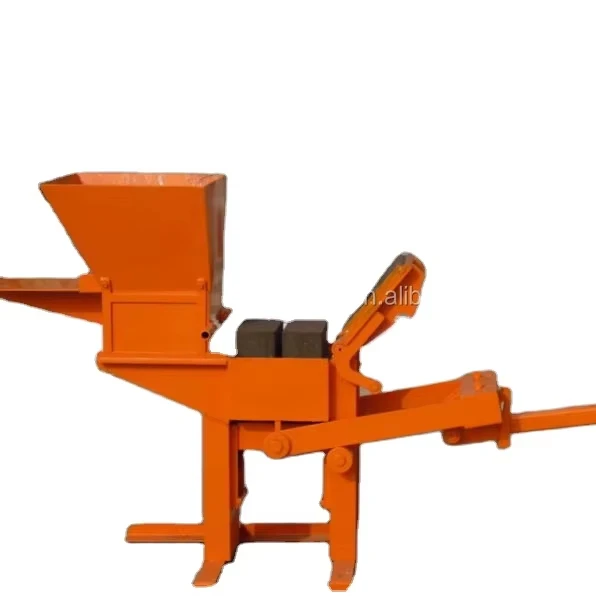
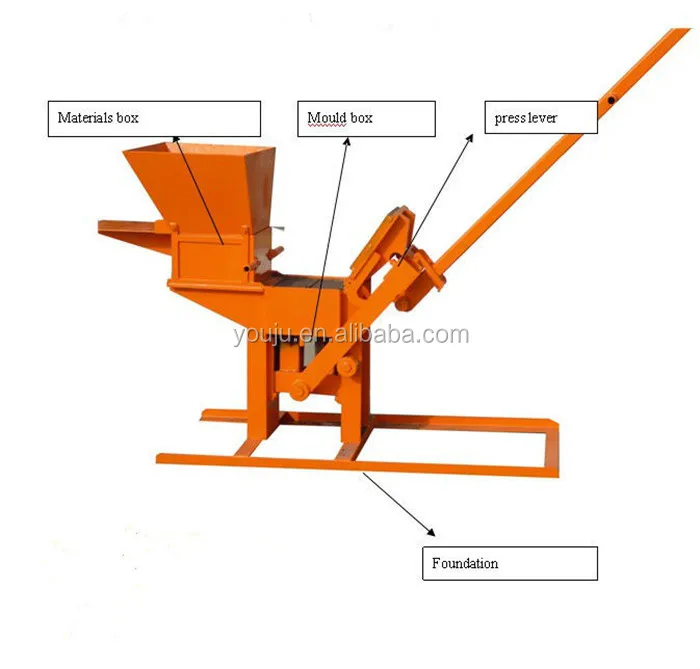
Single-focus block machinery sourcing — the LY7-10 is positioned as a mid-tier automatic clay interlocking brick machine within a range that spans from workshop-scale presses to high-capacity fully automatic lines, letting buyers match investment to actual project volume.
Technical Specifications
| Parameter |
Value |
| Model |
LY7-10 |
| Product Type |
Automatic Clay Interlocking Brick Making Machine |
| Rated Power |
18.5 kW |
| Hydraulic Pressure |
25–32.5 MPa |
| Molding Cycle |
10–15 seconds |
| Capacity per Format |
2,520 pcs/hour based on 300×150×100mm interlocking block, 7 pcs/mould |
| Daily Output per Format |
20,160 pcs/day based on 300×150×100mm interlocking block |
| Raw Materials |
Laterite, yellow or red soil, sand, cement, water |
| Machine Weight |
1,600 kg |
| Overall Dimensions (L×W×H) |
2260×1500×2380 mm |
| Worker Requirement |
1–2 workers |
| Automation Level |
Automatic material feeding, mould pressing and mould lifting |
| Mould Change System |
Interchangeable moulds for multiple block formats (change time to be confirmed) |
| Control System |
To be confirmed at order |
| Voltage & Frequency |
To be confirmed at order |
Application Suitability
| Application |
Material or Output |
| Clay interlocking brick production |
Laterite or red/yellow soil blended with 6–8% cement binder |
| Full clay brick production |
90–95% clay with approximately 3% water, no cement added |
| On-site brick manufacturing for housing projects |
Soil sourced directly from excavation, mixed with cement on location |
| Multi-format block production |
Single machine with interchangeable moulds for various brick profiles |
What "20,000 Bricks per Day" Actually Means for Your Project
Capacity figures only hold weight when tied to a specific block format and mix design.
The LY7-10 automatic clay interlocking brick making machine manufacturer literature often quotes a round 20,000-piece daily figure, but that number assumes a particular mould size, cycle speed and material blend. I once worked with a buyer in Latin America who ordered based on a headline capacity number without confirming the format behind it. When their local laterite arrived with higher moisture content than the test sample, the cycle slowed and daily output dropped noticeably below expectation. The machine was not at fault — the specification conversation simply stopped too early. [NEED_CITE: importance of format-specific capacity calculations in block machine procurement]

Where the LY7-10 Sits in the Complete Machine Range
The LY7-10 occupies the mid-range automatic tier, sitting above semi-automatic workshop machines that require manual pallet handling and below high-capacity lines with full stacking and cubing systems. For buyers setting up a first clay interlocking brick plant or adding interlocking format to an existing range, this tier delivers hydraulic pressing with automatic feeding and mould cycling without the footprint and capital outlay of a fully automated line. The automatic clay interlocking brick making machine manufacturer range is structured so that each tier has a clear output band and investment level.
Matching Automation Level to Your Labour Reality
At this tier, the machine handles material feeding, mould pressing and mould lifting automatically, while pallet movement and brick stacking may still involve manual labour depending on the supporting equipment selected. This configuration suits operations where labour cost is moderate and the daily volume does not yet justify a fully automatic stacker. Buyers who anticipate growth can start at this level and add automatic pallet feeding or stacking modules later, which is a practical path for contractors producing interlocking bricks on a housing project before scaling to commercial supply. [NEED_CITE: modular upgrade paths in block making machinery]
Reading the Specs That Matter on Site
The hydraulic pressure range of 25–32.5 MPa determines how densely the clay-soil mix is compacted inside the mould. Higher pressure produces a denser brick with greater compressive strength, but it must be balanced against the mix design — a laterite blend with high natural moisture needs different pressure than a dry red soil mix with added cement. The 10–15 second molding cycle governs throughput, and this cycle assumes automatic feeding and lifting are functioning without delay. With seven cavities per mould producing 300×150×100mm interlocking blocks, the verified hourly output reaches 2,520 pieces under steady operation. The 18.5 kW rated power drives the hydraulic pump and vibration system together, meaning electrical supply must be stable to avoid pressure fluctuations during pressing. [NEED_CITE: hydraulic pressure and vibration force matching in clay brick compaction]
The Hidden Cost of Skipping the Voltage Conversation
I have seen machines sit idle on arrival because the local supply was 60 Hz while the motor was wound for 50 Hz, or because the PLC display arrived in a language the operators could not read. With the LY7-10, voltage, frequency and control language are configurable at order but must be confirmed before production begins. A machine configured for the wrong electrical standard cannot simply be rewired on site — the hydraulic pump motor, control panel and any ancillary drives all need to match. Confirming these details during the quotation stage avoids weeks of commissioning delay. [NEED_CITE: voltage and frequency standards by export market]
Why Source This Machine Through a Single-Focus Supplier
Block machinery is the only product category here, which means the LY7-10 is specified alongside its mould, pallet and handling equipment as one matched system rather than assembled from separate vendors. The configuration is set against the buyer’s actual mix design and local aggregate, not pulled from a catalogue default. Mould design covers the interlocking profiles that sell in the buyer’s market, with custom drawings available when standard formats do not match. The automation level is selectable, so a buyer can begin with the semi-automatic functions and add pallet handling or stacking later. Installation includes on-site commissioning and operator training so the first production run happens with the supplier’s engineer present.
Documentation & Verification
- Line layout and capacity calculation stating the 300×150×100mm format assumed for output figures
- Machine specification sheet confirming hydraulic pressure range and molding cycle timing
- Mould drawing and format list showing all available interlocking profiles and dimensions
- Factory test record run on buyer-specified clay blend before dispatch
- Voltage, frequency and PLC display language confirmation document signed at order
Installation, Commissioning & Support
- Foundation pad sized to 2260×1500mm footprint with level tolerance for hydraulic stability
- Dedicated electrical circuit rated for 18.5 kW continuous draw at confirmed voltage and frequency
- Machine shipped as a single unit weighing 1,600 kg, positioned by forklift or crane on arrival
- First-run commissioning includes hydraulic pressure calibration to match buyer’s clay mix design
- Operator training covers mould change procedure, cycle adjustment and daily maintenance checkpoints
- Wear parts list provided with recommended replacement intervals for hydraulic seals and mould liners
What to Include in Your Inquiry
To size the LY7-10 correctly within the machine range, share the specific interlocking brick format your market demands, the type of clay or laterite available locally along with its typical moisture content, and your target daily volume. Include the electrical supply standard at your site and whether you already have pallet handling or curing infrastructure in place. This information allows a configuration proposal that matches the machine to your actual production conditions rather than a generic catalogue setup.
Frequently Asked Questions
Q: How is the daily output of the LY7-10 calculated and which block format does it assume?
A: The 20,160 pieces per day figure is based on continuous production of 300×150×100mm interlocking blocks at seven pieces per mould, running the verified cycle time of 10–15 seconds. Output will differ for other block formats, larger mould sizes or different mix designs that require longer pressing cycles. Always request a capacity calculation document that names the exact format behind every output number.
Q: Where does the LY7-10 sit compared to semi-automatic and high-capacity automatic machines in the range?
A: The LY7-10 is the mid-range automatic tier, offering automatic material feeding, mould pressing and lifting while typically relying on manual or semi-manual pallet handling. Below it, semi-automatic machines require more operator involvement per cycle. Above it, high-capacity lines add automatic pallet feeding, stacking and cubing for larger daily volumes and reduced labour per brick produced.
Q: What plant footprint and supporting equipment does this tier require?
A: The machine itself occupies roughly 2260×1500mm, but the working area must accommodate raw material storage, a mixer, pallet circulation and a curing zone sized for daily output. Supporting equipment such as a pan mixer, pallet feeder and manual or powered stacking system should be planned together so that the press cycle is not interrupted by bottlenecks upstream or downstream.
Q: Can the LY7-10 be upgraded to a higher automation level after installation?
A: The automation architecture allows selected upgrades such as automatic pallet feeding or stacking modules to be added after the initial installation. The feasibility depends on the original machine configuration and available floor space, so discussing future expansion during the initial quotation helps ensure the base machine is specified with upgrade compatibility in mind.
Q: What voltage and control language options are available for export markets?
A: Voltage and frequency are configurable at order to match local supply standards, and the PLC display language is set before production. These parameters must be confirmed and documented before manufacturing begins, as changing motor winding or control panel language after the machine is built involves significant rework and delay.

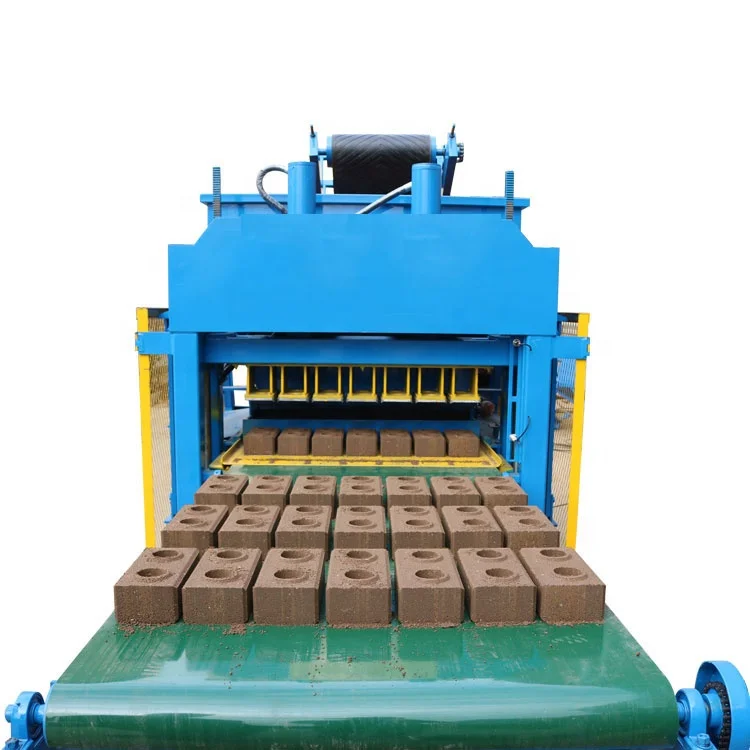
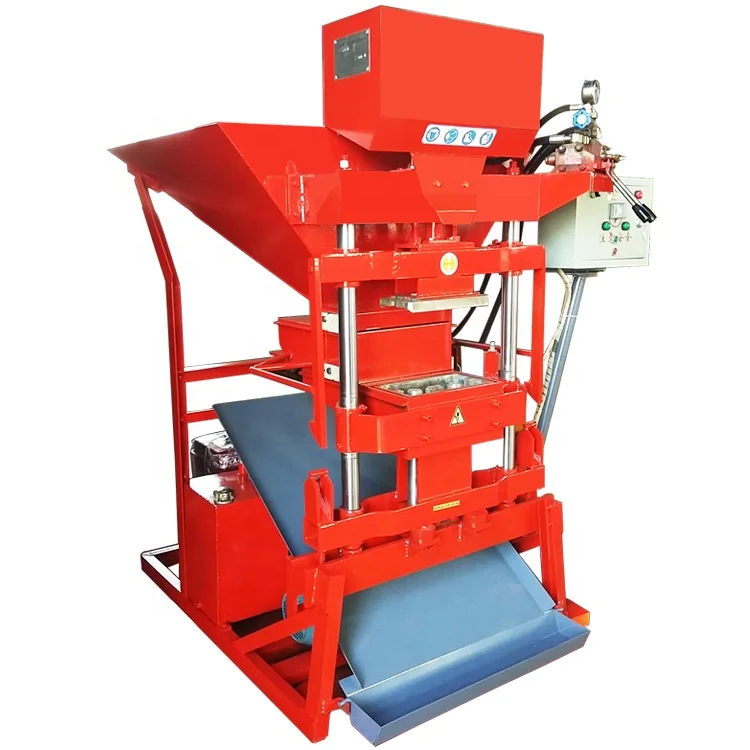 Clay interlocking brick