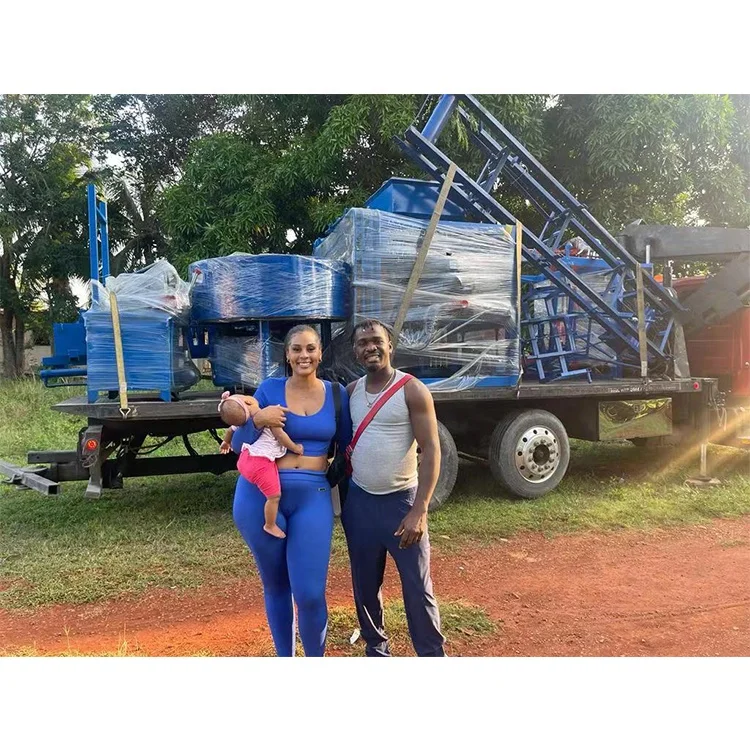
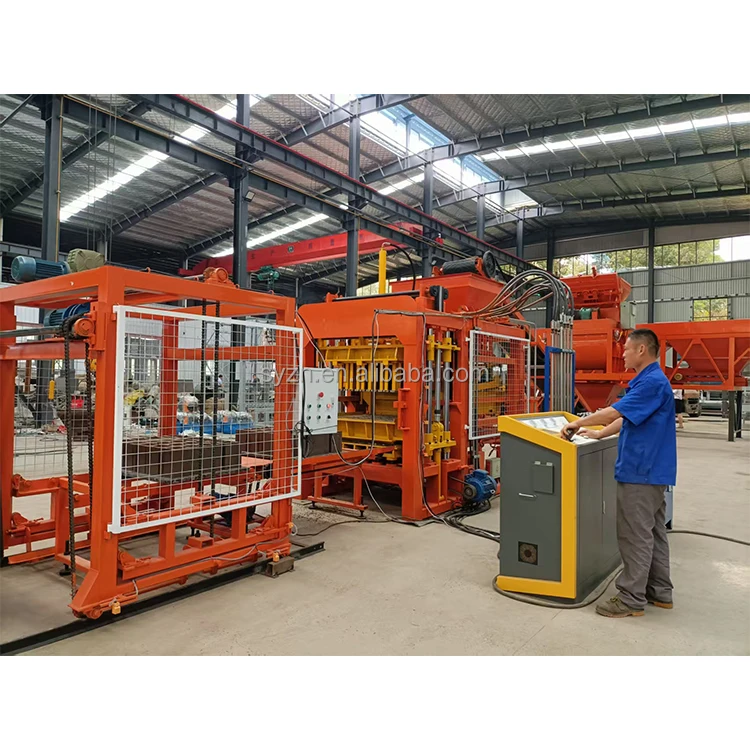
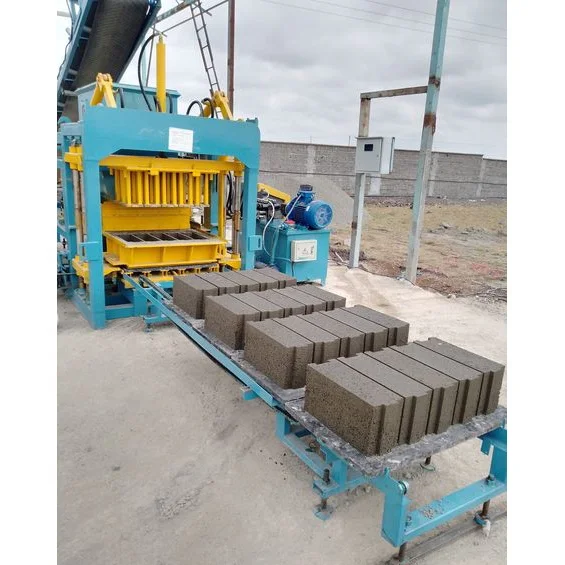
Matched System Approach — The QT7-15 is configured as a complete block making line where machine, mould, pallet and handling are specified together rather than sourced separately, eliminating mismatch between vibration force and pallet size that often plagues mid-tier setups.
Technical Specifications
| Parameter |
Value |
| Model |
QT7-15 |
| Product Type |
Hydraulic Concrete Block Making Machine |
| Pallet Size |
1150x700mm |
| Molding Cycle |
15-20s |
| Overall Power |
45kW |
| Vibration Force |
100kN |
| Vibration Frequency |
0-60Hz |
| Vibration Form |
Platform Vibration |
| Demolding Method |
Hydraulic |
| Control System |
PLC with touch screen interface |
| Total Mass |
8T |
| Output Capacity (400x200x200mm hollow block) |
1260-1680 pcs/hour (10080-13440 pcs/8hr shift) |
| Output Capacity (400x150x200mm hollow block) |
1440-1920 pcs/hour (11520-15360 pcs/8hr shift) |
| Output Capacity (200x100x60mm rectangular paver) |
3888-4860 pcs/hour (31104-38880 pcs/8hr shift) |
| Key Features |
Quick mould replacement, remote fault diagnosis, pallet feed machine included |
Application Suitability
| Application |
Material or Output |
| Hollow block production |
Crushed stone, cement, sand aggregate for load-bearing and partition walls |
| Solid block production |
Dense concrete mix for foundation and structural masonry |
| Rectangular paver manufacturing |
Fine aggregate and cement for pedestrian and light-traffic paving |
| Multi-format concrete masonry units |
Various block formats from a single press via mould change |
Why "Cycles per Hour" Tells You Nothing Without the Block Format
A machine that claims 3000 pieces per hour is meaningless until you know which block size that figure assumes.
The QT7-15 block machine manufacturer specifies output tied to specific block dimensions because the mould footprint, compaction depth, and cycle time vary between formats. A 400x200x200mm hollow block requires more vibration energy and longer press time than a small rectangular paver, yet many quotations quote a single peak number that corresponds to the smallest format in the catalogue. I have seen buyers order machines expecting one output level only to discover their primary product format yields considerably less. The capacity figures above are stated per format so you can compare against your actual production target, not a theoretical maximum [NEED_CITE: capacity calculation standards for concrete block machinery].

Where the QT7-15 Sits in the Automatic Machine Range
The QT7-15 occupies the mid-to-high automatic tier, positioned between semi-automatic models that require manual pallet handling and the highest-capacity lines with full cubing systems. This tier suits buyers who need consistent daily output across multiple formats without the floor space and capital commitment of a high-volume plant. The platform vibration system paired with PLC control removes the manual timing decisions that limit semi-automatic production, while keeping the supporting equipment footprint manageable for a first automatic line or a targeted expansion of an existing plant.
Matching Output Tier to Your Market Volume
Choosing the right tier in the block machine range depends on whether your local demand justifies the throughput and whether your curing area, forklift capacity, and raw material supply can sustain it. A concrete block making machine for sale at this tier produces enough volume to serve a regional block distributor or a construction contractor with an ongoing housing project, yet it does not demand the dedicated curing yards and multiple-shift labour that higher-capacity lines require. Buyers who start at this tier can later add automation modules for pallet stacking and cubing if market demand grows beyond the initial configuration [NEED_CITE: block plant capacity planning for developing construction markets].
Vibration Force, Hydraulic Pressure, and the 1150x700mm Pallet Envelope
The 100kN vibration force at 0-60Hz works in conjunction with hydraulic demolding to compact the concrete mix against the mould walls before the block is released. This combination determines the green strength of the block as it exits the press — too little force and the block crumbles during pallet transfer; excessive force without matching hydraulic hold causes internal fractures. The 1150x700mm pallet size defines which mould formats fit and therefore which block sizes the machine can produce. Mould designs must stay within this envelope, and the pallet material must withstand the vibration frequency without dampening the energy transfer to the mix. The 45kW overall power rating reflects the combined demand of the hydraulic unit, vibration motor, and PLC-controlled feed system running simultaneously through a 15-20 second cycle.
What Happens When Pallet Size and Curing Area Are Not Aligned
I once worked on a shipment where the buyer already had curing racks built for a different pallet dimension. The machine arrived, production started, but every pallet had to be manually re-stacked onto the existing racks before the blocks could be cured. This added a labour step that the automatic line was supposed to eliminate. With the QT7-15, the 1150x700mm pallet must match the curing rack spacing and the forklift tine width at the destination plant. When pallet specifications are confirmed before production, these mismatches disappear. Without that confirmation, the daily output figures become theoretical because the bottleneck shifts from the press to the handling area downstream [NEED_CITE: pallet handling integration in concrete block plants].
Why Buyers Source This Range from Shiyue
The QT7-15 is specified as a matched system — the press, pallet, mould, and feed equipment are selected together so cycle times align across stations. Configuration is set against the buyer’s actual local aggregate and mix design rather than a catalogue default, which means vibration parameters are adjusted before the machine leaves the factory. Mould design covers the formats that sell in the buyer’s market, including custom drawings when standard formats do not match local building codes. The automation level is selectable, so a buyer can commission the QT7-15 in semi-automatic mode and add stacking automation later. Installation support includes operator training at the plant site so the crew understands PLC parameters and mould change procedures before production begins.
Documentation & Verification
- Line layout showing the QT7-15 station spacing and pallet flow path with capacity stated per block format
- Machine specification sheet confirming pallet size, vibration force, hydraulic pressure, and PLC language
- Mould drawing and format list showing which block sizes fit the 1150x700mm pallet envelope
- Voltage, frequency, and control display language confirmation before production release
- Factory test record on the buyer’s specified block format before dispatch
Installation, Commissioning & Support
- Foundation pad sized to the QT7-15 footprint with anchor bolt positions matching the 8T machine mass
- 45kW power supply on a dedicated circuit with voltage and frequency confirmed before wiring
- Pallet feed machine, press, hopper, conveyor, and hydraulic unit assembled on site from shipped modules
- PLC touch screen calibrated with the buyer’s block format parameters and local language selected
- Mould change procedure trained on site so format switching stays within a single shift
- Wear parts list covering hydraulic seals and vibration components with reorder lead times stated
What to Include in Your Inquiry
Before I can position the QT7-15 against other tiers in the range, I need to know which block formats your market demands and your target daily output for each. Tell me what aggregate and cement you source locally, because vibration settings must match your mix. Confirm your existing pallet size and curing rack dimensions, your plant voltage and frequency, and whether you prefer to start semi-automatic or go fully automatic from day one.
Frequently Asked Questions
Q: How does the QT7-15 compare to semi-automatic and higher-tier automatic models?
A: The QT7-15 sits in the mid-to-high automatic tier with PLC-controlled platform vibration and hydraulic demolding. Semi-automatic models require manual pallet handling and have lower cycle consistency. Higher-tier lines add automatic stacking and cubing for greater volume but need larger curing yards and higher capital. The QT7-15 bridges that gap for buyers scaling up without over-committing floor space.
Q: What plant footprint and supporting equipment does this tier require?
A: The QT7-15 assembly includes a pallet feed machine, storage hopper, conveyor, hydraulic unit, and PLC cabinet alongside the press. Floor space must accommodate pallet circulation and a curing area sized to the 1150x700mm pallet. Supporting equipment like mixers and raw material feeders are specified to match the 15-20 second molding cycle so the press is not left waiting between batches.
Q: How do I verify which block format each capacity figure assumes?
A: Every output figure we quote names the exact block dimensions. The QT7-15 produces 1260-1680 pieces per hour on a 400x200x200mm hollow block and higher numbers on smaller pavers. We provide a capacity calculation sheet showing the cycle time and mould cavity count for each format so you can match the figure to your primary product before ordering.
Q: Can I start semi-automatic and add automation later?
A: Yes. The QT7-15 control system and mechanical interface allow pallet stacking and cubing modules to be added after initial commissioning. Many buyers begin with manual pallet handling to manage capital expenditure, then upgrade as daily volume grows and labour availability changes. The PLC architecture supports these additions without replacing the core control cabinet.
Q: What investment level and lead time should I expect at this tier?
A: The QT7-15 tier requires less capital than a full automatic line with cubing while delivering PLC-controlled consistency. Lead time depends on mould configuration and voltage requirements confirmed at inquiry stage. We quote dispatch timing once the line layout and specification sheet are approved, and we confirm arrival estimates based on container loading from our Linyi facility.

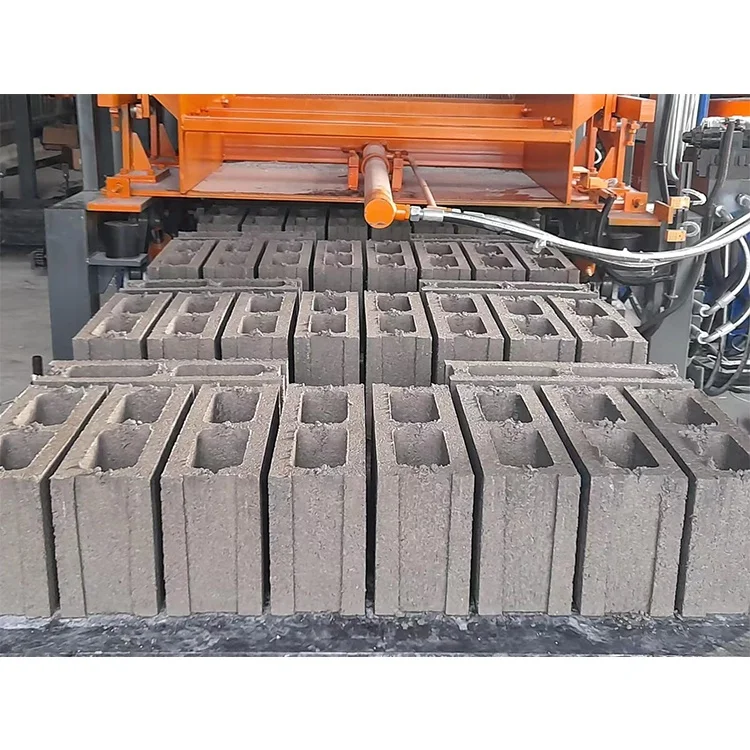
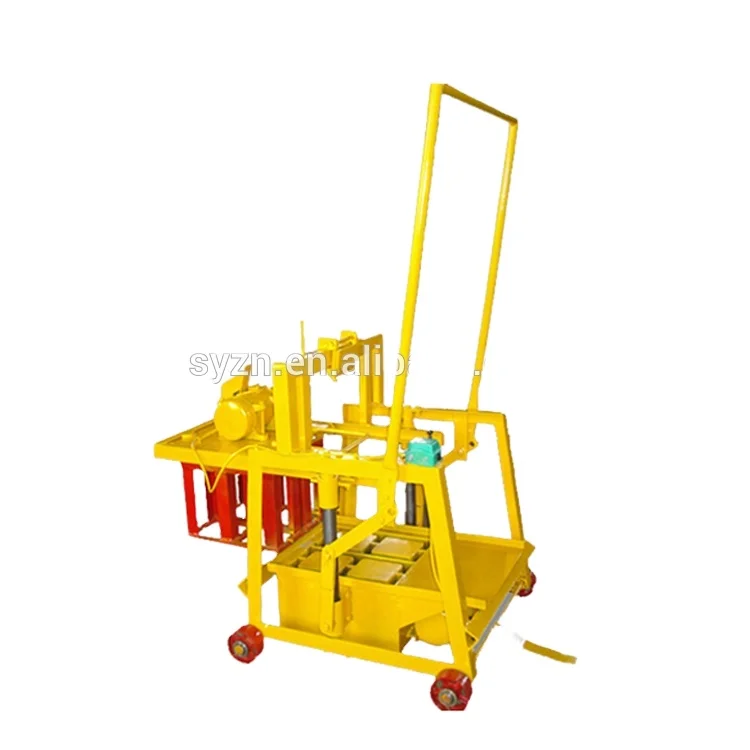 High quality block machine