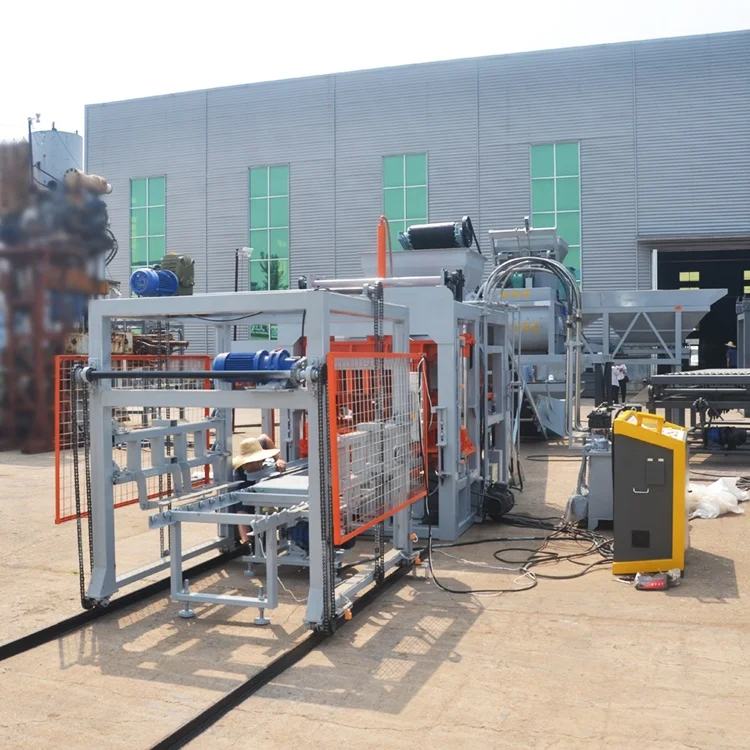
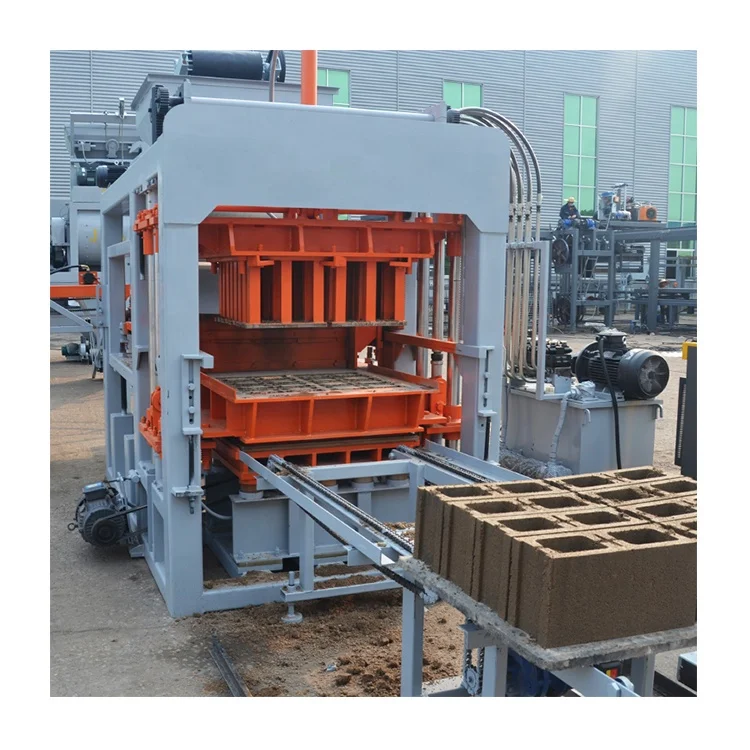
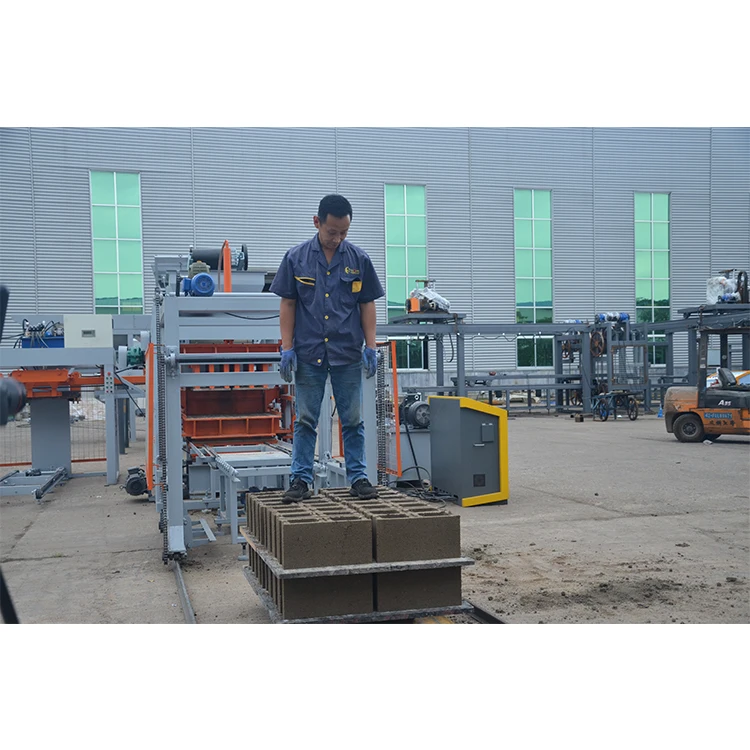
Matched System Sizing — every mould, pallet and handling station is configured around the QTJ4-25’s actual cycle time rather than pulled from a catalogue default, so the line delivers what the spec sheet promises.
Technical Specifications
| Parameter |
Value |
| Model |
QTJ4-25 |
| Product Type |
Automatic Concrete Block Making Machine |
| Overall Dimensions (L×W×H) |
3060×1730×2580mm |
| Total Mass |
4T |
| Rated Pressure |
16-21MPa |
| Vibration Force |
45.5kN |
| Vibration Frequency |
4200 r/min |
| Vibration Form |
Platform Vibration |
| Pallet Size |
850×550mm |
| Molding Cycle |
25-30s (basis not stated in source — confirm block format / material / thickness) |
| Overall Power |
14.9kW |
| Demolding Method |
Vibration |
| Required Factory Area |
200m² |
| Loading |
1×40HQ container (basic equipment) |
| Warranty |
1 year (excluding spare parts) |
Application Suitability
| Application |
Material or Output |
| Hollow block production for housing projects |
Crushed stone, sand, cement |
| Solid block manufacturing for load-bearing walls |
Gravel, cement, fly ash |
| Paving brick runs for walkways and yards |
Sand, dust, cement |
| Interlocking brick production for retaining walls |
Slag, cement, sand |
| Kerbstone forming for road infrastructure |
Crushed stone, cement, gravel |
| Colored paver runs for landscape projects |
Cement, sand, pigment additives |
What "25-30 Seconds" Actually Means for Your Daily Output
A cycle time is only honest when it names the exact block format it was measured on.
I have watched buyers receive a semi-automatic block machine and run hollow blocks for a full shift, only to find their daily tally sitting well below the brochure number. The reason is almost always the same: the quoted cycle assumed a thinner paver or a smaller solid block, not the 400×200×200mm hollow block the buyer’s market actually demands. When you are evaluating a QTJ4-25 automatic block machine manufacturer, the first document to ask for is a capacity calculation that states which format produced that 25-30 second figure. Without it, you are comparing machines on numbers that belong to different products entirely [NEED_CITE: block format assumptions in capacity quotations].

Placing the QTJ4-25 in the Shiyue Output Range
The Shiyue lineup spans mobile egg-layers at the entry end, semi-automatic presses like the QTJ4-25 in the mid tier, and fully automatic lines with cubing and stacking at the top. This model sits where a buyer has outgrown on-site mobile production and wants a stationary plant, but is not yet ready to invest in the pallet-return conveyors and automatic stackers of a high-volume line. Its 200m² footprint keeps the building cost manageable while still leaving room for a small curing area and raw material stockpile.
Who Benefits From This Tier
First-time block plant entrepreneurs typically land here because the capital requirement stays within a single container load, and the 14.9kW total power draw does not force a transformer upgrade on most light-industrial sites. Construction contractors who need a steady supply of hollow blocks and pavers for their own projects also find the mid tier attractive — it runs with a small crew and produces enough volume to keep a multi-unit housing site supplied without the overhead of a fully automatic line [NEED_CITE: block plant startup capacity planning].
How Pressure, Vibration and Mix Design Interact
The 16-21MPa rated pressure and 45.5kN vibration force on the QTJ4-25 work together to compact the concrete mix inside the mould cavity. Pressure alone would leave voids; vibration alone would let the mix settle unevenly. When both are correctly matched to the aggregate size and cement ratio the buyer actually sources locally, the resulting block reaches its target compressive strength straight off the pallet. The 4200 r/min platform vibration frequency is tuned for standard crushed-stone and sand mixes — if your local sand runs high in silt or clay, the vibration parameters may need adjustment during commissioning, which is why a raw material sample should arrive at the factory before the machine is built. The 850×550mm pallet size was chosen to handle common hollow block and paver mould footprints, but it also has to match the curing rack spacing and forklift tine width already on site.
The Cost of Skipping the Voltage Conversation
When voltage, frequency and PLC display language are left to the last minute, the machine arrives and sits idle while an electrician rigs a step-down transformer or the operator struggles through a control screen in a language they cannot read. I have seen commissioning delayed by weeks because the control panel was wired for a three-phase supply the buyer’s site simply did not have. Confirming these electrical details during the quotation stage costs nothing; correcting them after the container is opened is a different story entirely [NEED_CITE: voltage and frequency standards by export market].
Why Buyers Source This Tier Here
The QTJ4-25 automatic block machine manufacturer approach treats the press, mould, pallet and handling equipment as a single matched system instead of assembling components from separate suppliers. Configuration is set against the buyer’s actual mix design and target block format, not a catalogue default. Moulds are designed for the formats the buyer’s local market sells, including custom drawings when the standard range does not cover a niche shape. Automation level is selectable, so a buyer can start with manual pallet handling and add stacking equipment later without replacing the press itself. Installation support includes operator training and a wear parts list so the first replacement cycle does not catch the plant off guard.
Documentation & Verification
- Line layout stating the block format assumed for the 25-30s molding cycle
- Machine specification sheet with confirmed voltage and frequency
- Mould drawing and format list matching local market requirements
- Pallet specification aligned to buyer’s existing curing racks
- Factory test record captured before container loading
- Hydraulic and electrical schematic in agreed language
Installation, Commissioning & Support
- 200m² factory area required with level concrete floor rated for the 4T machine mass
- Three-phase power supply matching confirmed voltage and frequency for the 14.9kW total load
- Machine arrives in one 40HQ container; reassembly of vibration table and hopper on site
- First-run parameter tuning against buyer’s raw material sample and target block strength
- Operator training covers mould change procedure and daily vibration table inspection
- Wear parts list provided at handover with reorder lead times noted
Before You Send the Inquiry
To size the QTJ4-25 correctly within the full Shiyue range, share the block format and dimensions your market moves fastest, the daily volume you need to sustain, and the raw materials available within a reasonable haul distance of your site. Include your local voltage and phase configuration along with the pallet size your curing area and forklift are already set up for, so the supporting equipment can be matched before production begins.
Frequently Asked Questions
Q: How do I verify the QTJ4-25’s real daily output against the block format I actually sell?
A: Ask the supplier for a written capacity calculation that names the exact block dimensions, mould cavity count and material mix used to derive the cycle time. Compare that figure against a standard eight-hour shift allowing for pallet change, mould swap and routine stoppages. If your format differs from the one quoted, request a recalculated cycle before placing the order.
Q: Where does the QTJ4-25 sit compared to semi-automatic and fully automatic tiers in the Shiyue range?
A: It occupies the mid tier — a stationary semi-automatic press for buyers who have outgrown mobile egg-layers but do not yet need the conveyors and automatic stackers of a high-volume line. The 200m² footprint and single-container shipping make it practical for a first fixed plant while leaving an upgrade path open.
Q: What plant footprint and utility connections does the QTJ4-25 require on arrival?
A: Plan for a 200m² covered area with a level concrete floor capable of supporting the 4T machine mass. A three-phase power supply at the confirmed voltage must be available, rated for the 14.9kW overall draw. Space beside the press should accommodate raw material stockpiles and a pallet return lane.
Q: Which mould formats are included, and how long does a mould change take on this model?
A: Standard moulds typically cover hollow blocks, solid blocks and pavers, with custom formats available on request. The supplier should quote a mould change time based on an operator trained during commissioning; confirm this figure before delivery so you know the real format flexibility you are paying for.
Q: Is the QTJ4-25 the right starting point if I plan to upgrade to a higher-automation line later?
A: Yes — the press can be paired with manual pallet handling at the start, then connected to automatic feeders and stackers as output requirements grow. Discuss the upgrade path during the initial configuration so the foundation, electrical panel and PLC capacity accommodate future additions.

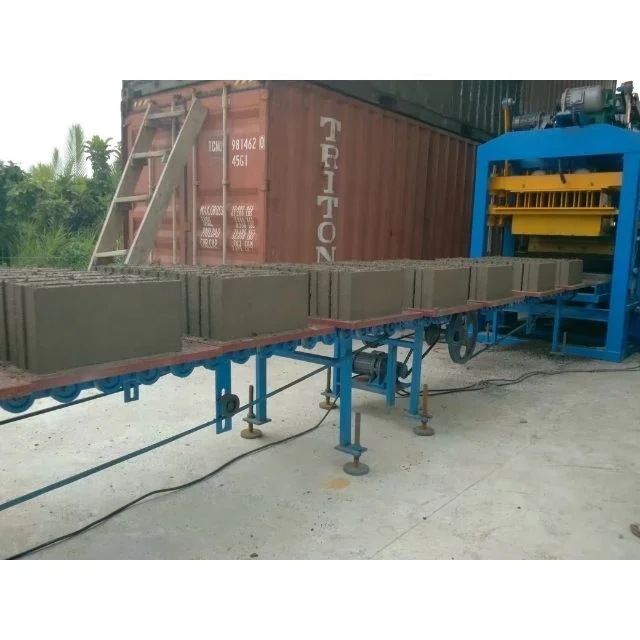
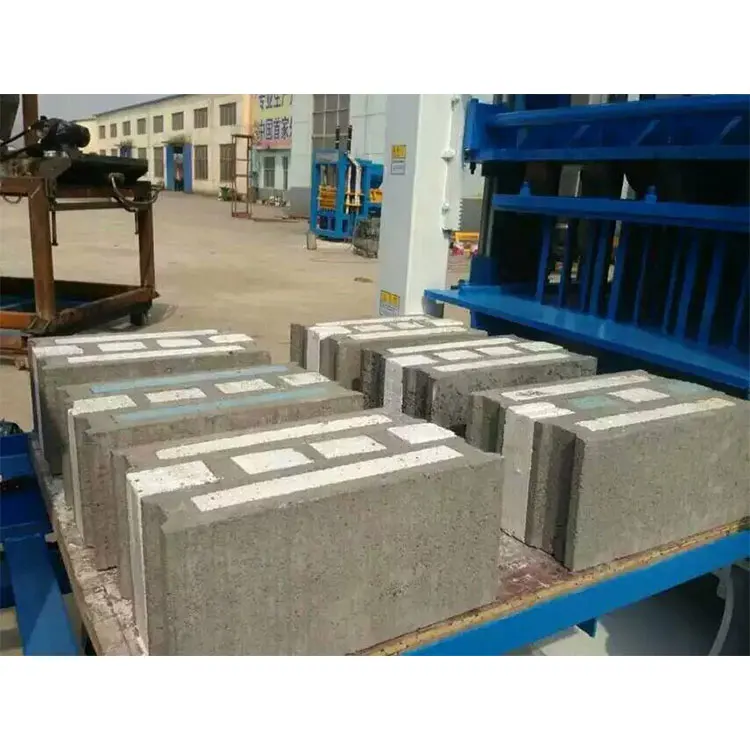 Automatic block machine