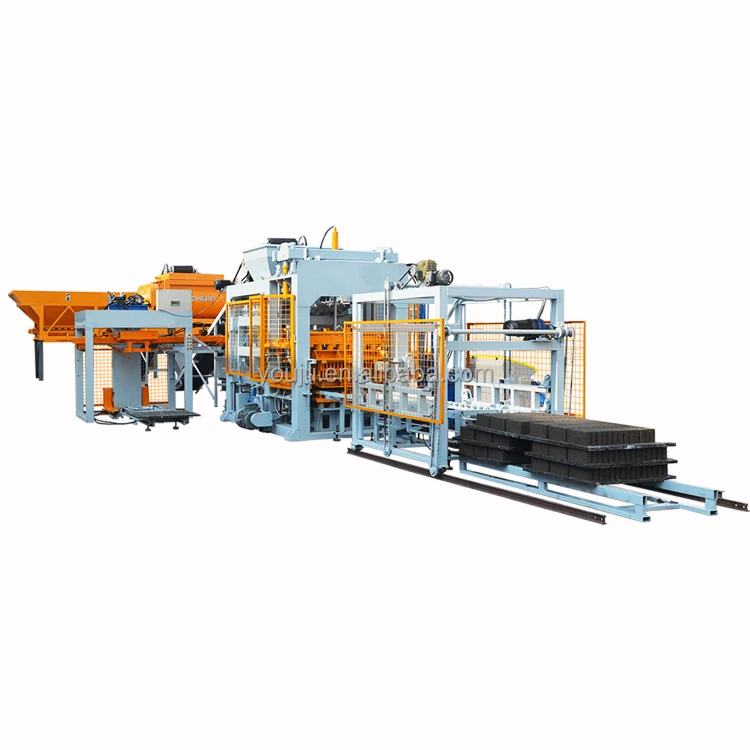
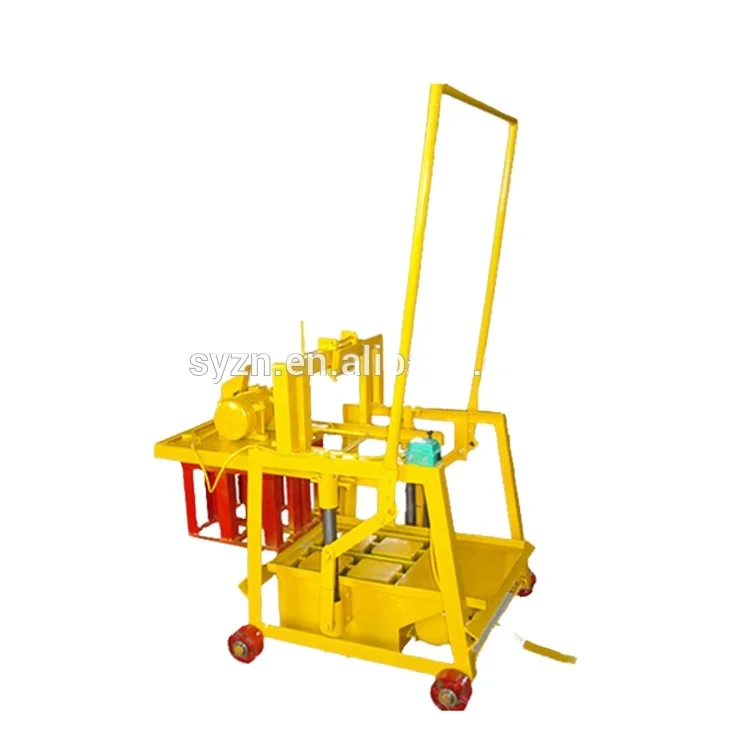
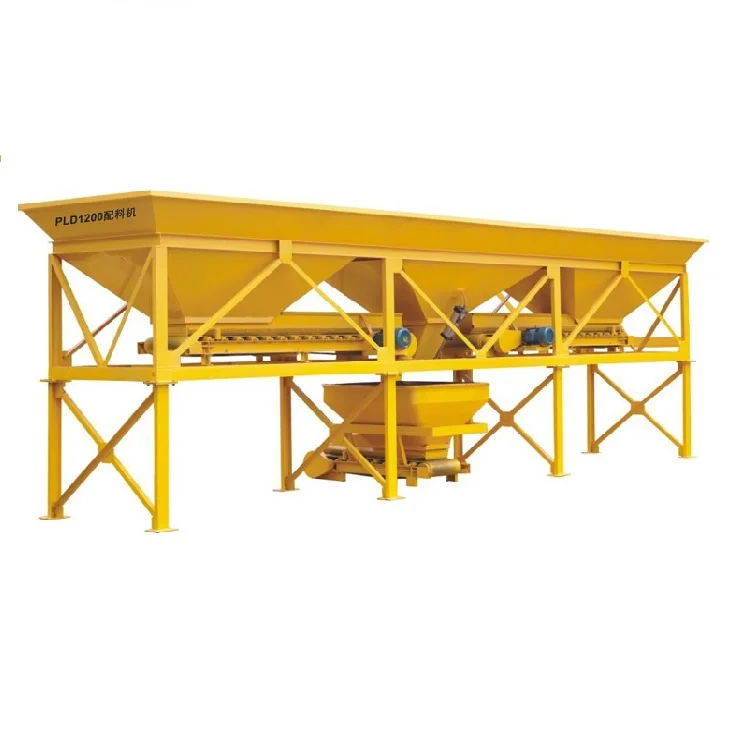
Matched system sourcing — the Eco Master 7000 is specified alongside its moulds, power unit and control logic as one coherent block press, not a catalogue line item shipped with unverified defaults.
Technical Specifications
| Parameter |
Value |
| Model |
Eco Master 7000 |
| Product Type |
Hydraulic Interlocking Brick Making Machine |
| Overall Dimensions (L×W×H) |
1660×1400×2380 mm |
| Net Weight |
1300 kg |
| Rated Power |
7.5 kW (electric motor) / 12 HP (diesel engine) |
| Voltage & Frequency |
380V, 3-phase, 50Hz (basis not stated in source — confirm local supply) |
| Hydraulic Pressure |
16–21 MPa |
| Cycle Time |
10–15 s per press |
| Output Capacity |
4000–6000 pcs/day (8h) (basis not stated in source — confirm block format, material and wall thickness) |
| Mould Format Examples |
Interlocking brick (300×150×100 mm or 250×125×60 mm) |
| Pallet Requirement |
None (palletless operation) |
| Automation Level |
Available in semi-automatic or automatic configuration |
| Assembly State |
Fully assembled, nude packing in container |
| Warranty |
1 year (excluding quick-wear parts) |
Application Suitability
| Application |
Material or Output |
| Interlocking clay brick production for housing developments |
Clay-cement mix or full clay mix, using locally available laterite or red soil |
| Small workshop block making for rural construction |
Solid interlocking bricks where pallet infrastructure is unavailable |
| Paving block runs for community roads and walkways |
Clay-based or sand-cement blends compacted through hydraulic pressure |
| On-site production for remote project locations |
Diesel-powered configuration where grid electricity is unreliable |
What "4000 to 6000 Pieces per Day" Leaves Out
Output figures only become real once they are tied to a specific brick size, wall thickness, and mix design.
When I worked through a project in Brazil a couple of years ago, a client ordered a hydraulic press based on a brochure capacity number. The local clay had high sand content, and the machine was never set up for that material profile. Output dropped to roughly half the quoted figure, and block strength fell below what the building inspector required. The interlocking brick machine manufacturer you choose should always anchor capacity to the exact format you intend to sell — whether that is a 300×150×100 mm interlocking brick or a smaller 250×125×60 mm paver. Without that anchor, you are planning a business around a number that may never materialise on your curing yard [NEED_CITE: block format assumptions in capacity quotations across the industry].

Where This Model Sits Across the Range
The Eco Master 7000 occupies the compact-to-medium tier of our interlocking brick machine manufacturer lineup. It is designed for buyers who need a dedicated hydraulic press without the capital commitment of a high-output automatic plant. The machine arrives fully assembled, meaning the footprint on your floor is essentially the 1660×1400 mm base you see in the specification table. This makes it a practical choice for entrepreneurs establishing a first brick plant inside an existing workshop or contractors who need block production directly at a housing project site.
Palletless Operation and What It Removes From Your Cost Sheet
One defining feature of this press is the palletless hydraulic system. Conventional block lines require thousands of production pallets — bamboo, PVC, or steel — that represent a recurring purchase, a storage headache, and a handling labour cost. With the Eco Master 7000, the interlocking brick is pressed and released directly, which eliminates pallet procurement entirely. For a small plant in a region where pallet supply chains are thin, this changes the economics of the first year of operation [NEED_CITE: palletless versus pallet-based block production cost structures].
Reading the Specs That Actually Shape Your Output
The hydraulic pressure range of 16–21 MPa is the single most important figure for interlocking brick density. Higher pressure compacts the clay-cement mix more tightly, producing a brick with greater compressive strength — but only if the mix design supports it. A clay with high sand content may need pressure at the upper end of the range, while a pure laterite mix may achieve target strength at lower pressure. The cycle time of 10–15 seconds per press determines your rhythm; a consistent operator or automatic feed system keeps this interval steady, while manual loading introduces variation. The rated power of 7.5 kW on the electric motor or 12 HP on the diesel engine tells you the press is sized for small-to-medium continuous runs, not industrial three-shift operation. Voltage at 380V three-phase 50Hz is the default, but this must be confirmed against your local supply before production begins — arriving with the wrong motor specification delays commissioning by weeks.
The Hidden Cost of Skipping Configuration
Buyers who order a block press without confirming mould format, voltage, and automation level often discover the real expense only after the container arrives. A mould that does not match the interlocking profile your local market expects means paying for a second mould and losing production weeks. A motor wound for the wrong frequency burns out under load, voiding the warranty on electrical components. And choosing semi-automatic operation when your labour market is tight leaves you scrambling for reliable operators during peak construction season [NEED_CITE: common commissioning delays caused by unconfirmed electrical and mould specifications].
Why Source This Press Through Our Range
Block machinery is our single focus, which means the Eco Master 7000 is never treated as a standalone item. The mould, hydraulic circuit, and control logic are specified as one matched set. Capacity calculations we provide state the exact brick format assumed, so there is no guesswork about daily output on your curing rack. Mould design covers the interlocking profiles your market actually sells, and custom drawings are available when standard formats do not fit. Automation level is selectable — you can start with semi-automatic operation and upgrade to automatic feeding and stacking when volume justifies it. Installation support includes operator training so your team understands mould change procedures, hydraulic pressure adjustment, and daily maintenance from the first week.
Documentation & Verification
- Line layout showing the Eco Master 7000 footprint and material flow path
- Capacity calculation sheet tied to your specified interlocking brick format
- Machine specification with confirmed voltage, frequency, and hydraulic pressure range
- Mould drawing and format list matching the profiles your market requires
- Factory test record conducted on your target mix before container loading
- Operation and maintenance manual in your operator’s working language
Installation, Commissioning & Support
- Foundation pad must be level concrete to support the 1300 kg net weight without vibration transfer
- Electrical supply confirmed at 380V three-phase 50Hz, or alternate specification documented before motor winding
- Machine arrives fully assembled; only mould mounting and hydraulic line checks required on site
- First-run commissioning includes hydraulic pressure calibration across the 16–21 MPa range for your mix
- Operator training covers mould change sequence, cycle time management, and daily greasing points
- Wear parts list provided with part numbers for hydraulic seals and mould liner replacements
What We Need to Build Your Quotation
To give you a meaningful proposal on the Eco Master 7000, share the interlocking brick dimensions your market requires, the clay or soil type available locally, and your target daily output. We also need your site voltage and frequency, plus whether you plan to run the press on electric or diesel power. If you have existing curing space or handling equipment, let us know so we can match the automation level accordingly.
Frequently Asked Questions
Q: How is daily output verified and which block format is the capacity figure based on?
A: The 4000–6000 pieces per day figure depends entirely on the brick size, mix design, and operator rhythm. Before quotation, we calculate output tied to your specific interlocking format — for example, a 300×150×100 mm brick yields fewer pieces per cycle than a 250×125×60 mm paver. The capacity sheet you receive states the exact format assumed.
Q: What voltage, frequency, and control options are available for my market?
A: The standard specification is 380V three-phase at 50Hz, but this must be confirmed against your local grid before the motor is wound. Control can be configured as manual valve operation or basic PLC depending on automation level selected. We verify all electrical parameters during the inquiry stage to prevent commissioning delays.
Q: What is the difference between semi-automatic and automatic configuration on this model?
A: Semi-automatic requires an operator to manage material feeding and brick removal manually, keeping investment lower. Automatic configuration adds controlled feeding and ejection sequences, reducing labour per shift and improving cycle consistency. Both options use the same hydraulic core, so upgrading later is possible.
Q: How is the machine configured for my local clay and cement availability?
A: We request a sample of your local clay or soil and run a test to determine the right hydraulic pressure within the 16–21 MPa range and the suitable cement ratio. The Brazilian project I referenced earlier showed what happens when this step is skipped — block strength dropped and output halved against the quoted figure.
Q: What moulds and wear parts are available when the first replacement is due?
A: Moulds are manufactured for the interlocking profiles your market sells, including custom designs from buyer drawings. A complete wear parts list with part numbers for hydraulic seals, mould liners, and vibration components is supplied with the machine, so replacements can be ordered before your first changeover is needed.

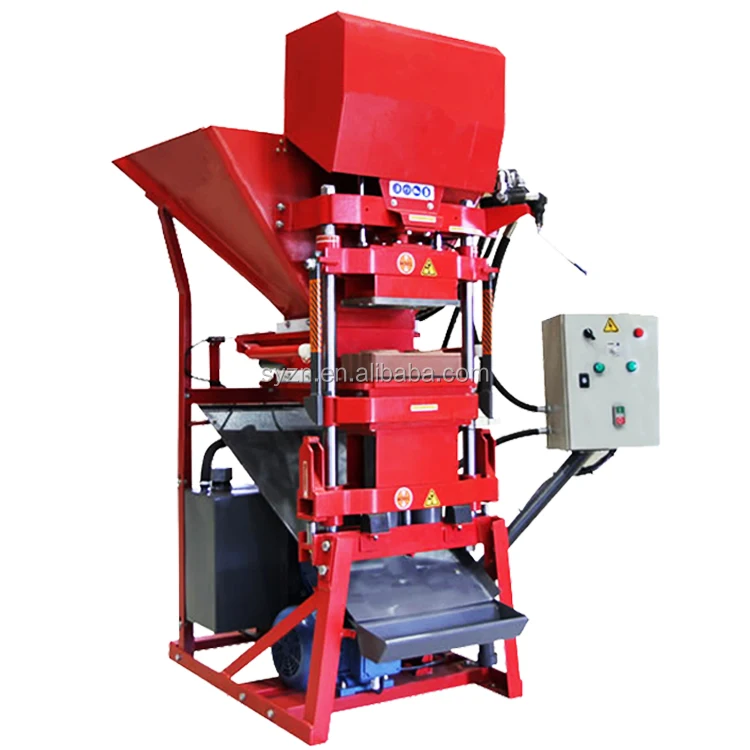
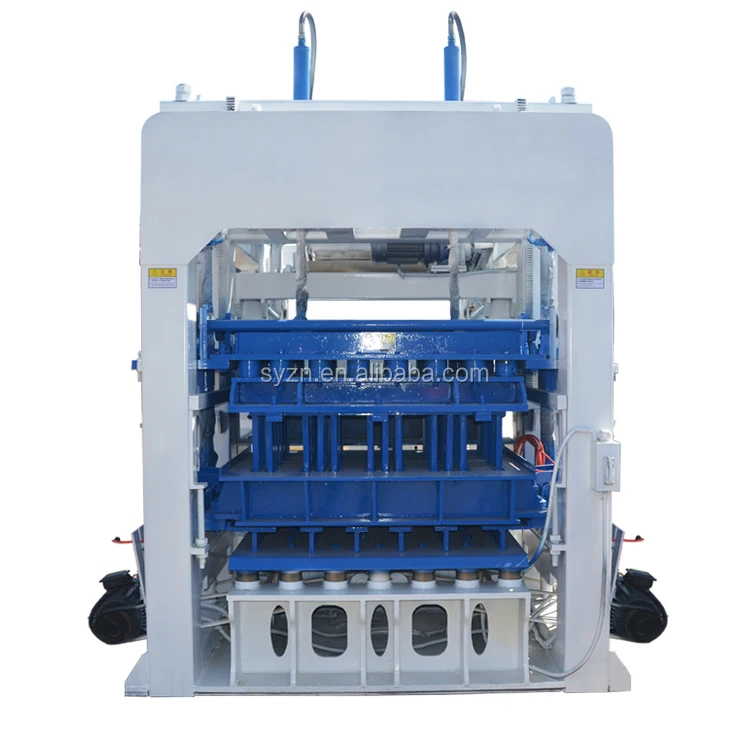 Automatic block machine