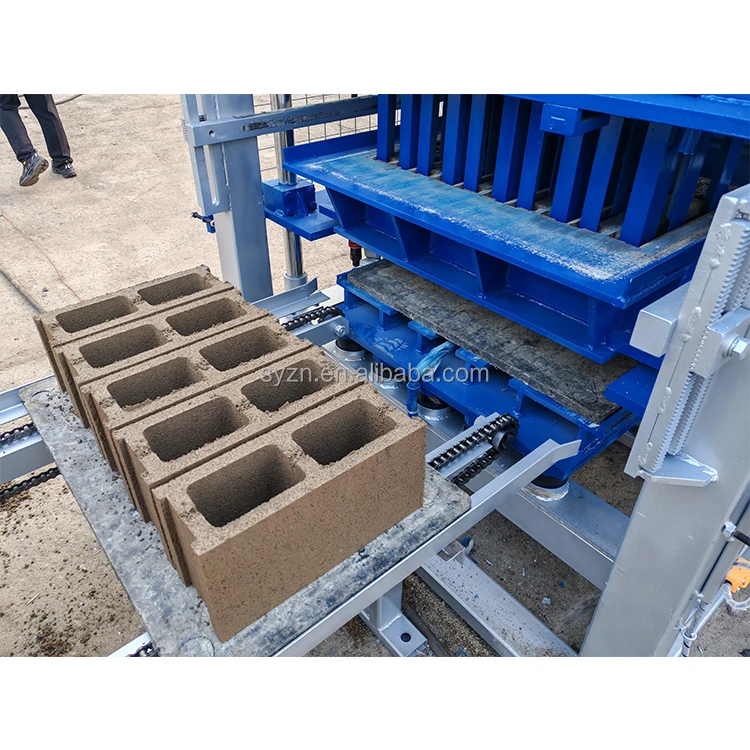
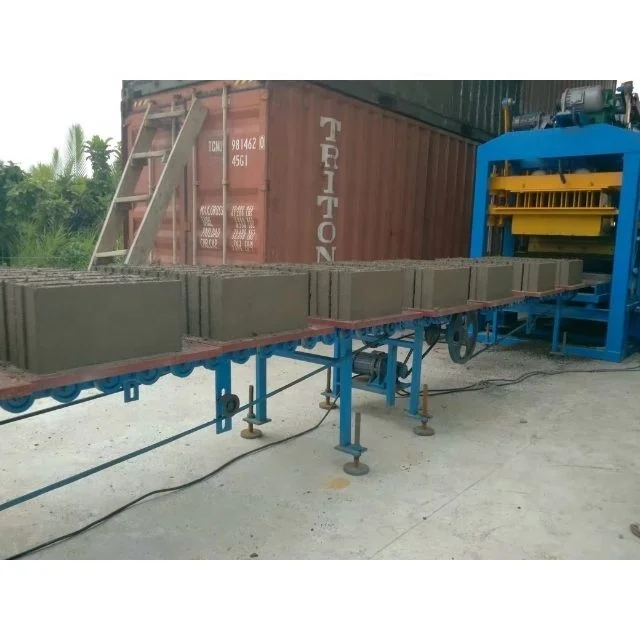
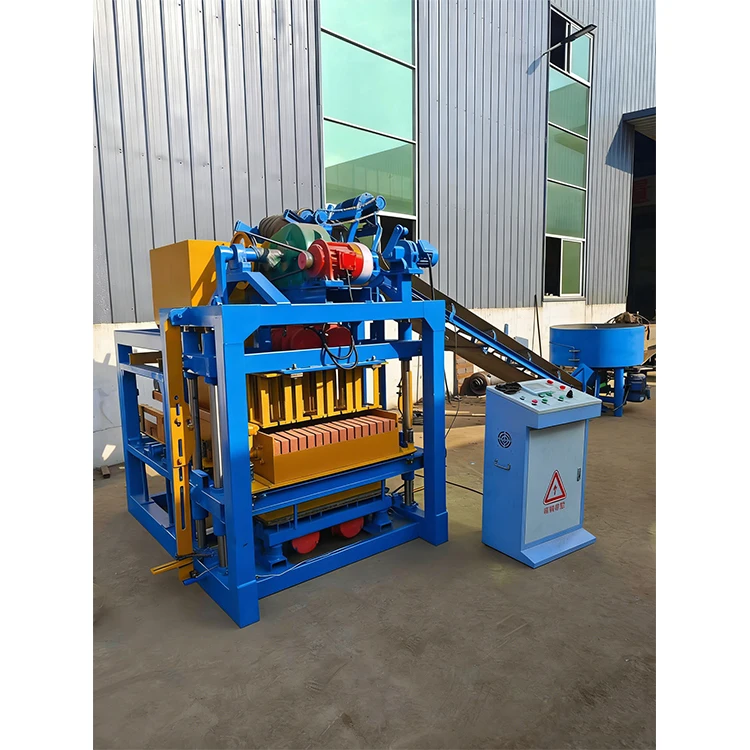
Matched system engineering — the QT8-15 automatic block machine manufacturer specifies press, pallet, mould and handling as one verified line rather than assembling separate units from unrelated suppliers.
Technical Specifications
| Parameter |
Value |
| Product Type |
Fully Automatic Hydraulic Concrete Block Making Machine |
| Model |
QT8-15 |
| Overall Dimensions (L×W×H) |
8300 x 1860 x 3000 mm |
| Rated Power |
37 kW |
| Vibration Form |
Platform Vibration |
| Vibration Frequency |
2800–4500 RPM |
| Pallet Size |
950 x 900 mm |
| Moulding Cycle |
15–25 s (basis to be confirmed); 20–25 s with color feeding |
| Brick Height Range |
50–200 mm |
| Control System |
PLC with touch screen HMI |
| Hydraulic System |
Independent integrated hydraulic station |
| Output Capacity |
1912 pcs/h, 15300 pcs/8h (based on 400×200×200 mm hollow block, 8 pcs/mould) |
| Block Compressive Strength |
up to 15 MPa |
| Raw Materials |
fly ash, slag, gangue, industrial waste, river sand, gravel, cement |
| Voltage & Frequency |
Configurable per destination (confirm before order) |
| HMI Language |
Configurable (confirm before order) |
Application Suitability
| Application |
Material or Output |
| Hollow block production for load-bearing walls |
Cement, river sand, gravel, crushed stone aggregate |
| Solid standard brick for residential construction |
Cement, fly ash, slag, gangue mix |
| Porous block for thermal insulation panels |
Cement blended with industrial waste and lightweight aggregate |
| Interlocking paving block for commercial yards |
Cement, fine aggregate, optional color pigment with feeder |
| Kerbstone and grass block for municipal landscaping |
Coarse aggregate and cement mix via mould change |
What "15,000 Blocks a Day" Actually Means on the QT8-15
Capacity figures only hold when the block format, mix design and cycle time are all stated together.
When I was commissioning a fully automatic line in West Africa, the buyer had purchased based on a headline output number. The local river sand carried a high clay fraction that the catalogue test had never seen. Vibration parameters that produced dense blocks at the factory left the field output crumbly and weak. We spent two weeks adjusting the water-cement ratio and dropping the vibration frequency before the QT8-15 block machine for sale could hold its rated density on local aggregate. A single "pcs per hour" claim hides the format it assumes, the moisture content it expects, and the pallet cycle it depends on [NEED_CITE: aggregate testing standards for concrete block production].

Placing the QT8-15 Inside the Full Machine Range
The QT8-15 sits in the mid-to-high output tier of the automatic block machine range. Below it, semi-automatic models reduce capital outlay but require manual pallet handling between the press and the curing yard. Above it, higher-tier automatic lines add robotic cubing and rack systems that suit large-scale distributors running multiple shifts. The QT8-15 automatic block machine manufacturer positions this model for buyers moving off a smaller press or starting a first fully automatic plant with room to add automation later.
Where Output Tiers Meet the Buyer’s Real Market
A buyer producing hollow blocks for a local housing project will run the QT8-15 at a very different daily volume than one pressing thin paving bricks for a municipal contract. The machine’s 15–25 second cycle covers both ends, but the mould cavity count shifts the hourly total from around 1,900 hollow blocks to over 4,600 pavers. Choosing the tier means matching the format your market actually buys, not chasing the highest headline number on a catalogue page [NEED_CITE: concrete block market format demand by region].
How Vibration, Hydraulics and Pallet Size Shape Block Density
Platform vibration at 2800–4500 RPM works with the independent integrated hydraulic station to compact the mix in two directions simultaneously. Higher frequency suits fine aggregate; lower frequency penetrates coarser stone. The 950 x 900 mm pallet must align with the curing yard spacing and the forklift tine width already on site, or blocks will be double-handled before they even cure. Brick height range from 50 to 200 mm means a single press covers hollow, solid, porous and paving formats, but each change requires the mould to be swapped and the PLC recipe recalled — a step that takes operator training, not just hardware.
The Hidden Cost of Skipping the Voltage Conversation
Buyers who confirm voltage after the machine is already in production have faced multi-week delays while transformers and PLC boards are re-specified. The QT8-15 runs on a configurable electrical package, but the destination country’s frequency — 50 Hz or 60 Hz — changes motor speed and therefore vibration behaviour. An HMI locked to a language the operators cannot read adds days to commissioning. These are line-items that cost nothing to fix at order stage and weeks to fix after arrival [NEED_CITE: voltage and frequency standards by export market].
Why Source This Automatic Block Machine Manufacturer
Block machinery is the single focus here, so the QT8-15 leaves the factory with its mould, pallet and handling stations specified as a matched set. Configuration starts from the buyer’s own mix design and local aggregate sample, not a default catalogue recipe. Mould drawings are produced for the formats the buyer’s market actually sells, including custom profiles. Automation level is selectable, allowing a semi-automatic start with a defined upgrade path. Factory testing runs the buyer’s chosen block format before packing, so the test record reflects real conditions.
Documentation & Verification
- Line layout showing QT8-15 footprint with curing yard and pallet return loop
- Capacity calculation sheet stating the exact block format and cycle time assumed
- Factory test record on buyer’s specified aggregate mix and block dimensions
- Hydraulic and electrical schematic with confirmed voltage and frequency
- Mould drawing set covering every format included in the purchase order
- Packing photographs documenting machine condition before container loading
Installation, Commissioning & Support
- Foundation plan sized to the 8300 x 1860 mm QT8-15 footprint and dynamic load
- Dedicated power circuit matching confirmed voltage and the 37 kW rated draw
- On-site assembly of pallet feed, press, conveyor and stacker stations
- PLC recipe setup for buyer’s block format, cycle time and target density
- Operator training on mould change procedure within the 50–200 mm height range
- Wear parts and mould list supplied for first replacement planning
Before You Request a Quote
Tell us the block format your market buys most — hollow, solid, porous or paving — and the daily volume you need to sustain. Share a sample or analysis of your local aggregate, including moisture and clay content. Confirm the site voltage, frequency and the language your operators will use on the HMI. If you already have a curing yard and forklift, send the dimensions so the 950 x 900 mm pallet specification can be verified against them.
Frequently Asked Questions
Q: How does the QT8-15 compare to semi-automatic and mobile block machines in the same range?
A: The QT8-15 sits above semi-automatic models that need manual pallet transfer, offering a PLC-controlled cycle from feed to stack. Mobile egg-laying machines avoid pallets entirely but produce lower daily volume on a single format. Buyers comparing investment levels should weigh labour cost, floor space and the number of block formats they plan to run.
Q: What plant footprint should I plan for with this output tier?
A: The press itself occupies roughly 8.3 by 1.9 metres, but the full line includes mixer, batching station, pallet return conveyor and curing rack area. Ceiling height must clear the 3-metre machine frame plus maintenance access. A simple line layout drawing confirms exact spacing before foundation work begins.
Q: How is the quoted capacity verified for my specific block format?
A: Each capacity figure carries the block dimensions and mould cavity count it assumes. The factory test runs your chosen format with your aggregate sample, and the resulting test record travels with the shipment so you can compare field output against the documented baseline.
Q: Can I start semi-automatic and add full automation later?
A: The machine frame and hydraulic station remain the same across automation levels. Pallet feeding, stacking and cubing stations can be added as separate modules once production volume justifies the investment, avoiding an entirely new press purchase.
Q: Which electrical details must I confirm before the QT8-15 ships?
A: Voltage, frequency and HMI display language all need written confirmation. Frequency affects motor speed and vibration behaviour, while the correct HMI language cuts commissioning time. These details are locked at the production stage, not after the machine arrives on site.

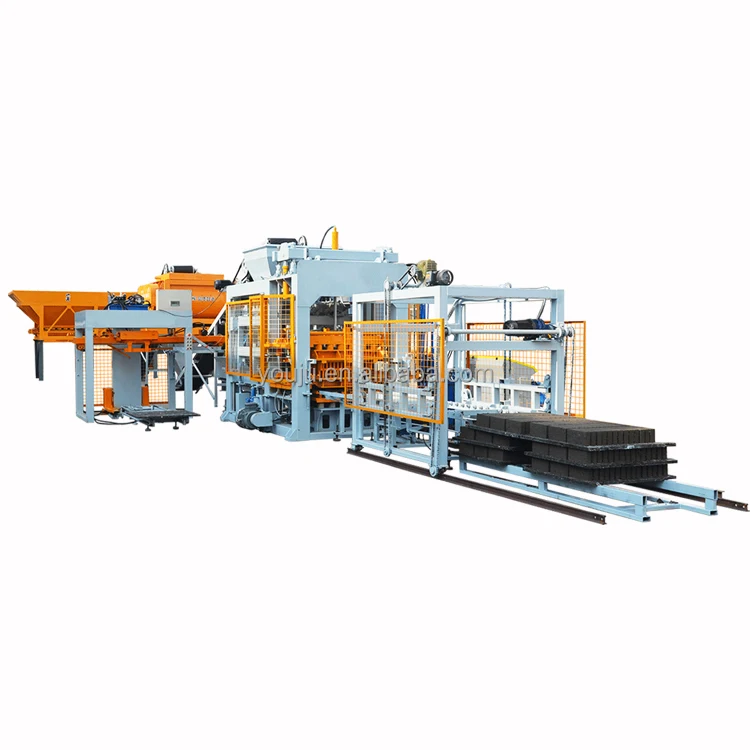
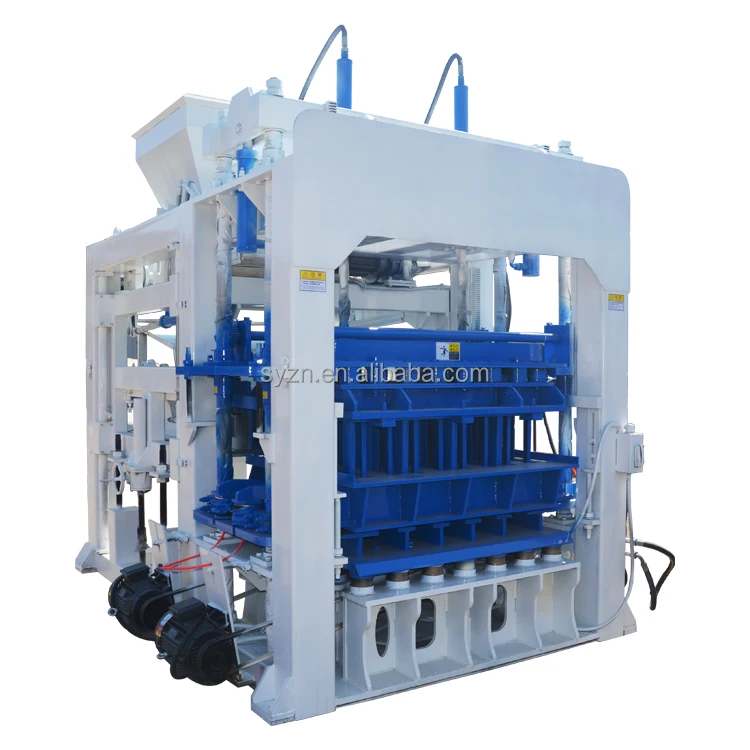 Automatic block machine