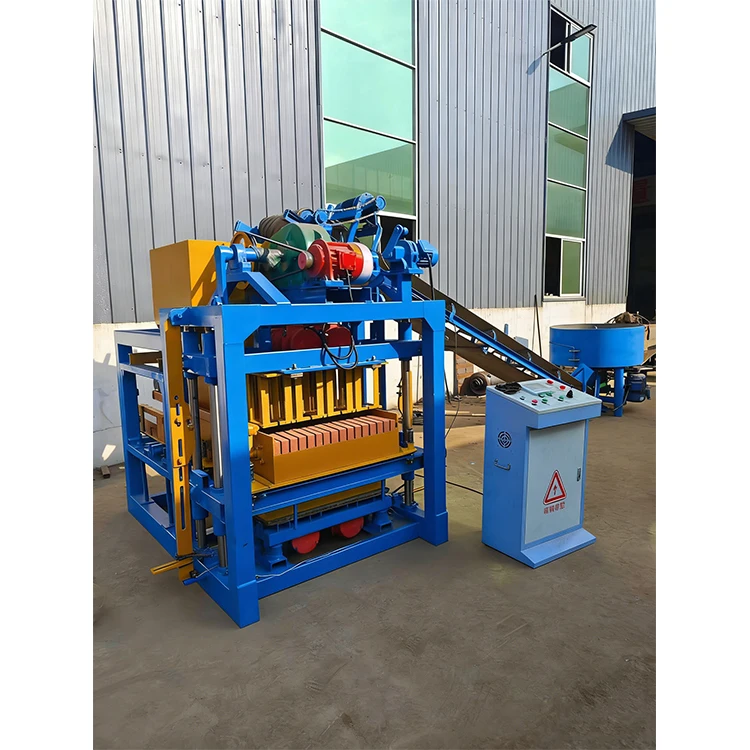
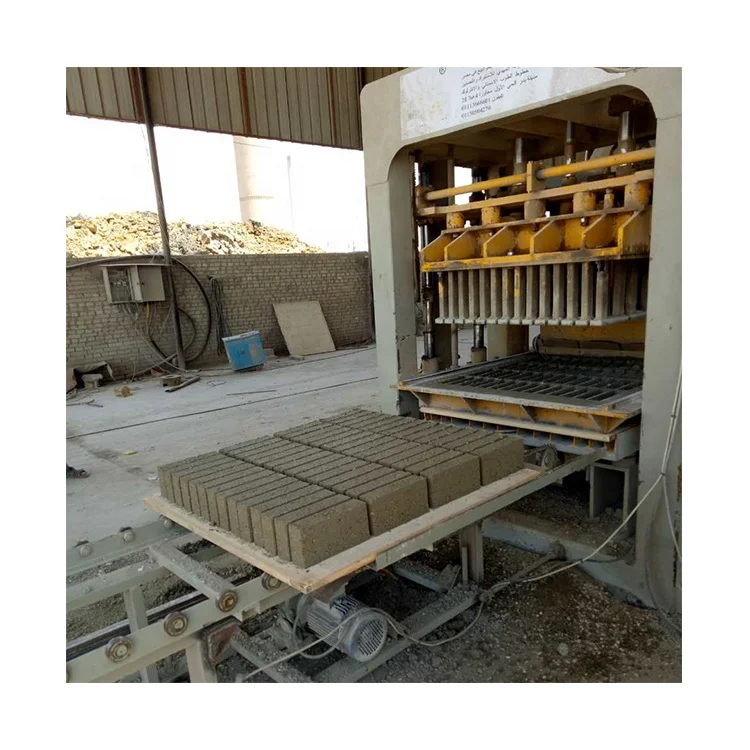
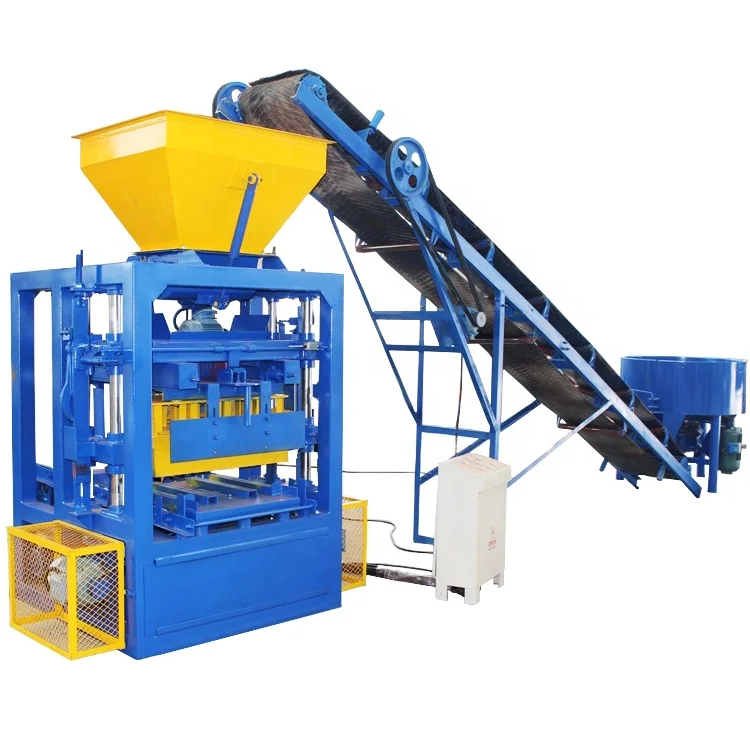
Matched System Design — Every QTJ4-26 block machine leaves our facility with its moulds, pallets, and handling equipment verified as one working unit, not a collection of separate purchases forced together on site.
Technical Specifications
| Parameter |
Value |
| Product Type |
Small Scale Concrete Block Making Machine |
| Moulding Area |
850 × 550 mm |
| Cycle Time |
26 seconds per cycle (basis to be confirmed) |
| Forming Method |
Mechanical vibration and hydraulic pressure |
| Power Supply |
Configurable voltage and frequency to destination market |
| Control Interface |
PLC with selectable display language |
| Pallet Size |
Matched to moulding area and curing rack dimensions |
| Mould Types Supported |
Hollow block, solid block, paving block, interlocking brick |
| Automation Level |
Semi-automatic with manual pallet handling, upgradeable |
| Machine Footprint |
Compact layout suited to workshop-scale operations |
Application Suitability
| Application |
Material or Output |
| Hollow block production for load-bearing walls |
Crushed stone, sand, cement, fly ash blends |
| Solid concrete block manufacturing |
Dense aggregate mixes with standard cement ratios |
| Paving block and interlocking brick production |
Fine aggregate and pigment combinations |
| On-site production for housing projects |
Locally sourced sand, gravel, and cement |
| Kerbstone and channel block forming |
High-strength dry-mix concrete formulations |
What Buyers Miss When Comparing Small Block Machines
The output figure on a spec sheet is only meaningful when tied to the exact block format being produced.
I have watched buyers sign contracts based on a cycle-time number, then discover on arrival that the quoted pace assumed a solid paver rather than the hollow blocks their market actually demands. With the QTJ4-26 concrete block making machine, a 26-second cycle on one format does not translate directly to another, because mould cavity count, vibration duration, and fill depth all shift with the product geometry. [NEED_CITE: how block format assumptions distort capacity claims in machinery listings].

Where This Machine Fits in a Growing Plant
The QTJ4-26 sits at the entry point of our range, intended for buyers who need to produce blocks without committing to a fully automatic line. It handles the core pressing and vibration forming, while pallet movement, stacking, and curing remain manual tasks. This keeps the initial investment contained and lets an operator learn the process before deciding whether to add automation later. Small-scale concrete block making machines in this class are often the first unit a new plant acquires.
Planning the Upgrade Path Before You Need It
Semi-automatic operation means an operator places and retrieves pallets by hand, which is manageable at lower volumes but becomes a bottleneck as demand grows. The QTJ4-26 is designed so that automatic pallet feeders, stacking systems, and curing rack handlers can be introduced as separate modules when the production rhythm justifies them. [NEED_CITE: modular automation upgrade paths in block production lines]. Buyers who plan this progression avoid the cost of replacing an entire machine when volume increases.
Matching Vibration Force, Pressure, and Local Aggregate
Block strength depends on how well the vibration energy and hydraulic pressure work together to compact the specific aggregate blend available in the buyer’s region. The QTJ4-26’s mechanical vibration system and hydraulic clamping must be adjusted to the density and particle shape of the sand, crushed stone, or fly ash the buyer can actually source. A machine tuned for a fine-graded European aggregate may underperform when fed with coarser local gravel, producing blocks that crumble at the edges or fail compressive strength tests. Getting this match right during configuration is more important than any single number on the data sheet.
The Cost of Skipping the Voltage Conversation
A QTJ4-26 shipped to a European buyer once arrived with its PLC display still showing Chinese characters and configured for a voltage standard that did not match the site’s supply. Commissioning stalled for days while we arranged a translator and reprogrammed the control system. Every small-scale concrete block making machine we now dispatch goes through a pre-shipment checklist that confirms the target market’s voltage, frequency, and the operator’s preferred display language before the crate is sealed. [NEED_CITE: voltage and frequency standards by export market].
Why Buyers Choose This Range
Block machinery is our single focus, which means the QTJ4-26 is never sold as a standalone press and left to fit itself into a mismatched line. Moulds are designed for the formats the buyer’s market actually purchases, including custom drawings when standard shapes do not cover local demand. Pallet dimensions are chosen to align with the curing area and forklift equipment the buyer already operates. Configuration is set against the buyer’s mix design and local aggregate, not pulled from a catalogue default. Installation support includes operator training so the team running the machine understands both its capabilities and its adjustment points.
Documentation & Verification
- Machine specification sheet listing every confirmed parameter for your QTJ4-26
- Mould drawing and format list showing cavity count and block dimensions
- Voltage and control language confirmation signed before production begins
- Factory test record run on the agreed block format before dispatch
- Pallet specification matched to your curing rack and handling equipment
Installation, Commissioning & Support
- Foundation pad must accommodate the QTJ4-26 footprint with level tolerance for stable vibration
- Dedicated power circuit sized to the confirmed voltage and total rated load
- Machine arrives partially dismantled for container loading, with reassembly on site
- PLC display language and voltage setting verified again at first power-up
- Operator training covers mould change procedure, vibration adjustment, and daily maintenance
- Wear parts list and mould inventory provided for first replacement planning
What We Need to Size Your Line Correctly
Tell us which block formats sell in your market and the daily output you need to meet. Share the raw materials you can source locally, including aggregate type and cement availability. Confirm your site’s voltage and frequency, the PLC display language your operators prefer, and whether you already have pallets, forklifts, or curing racks we should match to.
Frequently Asked Questions
Q: Can the QTJ4-26 produce different block formats without buying a new machine?
A: Yes. The QTJ4-26 accepts interchangeable moulds for hollow blocks, solid blocks, paving blocks, and interlocking bricks. Mould change takes manual effort but does not require a full shift. We design each mould set to the dimensions your market demands, and custom mould drawings are available for non-standard formats.
Q: How do we know the pallet size will fit our existing curing area?
A: We confirm your curing rack dimensions and forklift capacity before specifying pallets. Pallet size is chosen to match both the moulding area of the QTJ4-26 and the handling equipment already at your site, avoiding a mismatch that would force manual repositioning.
Q: What happens if we need more output later?
A: The semi-automatic QTJ4-26 supports modular upgrades. Automatic pallet feeding, stacking systems, and curing rack handlers can be added as separate stations when your volume grows, letting you scale the line without replacing the press itself.
Q: Will the control system work in our local voltage and language?
A: Voltage, frequency, and PLC display language are confirmed before production. Every QTJ4-26 is tested at the agreed voltage setting and with the chosen language loaded, so the machine is ready for commissioning on arrival without reprogramming delays.

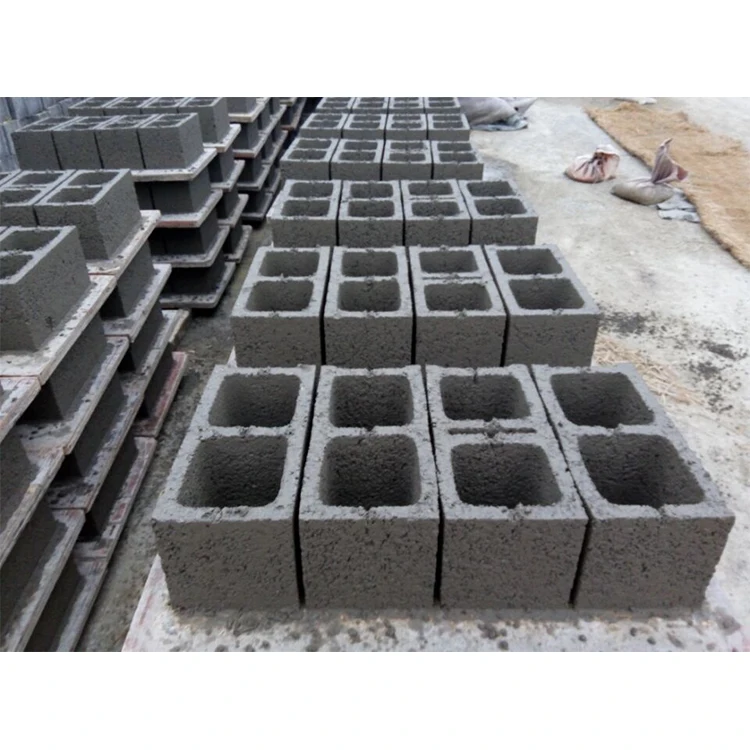
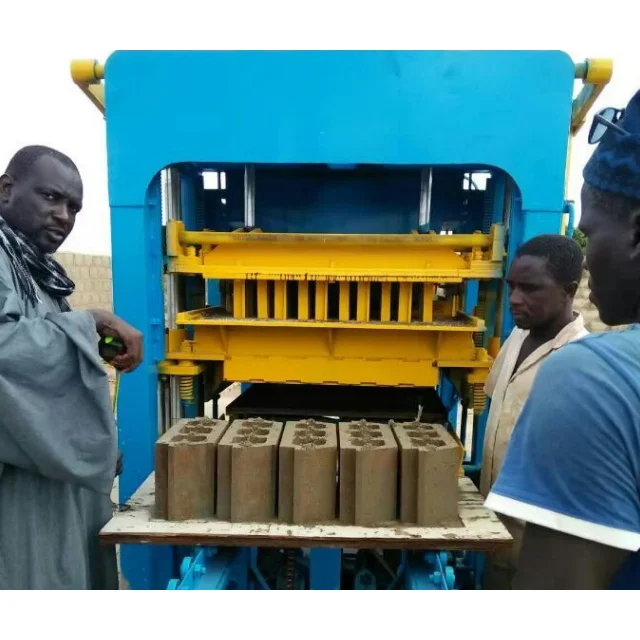 Automatic block machine