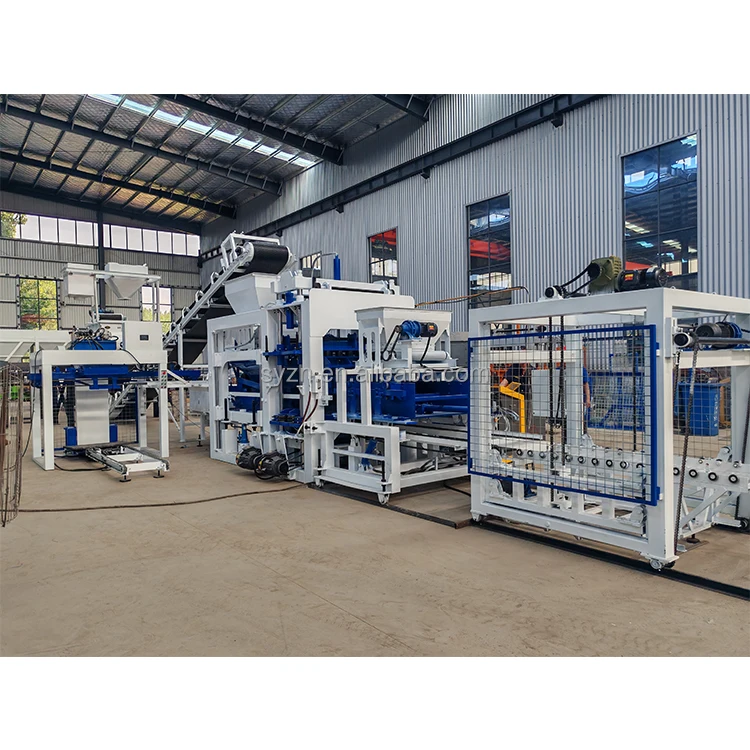
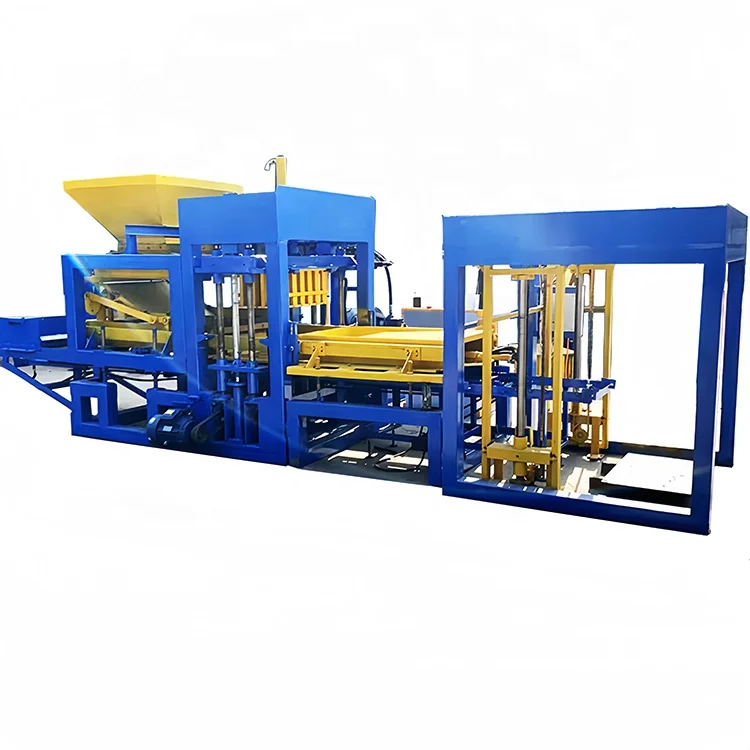
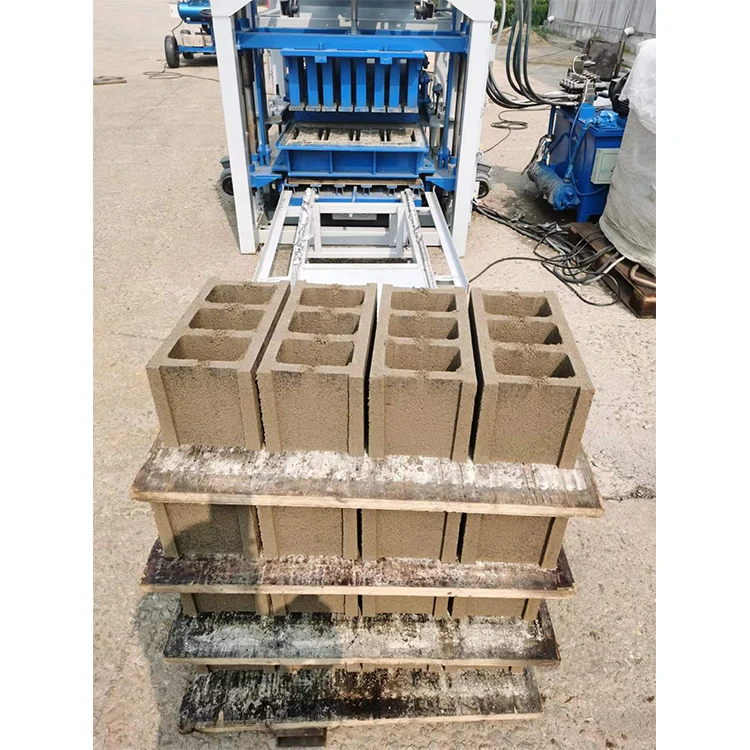
Matched System Integration — Block machine, moulds, pallets, and handling specified together so the QT6-15 operates as a coordinated line rather than a collection of separate components.
Technical Specifications
| Parameter |
Value |
| Model |
QT6-15 |
| Product Type |
Hydraulic Concrete Block Making Machine |
| Overall Dimensions (L×W×H) |
8200×1700×2950 mm |
| Vibration Frequency |
0-60 Hz |
| Vibration Force |
45 kN |
| Vibration Form |
Platform Vibration |
| Pallet Size |
880×850 mm |
| Molding Cycle |
15-20 s (basis not stated in source) |
| Overall Power |
37 kW |
| Total Mass |
7 T |
| Demolding Method |
Hydraulic |
| Factory Area Requirement |
1200 m² |
| Control System |
PLC with touch screen interface |
| Output Capacity (400×200×200 mm hollow block) |
1080-1440 pcs/h |
| Output Capacity (400×150×200 mm hollow block) |
1440-1920 pcs/h |
| Output Capacity (240×115×53 mm solid brick) |
5760-7680 pcs/h |
| Output Capacity (200×100×60 mm rectangular paver) |
2160-2880 pcs/h |
| Output Capacity (225×112.5×60 mm zigzag paver) |
2160-2880 pcs/h |
| Compressive Strength |
>15 MPa |
| Hydraulic System |
Independent integrated hydraulic station |
| Warranty |
1 year (excluding spare parts) |
Application Suitability
| Application |
Material or Output |
| Hollow Block Production |
400×200×200 mm and 400×150×200 mm formats from crushed stone, sand, and cement |
| Solid Brick Production |
240×115×53 mm bricks using waste ash, slag, and aggregate blends |
| Rectangular Paver Production |
200×100×60 mm pavers from fine aggregate and cement |
| Zigzag Paver Production |
225×112.5×60 mm interlocking pavers using standard concrete mixes |
What "1080 Pieces per Hour" Actually Means for Your Project
Capacity figures without a block format attached are not capacity figures.
Buyers often receive quotations stating a machine produces over a thousand blocks per hour, only to discover that number assumed a hollow block format while their market demands solid bricks or pavers with entirely different cycle times and mould cavity counts. The QT6-15 block machine manufacturer addresses this by tying every output number to a specific block size. A 400×200×200 mm hollow block yields a different hourly count than a 240×115×53 mm solid brick, and the difference compounds across a ten-hour shift. [NEED_CITE: block format impact on daily production planning]

Positioning the QT6-15 Within the Automatic Block Machine Range
The QT6-15 block machine manufacturer positions this model in the mid-to-upper tier of the automatic range. It sits above semi-automatic machines where pallet handling remains manual, and below high-capacity lines that demand larger factory footprints and more substantial infrastructure investment. For buyers evaluating whether to step up from a smaller semi-automatic setup or scale back from a fully continuous plant, the QT6-15 represents a middle ground with PLC-controlled automation across the entire forming cycle.
Where This Tier Fits for First-Time Plant Buyers and Established Producers
First-time buyers setting up an initial block plant often find the QT6-15 tier provides enough daily volume to serve local construction demand without the capital exposure of a high-capacity line. Established producers adding new formats — such as pavers or interlocking bricks — to their existing range use this tier to check whether the required volumes justify a dedicated machine. The 1200 m² factory area requirement and 37 kW power draw set the boundary conditions for site planning before any purchase commitment is made. [NEED_CITE: site infrastructure requirements for mid-tier block production]
Vibration Force, Hydraulic Pressure, and Block Density
The 45 kN vibration force combined with independent hydraulic pressure determines the compressive strength of the finished block. Platform vibration at 0-60 Hz adjustable frequency allows operators to match vibration intensity to their specific mix design. Higher vibration frequencies compact fine aggregate blends more effectively, while coarser materials like crushed volcanic rock require lower frequencies to prevent segregation. The hydraulic demolding system applies controlled pressure during the forming stage, producing blocks rated above 15 MPa when the mix proportions and curing conditions are correct.
Pallet Size, Mould Change, and Daily Workflow
The 880×850 mm pallet size must align with the curing area dimensions and the forklift already operating on site. A mismatch here means either buying new material handling equipment or manually repositioning pallets throughout every shift. Mould formats span hollow blocks, solid bricks, and two paver types, but the actual value of format flexibility depends on how long a mould change takes during production. Buyers should request the mould change procedure and timing before finalizing the order.
The Cost of Ignoring Voltage and Control Language Before Shipment
Arriving at a job site to discover the machine runs on a voltage or frequency the local grid cannot supply delays commissioning by weeks. The PLC display language, if not confirmed in writing before production, forces operators to navigate fault codes and parameter adjustments in an unfamiliar language. These issues are preventable but frequently overlooked when the purchasing conversation focuses entirely on output capacity and pricing. [NEED_CITE: electrical compatibility requirements for exported industrial machinery]
Why Buyers Choose This Configuration Approach
Block machinery as a single focus means the QT6-15 arrives with moulds, pallets, and handling equipment specified as one matched system rather than assembled from separate suppliers. Configuration decisions are made against the buyer’s actual mix design and local aggregate availability, not against catalogue defaults that may not translate to local material conditions. Mould design covers the formats the buyer’s market actually sells, with custom drawings available when standard formats do not match local construction standards. Automation levels are selectable, allowing a buyer to start with this tier and add higher automation features as production volume grows. Installation support includes on-site commissioning and operator training specific to the buyer’s raw materials and block formats.
Documentation & Verification
- Line layout showing QT6-15 placement with capacity calculation per block format
- Machine specification sheet with full hydraulic and electrical schematic
- Mould drawings and format list for every block type in the order
- Voltage, frequency, and PLC display language confirmation in writing
- Factory test record conducted on buyer’s target block format before dispatch
- CE declaration documentation where applicable to destination market
Installation, Commissioning & Support
- 1200 m² factory area prepared with level concrete floor before machine arrival
- 37 kW power supply with dedicated circuit matching confirmed voltage and frequency
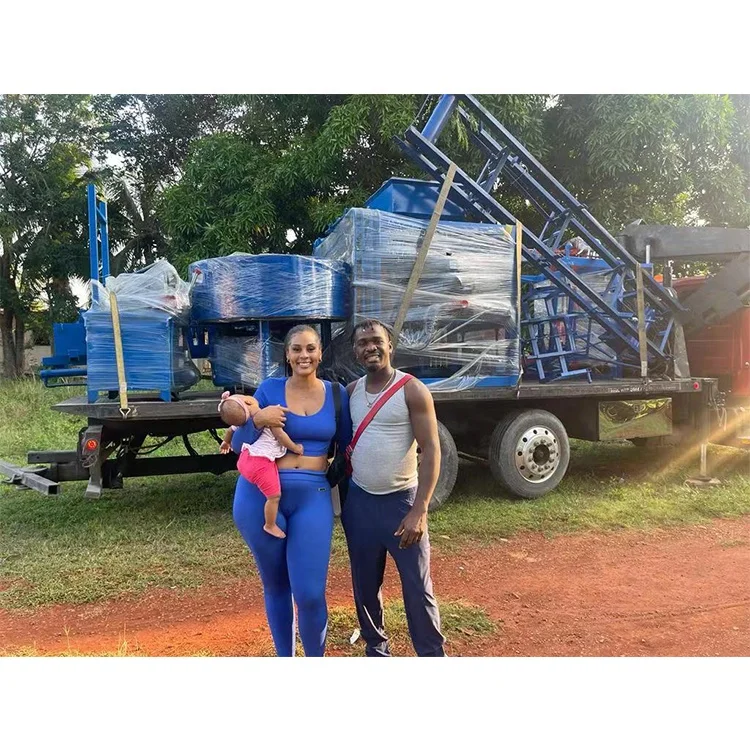
- Machine arrives in dismantled shipment configuration requiring on-site assembly
- PLC touch screen parameters set during commissioning against buyer’s specific mix design
- Operator training covers mould change procedure and fault diagnosis system operation
- Wear parts and mould maintenance schedule provided at commissioning completion
Before Requesting a Quotation
Provide your target block formats with dimensions, your daily production target, and the raw materials available locally including aggregate type and cement grade. Specify your site’s voltage, frequency, and preferred PLC display language. Note your existing forklift capacity and curing area dimensions so pallet specifications align with your current material handling setup.
Frequently Asked Questions
Q: How do I verify the QT6-15’s real daily output for my specific block format?
A: Request a capacity calculation that states the assumed block format, mould cavity count, and cycle time for each product you intend to manufacture. The output figures for hollow blocks, solid bricks, and pavers differ significantly because each format has its own cycle characteristics. Daily output is the hourly rate multiplied by your actual shift hours minus mould change and maintenance downtime.
Q: Where does the QT6-15 sit compared to semi-automatic and higher-capacity models?
A: This model occupies the mid-to-upper tier of the automatic range. Semi-automatic machines below this tier require manual pallet handling and offer lower throughput. Higher-capacity lines above this tier demand larger factory footprints and more substantial infrastructure. The QT6-15 provides PLC-controlled automation suitable for buyers who have outgrown semi-automatic equipment but do not yet need continuous high-volume production.
Q: What electrical and control specifications must I confirm before ordering?
A: Confirm your site’s voltage and frequency in writing before production begins. Specify the PLC display language your operators will use for daily operation and fault diagnosis. These specifications affect the motor, transformer, and control panel configuration inside the QT6-15 and cannot be changed easily after the machine is built and shipped to your location.
Q: What factory area and supporting equipment does the QT6-15 require?
A: The machine requires 1200 m² of factory space. Supporting equipment includes raw material feeding, mixing, pallet feeding, and curing rack handling — all of which must be specified to match the press cycle time so the QT6-15 is not left waiting between cycles. Pallet size must also match your curing area and forklift capacity.

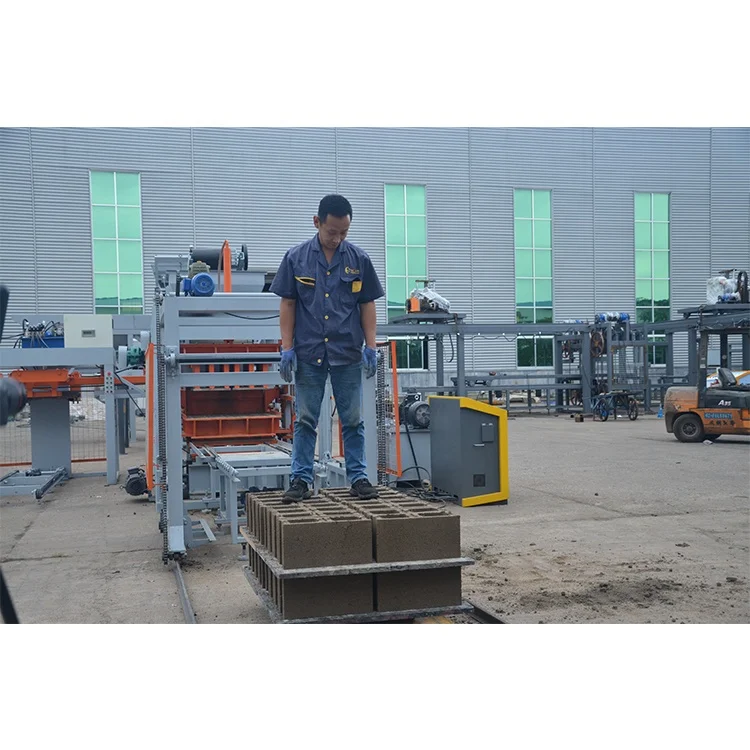
 High quality block machine