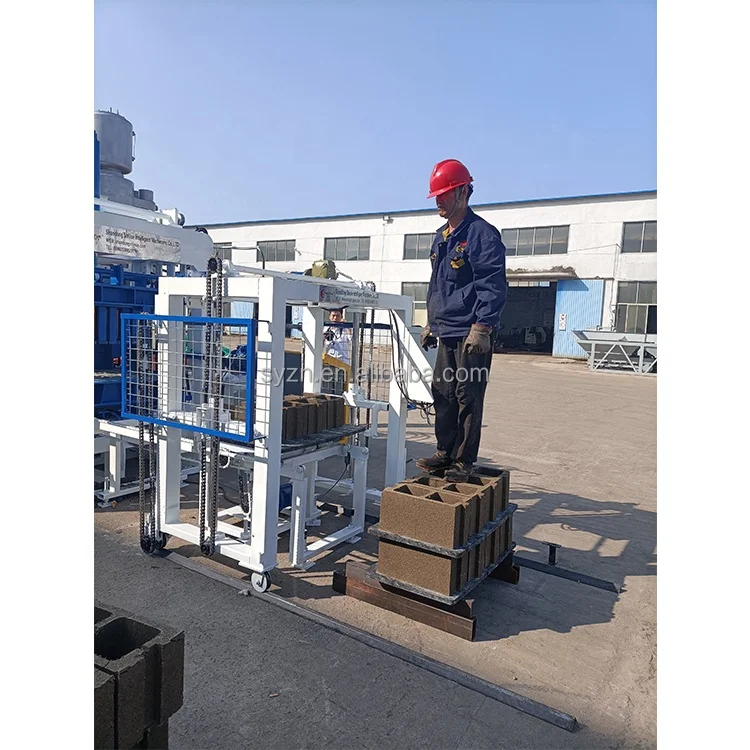
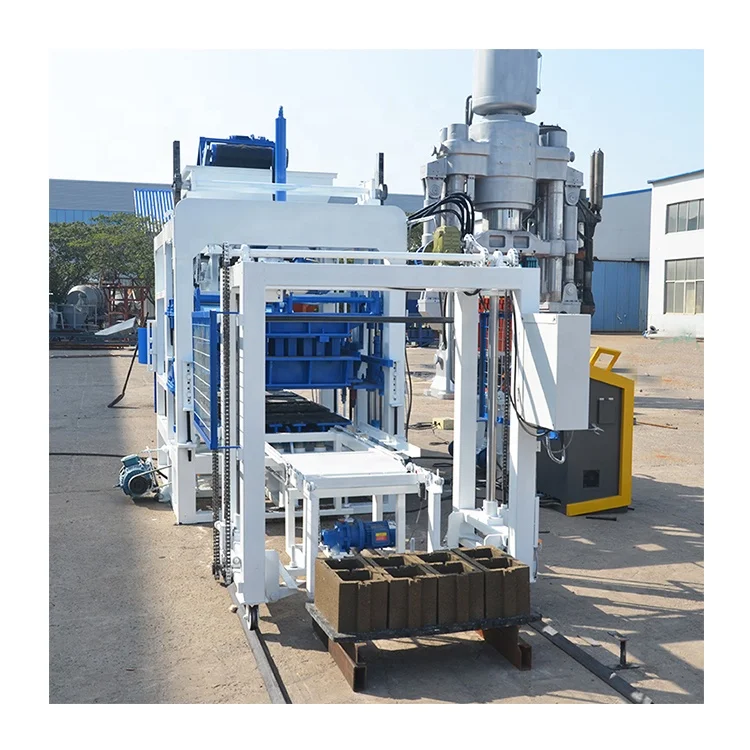
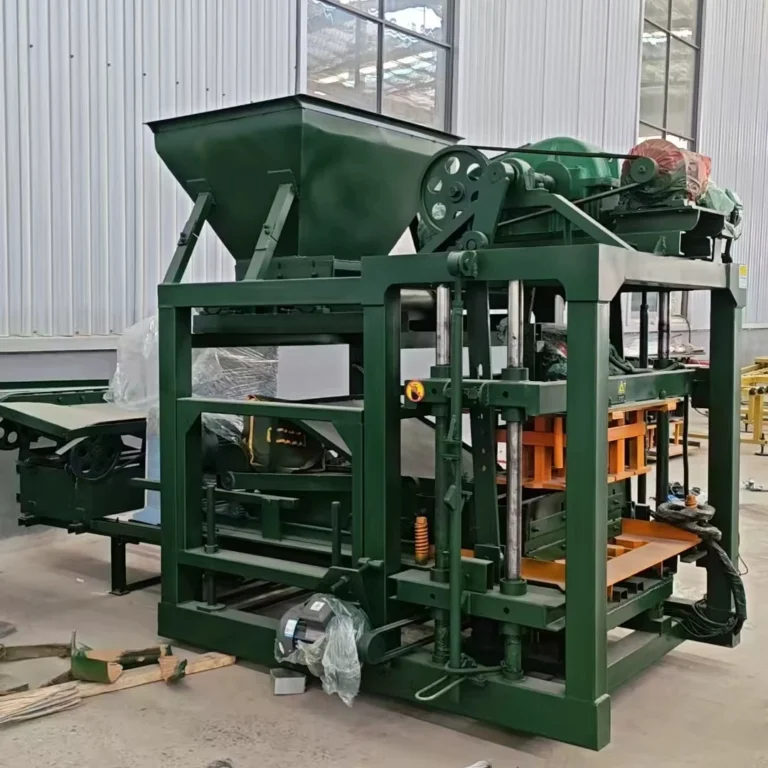
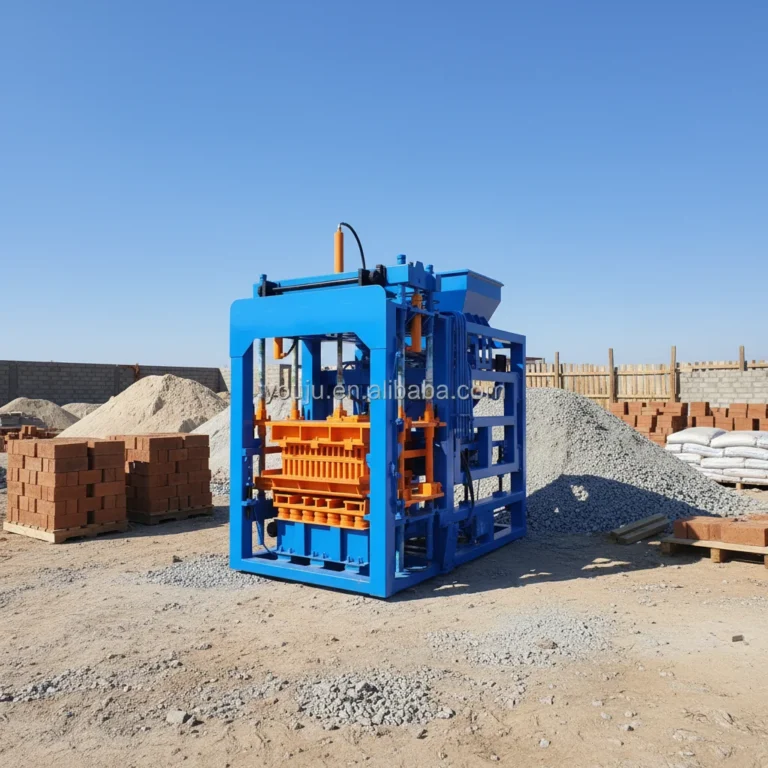
Stationary Block Machine — The QTJ4-35 sits at the entry tier of the stationary block making machine range, offering a clear starting point for buyers mapping their first production layout without committing to full automation.
Technical Specifications
| Parameter |
Value |
| Model |
QTJ4-35 |
| Product Type |
Stationary Block Making Machine |
| Overall Dimensions (L×W×H) |
2050 x 1660 x 1900 mm |
| Mould Format Options |
390×190×190 mm (4 pcs/mould); 390×240×190 mm (3 pcs/mould); 390×120×190 mm (6 pcs/mould); 240×115×53 mm (21 pcs/mould) |
| Molding Cycle |
35 s |
| Output Capacity |
3200 pcs/day (basis not stated in source) |
| Pallet Size |
850 x 450 mm |
| Overall Power |
9.7 kW |
| Vibration Form |
Platform Vibration |
| Vibration Force |
32 kN |
| Control System |
Manual operation |
| Automation Level |
Manual / semi-automatic with optional belt conveyor and mixer |
| Raw Materials |
River sand, mechanism sand, gravel, crushed stone, slag, cinder, fly ash, pumice stone, ceramic, perlite, shale, lightweight concrete |
| Simple Production Line Power Breakdown |
Host 9.7 kW, 6m belt conveyor 0.75 kW, small mixer 5.5 kW |
| Assembly State |
Stationary, requires flat solid foundation |
Application Suitability
| Application |
Material or Output |
| Small-scale hollow block production |
Crushed stone, river sand, and cement for local masonry markets |
| Standard solid brick manufacturing |
Fly ash, cinder, or shale blended with cement binder |
| On-site construction block production |
Locally available gravel and mechanism sand for housing projects |
| Paving and format diversification |
Lightweight concrete or perlite mixes for non-load-bearing formats |
| Entrepreneurial first block plant |
Low-capital entry using regionally sourced aggregates and industrial by-products |
Why "3200 Pieces per Day" Requires a Second Question
The daily output figure only becomes meaningful once you know which block format the mould is producing.
I have seen buyers compare stationary block making machine for sale quotations based on a single capacity number, only to discover after commissioning that the quoted figure assumed a small standard brick while their market needed 200mm hollow blocks. The QTJ4-35 cycles every 35 seconds, but a mould producing 4 hollow blocks per cycle delivers a different daily total than one producing 21 standard bricks per cycle. Without the format assumption stated, the number on the spec sheet cannot be used for financial planning [NEED_CITE: block format assumptions in capacity quotations]. This machine supports four mould formats, so the honest step is to calculate output against the specific block your market actually buys.

Mapping the Stationary Range Entry Point
The QTJ4-35 occupies the first rung of the stationary block machine range. Buyers comparing this tier against semi-automatic or fully automatic lines will see the trade-off clearly: manual pallet handling and manual mould change keep the initial capital requirement low, while the path to adding a belt conveyor and mixer remains open. The stationary block making machine for sale at this tier suits buyers who want to validate local demand before scaling.
Where Manual Operation Fits the Investment Plan
Starting with a manually operated host machine means the operator controls pallet feeding and block stripping directly. This keeps the electrical system simple at 9.7 kW for the host alone, reducing both the power infrastructure requirement and the commissioning complexity. When production volume grows, the same QTJ4-35 can be paired with a 6m belt conveyor and small mixer to form a simple line without replacing the press itself [NEED_CITE: upgrade paths from manual to semi-automatic block production].
Reading the Specs Against Your Production Reality
The 32 kN vibration force acts through the platform to compact the concrete mix inside the mould cavity. For hollow blocks at 190mm height, this force must be matched to the mix design and aggregate gradation available locally; a mix with excessive fines or insufficient cement will not achieve target block strength regardless of vibration rating. The 850 x 450 mm pallet size determines how many blocks cure per rack tier, so buyers must verify this dimension against their existing curing area and forklift capacity before ordering. The 35-second molding cycle is the mechanical timing of the press; total cycle time including manual pallet placement and block stripping will be longer in practice. Power consumption across a simple line totals approximately 16 kW when the host, conveyor, and mixer all run simultaneously, which affects the transformer and dedicated circuit specification at the site.
The Hidden Cost of Skipping Voltage Confirmation
I once shipped a block machine to a Southeast Asian site with the motor wired for 380V/50Hz, only to learn on arrival that the local grid supplied a different voltage and frequency combination. The main motor burned within minutes of the first test run, and the emergency air freight for a replacement inverter cost more than the machine margin. Every stationary block making machine for sale must have its voltage, frequency, and control language confirmed before the production order is released [NEED_CITE: voltage and frequency standards by export market]. The QTJ4-35 is no exception; the motor winding, control circuit, and any optional conveyor drive must all match the site supply to avoid a costly commissioning delay.
Why Buyers Specify This Machine Here
Block machinery is the single focus of this operation, so the QTJ4-35 is supplied as a matched system of host, mould, pallet, and optional line equipment rather than assembled from separate sources. The configuration is set against the buyer’s actual mix design and target block format, not a catalogue default. Mould design covers the formats listed on this page, and custom mould drawings can be produced to buyer specifications. The automation level is selectable, allowing a buyer to start with the manual host and add conveyor and mixer components as volume justifies. Installation support includes on-site commissioning and operator training so the first production run happens under guidance.
Documentation & Verification
- Line layout and capacity calculation stating the block format assumed for the QTJ4-35 daily output figure
- Machine specification sheet confirming vibration force, power, and pallet size for your site conditions
- Mould drawing and format list covering all four cavity configurations available on this host
- Voltage and control language confirmation document signed before production release
- Factory test record on your selected block format before dispatch
Installation, Commissioning & Support
- Flat solid foundation required; the QTJ4-35 footprint of 2050 x 1660 mm plus operator clearance defines the minimum bay area
- Dedicated circuit sized for 9.7 kW host plus optional 6.25 kW line equipment, with voltage and frequency confirmed to local supply
- Machine ships as a stationary unit and is bolted to the foundation on arrival; no heavy dismantling required
- First commissioning includes vibration force adjustment and molding cycle verification against your mix design
- Operator training covers manual pallet handling rhythm, mould change procedure, and daily maintenance checkpoints
- Wear parts list and mould inventory provided so first replacement orders can be planned before stock runs out
What to Include With Your Inquiry
Send the block format and dimensions your market sells most, along with the daily volume you need to hit. Include your local aggregate type and the voltage and frequency at the site so the motor and control circuit can be specified correctly. If you already have curing racks or a forklift, share the pallet dimensions they accept so the 850 x 450 mm pallet requirement can be verified against your existing handling equipment.
Frequently Asked Questions
Q: How is the daily output of the QTJ4-35 calculated and which block format does it assume?
A: The 3200 pieces per day figure appears in the source without a stated format assumption. Actual output depends on which mould is installed, the 35-second cycle time, and the number of cavities per mould. Buyers should request a capacity calculation based on the specific block format their market requires before using the number for planning.
Q: What pallet size does the QTJ4-35 require and will it fit my existing curing setup?
A: The machine uses an 850 x 450 mm pallet. Buyers should measure their curing rack spacing and forklift fork width before ordering to confirm compatibility. Pallet material also affects block surface finish and curing moisture retention, so this specification should be matched to local conditions.
Q: Can I start with the standalone QTJ4-35 host and add a conveyor and mixer later?
A: Yes. The host machine operates independently at 9.7 kW. A 6m belt conveyor at 0.75 kW and a small mixer at 5.5 kW can be added as a simple production line when volume grows, without replacing the press.
Q: What voltage and frequency options are available for the QTJ4-35?
A: The motor and control circuit must be configured to match the buyer’s local power supply before production begins. Voltage and frequency should be confirmed in writing at the inquiry stage to avoid commissioning failures on site.
Q: Where does the QTJ4-35 sit compared to semi-automatic and automatic block machines?
A: It occupies the entry tier of the stationary range with manual operation and no PLC. Semi-automatic and automatic tiers add powered pallet feeding, automatic stacking, and PLC control for higher output and reduced labour. The QTJ4-35 serves buyers validating demand before investing in higher automation.

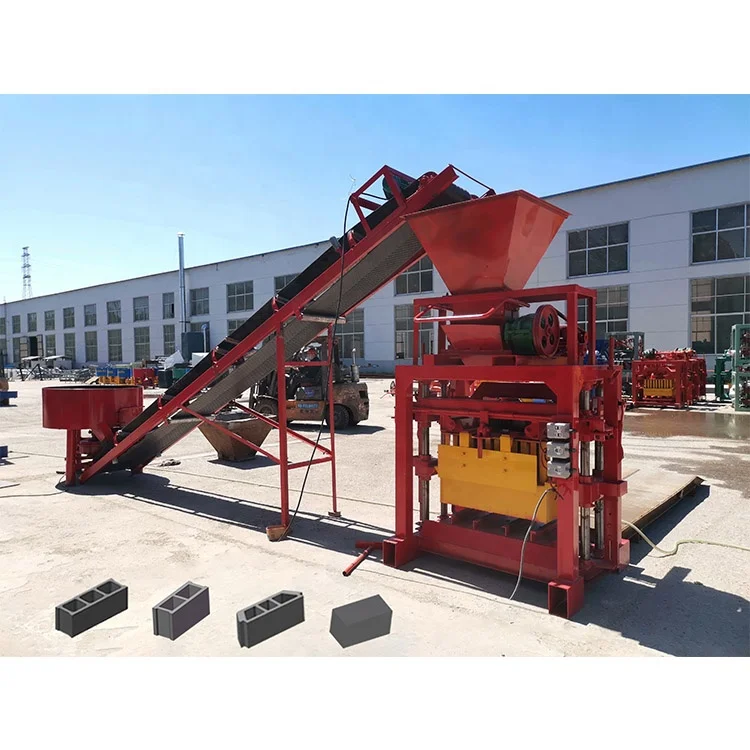
 Stationary block machine