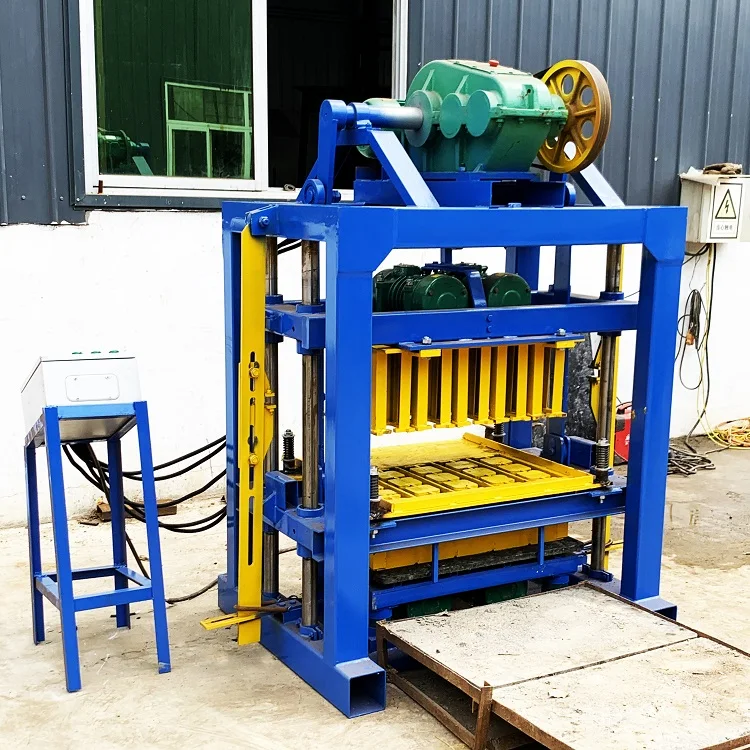
System-Matched Configuration — the QTJ4-24 is specified as a complete block making unit with mixer, conveyor and pallets sized to the press, not assembled from disconnected suppliers.
Technical Specifications
| Parameter |
Value |
| Model |
QTJ4-24 |
| Product Type |
Semi-Automatic Concrete Block Making Machine |
| Molding Type |
Platform Vibration |
| Overall Dimensions (Working) |
3600mm × 1700mm × 2560mm |
| Total Mass |
1750 kg |
| Pallet Size |
850mm × 450mm |
| Overall Power |
14.25 kW |
| Mould Format — Hollow Block |
390mm × 190mm × 190mm, 4 pcs/mold |
| Mould Format — Solid Brick |
240mm × 115mm × 53mm, 21 pcs/mold |
| Vibrating System |
Lower platform (2 × 3 kW) + Upper vibration (1.5 kW) |
| Elevating System |
Cone-shape motor with JZQ250 speed reducer |
| Delivery Device |
Cycloidal pin wheel reducer, chain and V-belt drive |
| Machine Frame |
Dragon gate style, super steel, four wear-resisting vertical shafts |
| Support Equipment (Basic) |
JQ350 pan mixer, 6m belt conveyor, trolley |
| Support Equipment (Optional) |
Auto stacker (3–6 layers depending on block height) |
| Control System |
Electronic controlling part (mechanical-electronic combination) |
| Automation Level |
Semi-automatic |
| Assembly State |
Stationary, platform vibration type |
| Cycle Time |
(basis to be confirmed per block format and mix) |
| Voltage & Frequency |
(basis to be confirmed per destination market) |
Application Suitability
| Application |
Material or Output |
| Small-scale hollow block plant |
Crushed stone, sand, cement producing 390×190×190mm hollow blocks |
| Solid brick manufacturing |
Fly ash, river sand, cement producing 240×115×53mm standard bricks |
| On-site contractor production |
Local aggregate and cement for housing or development project blocks |
| First block plant startup |
Standard concrete mix with locally sourced sand and gravel |
Why "Cycles per Hour" Tells You Nothing Without the Format
The real question is how many blocks of your specific size the machine produces in a working day.
Most quotations list a single cycle time or hourly figure without naming the block format behind it. A Semi-Automatic Block Machine manufacturer quoting 120 cycles per hour on a tiny solid brick will look identical on paper to one running a large hollow block at the same rate — yet daily output in tonnes or usable building units diverges sharply. I learned this after a buyer in West Africa received a machine rated for a cycle count that assumed a lightweight mix his local quarry could not supply. His actual daily output was half the quoted number, and no amount of operator adjustment closed the gap [NEED_CITE: relationship between aggregate grading and block press cycle time].
Capacity only becomes meaningful when tied to the exact mould format, the vibration force applied, and the concrete mix design available at the buyer’s site. That is why the QTJ4-24 specification sheet lists mould formats — 4 hollow blocks or 21 solid bricks per cycle — so buyers can multiply by their expected shift hours and derive a realistic daily target.

Where the QTJ4-24 Sits in the Full Machine Range
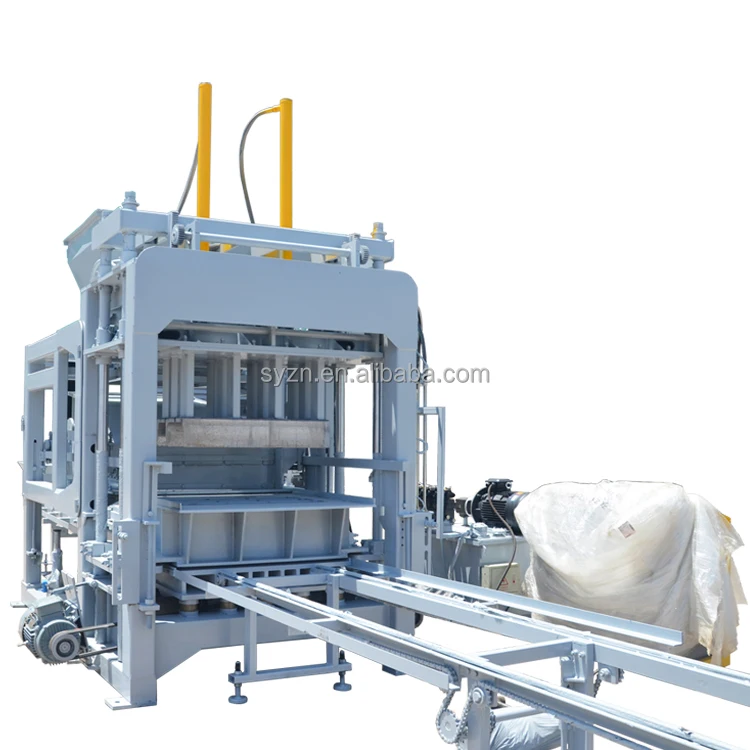
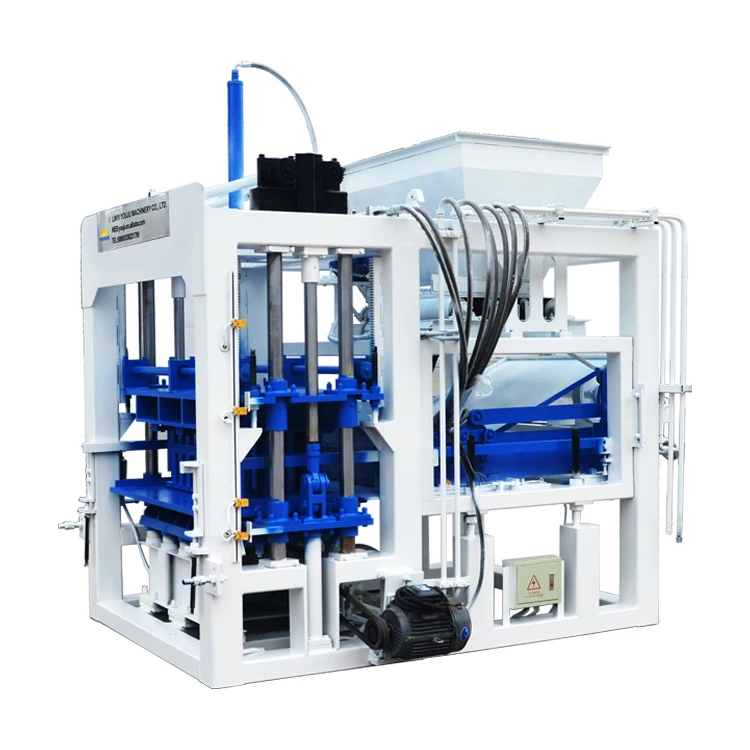
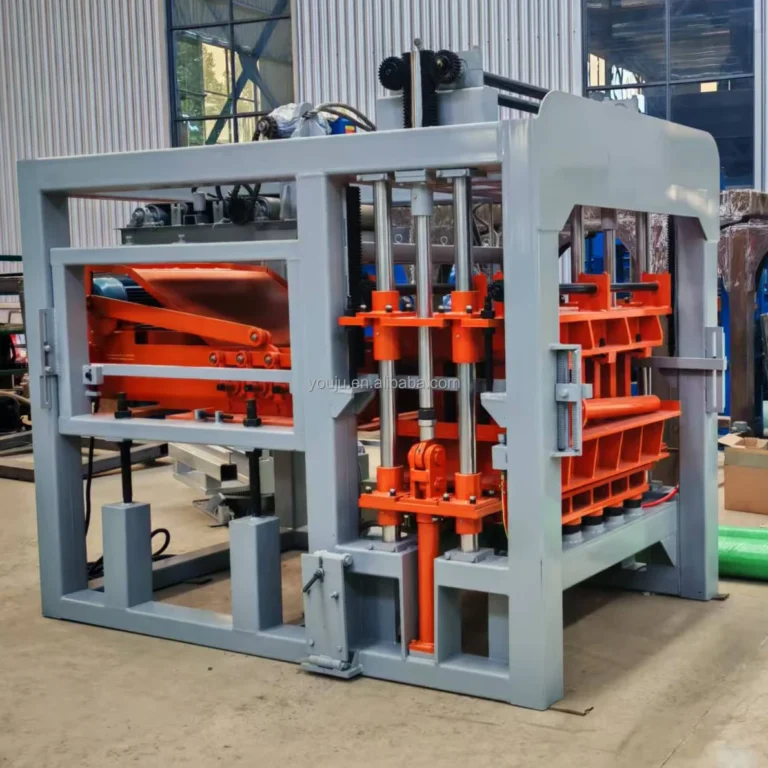
The QTJ4-24 occupies the entry tier of a complete stationary block machinery lineup. It shares the same pallet width philosophy and mould mounting approach as the higher-output automatic models, which means a buyer who starts here and later moves to a fully automatic line will find the pallet handling logic and block format conventions already familiar. This continuity matters when planning a phased expansion without scrapping earlier equipment.
As a Semi-Automatic Block Machine manufacturer, Shiyue positions this model for buyers who need a working plant at modest investment while keeping the door open for automation additions later. The optional auto stacker, for instance, bolts on when production volume justifies reducing manual pallet handling.
Choosing the Right Tier Before You Commit
Buyers often jump to the highest automation tier without considering their actual labour cost, daily volume requirement, and workshop footprint. A semi-automatic press like the QTJ4-24 requires operators to move pallets manually between the press and the curing area, which keeps the machine cost low but sets a ceiling on throughput. The key decision point is whether that ceiling sits above or below the buyer’s market demand [NEED_CITE: labour cost and automation tier selection in block production].
For entrepreneurs launching a first block plant or contractors producing on their own construction site, the semi-automatic tier typically covers the initial volume requirement while preserving capital for working stock and raw materials. Upgrading later involves adding pallet feeding and stacking automation, not replacing the press itself.
How Vibration Force and Frame Rigidity Shape Block Density
The QTJ4-24 uses dual 3 kW motors on the lower platform combined with a 1.5 kW upper vibration device. Lower vibration compacts the concrete into the mould cavity from beneath, while the upper device consolidates the top surface — together they determine the density and compressive strength of the finished block. If the vibration force is too low for the buyer’s aggregate size, blocks emerge with weak cores; too high and the mix segregates, leaving a sandy surface.
The dragon gate frame with four wear-resisting vertical shafts keeps the mould box aligned throughout thousands of cycles. Misalignment introduces uneven wall thickness in hollow blocks, which causes breakage during pallet transfer. Frame rigidity also isolates vibration energy into the mould rather than letting it dissipate through the structure, which directly affects consistency across a production run. The 850mm × 450mm pallet size must match the curing rack spacing and forklift tine width already in use at the buyer’s yard, otherwise the whole handling chain breaks down.
The Hidden Cost of Skipping Pallet and Voltage Checks
Two oversights appear repeatedly in commissioning reports from semi-automatic block plants. The first is pallet mismatch — the buyer orders the machine without confirming whether 850mm × 450mm pallets fit the curing racks already welded in the yard. The result is a forced rebuild of the curing area or a pallet exchange order that delays production by weeks [NEED_CITE: pallet dimension standards in concrete block curing].
The second is voltage and frequency. A machine wired for 380V/50Hz arriving at a site running 440V/60Hz will either trip protection relays or burn out motors within the first shift. Confirming the destination voltage before production starts costs nothing; rewinding motors on-site costs days and replacement parts.
Why Buyers Source This Model Here
Block machinery is the single focus of the factory, so the QTJ4-24 is specified alongside its JQ350 pan mixer, 6m belt conveyor and pallet set as one matched system rather than a press paired with generic auxiliary items. Mould design covers the formats the buyer’s local market actually buys, with custom drawings available when standard sizes do not match regional building codes. The semi-automatic configuration allows a buyer to begin with manual pallet handling and add an auto stacker as daily volume grows, without changing the press. Configuration is set against the buyer’s actual mix design and local aggregate rather than a default catalogue recipe. Installation support includes operator training so the crew understands mould change procedure and vibration tuning before the first production week ends.
Documentation & Verification
- Line layout drawing showing QTJ4-24 footprint with mixer and conveyor placement
- Capacity calculation sheet stating output per mould format, not a single blanket figure
- Mould drawing and format list confirming hollow and solid brick cavity dimensions
- Pallet specification matched to buyer’s curing rack spacing and forklift type
- Factory test record on buyer’s target block format before dispatch
- Voltage and control language confirmation signed off before production begins
Installation, Commissioning & Support
- Foundation slab must support 1750 kg static mass plus dynamic vibration load across 3600mm × 1700mm footprint
- Dedicated circuit rated for 14.25 kW total draw with voltage matching confirmed pre-shipment
- Machine ships as a single stationary unit; platform vibration components require on-site levelling
- First-run commissioning includes vibration force tuning to buyer’s specific aggregate and cement ratio
- Operator training covers mould change sequence, pallet loading rhythm and electronic control panel use
- Wear parts and mould wear list provided so first replacement order is planned, not emergency-sourced
What to Include in Your Inquiry
To configure the QTJ4-24 correctly, share the block formats your market demands, the daily output target in pieces per format, and the type of aggregate you can source locally. Confirm your site voltage, frequency and preferred control panel language so the Semi-Automatic Block Machine manufacturer can match electrical specifications before production. Mention your existing curing area dimensions and forklift type so the pallet specification aligns with your handling chain from day one.
Frequently Asked Questions
Q: How do I verify the real daily output for my block format?
A: Request a capacity calculation that states output per specific mould format — for the QTJ4-24 this means pieces per shift on 390×190×190mm hollow blocks or 240×115×53mm solid bricks. A single cycles-per-hour number without format context is not enough to plan production schedules or revenue forecasts.
Q: What voltage and frequency must I confirm before shipping?
A: Provide your site supply voltage and frequency so the motor winding and control panel are built to match. Arriving with the wrong voltage rating causes motor burnout or relay tripping on the first day, delaying commissioning until replacement parts arrive.
Q: Where does this model sit in the range and can I upgrade later?
A: The QTJ4-24 is the entry tier of a stationary block machine lineup. You can add an auto stacker for multi-layer stacking as volume grows, and later transition to a higher-tier automatic press while keeping the same pallet size and mould format conventions already established.
Q: Which pallet material and size should I choose?
A: The standard pallet is 850mm × 450mm, but the material — bamboo, steel or PVC — depends on your curing method and local climate. Confirm your curing rack slot width and forklift tine spacing so pallets move from press to rack to dispatch without modification.
Q: What mould formats are available and how long does a change take?
A: Standard moulds include 4-cavity hollow block and 21-cavity solid brick, with custom formats available to buyer drawings. Mould change time on this platform vibration model depends on the quick-release mechanism fitted; request the specific change procedure so you can plan format rotation within a working shift.

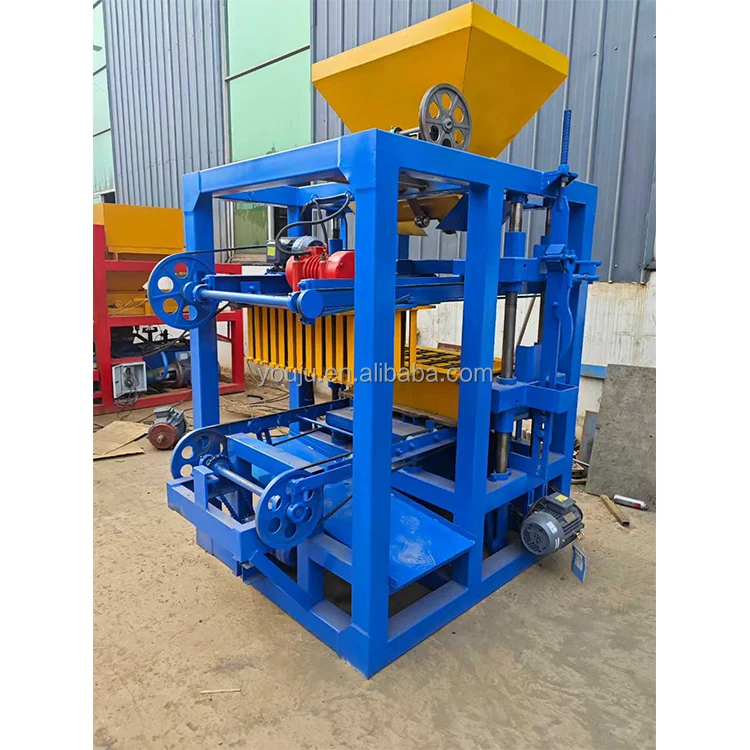
 Stationary block machine