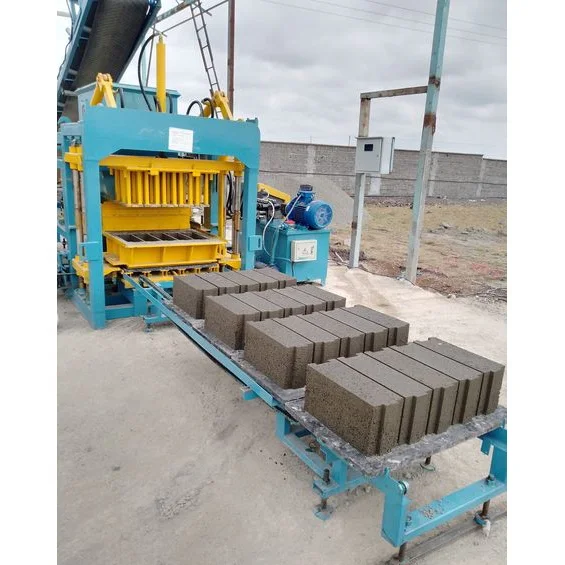
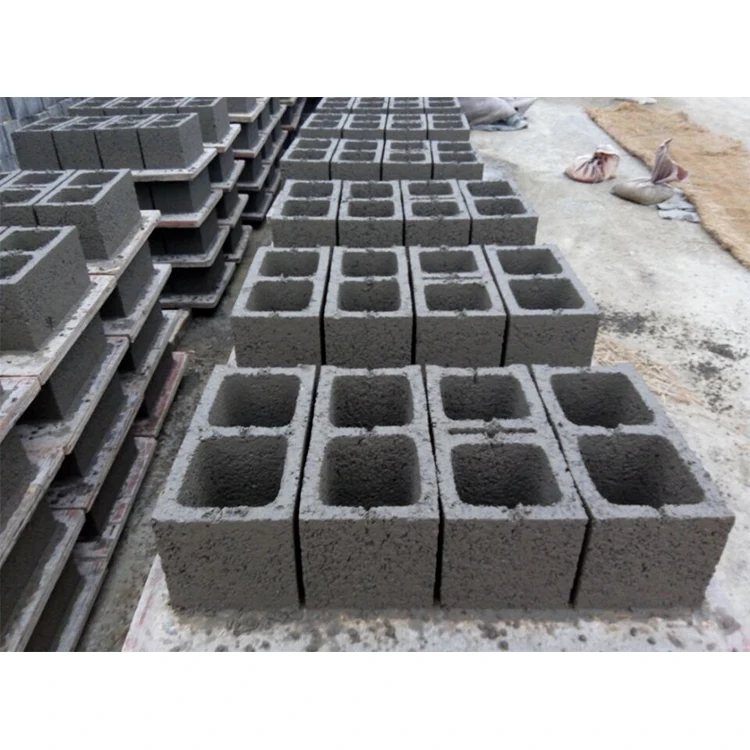
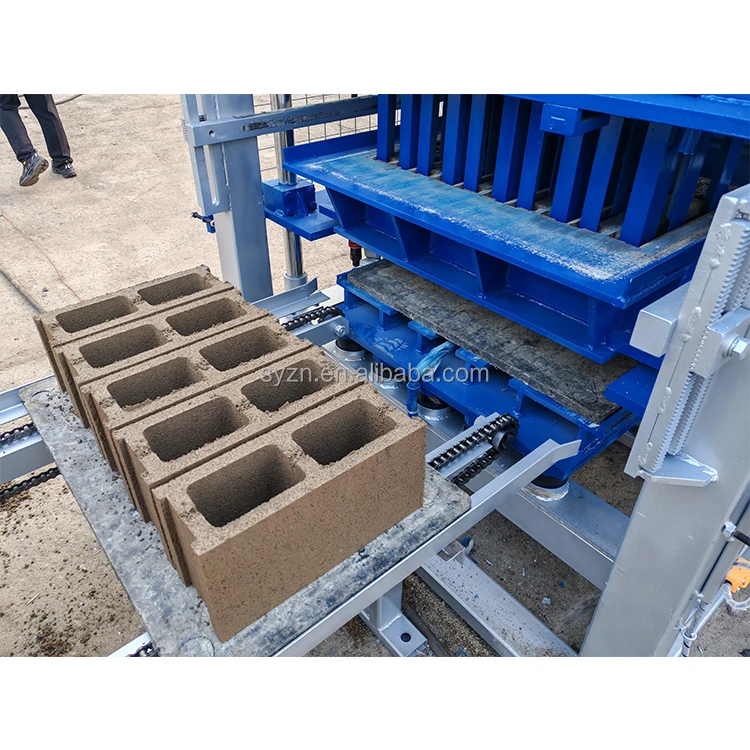
Single-focus system integration — The QT8-15 Automatic Concrete Block Making Machine is specified with its pallet feeder, hydraulic station, and conveyor as one matched line, not assembled from separate suppliers.
Technical Specifications
| Parameter |
Value |
| Model |
QT8-15 |
| Product Type |
Automatic Concrete Block Making Machine |
| Overall Dimensions (L×W×H) |
8300 x 1860 x 3000 mm |
| Rated Pressure |
21 MPa |
| Vibration Form |
Platform Vibration |
| Pallet Size |
950 x 900 mm |
| Molding Cycle |
15-25s (basis to be confirmed by block format) |
| Overall Power |
37 kW |
| Vibration Frequency |
2800-4500 RPM |
| Control System |
PLC with touch screen human-computer interface |
| Automation Level |
High, with manual/automatic mode transition |
| Block Comprehensive Strength |
15 MPa |
| System Components |
Pallet feeder, host machine, block conveyor, hydraulic station, PLC controller |
| Hydraulic Station |
Independent integrated type, isolated from dust and vibration |
| Voltage & Frequency |
Configurable to buyer site requirements (basis to be confirmed) |
| Output Capacity |
Dependent on block format and material (basis to be confirmed) |
| Standards |
CE (implied, confirm per shipment) |
Application Suitability
| Application |
Material or Output |
| Hollow block production for residential and commercial walls |
Crushed stone, sand, cement, and fly ash blends |
| Solid block manufacturing for load-bearing structures |
Dense aggregate mixes with cement binder |
| Paving block production for walkways and driveways |
Fine aggregate and pigment-added concrete |
| Interlocking and kerbstone formats for infrastructure |
Coarse aggregate with high-pressure hydraulic compaction |
What "15-25 Seconds per Cycle" Actually Means for Your Daily Output
A cycle time is only meaningful when tied to the exact block format you intend to produce.
I once watched a plant manager in Southeast Asia stare at a stack of half-cured blocks that could not move fast enough through his yard because the supplier quoted a cycle time based on a thin paving block, while the buyer was running 200mm hollow blocks with volcanic aggregate. The QT8-15 automatic block machine for sale lists a 15-25 second molding cycle, but that range shifts depending on block height, mix design, and the vibration frequency your material demands [NEED_CITE: how aggregate density affects concrete block cycle times]. Asking for a capacity sheet that names your target block format is the single most important step before comparing quotations.

Placing the QT8-15 Within the Full Machine Range
Shiyue organizes its block machinery into distinct tiers: mobile egg-laying units for on-site work without a fixed plant, semi-automatic presses for smaller workshops, and fully automatic lines for higher daily volumes. The QT8-15 block making machine manufacturer package sits in the mid-to-high output tier of the automatic range, bridging the gap between entry-level automatic setups and large-capacity plants that run multiple shifts. Buyers stepping up from a semi-automatic press often land here because the 37 kW overall power and 8300 mm machine length fit inside a modest plant footprint while still delivering PLC-controlled consistency.
How Automation Level Shapes Your First Year of Operation
The touch screen PLC interface allows operators to switch between manual and automatic modes, which matters during the learning curve after commissioning. A crew new to automatic operation can run the press in manual mode while they learn how feeding time and vibration duration interact for each block format, then transition to full automatic once the mix and cycle are dialed in. This selectable automation path means a buyer can invest in the QT8-15 today and add automatic stacking or cubing equipment later, keeping the press itself unchanged [NEED_CITE: automation upgrade paths in concrete block plants].
Reading the Specs That Determine Block Quality
The 21 MPa rated pressure and platform vibration at 2800-4500 RPM work together: hydraulic pressure compacts the mix while vibration settles fine particles into voids, and the balance between the two decides whether your blocks reach the stated 15 MPa comprehensive strength. The 950 x 900 mm pallet size defines the maximum mould envelope, which in turn determines how many blocks are produced per cycle for any given format. An independent hydraulic station sits isolated from press vibration and dust, a design choice that keeps pressure delivery consistent across thousands of cycles rather than degrading as seals wear prematurely from contamination.
The Cost of Skipping Pallet and Curing Yard Alignment
I have seen buyers choose a pallet size without checking whether their existing forklift forks and curing racks can handle it, only to spend weeks fabricating new rack adapters after the machine arrives. The 950 x 900 mm pallet on this press must match your curing area layout, your forklift capacity, and the stacking height your yard allows. When pallet dimensions are treated as an afterthought, the press produces blocks faster than the yard can absorb them, and output piles up on the floor waiting for space to cure [NEED_CITE: pallet handling bottlenecks in block production].
Why Sourcing from a Single-Focus Supplier Matters Here
Block machinery is the sole product line, so the press, mould, pallet, and handling equipment are specified as one system rather than sourced from unrelated vendors and bolted together. The machine configuration is set against your actual mix design and local aggregate instead of a catalogue default, which prevents the costly material substitutions that happen when a press is tuned for sand the buyer cannot obtain locally. Mould design covers the formats your market actually sells, including custom drawings when standard moulds do not match regional block dimensions. Factory test records are generated before dispatch using the buyer’s target format, not a generic test block.
Documentation & Verification
- Line layout drawing with capacity calculated per your specific block format
- Machine specification sheet confirming pallet size and hydraulic pressure ratings
- Mould drawing and format list matched to your market requirements
- Voltage, frequency, and PLC display language confirmation before production
- Factory test record showing cycle time on your target block format
- Operation and maintenance manual with wear parts and mould replacement list
Installation, Commissioning & Support
- Foundation must support the 8300 mm machine length with level tolerance for platform vibration alignment
- Dedicated 37 kW power circuit with confirmed voltage and frequency matching the PLC and hydraulic station
- Machine shipped in dismantled sections with reassembly supervised during on-site commissioning
- Initial parameter setting covers feeding time, vibration duration, and pressure per your block format
- Operator training on manual and automatic mode transition using the touch screen interface
- Wear parts list and mould replacement schedule provided at handover
Preparing Your Inquiry for an Accurate Quotation
Before requesting a proposal, confirm the block formats you plan to produce, the daily output you need per format, and the aggregate materials available at your site. Share your existing yard dimensions, forklift specifications, and local voltage and frequency so the pallet and electrical configuration can be locked in before production begins. Specify your preferred PLC display language to avoid commissioning delays once the QT8-15 automatic block machine for sale arrives at your plant.
Frequently Asked Questions
Q: How is the output capacity of the QT8-15 calculated for different block formats?
A: Output capacity depends on the block format, mould cavity count, and the cycle time your specific mix design allows. A capacity sheet should state the assumed block dimensions and cycle time for each format so you can compare real daily output rather than a single generic number.
Q: Can I start with semi-automatic operation and add automation later?
A: The PLC system supports both manual and automatic modes, so you can begin with manual pallet handling and add automatic feeding or stacking equipment later. The press itself does not need replacement when you expand the automation level around it.
Q: How does the 950 x 900 mm pallet size affect my curing yard layout?
A: Pallet dimensions determine rack spacing, forklift requirements, and how many blocks cure per square meter. Confirm that your existing racks and handling equipment match this pallet size before ordering to avoid costly yard modifications after delivery.
Q: What electrical and control details should I confirm before production starts?
A: Voltage, frequency, and PLC display language must be documented before the machine enters production. Confirming these details upfront prevents commissioning delays and ensures the touch screen interface matches your operator’s language from the first day of operation.


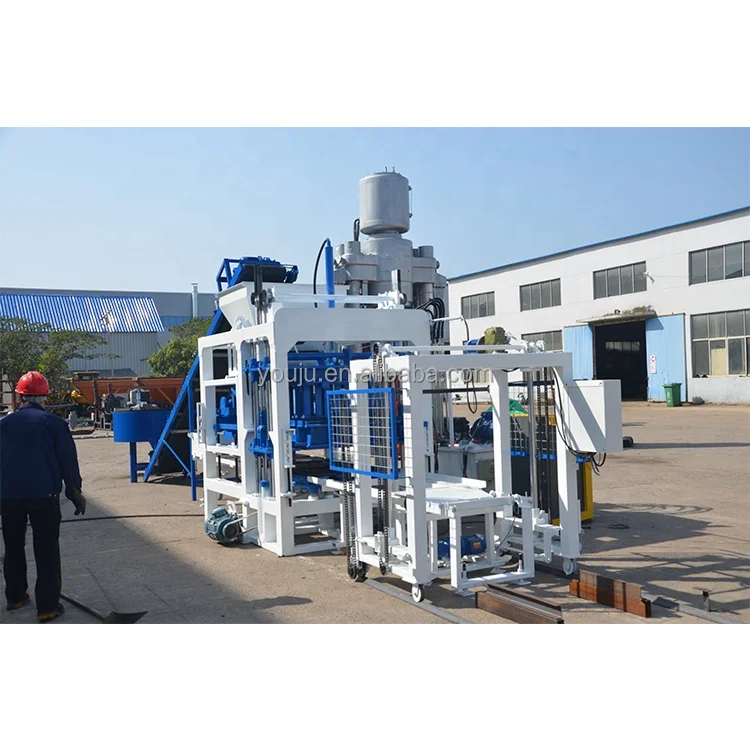 Automatic block machine