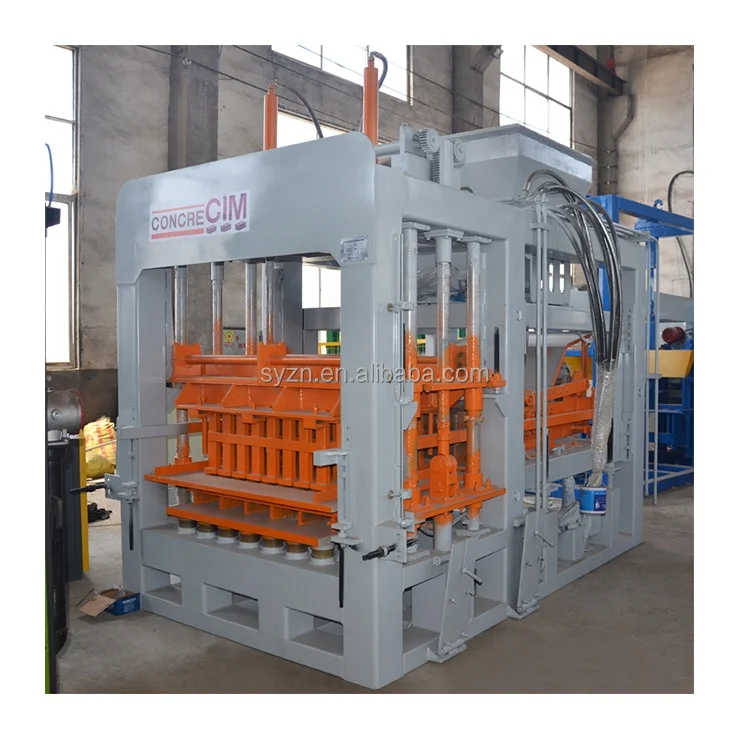
Matched System Approach — the QT4-18 block machine, mould, pallet and handling equipment are specified together against your actual mix design and target block format, avoiding the common gap where a press outperforms its downstream conveying.
Technical Specifications
| Parameter |
Value |
| Model |
QT4-18 |
| Product Type |
Automatic Hydraulic Concrete Block Making Machine |
| Overall Dimensions (L×W×H) |
3900×1600×2300 mm |
| Total Weight |
3T |
| Rated Power |
24KW |
| Vibration Force (Exciting Power) |
40-50KN |
| Molding Cycle |
15-25s |
| Pallet Size |
850×550×25mm |
| Mixer Model |
JQ350 |
| Applied Products |
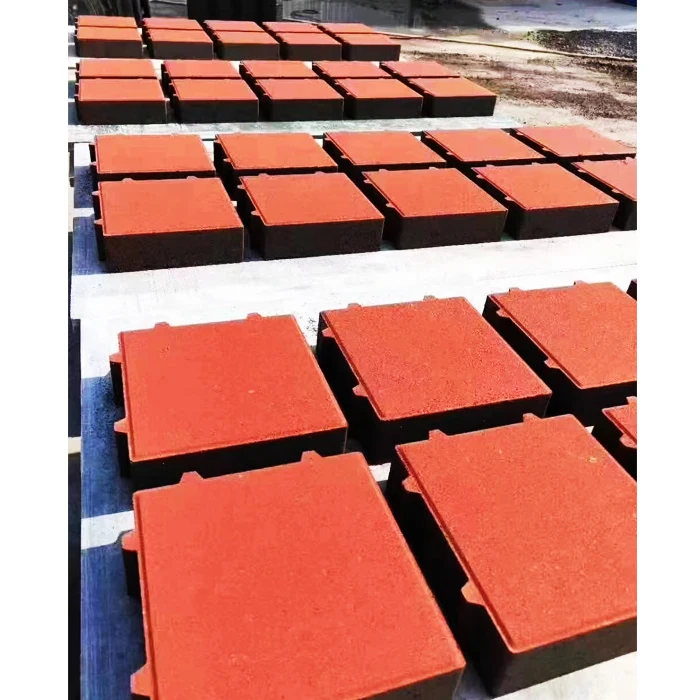
Paver, solid, hollow, curbstone |
| Raw Materials |
Crushed stones, sand, cement, dust, fly ash |
| Output Capacity (400×200×200mm hollow block) |
1200-1680 Pcs/Hr |
| Output Capacity (400×150×200mm hollow block) |
1800-2400 Pcs/Hr |
| Output Capacity (240×115×53mm solid brick) |
3240 Pcs/Hr |
| Control System |
PLC control system |
| Included Equipment |
Block making machine, hydraulic station, PLC control system, Pallet feeder, Brick conveyor, Block sweeper |
| Free Parts |
Manual hydraulic trolley, spare parts and tools |
Application Suitability
| Application |
Material or Output |
| Commercial Paver Production |
Interlocking concrete pavers using crushed stone and cement mixes for high-traffic pedestrian areas. |
| Structural Hollow Block |
Load-bearing 400×200×200mm hollow blocks produced from fly ash, sand, and aggregate blends for multi-story wall construction. |
| Solid Brick Manufacturing |
High-density 240×115×53mm solid bricks formulated from stone dust and cement for partition walls and infill. |
| Municipal Infrastructure |
Concrete curbstones and kerbs formed with coarse aggregate mixes for road edging and drainage channels. |
What "1200 Pieces per Hour" Leaves Out
A cycle time rating only holds value when the exact block format and local aggregate properties are defined.
Many QT4-18 automatic block machine manufacturer catalogs quote peak hourly outputs based on ideal laboratory conditions or lightweight formats. If your local sand has high clay content or your target market requires a dense, heavy paver, the vibration force and hydraulic pressure must be recalibrated, which naturally extends the molding cycle. Without stating the specific dimensions and mix design, a capacity figure is merely a theoretical maximum that rarely survives the first week of actual production [NEED_CITE: impact of aggregate clay content on concrete block curing and strength].

Placing the QT4-18 Within the Automatic Tier Range
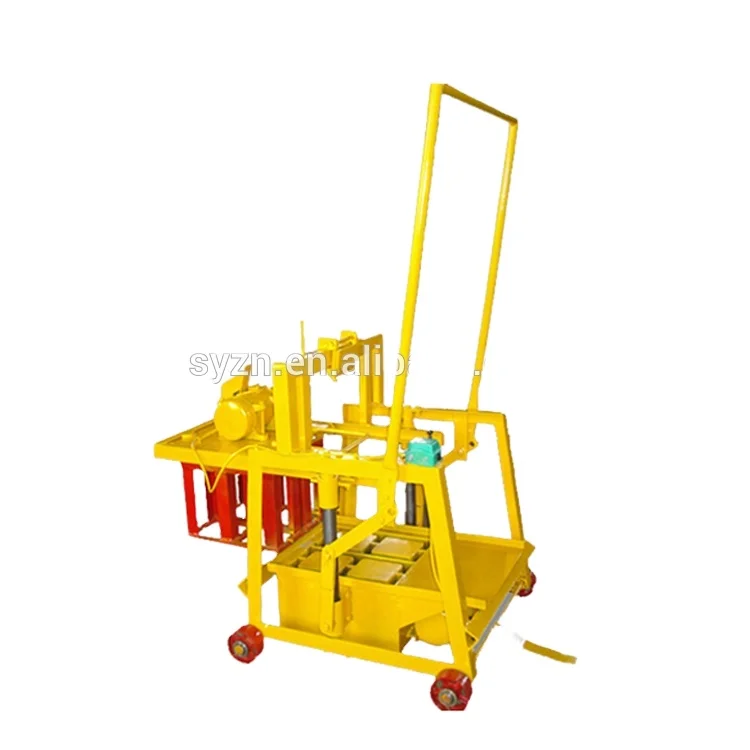
The QT4-18 occupies the mid-tier automatic position, designed for buyers who need consistent PLC-controlled output without the footprint or power demands of a high-capacity line. Its 3900×1600 mm frame fits into standard industrial sheds, while the integrated pallet feeder and brick conveyor remove the manual handling bottlenecks typical of semi-automatic setups. This tier bridges the gap for growing plants moving away from mobile egg-laying machines.
How the Automatic Line Stages Connect
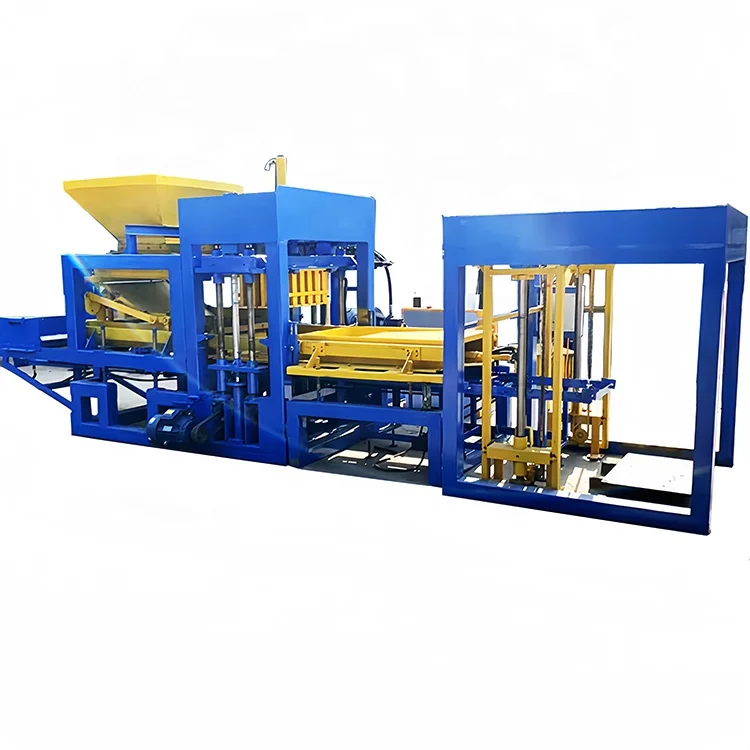
An automatic press is only as fast as its slowest supporting station. The JQ350 mixer must discharge a consistent batch before the next cycle begins, and the block sweeper must clear the pallet return path without delaying the feeder. When specifying this QT4-18 automatic block machine manufacturer package, the focus is on ensuring the 15-25s molding cycle is not interrupted by upstream mixing delays or downstream conveying jams, maintaining steady throughput across the entire shift.
Interpreting Vibration Force and Hydraulic Pressure
The 40-50KN vibration force works in tandem with the hydraulic station to compact the concrete mix. Higher vibration liquefies the mix to fill intricate mould cavities, while hydraulic pressure applies the final squeeze to achieve structural density. If you are producing heavy-duty pavers, the system must sustain peak pressure longer; for lightweight hollow blocks, excessive force can fracture the green block before it reaches the curing area [NEED_CITE: concrete block compaction mechanics and hydraulic dwell time].
Pallet Size and Curing Area Logistics
The 850×550×25mm pallet size dictates your entire curing rack layout and forklift handling strategy. Buying a machine without confirming that these pallet dimensions match your existing curing kiln or yard space leads to costly custom racking. The pallet material must also withstand the vibration and moisture environment without warping, which would cause uneven block thickness and rejection at the packaging stage.
The Hidden Cost of Mismatched Voltage and Control Language
Arriving at a job site to find the PLC display is in a language the operators cannot read, or the 24KW motor requires a transformer because the local grid frequency differs, halts commissioning entirely. These delays incur idle labor costs and missed delivery deadlines for your block orders. Confirming voltage, frequency, and interface language before the QT4-18 leaves the factory is a non-negotiable step that prevents weeks of downtime upon arrival.
Why Source This Configuration Here
We treat the block machine, mould, and handling equipment as a single matched system rather than assembling components from separate vendors. The configuration is set against your specific target block format and local aggregate sample, not a generic catalog default. We provide custom mould designs to buyer drawings, ensuring the formats your market actually demands are producible from day one. Automation levels remain selectable, allowing a transition from semi-automatic to this full automatic tier when capital permits.
Documentation & Verification
- Line layout and capacity calculation stating the specific block format and mix design assumed.
- Machine specification sheet confirming hydraulic pressure ratings and PLC control language.
- Mould drawing and format list matching your local market paver and hollow block dimensions.
- Pallet specification detailing material grade, dimensions, and load-bearing capacity.
- Factory test record demonstrating cycle times and block density on your supplied aggregate sample.
Installation, Commissioning & Support
- Foundation requirements based on the 3T total weight and dynamic vibration loads.
- Electrical dedicated circuit sizing for the 24KW rated power and hydraulic station startup surge.
- Assembly of the 3900×1600×2300 mm frame and alignment of the pallet feeder track.
- PLC parameter tuning and molding cycle adjustment using your local raw materials.
- Operator training on mould change procedures and hydraulic station daily maintenance routines.
- Wear parts list covering hydraulic seals and mould liner replacement intervals.
Next Steps for Accurate Line Sizing
To provide a realistic capacity calculation and plant layout, we need your target block formats, required daily output, and a sample of your local raw materials. Please also specify your site voltage, frequency, and the preferred PLC display language to ensure immediate commissioning upon arrival.
Frequently Asked Questions
Q: How does the QT4-18 tier compare to semi-automatic or mobile options in terms of plant footprint?
A: The QT4-18 requires a fixed foundation and dedicated space for the JQ350 mixer, pallet return system, and initial curing area, which is larger than a mobile egg-laying machine but smaller than a high-capacity fully automatic line. It suits growing plants that have outgrown manual handling but do not yet have the volume or shed size to justify a massive multi-press setup.
Q: What curing area is required to support the automatic output of this tier?
A: The curing area must be sized to hold at least one full day’s production based on the specific block format you intend to produce, allowing for the 850×550mm pallet dimensions. If you are running the faster solid brick cycles, the pallet turnover rate increases significantly, requiring more rack space or a faster kiln cycle to prevent the press from waiting for empty pallets to return.
Q: Which block formats are included in the standard cycle time calculation?
A: The quoted cycle times and outputs are based on specific standard formats: 400×200×200mm hollow blocks, 400×150×200mm hollow blocks, and 240×115×53mm solid bricks. If your market requires a different size, such as a thick interlocking paver or a specialized kerbstone, the molding cycle will change, and a new capacity calculation must be generated based on that specific mould design.
Q: What supporting handling equipment is matched to this press to prevent bottlenecks?
A: The standard package includes a pallet feeder to automate the loading of production pallets, a brick conveyor to move green blocks away from the press, and a block sweeper to clean the return path. This configuration ensures the QT4-18 is not left waiting for manual labor to clear the output or stage the next pallet, which is the primary cause of lost production in semi-automatic setups.
Q: Can I upgrade from a semi-automatic setup to this model later?
A: Yes, the automation level is selectable and scalable. A buyer can start with a semi-automatic configuration and later add the automatic pallet feeder, stacking system, and upgraded PLC controls to reach the full QT4-18 tier, provided the initial foundation and power supply were planned to accommodate the eventual automatic equipment footprint.

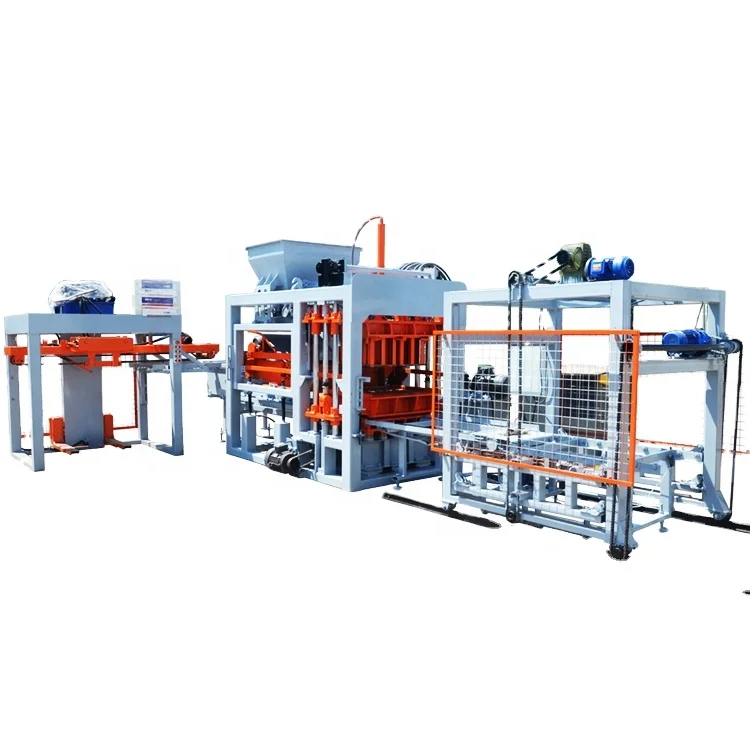 High quality block machine