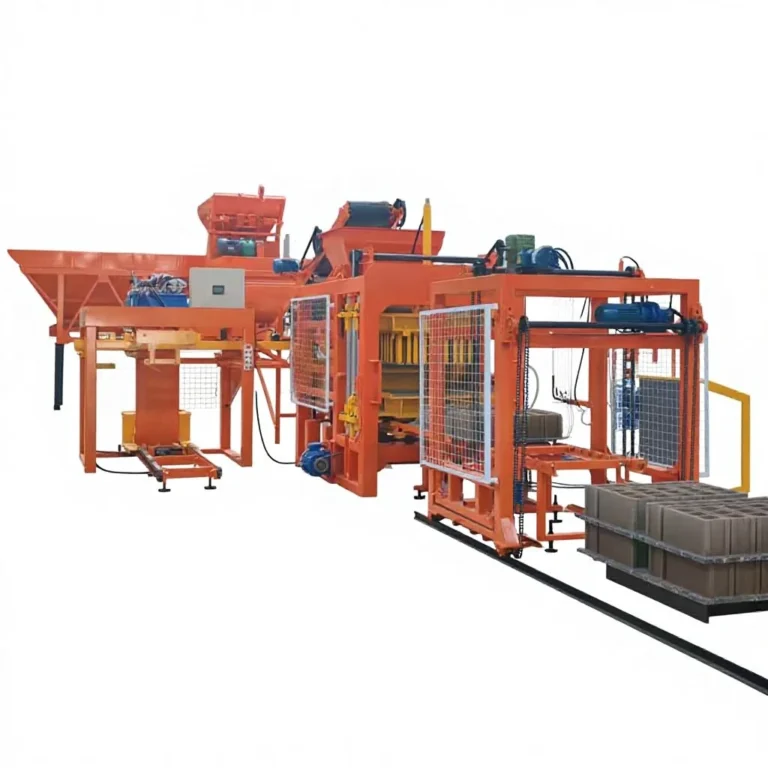
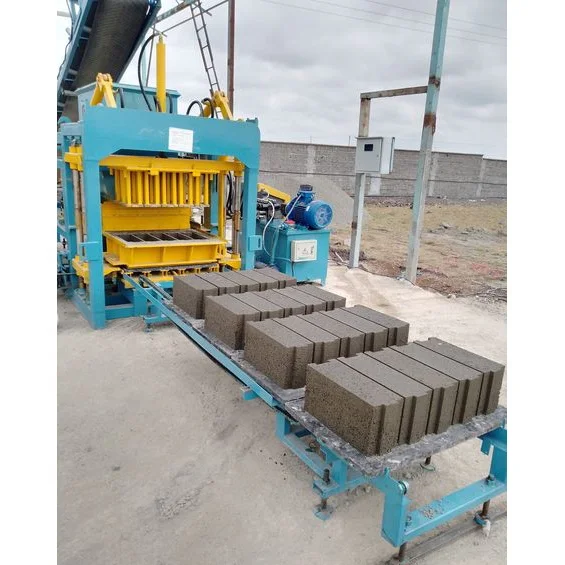
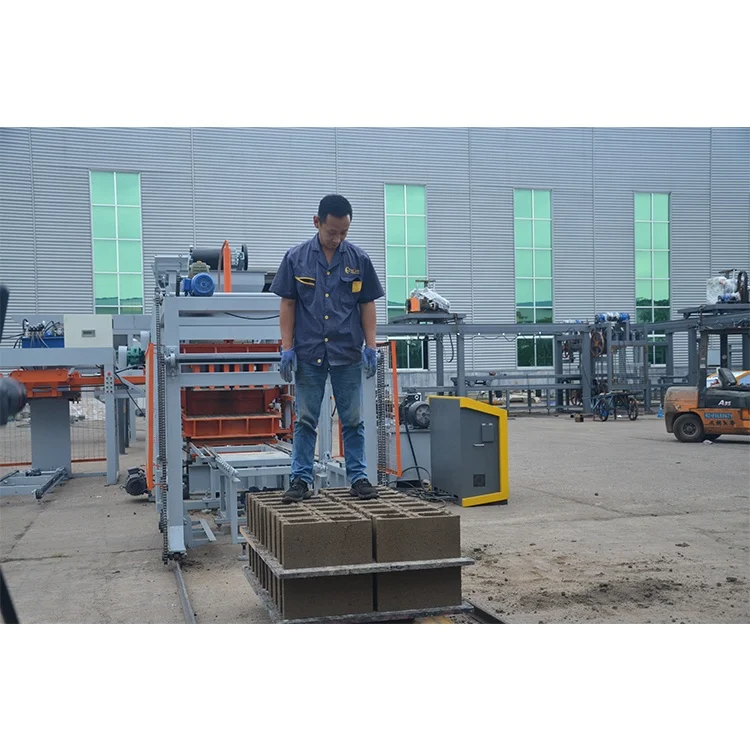
Mid-Tier Entry Point — the QT4-18 bridges small workshop presses and fully automatic lines, with every capacity figure tied to a named block format so buyers know exactly where they stand before signing.
Technical Specifications
| Parameter |
Value |
| Model |
QT4-18 |
| Product Type |
Hydraulic Concrete Block Making Machine |
| Overall Dimensions (L×W×H) |
3900×1600×2300 mm |
| Total Weight |
3T |
| Rated Power |
24KW |
| Vibration Force |
40–50KN |
| Molding Cycle |
15–25s (basis to be confirmed per block format and material) |
| Pallet Size |
850×550×25mm |
| Mixer Model |
JQ350 |
| Applied Products |
Hollow block, solid brick, paver, curbstone |
| Raw Materials |
Crushed stones, sand, cement, dust, fly ash |
| Output Capacity |
1200–1680 Pcs/Hr (based on 400×200×200mm hollow block, 4 pcs/mould) |
| Output Capacity |
1800–2400 Pcs/Hr (based on 400×150×200mm hollow block) |
| Output Capacity |
3240 Pcs/Hr (based on 240×115×53mm solid brick) |
| 8-Hour Output |
9600–13440 pcs (based on 400×200×200mm hollow block) |
| 8-Hour Output |
14400–19200 pcs (based on 400×150×200mm hollow block) |
| 8-Hour Output |
16200–19440 pcs (based on 240×115×53mm solid brick) |
| Automation Level |
Semi-automatic |
| Stacking Method |
Automatic stacker included in line |
Application Suitability
| Application |
Material or Output |
| Hollow block production for residential construction |
Crushed stone, sand, and cement mix |
| Solid brick manufacturing for load-bearing walls |
Cement, fly ash, and fine aggregate |
| Paver production for walkways and driveways |
Crushed stone dust, cement, and sand blend |
| Curbstone forming for road and municipal projects |
Coarse aggregate with cement binder |
| On-site block production for contractors |
Local aggregate with field-adjusted mix |
Why "1200 Pieces per Hour" Tells Only Half the Story
Output means nothing unless the block format and mould count sit right next to the number.
I learned this the hard way after a customer received a machine rated at a headline figure, only to find their actual daily output barely half of what was promised. The quotation listed cycles per hour without clarifying which block size that assumed, and the buyer’s market demanded a format that was slower to press. Every capacity figure for the QT4-18 block machine manufacturer line shown on this page is tied to a specific block dimension and mould cavity count — no floating numbers, no pleasant surprises at commissioning [NEED_CITE: block machine capacity calculation standards by format].

Placing the QT4-18 Within the Full Machine Range
The SHIYUE lineup spans mobile egg-layers for on-site production, small semi-automatic presses for first-time workshops, and high-capacity fully automatic lines with cubing. The QT4-18 concrete block making machine for sale occupies the mid-range tier — semi-automatic with an included automatic stacker, sitting between entry-level machines that require manual pallet handling and upper-tier lines that add full batching, automatic pallet return, and cubing. This is where a buyer outgrows a small workshop press but is not yet ready to commit to a complete automatic plant.
Understanding the Investment Step-Up
Buyers moving from a manual or egg-laying machine to this semi-automatic tier gain a defined production rhythm without the capital outlay of a fully automatic line. The QT4-18 block machine manufacturer specification includes the automatic stacker as standard, removing the most labour-intensive station at the press exit. For a buyer planning a future upgrade, the semi-automatic configuration leaves a clear path — adding a pallet return system, automatic batching, or cubing station can be phased in once production volume justifies the next capital step [NEED_CITE: block plant automation upgrade stages].
How Vibration Force and Pallet Size Shape Real Output
The rated vibration force of 40–50KN works alongside the hydraulic station to compact the mix into the mould cavity. This pressure level suits mid-density blocks common in residential and light commercial construction. Higher vibration force is available on larger presses in the range for buyers targeting high-strength pavers or kerbstones. The 850×550×25mm pallet size determines how many blocks exit per cycle and must align with the curing rack dimensions and forklift capacity already on site. A pallet size chosen without checking the curing area leads to double-handling, where blocks are restacked after pressing — lost time that no cycle speed can recover.
The Cost of Skipping Configuration Questions
A buyer who confirms price before confirming mix design, local aggregate properties, and target block format often pays twice. The machine arrives configured for a standard catalogue mix, but the buyer’s crushed stone has higher clay content or a different grading curve. Vibration parameters need adjustment, cycle times lengthen, and block strength tests come back below requirement. I have seen machines of this class sit idle for weeks while replacement hydraulic valves and adjusted mould sets are shipped — all avoidable with a material sample report reviewed before production [NEED_CITE: aggregate testing requirements for concrete block production]. Voltage mismatches add another layer of delay: a press wired for 380V/50Hz arriving in a 440V/60Hz market requires transformer solutions or motor replacement before commissioning can begin.
Why Sourcing the Full Line from One Supplier Matters
Block machinery as a single focus means the QT4-18 concrete block making machine for sale is specified alongside its mould, pallet, and handling equipment as a matched system — not assembled from separate vendors who each optimise their own station. Configuration is set against the buyer’s actual mix design and target block format rather than a catalogue default. Mould design covers the formats the buyer’s market sells, with custom drawings available when standard cavity layouts do not match local dimensions. Automation level is selectable, so starting semi-automatic with a defined upgrade path is a deliberate choice rather than a compromise. Installation support includes operator training on the specific mould change procedure and maintenance intervals for this model.
Documentation & Verification
- Line layout showing station spacing and capacity calculation per named block format
- Machine specification sheet confirming vibration force, pallet size, and rated power
- Mould drawing and format list for every block type in the buyer’s product plan
- Pallet specification with recommended quantity for continuous curing rotation
- Hydraulic and electrical schematic matching the as-built configuration
- Factory test record run on buyer’s specified block format before dispatch
Installation, Commissioning & Support
- Foundation pad sized to 3900×1600mm footprint with level tolerance for hydraulic press stability
- Dedicated 24KW power circuit with voltage and frequency confirmed to target market before wiring
- Machine shipped in dismantled state for container loading; reassembly and alignment on site
- First production run supervised with vibration force and cycle time tuned to buyer’s mix
- Mould change procedure trained on site, including cavity alignment and hydraulic lock checks
- Wear parts list supplied with recommended replacement intervals for hydraulic seals and mould liners
Before You Request a Quotation
Share your target block formats with dimensions, the daily output you need per format, and a local aggregate or material sample report. Confirm your site voltage and frequency, the control panel language your operators read, and the curing area dimensions so pallet quantity can be calculated. If you have existing mixers, conveyors, or stacking equipment that will remain in the line, note their specifications so the QT4-18 block machine manufacturer proposal accounts for integration points.
Frequently Asked Questions
Q: How do I verify real daily output for my exact block format?
A: Every capacity figure on this page states the block dimensions and mould cavity count behind it. Request a line layout document that calculates your specific format’s hourly and eight-hour output, accounting for mould change time, pallet cycling, and curing rack capacity. A factory test on your chosen format before dispatch provides the final verification.
Q: Where does this model sit compared to smaller and larger machines?
A: The QT4-18 occupies the mid-range semi-automatic tier. Below it, small workshop machines require manual pallet handling. Above it, fully automatic lines add batching, pallet return, and cubing. This model includes an automatic stacker, removing the most labour-intensive station while keeping capital investment moderate for a first or replacement plant.
Q: What plant footprint and foundation are needed?
A: The press footprint is 3900×1600mm, with additional space required for the mixer, pallet magazine, stacker, and curing rack lanes. A level concrete pad rated for 3T static load plus dynamic vibration is required. Share your available workshop dimensions so the line layout can confirm station placement and material flow direction.
Q: Which voltage and control language will be confirmed before shipment?
A: Voltage, frequency, and PLC display language must be confirmed during the quotation stage — not after arrival. Specify your site supply standard and the language your maintenance team reads. The specification sheet issued before production locks these values so the electrical cabinet is built to match your facility [NEED_CITE: industrial equipment voltage and frequency standards].
Q: What is the upgrade path from semi-automatic to fully automatic?
A: The semi-automatic configuration can be extended with automatic pallet return, full batching accuracy control, and cubing stations as production volume grows. The press, mould interface, and pallet size remain compatible, so upgrading does not require replacing the core forming station. Discuss future expansion at the quotation stage so foundation and space allowances are included in the initial layout.

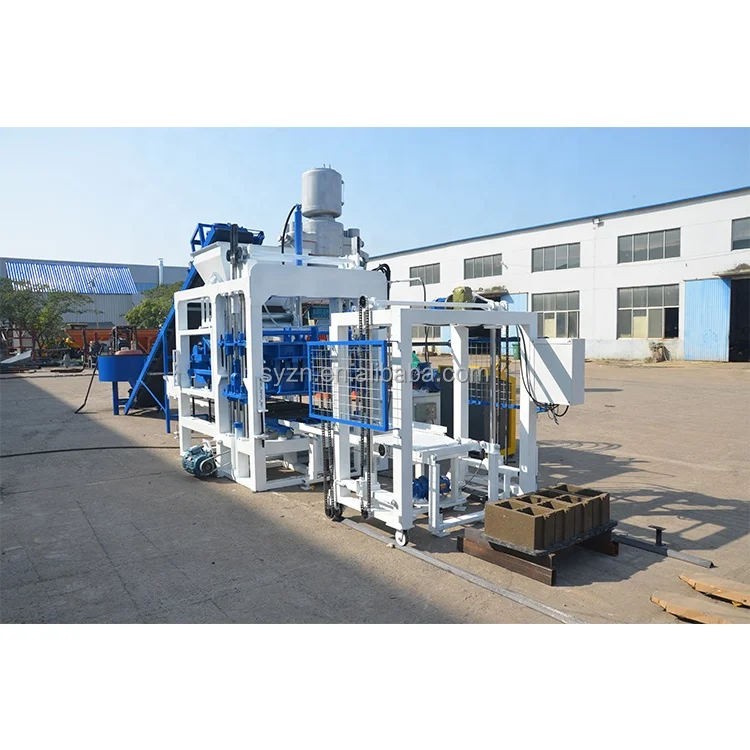
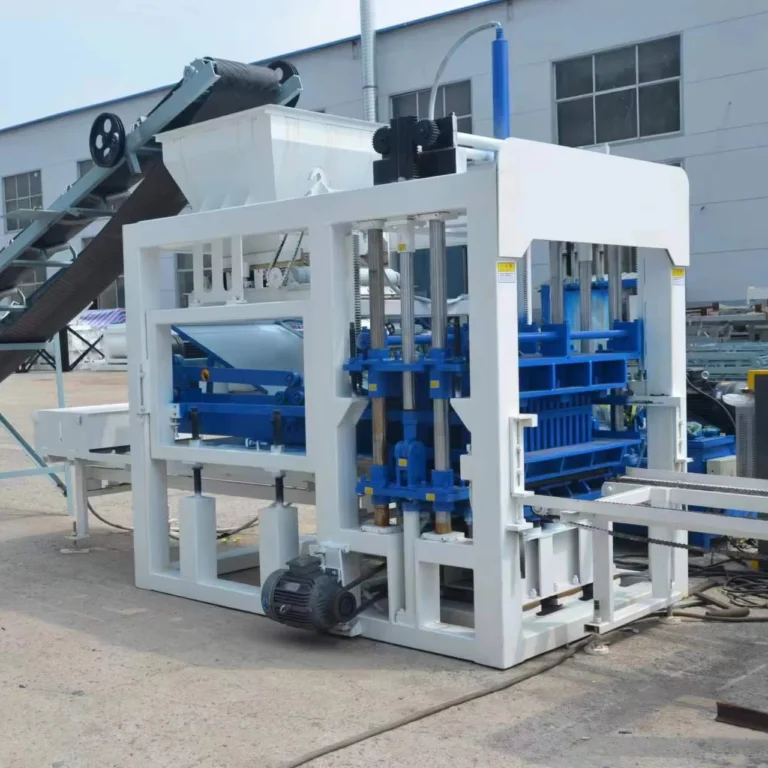 High quality block machine