
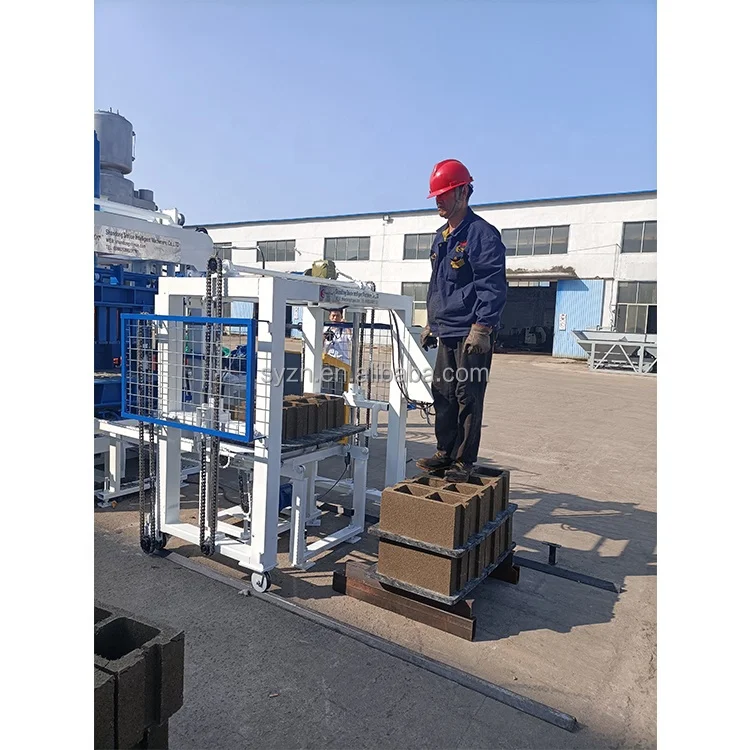
 Stationary block machine
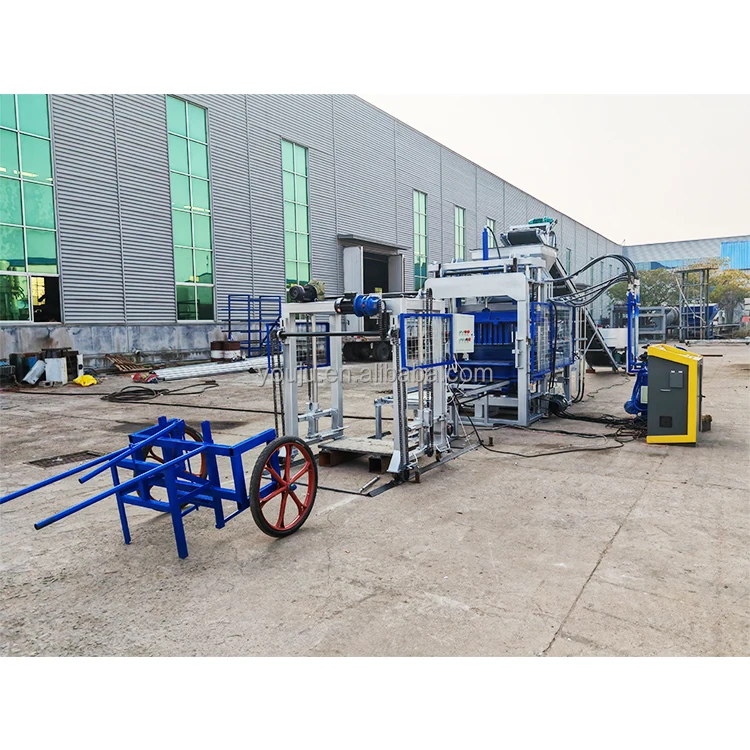 Stationary block machine
Concrete Machinery
QT4-15 Hollow Block Making Machine | Manufacturer Full Range
<p><strong>QT4-15 Hydraulic Block Making Machine, PLC Control, 900×500mm Pallet</strong> — mid-range automatic tier for medium and small block plants stepping up from manual or semi-automatic production. Platform vibration at 50–70 Hz paired with hydraulic demoulding produces hollow blocks, pavers and solid bricks on one press by changing moulds, with product heights from 50 to 220 mm.</p> <ul> <li>Mould change covers formats from 400×200×200 mm hollow blocks down to 240×115×53 mm solid bricks</li> <li>Machine, mould and pallet specified as one matched system against your local aggregate and target block format</li> </ul>
CE Certified
European Standards
Ships 15-30 Days
Fast Delivery
108+ Countries
Global Export
After-Sales Support
Training Included
24h Response
Free Technical Consultation
Product Details
Integrated System Matching — The QT4-15 block machine for sale is specified as one complete unit with matched mould, pallet, and handling parameters rather than assembled from disconnected suppliers, preventing output gaps at the press.
Technical Specifications
| Parameter | Value |
|---|---|
| Model | QT4-15 |
| Product Type | Hydraulic Block Making Machine |
| Molding Cycle | 15-30s (basis not stated in source — confirm block format / material / thickness) |
| Pallet Size | 900×500 mm |
| Vibration Type | Platform vibration |
| Vibration Frequency | 50-70 Hz |
| Product Height Range | 50-220 mm |
| Overall Power | 24.5 kW |
| Demolding Method | Hydraulic |
| Control System | PLC controlled |
| Hydraulic System | Yes |
| Output Capacity (Hollow Blocks 400×200×200 mm) | 900-1,200 pcs/hour; 7,200-9,600 pcs/8hr |
| Output Capacity (Hollow Blocks 400×150×200 mm) | 1,080-1,440 pcs/hour; 8,640-11,520 pcs/8hr |
| Output Capacity (Hollow Blocks 400×100×200 mm) | 1,440-1,920 pcs/hour; 11,520-15,360 pcs/8hr |
| Output Capacity (Paver 200×100×60 mm) | 2,880-3,840 pcs/hour; 23,040-30,720 pcs/8hr |
| Output Capacity (Solid Brick 240×115×53 mm) | 5,930-6,720 pcs/hour; 47,400-53,700 pcs/8hr |
| Mould Cycle Time (Hollow / Paver / Solid) | 15-20s |
| Compressive Strength of Blocks | More than 15 MPa |
| Raw Materials | Fly ash, slag, gangue, sand, crushed stone, cement, water |
| Automation Level | Automatic (PLC + hydraulic + approach switch monitoring) |
Application Suitability
| Application | Material or Output |
|---|---|
| Hollow block manufacturing for masonry walls | Fly ash, slag, sand, crushed stone blended with cement; formats 400×200×200 to 400×100×200 mm |
| Paver brick production for walkways and yards | Sand and crushed stone mix; 200×100×60 mm format |
| Solid brick production for load-bearing construction | Crushed stone, sand, and cement; 240×115×53 mm format |
| Medium and small block plants stepping up from manual lines | Industrial residue (fly ash, slag, gangue) combined with local aggregate |
What "900 to 1,200 Blocks per Hour" Actually Means for Your Plant
Every capacity figure on this page is tied to a specific block format, so the number you plan against is the one your market actually buys.
When a catalogue lists a single output number without naming the block size behind it, buyers tend to plan their entire shift schedule and curing yard around that peak. Then the first production day arrives, the mould installed is for a 200 mm wide hollow block, and the actual count lands well below the quoted figure. I have watched this mismatch shut down a project before the first week ended [NEED_CITE: common block plant output shortfalls from unstated format assumptions]. The QT4-15 block machine for sale lists five separate output lines — each anchored to a defined block dimension and cycle window — so the capacity you present to your investors matches the format your customers order.
Where the QT4-15 Sits on the Full Machine Range
The QT4-15 occupies the mid-range automatic tier within the stationary block machine lineup. Below it, semi-automatic models require manual pallet handling and limit daily throughput to what a small crew can sustain. Above it, high-capacity automatic lines demand larger curing yards, heavier electrical infrastructure, and a capital commitment that suits established producers expanding volume. For an entrepreneur setting up a first plant or a contractor replacing egg-laying machines with a fixed line, this tier delivers PLC-controlled automation without the overhead of a full industrial installation. The 24.5 kW total power draw fits a standard workshop supply, and the 900×500 mm pallet footprint keeps the curing area manageable.
Moving Between Formats Without Losing a Shift
A block plant that sells only one format rarely stays profitable past the second year. Local demand shifts between hollow blocks for wall construction, pavers for landscaping contracts, and solid bricks for infrastructure work. The QT4-15 covers all three categories on a single platform by swapping moulds, with each format change involving physical removal of the current mould and installation of the next. The hydraulic demolding system and approach switch monitoring recalibrate to the new mould height within the 50-220 mm product range. This format range means a small-to-medium plant can accept a paver contract on Monday and return to hollow block production by midweek, keeping the machine earning across market cycles [NEED_CITE: block plant format diversification and revenue stability].
Reading the Specs That Determine Daily Output
The platform vibration system operates at 50-70 Hz, a frequency band that consolidates fine aggregate particles while the hydraulic pressure compresses the mix from above. Together, these two forces determine whether the finished block holds together when stripped from the mould and reaches the declared compressive strength exceeding 15 MPa. If the vibration force is too low for the local aggregate — a scenario I have seen repeatedly when a buyer sources laterite or heavy river sand instead of standard crushed stone — the block cracks at demolding regardless of cement content. The 900×500 mm pallet size sets the upper boundary for block dimensions per cycle and must align with the curing racks and forklift already on site. The PLC control with approach switch monitoring automates the pallet feed, material feed, vibration, and demolding sequence, removing timing variation that a manual operator introduces over a long shift.
The Cost of Skipping Configuration Checks Before Shipment
Ordering a block machine on catalogue specifications alone leaves several variables unresolved until the container arrives at your gate. If the voltage and frequency were not confirmed against your local grid, the motor will not start or will burn out within hours. If the PLC display language was not set during production, your operator stares at fault codes in an unfamiliar script while the line sits idle. If the pallet size was selected without checking your curing rack spacing, every pallet requires manual repositioning before stacking. These are not warranty issues — they are configuration gaps that fall on the buyer, and resolving each one on-site costs more time and money than a two-page confirmation document before production [NEED_CITE: commissioning delays from unconfirmed electrical and control specifications].
Why Buyers Source This Tier From a Single-Focus Supplier
Block machinery is the only product category here, which means the machine, mould, pallet, and handling equipment are specified as one matched system rather than assembled from separate vendors who point at each other when output falls short. Every configuration is set against the buyer’s actual mix design and local aggregate, not a catalogue default that assumes material you cannot source. Mould design and supply covers the formats your market sells, including custom drawings when standard moulds do not match local block dimensions. The automation level is selectable, so a buyer can begin with the QT4-15 in its standard automatic configuration and add pallet handling or stacking modules as volume grows. Installation and commissioning support includes operator training at your site, ensuring the crew understands mould change procedure, PLC fault response, and daily maintenance before the engineer departs.
Documentation & Verification
- Line layout drawing showing QT4-15 position with capacity calculation per block format
- Machine specification sheet confirming 24.5 kW power and 900×500 mm pallet size
- Mould format list detailing included hollow, paver, and solid brick moulds
- Voltage, frequency, and PLC display language confirmation before production
- Factory test record documenting cycle time and block output on agreed format
- Hydraulic and electrical schematic for on-site maintenance reference
Installation, Commissioning & Support
- Foundation pad leveled to QT4-15 footprint with anchor bolt template provided before pour
- Dedicated electrical circuit rated for 24.5 kW total draw with correct voltage and frequency
- Machine arrives partially assembled; press frame, hydraulic unit, and PLC cabinet bolted on site
- First production run supervised to verify cycle time and block strength against agreed format
- Operator training covers PLC fault codes, mould change procedure, and approach switch checks
- Wear parts list identifies hydraulic seals, vibration springs, and mould liner replacements
What to Prepare Before Requesting a Quotation
To size the QT4-15 accurately to your operation, share the block formats your market currently demands along with the target daily output for each. Confirm the raw materials available locally — whether fly ash, river sand, or crushed stone — and any industrial residue you plan to incorporate. Specify your site voltage and frequency, the PLC display language your operators read, and the curing yard dimensions you have planned. If you already own pallets or forklifts, send the pallet dimensions so the 900×500 mm standard can be confirmed or adjusted before production begins.
Frequently Asked Questions
Q: Where does the QT4-15 sit compared to semi-automatic and higher-output automatic tiers?
A: It occupies the mid-range automatic tier. Semi-automatic models below it require manual pallet handling and produce lower daily volumes. Higher-output lines above it demand larger curing areas, heavier power supply, and greater capital. The QT4-15 suits medium and small plants that need PLC automation without the infrastructure of a full industrial line.
Q: What plant footprint and investment should I plan for with this tier?
A: The QT4-15 itself has a compact press footprint, but the total plant area must include raw material storage, a mixer station, pallet return path, and a curing yard sized for the daily output of your chosen format. The 24.5 kW power draw fits standard workshop electrical supply. Exact footprint depends on the supporting equipment you include.
Q: Which block formats does the QT4-15 cover and what is the daily output for each?
A: It covers hollow blocks in three sizes, pavers, and solid bricks by changing moulds. Capacity is stated per format: for example, 7,200-9,600 pieces per 8-hour shift for 400×200×200 mm hollow blocks, and 23,040-30,720 for 200×100×60 mm pavers. Each figure assumes its specific block dimension and cycle time.
Q: Can I start with this machine and add pallet handling or stacking later?
A: Yes. The automation level is modular. You can begin with the QT4-15 in its standard automatic configuration — PLC-controlled pressing, vibrating, and demolding — and add automatic pallet feeding, stacking, or cubing modules as production volume grows and labour costs justify the investment.
Q: What supporting equipment is included versus priced separately?
A: The QT4-15 quotation typically covers the press, hydraulic unit, PLC cabinet, and the moulds specified. Raw material feeders, mixers, pallet feeders, stacking systems, and curing rack handling are separate line items. Request a line layout that clearly marks included and optional stations so the total investment is visible before order.
Get a Quote
Request Price for QT4-15 Hollow Block Making Machine | Manufacturer Full Range
Fill in your requirements and our export manager will respond within 24 hours with pricing, specs and a customized solution.
You May Also Like
Related Products
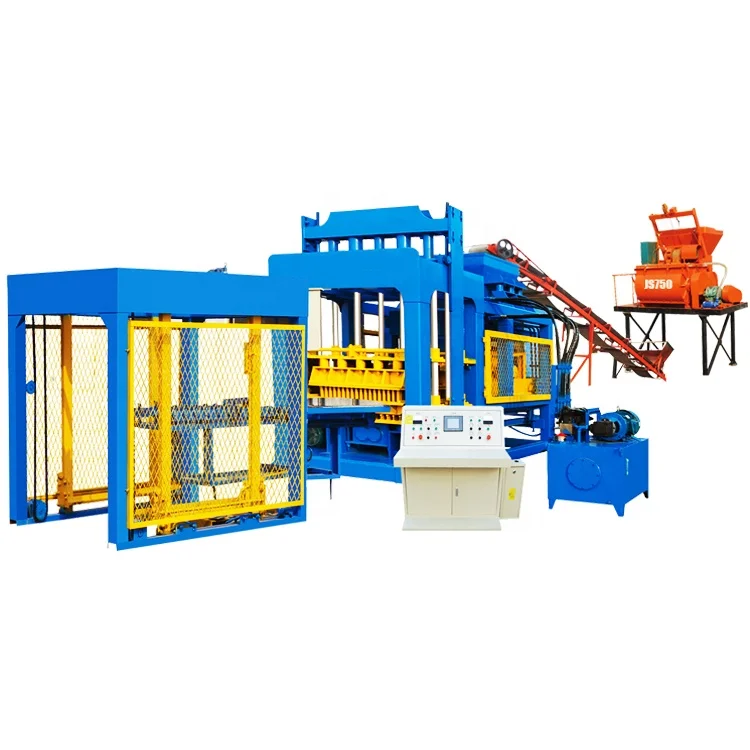
Stationary block machine
 Stationary block machine
QT12-15 Fully Automatic Stationary Hollow Solid Paver Block Making Machine with CE and ISO Certification
Products Description 1. Particular storage and discerption material system insure the feeding accuracy and avoiding...
View Details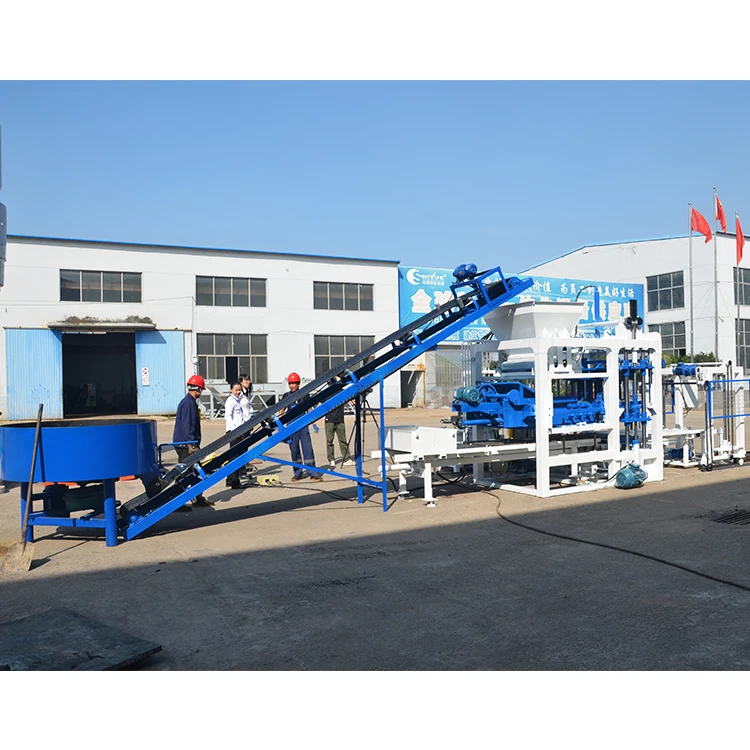 Stationary block machine
QT4-18 Concrete Block Brick Making Machine | Full Range Manufacturer
QT4-18 Stationary Block Machine, 45 kN Vibration, 900×500 mm Pallet — positioned in the mid-tier...
View Details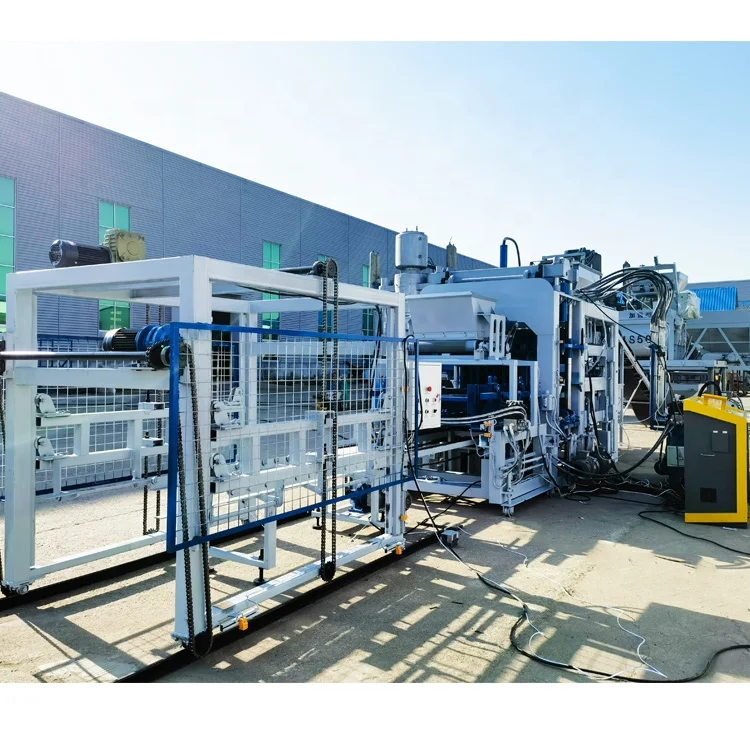 Stationary block machine
QT8-15 Concrete Block Making Machine Cement Building Brick Machine
paving slabs interlocking block making machine Product Descriptionbrief introduce about QT8-15 paving slabs interlocking block making...
View Details
Established Manufacturer · Since 2005
Ready to Start Your Concrete Production Line?
Our 320+ engineers will design a customized solution for your local materials, voltage and site conditions. Get a free layout plan and ROI estimation within 24 hours.
108+ Countries Exported
46,000㎡ Factory
320+ Engineers
24h Response Guaranteed