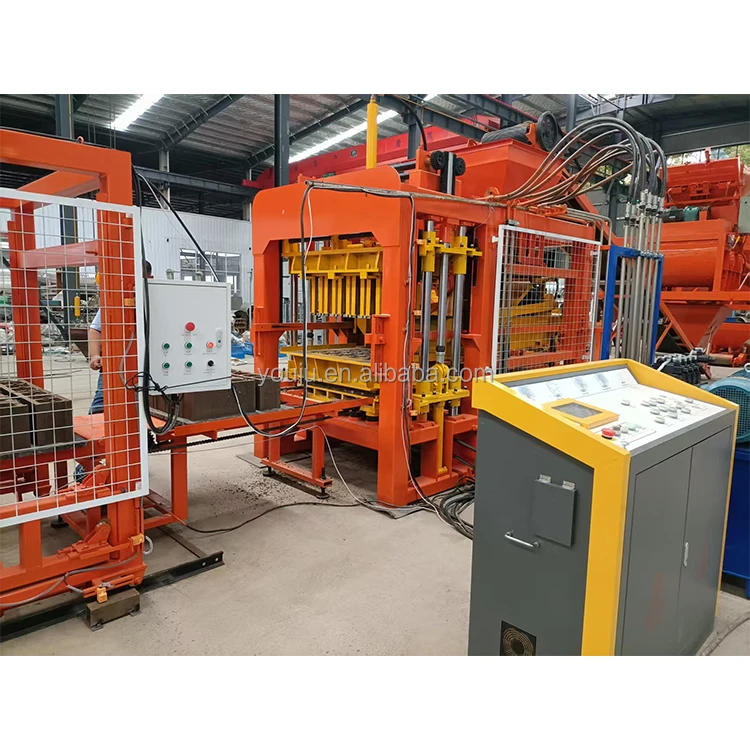
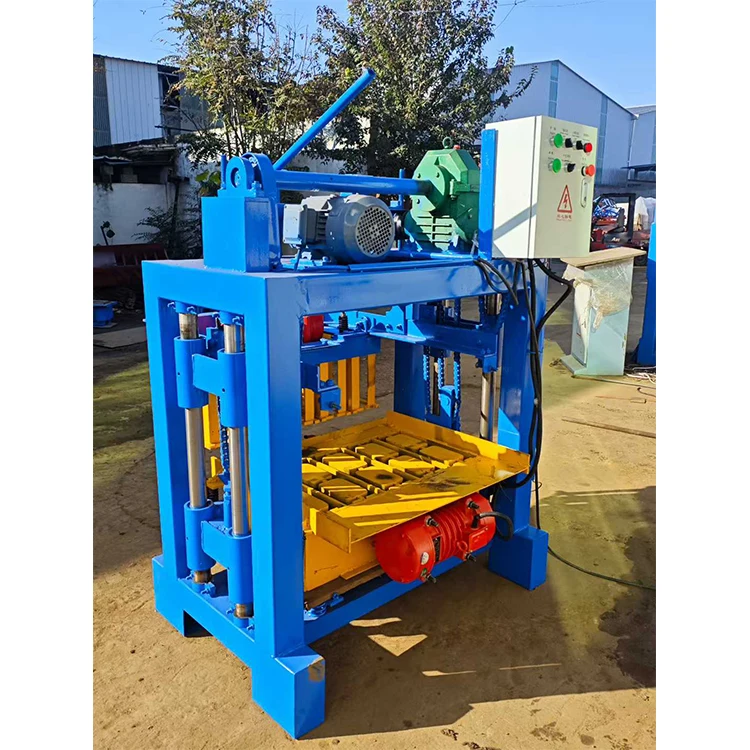
Matched System Integration — The QT4-18 is configured as a complete block line where the press, mixer, pallet, and stacking stations are sized together so cycle times align and the host is never left idle.
Technical Specifications
| Parameter |
Value |
| Model |
QT4-18 |
| Product Type |
Hydraulic Concrete Block Making Machine |
| Overall Dimensions (L×W×H) |
3900 × 1600 × 2300 mm |
| Total Weight |
3 T |
| Rated Power |
24 kW |
| Voltage & Frequency |
Basis to be confirmed per target market |
| Control System |
PLC with language options to be confirmed |
| Exciting Force (Vibration) |
40–50 kN |
| Hydraulic Pressure |
Basis to be confirmed |
| Moulding Cycle |
15–25 s (varies by block format, material, and thickness) |
| Pallet Size |
850 × 550 × 25 mm |
| Mixer Model |
JQ350 |
| Automation Level |
Semi-automatic |
| Container Loading |
20GP nude packing; approx. 500 pallets can be loaded together |
Application Suitability
| Application |
Material or Output |
| Hollow block production |
Crushed stone, sand, cement, fly ash — 1200–1680 pcs/h based on 400×200×200 mm block, 4 pcs/mould |
| Smaller hollow block runs |
1800–2400 pcs/h based on 400×150×200 mm block format |
| Solid brick manufacturing |
3240 pcs/h based on 240×115×53 mm solid brick format |
| Paver and curbstone production |
Format change via mould swap on same host machine |
Why Quoted Capacity Misses the Mark on Day One
Capacity without a block-format assumption is a number that only exists on paper.
I have walked onto sites where the buyer ordered a machine rated at a headline figure, only to discover the quote assumed an 8-inch hollow block while the local market actually buys 6-inch pavers. The real daily throughput dropped noticeably because the cycle time, mould cavity count, and mix behaviour were never reconciled before production started. That gap between catalogue promises and site reality is where projects stall and contractors start looking for someone to blame. The QT4-18 concrete block making machine manufacturer output figures here are each tied to a specific block format so you can match them against what your market actually orders. [NEED_CITE: common capacity misquotation in block machinery procurement]

Where the QT4-18 Sits in the Full Range
The QT4-18 occupies the mid-tier of the stationary block machine lineup. Below it, smaller workshop machines serve entrepreneurs producing a few thousand blocks a day for local sale. Above it, fully automatic lines handle high-capacity plants running multiple shifts with automatic stacking and cubing. This model targets buyers who have outgrown manual egg-laying machines but are not yet ready to commit the capital and floor space a full automatic line demands.
Room to Grow Without Replacing the Press
Semi-automatic operation means pallet handling and stacking still rely on manual labour, but the hydraulic pressing and vibration stages are fully mechanised. When daily volume grows, the same host machine can be paired with an automatic pallet feeder and stacker, turning the line into a higher-automation setup without discarding the press. This upgrade path matters for contractors who win a large housing project and suddenly need twice the output within a single season. [NEED_CITE: typical automation upgrade path for stationary block machines]
How Pressure and Vibration Shape Block Density
The hydraulic station delivers pressing force while the vibration system operates at 40–50 kN to consolidate the mix inside the mould cavity. These two forces must be balanced against the buyer’s specific aggregate grading and cement content. A mix with high fines or clay content absorbs vibration energy differently, so the QT4-18 cycle time of 15–25 s is adjustable to let the operator tune compaction per format. The 850 × 550 × 25 mm pallet size determines how many blocks fit per cycle and must align with the curing racks and forklifts already on site. Mould change covers hollow block, solid brick, paver, and curbstone formats, giving one host machine the range a mid-size plant needs to serve multiple customer segments.
The Cost of Skipping the Voltage Conversation
I have seen machines arrive at port with a motor wound for a frequency the local grid does not supply. The buyer then faces weeks of rewinding or sourcing a transformer while the project deadline keeps moving. Voltage, frequency, and PLC display language must be confirmed in writing before the QT4-18 enters production. Skipping that step turns a straightforward commissioning into an electrical retrofit on the factory floor. [NEED_CITE: voltage and frequency standards by export market]
Why Sourcing the Press Alone Is Not Enough
Block machinery works as a system where each station must match the press cycle. The JQ350 mixer is sized so a fresh batch reaches the hopper before the QT4-18 finishes its current moulding cycle. The conveyor moves that mix without bottlenecking. Pallets — typically 300 to 500 pieces for a start-up line — must be the right thickness and stiffness to survive thousands of vibration cycles without warping. When these components come from separate suppliers, mismatches in timing and tolerance are almost guaranteed. Sourcing the QT4-18 concrete block making machine manufacturer package together keeps the line coherent from day one.
Documentation & Verification
- Line layout drawing with capacity calculation stated per block format and mix assumption
- Machine specification sheet confirming rated power, pallet size, and overall dimensions
- Mould drawing and format list covering hollow block, solid brick, paver, and curbstone
- Voltage, frequency, and PLC language confirmation signed off before production
- Factory test record and packing photographs supplied before container loading
- Hydraulic and electrical schematic for on-site maintenance reference
Installation, Commissioning & Support
- Foundation pad must accommodate the 3900 × 1600 mm footprint and 3 T operating weight
- Dedicated power circuit sized for 24 kW rated draw plus mixer start-up surge
- Host machine, JQ350 mixer, and conveyor ship separately and are bolted on site
- PLC parameters tuned to local mix design and target block format during first run
- Operator training covers mould change procedure, cycle adjustment, and daily checks
- Wear parts list and hydraulic seal kit specified for first replacement cycle
Before You Send an Inquiry
Tell me the block formats your market actually buys, the daily volume you need to hit, and the raw materials available within hauling distance of your site. Share your local voltage and frequency so the motor and PLC can be wound and programmed correctly before the QT4-18 leaves the factory. If you already have curing racks, forklifts, or a mixer in place, let me know so the pallet size and line layout can be matched to what you own rather than forcing you to replace equipment that still works.
Frequently Asked Questions
Q: How is the QT4-18 output capacity calculated, and which block format does each figure assume?
A: Each capacity figure is tied to a specific block size and cavity count. For example, 1200–1680 pieces per hour assumes a 400×200×200 mm hollow block with four cavities per mould. Switching to a smaller solid brick format raises the headline number because more units fit per cycle, but the tonnage of material consumed per hour also rises. Always match the figure to the format you will actually sell.
Q: Where does the QT4-18 sit in the full range, and when should I step up to fully automatic?
A: This model is mid-tier semi-automatic — ideal for buyers scaling past manual production without the capital for a fully automatic stacking and cubing line. When daily output demands multiple shifts and labour costs become a concern, stepping to a higher-tier automatic model makes sense. The QT4-18 host can also be upgraded with pallet feeders and stackers later.
Q: What voltage, frequency, and PLC language options are available?
A: These are confirmed per order to match your local grid and operator preference. The motor is wound and the PLC programmed after you provide your site voltage, frequency, and preferred display language. Locking these details in before production avoids costly rewinding or transformer work after arrival.
Q: How long does a mould change take, and what formats can I add later?
A: Mould change on the QT4-18 involves unbolting the current mould, lifting it out, and seating the replacement — a process that takes a portion of a shift if done carefully. Supported formats include hollow block, solid brick, paver, and curbstone. Additional moulds can be ordered separately as your market demand shifts.
Q: What supporting equipment is included versus optional?
A: The standard configuration ships with the QT4-18 host machine, JQ350 mixer, and conveyor. Pallets are sold separately, with 300–500 pieces suggested for a start-up line. Automatic stackers and curing rack handlers are available as add-ons. All components are sized so cycle times align and the press is not left waiting between batches.

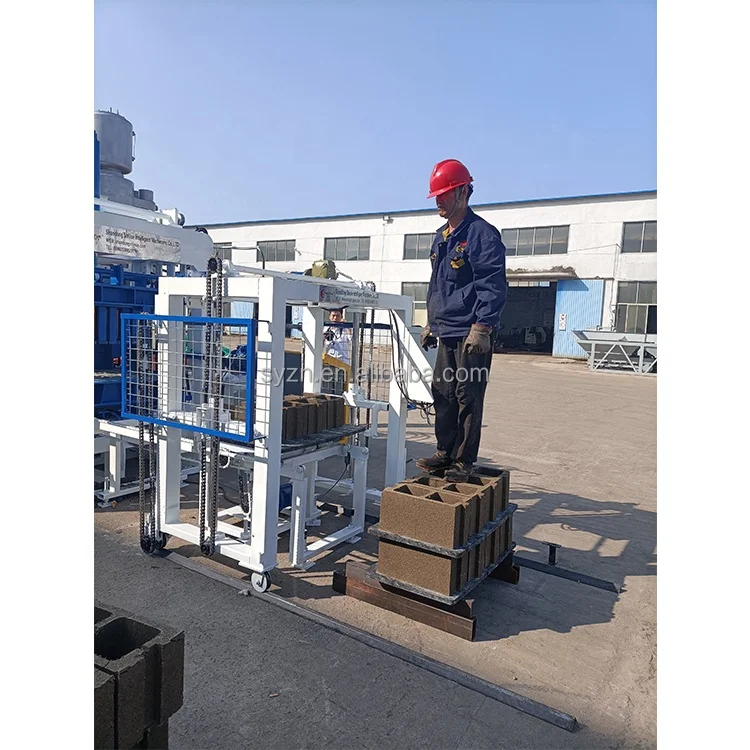
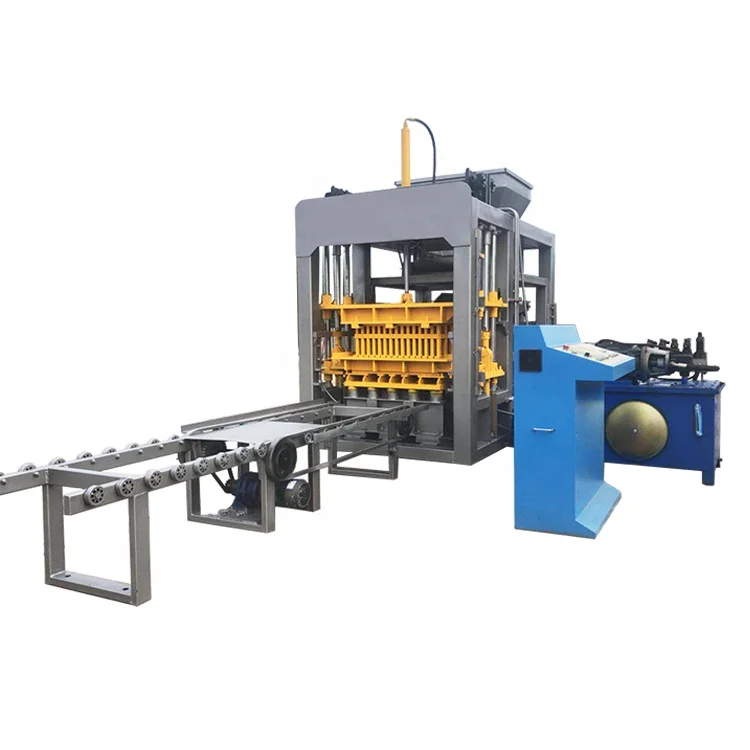 Stationary block machine