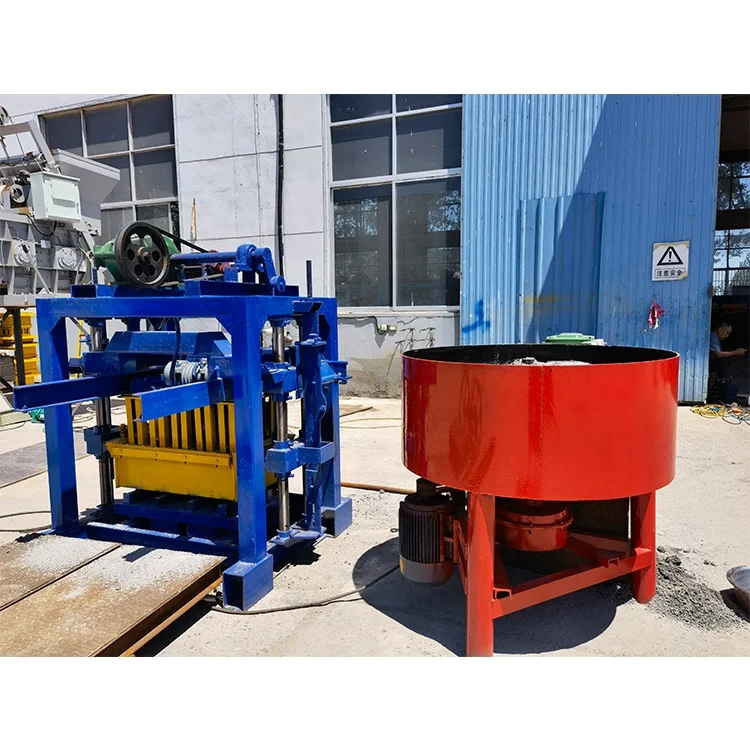
Single-Focus Machinery Matching — The QT10-15 automatic block machine is specified as one integrated system with matched moulds, pallets, and handling, not assembled from unrelated suppliers, ensuring capacity figures align with the buyer’s actual block format.
Technical Specifications
| Parameter |
Value |
| Model |
QT10-15 |
| Product Type |
Automatic Concrete Block Making Machine |
| Control System |
PLC control cabinet |
| Hydraulic System |
Independent integrated hydraulic station |
| Vibration Mode |
Vertical station mode resonance, automatic FM-AM |
| Automation Level |
Automatic |
| Mould Change System |
Quick replacement for multi-format production |
| Cycle Time (400×200×200mm hollow block) |
15–20s |
| Output (400×200×200mm hollow block, 10 pcs/mould) |
1,800–2,400 pcs/h, 14,400–19,200 pcs/8hr |
| Cycle Time (240×115×53mm standard brick) |
15–20s |
| Output (240×115×53mm standard brick, 62 pcs/mould) |
8,928–11,160 pcs/h, 71,424–89,280 pcs/8hr |
| Cycle Time (200×100×60mm paving block) |
20–25s |
| Output (200×100×60mm paving block, 27 pcs/mould) |
5,184–6,480 pcs/h, 41,472–51,840 pcs/8hr |
| Warranty |
1 year for whole machine (excluding spare parts) |
| Payment Terms |
30% T/T deposit, 70% balance before delivery |
| Voltage & Frequency |
Basis not stated in source — confirm with supplier |
| Pallet Size |
Basis not stated in source — confirm with supplier |
| Overall Dimensions |
Basis not stated in source — confirm with supplier |
Application Suitability
| Application |
Material or Output |
| Hollow block production |
Crushed stone, sand, cement, and water for building wall construction |
| Standard solid brick manufacturing |
Local aggregate blended with cement for load-bearing or infill masonry |
| Paving block production |
Fine aggregate and cement mix for roads, walkways, and parking areas |
| Interlocking brick production |
Graded aggregate and cement for landscaping and permeable surfaces |
| Multi-format block plants |
Quick mould change across hollow, paving, and brick formats on one press |
What "1800 Blocks per Hour" Actually Depends On
A cycle-time figure only matters once you know the exact block format, mould cavity count, and local mix behind it.
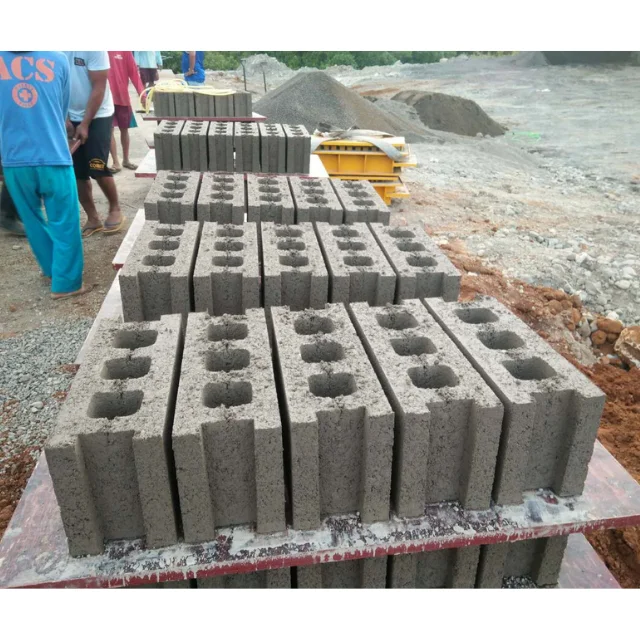
The QT10-15 automatic block machine manufacturer quote on your desk might show a single headline number. In practice, a 400×200×200mm hollow block with 10 cavities cycles in 15–20 seconds, yielding 1,800–2,400 pieces per hour. Switch the mould to a 200×100×60mm paving block with 27 cavities and the cycle extends to 20–25 seconds, shifting output to 5,184–6,480 pieces per hour. The difference between those two formats is enormous when you plan curing space, pallet circulation, and raw material feeding. I once watched a Middle-East buyer discover after arrival that his local sand carried high clay content, forcing longer vibration cycles and dropping actual daily output well below the brochure figure [NEED_CITE: effect of aggregate clay content on vibration cycle time]. That is why every capacity conversation must start with the block you actually sell and the material you actually source.

Where the QT10-15 Sits in the Full Machine Range
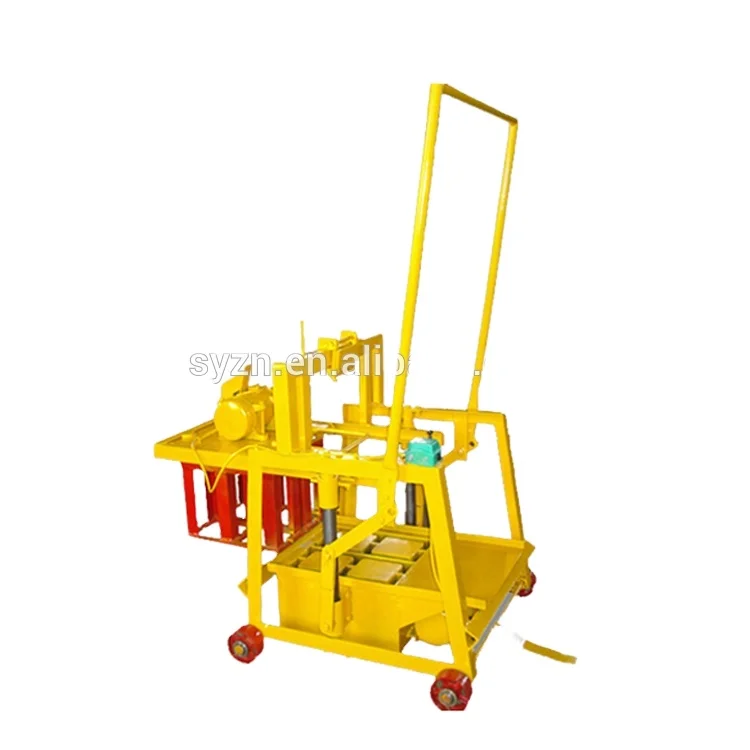
The Shiyue range spans semi-automatic machines for small workshops, mobile egg-laying units for on-site production, and high-capacity automatic lines for large plants. The QT10-15 occupies the mid-to-high tier, aimed at buyers who need consistent multi-format output without jumping to the largest press and its corresponding plant footprint. For a first-time block plant owner comparing investment levels, this model offers automatic pallet feeding, PLC-controlled cycles, and quick mould change while keeping the supporting equipment scope manageable.
Matching Output Tiers to Your Actual Market Demand
Choosing the right tier starts with the volume your local market absorbs per shift, not the maximum the machine can produce. A construction contractor supplying a single housing development may find the QT10-15’s hollow block capacity of 14,400–19,200 pieces per eight-hour shift sufficient, whereas a commercial distributor serving multiple sites may need to pair it with additional lines or evaluate a higher tier. The automation level here removes manual pallet handling from the operator’s workflow, allowing labour to focus on quality inspection and dispatch [NEED_CITE: automation level impact on labour allocation in block plants].
Reading the Specs That Determine Daily Reality
Hydraulic pressure and vibration force together decide whether the finished block reaches the density your local standard requires. The QT10-15 uses an independent integrated hydraulic station, physically separated from the host vibration and dust environment, which helps maintain consistent pressure output over long shifts. The vertical station mode resonance with automatic FM-AM vibration adjusts frequency and amplitude to suit different mould geometries — a hollow block demands different compaction behaviour than a thin paving brick. Cycle time is directly influenced by how quickly the vibration reaches target density; a well-matched mix design shortens the cycle, while an overly wet or poorly graded aggregate extends it. Quick mould replacement means the operator can switch from hollow blocks in the morning to interlocking bricks in the afternoon without losing the majority of a shift. Understanding these interactions prevents the common mistake of sizing the machine only on headline output.
The Hidden Cost of Skipping Configuration Details
When pallet size is chosen without checking the curing racks and forklifts already on site, pallets either do not fit the racks or require manual re-stacking before transport. When voltage and frequency are assumed rather than confirmed, the machine arrives and sits idle until a transformer or replacement motor is sourced locally [NEED_CITE: voltage and frequency standards by export market]. When the PLC display language is not specified, the operator works from icons and guesswork during the critical first weeks. Each of these oversights converts a planned commissioning week into a multi-week delay, and the cost of idle labour and delayed block sales quickly outweighs any price advantage on the press itself.
Why Buyers Source This Press Here
Block machinery is our single focus, so the QT10-15 is quoted as a matched system — press, mould, pallet, and handling specified together rather than assembled from separate vendors. We configure the vibration and hydraulic parameters against the buyer’s actual mix design and target block format, not a catalogue default. Custom mould design is available to buyer drawings, so the formats your market sells are covered from first shipment. Automation is selectable; a buyer can begin with semi-automatic pallet handling and add stacking later. Installation includes on-site commissioning with operator training, and mould plus wear parts support continues after the first production run.
Documentation & Verification
- Line layout showing pallet flow, curing rack spacing, and press position for the QT10-15 footprint
- Capacity calculation sheet stating the block format and mould cavity count behind each output figure
- Machine specification sheet confirming voltage, frequency, and PLC language for the destination market
- Mould drawing and format list identifying included formats and any custom designs required
- Factory test record demonstrating actual cycle times and block density before container loading
- CE declaration documentation where applicable for the importing market
Installation, Commissioning & Support
- Foundation must accommodate the QT10-15 vibration platform load and pallet feed machine footprint
- Dedicated power circuit matching confirmed voltage and frequency for the hydraulic station and PLC cabinet
- Machine dismantled for container shipment and reassembled on-site with alignment verification
- First-run commissioning includes cycle time tuning against your local aggregate and mix design
- Operator training covers PLC navigation, mould change procedure, and daily maintenance checkpoints
- Wear parts and mould cavity replacement list provided with recommended reorder intervals
Before You Send an Inquiry
To receive a configuration that matches your actual production plan, share the block formats you sell by dimension and daily volume, the raw materials available locally with any known aggregate characteristics, and the curing area dimensions you have on site. Confirming your country’s voltage and frequency standard along with the preferred PLC display language avoids delays at commissioning. If you are replacing an existing press, note the pallet size and any upstream mixers or conveyors that must interface with the new line.
Frequently Asked Questions
Q: How is QT10-15 capacity calculated for different block formats?
A: Each output figure is based on a specific block dimension, mould cavity count, and cycle time. For example, the 400×200×200mm hollow block assumes 10 cavities and a 15–20 second cycle, giving 1,800–2,400 pieces per hour. Switching to a different format changes both cavity count and cycle, so always request the calculation for your target block.
Q: Where does the QT10-15 fit compared to semi-automatic or larger models?
A: It sits in the mid-to-high tier of the Shiyue automatic range. Semi-automatic machines suit smaller workshops with lower investment, while higher-output models serve large commercial plants. The QT10-15 targets buyers who need automatic operation and multi-format capability without the largest plant footprint.
Q: What electrical and control details are confirmed before shipment?
A: Voltage, frequency, and PLC display language must all be confirmed to match the destination market. These are verified during the order process so the QT10-15 arrives ready for connection without requiring local transformers or control replacements.
Q: How does the mould change system work on the QT10-15?
A: The quick mould replacement design allows the operator to switch between supported formats — hollow block, standard brick, paving block, interlocking brick — within a single shift. The PLC stores cycle parameters per mould, reducing setup time after each change.

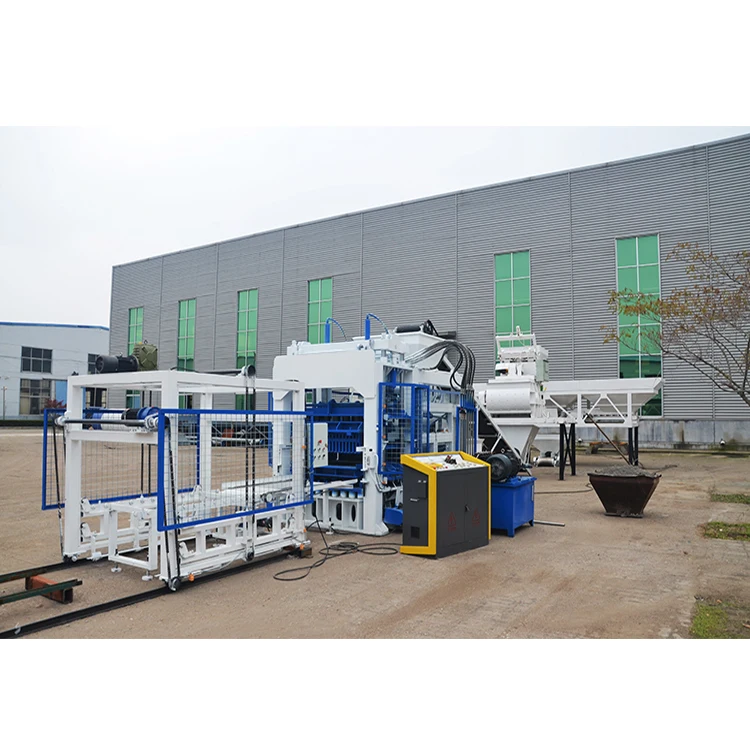
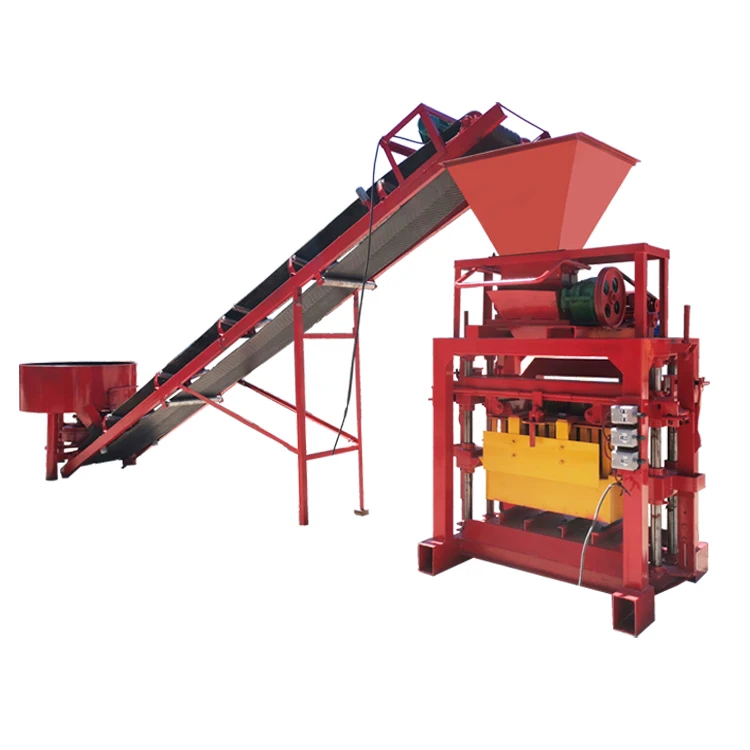 High quality block machine