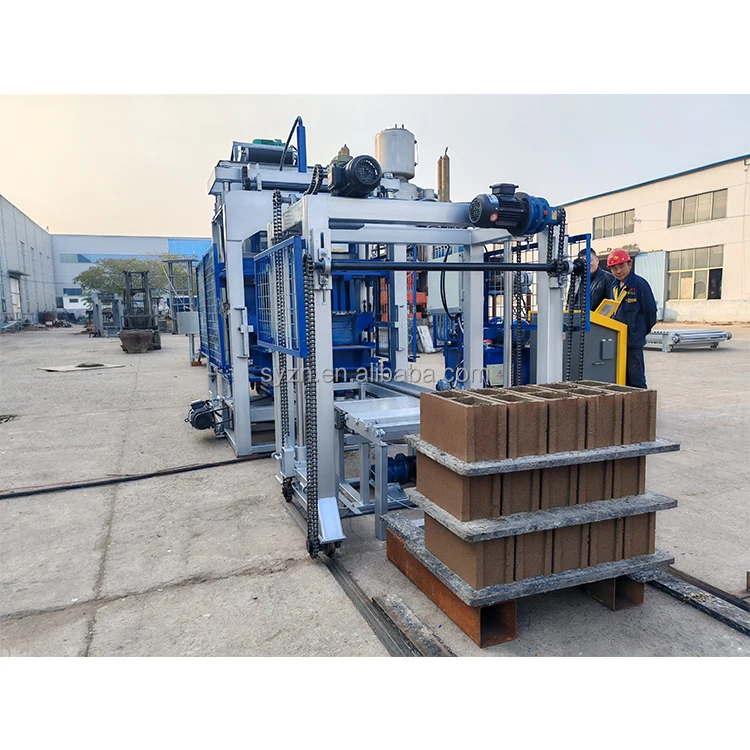
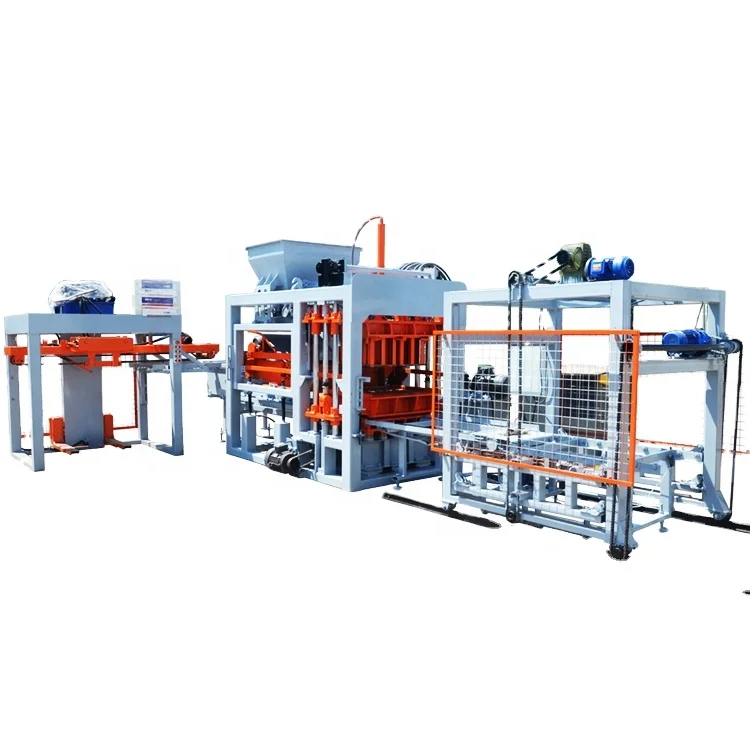
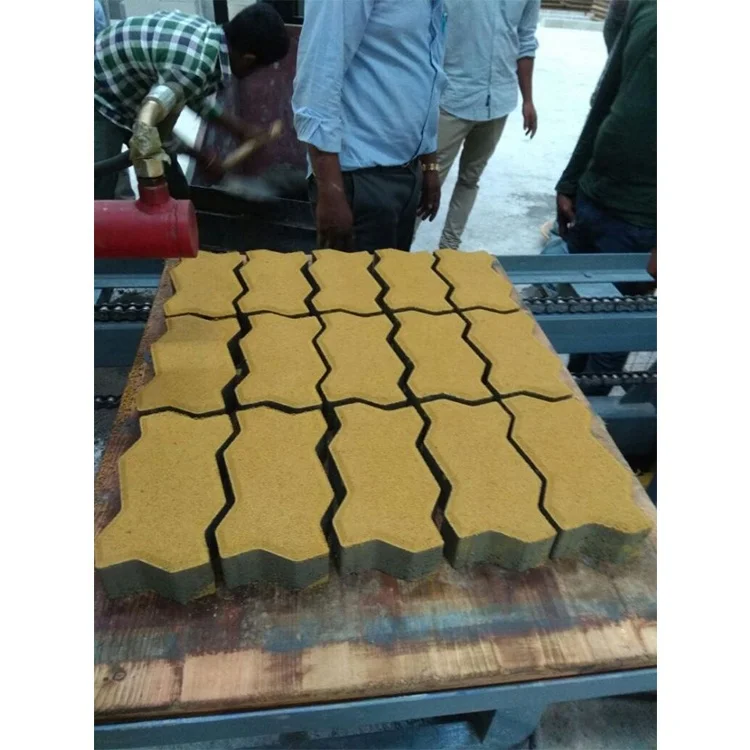
Single-focus block machinery supply — the QMJ2-45 mobile machine is specified as one matched unit with its mould, vibration setup, and power configuration chosen against your target block format rather than pulled from a generic catalogue.
Technical Specifications
| Parameter |
Value |
| Model |
QMJ2-45 |
| Product Type |
Mobile Brick Making Machine |
| Machine Power |
1.5 kW |
| Molding Cycle |
45 s |
| Output Capacity |
1280 pcs / 8 h (basis: 300×150×100 mm block, 2 pcs / mould — confirm with target format) |
| Pcs / Hour |
160 (basis: 300×150×100 mm block, 2 pcs / mould) |
| Pcs / Mould |
2 (based on 300×150×100 mm block format) |
| Raw Material |
Concrete, sand, cement |
| Machine Weight |
150 kg |
| Overall Dimensions |
920 × 800 × 1258 mm |
| Exciting Power |
2 vibrators / mould (bed mould vertical + upper mould compression) |
| Voltage |
Configurable to buyer local voltage and frequency (confirm before production) |
| Automation Level |
Semi-automatic (mobile / egg-laying type) |
| Assembly State |
Mobile — no fixed plant or pallets required |
Application Suitability
| Application |
Material or Output |
| On-site block production at building projects |
Concrete and sand mixes laid directly on prepared ground |
| Small-scale startup block plant |
Hollow and solid blocks from locally sourced aggregate and cement |
| Remote housing development sites |
Blocks produced in place to eliminate transport of finished masonry |
| First-time entrepreneur block yard |
Low-capital entry with semi-automatic operation and no curing rack infrastructure |
What "1280 Pieces per Day" Actually Means for a Mobile Brick Making Machine Manufacturer
Capacity figures only hold weight when the block format behind them is named.
The 1280 pcs / 8 h rating for this mobile brick making machine assumes a 300×150×100 mm block with two pieces per mould. Switch to a larger hollow block or a thinner paving format and the daily count shifts accordingly — sometimes by half. Many quotations in this equipment class state a cycle count per hour without naming the format, leaving buyers to discover the gap between quoted and real output only after the machine arrives on site [NEED_CITE: block format assumptions in capacity quotations]. Before any order is placed, the target block drawing and daily volume must be confirmed in writing so the capacity calculation matches what your market actually buys.

Where the QMJ2-45 Sits in the Machine Range
The QMJ2-45 occupies the entry tier of the SHIYUE mobile brick making machine lineup. It is designed for buyers who need block production without investing in a fixed plant, pallet system, or curing racks. The egg-laying method means the machine moves forward after each cycle, depositing blocks directly on the ground — eliminating pallet handling entirely and keeping the initial capital requirement low.
Positioning for Scale-Up
Starting at the mobile tier does not close the door on higher automation later. Buyers who prove their local market with the QMJ2-45 can move to semi-automatic stationary machines with pallet feeding, or further into fully automatic lines with stacking and cubing. The mould formats and block dimensions validated on the mobile unit carry forward, so market knowledge gained at this tier informs the next investment rather than being discarded [NEED_CITE: upgrade path from mobile to stationary block production].
Vibration, Cycle Time, and Block Density
The 45-second molding cycle pairs bed mould vertical vibration with upper mould compression vibration. This dual-action approach consolidates the concrete mix more evenly than single-axis vibration alone, which matters when local aggregate varies in particle shape and moisture content. At 1.5 kW total machine power, the vibration force is matched to small-format moulds — pushing beyond this power class would be unnecessary for the two-cavity mould size and would increase wear without improving density. The 150 kg machine weight keeps the unit portable across project sites while providing enough mass to resist walking during the vibration phase.
The Hidden Cost of Skipping Voltage Confirmation
Voltage and frequency mismatches remain one of the most common reasons commissioning stalls after a machine arrives at its destination [NEED_CITE: voltage and frequency standards by export market]. A motor wound for 380 V / 50 Hz will overheat or fail to start on a 220 V / 60 Hz supply, and rewinding on site adds days of downtime plus costs that were entirely avoidable. The QMJ2-45 voltage is configurable to the buyer’s local supply, but this must be confirmed in writing before production begins — not assumed from the destination country alone, since industrial zones within the same country sometimes run different standards.
Why Source This Machine Here
Block machinery is the sole product focus, so the QMJ2-45 is supplied as a matched system: machine, mould, and vibration parameters specified together rather than assembled from separate vendors. The mould is designed around the block format your market actually sells, and custom mould drawings are available when standard formats do not match local demand. Configuration is set against the buyer’s mix design and local aggregate — not a default catalogue setting — which reduces the trial-and-error period after arrival. Moulds and hydraulic wear parts are stocked and available for future replacement from the same source.
Documentation & Verification
- Machine specification sheet confirming power, cycle time, and voltage matched to your supply
- Mould drawing and format list showing the exact block dimensions quoted
- Factory test record on your target block format before dispatch
- Voltage and frequency confirmation document signed prior to production
- Operation and maintenance manual with wear parts list
Installation, Commissioning & Support
- No fixed foundation needed — the 920 × 800 × 1258 mm unit operates on level, compacted ground
- Single-phase or three-phase power connection per confirmed voltage — dedicated circuit recommended at 1.5 kW
- Machine ships fully assembled; on-site setup limited to electrical connection and mould fitting
- First-run block testing with your local aggregate to verify vibration parameters and mix ratio
- Operator training covering cycle operation, mould change procedure, and daily maintenance checkpoints
- Wear parts and replacement mould availability confirmed at order placement
What We Need to Quote Accurately
To size the QMJ2-45 correctly, share the target block format with dimensions, the daily output you need for that specific format, and the raw materials available locally including aggregate type. Confirm the site voltage and frequency so the motor is wound to match before production starts.
Frequently Asked Questions
Q: How is the 1280 pcs/day capacity calculated, and which block format does it assume?
A: The figure is based on a 300×150×100 mm block with two cavities per mould, running a 45-second cycle over an eight-hour shift. If your target format is larger or smaller, the daily output changes proportionally. We provide a capacity calculation specific to your block format before order confirmation.
Q: What voltage and frequency options are available for my country?
A: The motor is wound to your confirmed local supply. We need written confirmation of voltage and frequency before production begins, because industrial zones within the same country can run different standards. This step prevents commissioning delays when the machine arrives.
Q: Can I move from the QMJ2-45 to a higher-tier automatic line later?
A: Yes. The block formats and market data you validate on the mobile unit carry forward to a stationary semi-automatic or fully automatic line. Mould designs can be reused or adapted, so the initial investment in market testing is not lost when you scale up.
Q: What block formats and mould options work with this machine?
A: The standard configuration produces 300×150×100 mm blocks at two pieces per mould. Custom moulds can be designed to your drawings for other hollow, solid, or interlocking formats compatible with the machine’s vibration table and mould mounting dimensions.

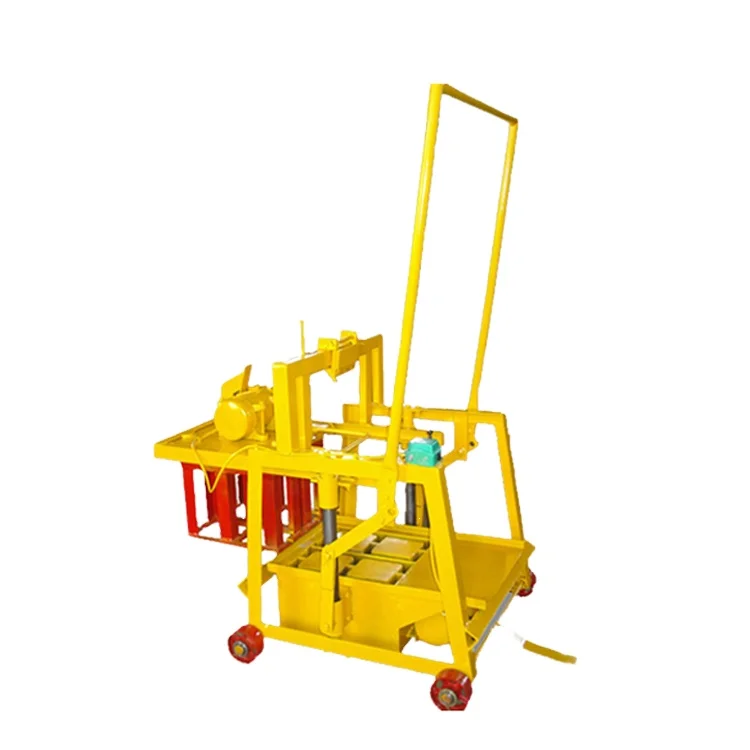
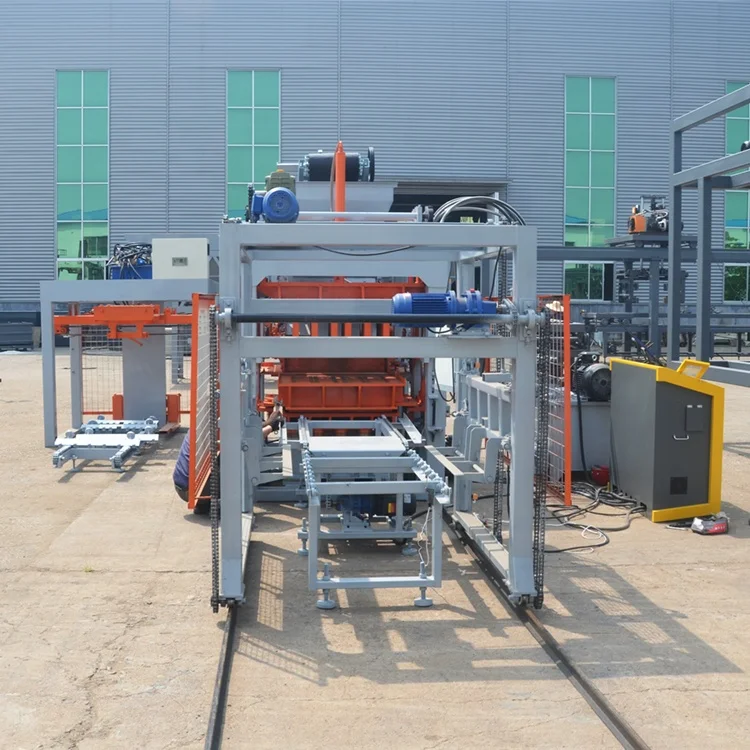 High quality block machine