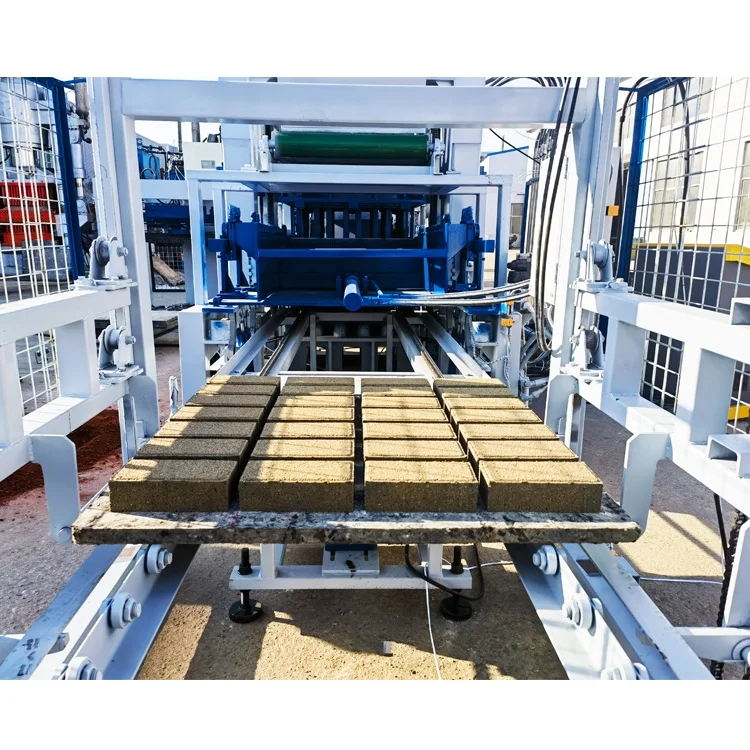
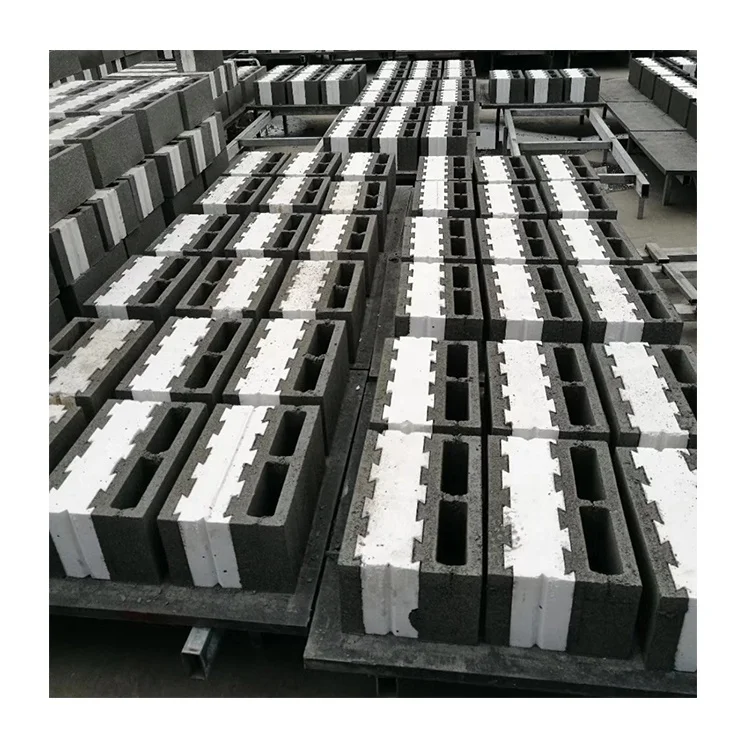
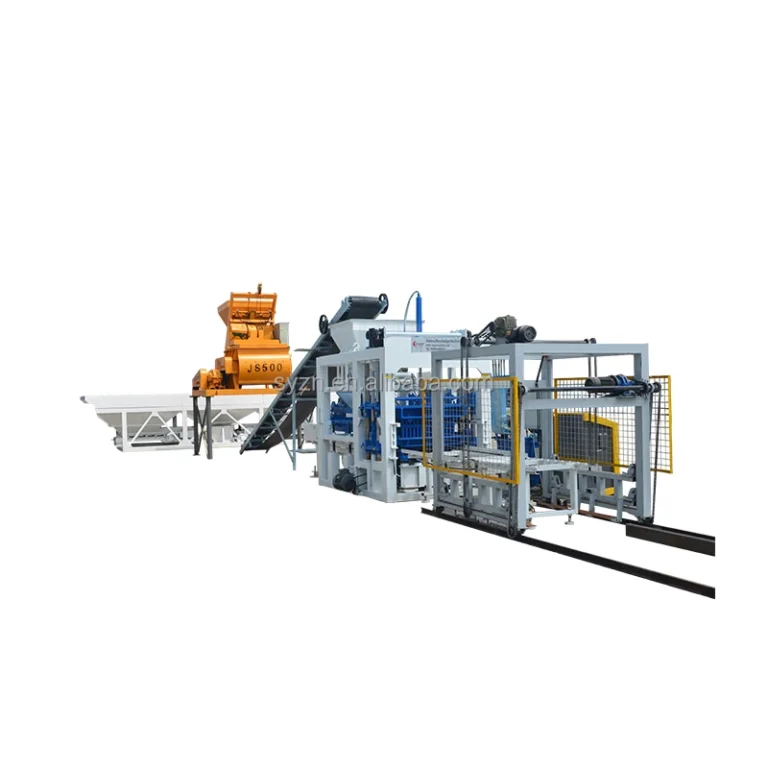
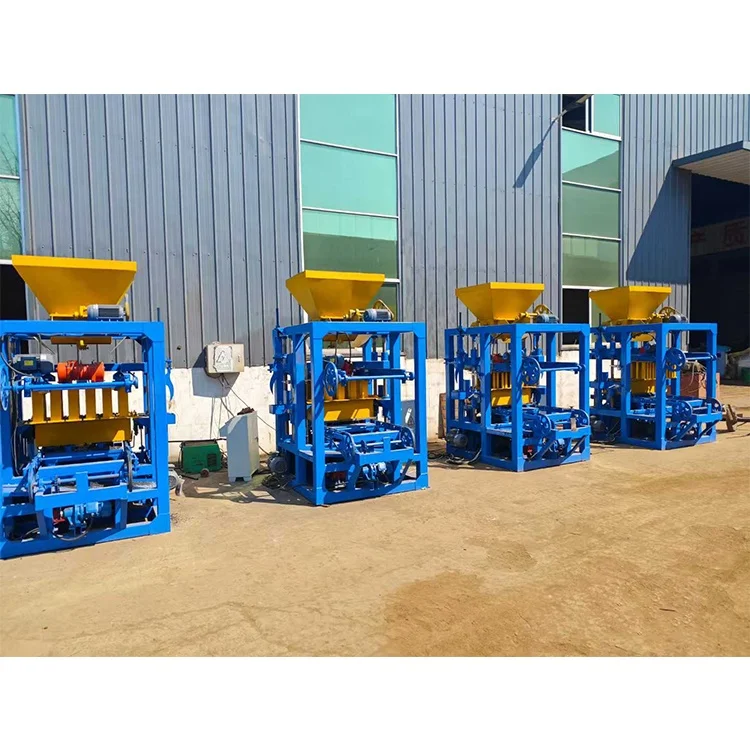
Matched System Integration — the QT12-15 block making machine is specified as a complete press, pallet, mould and handling package rather than a standalone unit, ensuring the vibration table, hydraulic circuit, and curing infrastructure are sized together before the order is placed.
Technical Specifications
| Parameter |
Value |
| Model |
QT12-15 |
| Product Type |
Automatic Concrete Block Making Machine |
| Total Power |
62 kW |
| Pallet Size |
1300 × 900 mm |
| Moulding Cycle |
15–30 seconds (basis not stated in source — confirm block format, material, and thickness) |
| Vibration Type |
Table vibration, four-axis with dynamic and static table |
| Vibration Force |
120 kN (source value — verify against manufacturer catalog) |
| Vibration Acceleration |
20g (source value — verify against manufacturer catalog) |
| Feeding System |
360° rotating press-in arch breaker |
| Control System |
PLC with frequency conversion control (specific brand and language options to be confirmed) |
| Voltage |
Customized to local industrial voltage (exact value to be confirmed) |
| Mould Compatibility |
Hollow block, solid block, interlocking brick, paving brick, porous brick, slope protection brick |
| Noise Reduction |
Flexible vibration reduction on pressure head; adjustable air bag vibration reduction on mould box |
| Standards |
CE declaration where applicable |
Application Suitability
| Application |
Material or Output |
| High-volume hollow block production |
Crushed stone, river sand, cement, and lightweight aggregate blends |
| Solid block manufacturing for load-bearing walls |
Dense aggregate mixes with higher cement ratios |
| Interlocking brick production for housing projects |
Laterite, quarry dust, or stabilized soil blends |
| Paving block and kerbstone output |
Fine aggregate and pigment-layered concrete for surface finishes |
| Porous brick and slope protection brick |
Open-graded aggregate with controlled void ratios |
Why "15-30 Seconds per Cycle" Needs a Format Attached
A cycle time only becomes meaningful once you know which block it refers to. A thin paving tile and a 200 mm hollow block demand completely different vibration durations and hydraulic hold times, so quoting a single range without naming the format leaves the buyer guessing at real daily output.
When I first started quoting the QT12-15 block making machine manufacturer line to overseas buyers, I would write the cycle range on the offer sheet and assume the customer understood it was a spread. One buyer in West Africa planned his entire shift schedule and curing rack count around the fastest figure, only to find his 200 mm hollow blocks needed the slower end of the range once local river sand was in the mix. The curing yard filled up, pallets could not cycle back to the press, and the line sat idle while we reconfigured the frequency conversion parameters [NEED_CITE: typical aggregate variation effects on cycle time in West African river sand deposits].

Placing the QT12-15 Inside the Full Machine Range
The QT12-15 sits at the high-output end of the automatic block machine range. Buyers stepping up from a semi-automatic press or replacing an older mobile egg-layer will see a noticeable jump in pallet area and vibration force, which translates into more blocks per cycle rather than simply a faster cycle. A first-time plant investor whose daily target is modest may find a mid-tier automatic or a well-configured semi-automatic model covers the requirement at a smaller footprint and lower power draw.
How the Pallet Size Shapes the Rest of the Plant
The 1300 × 900 mm pallet is a deliberate choice for plants that intend to run multi-format moulds across a single shift. That pallet dimension dictates curing rack spacing, forklift fork width, and the stacking pattern the operator uses when cubing dried blocks. If your existing yard was laid out for a smaller pallet, the racking and handling equipment must be re-evaluated before the press arrives — otherwise the QT12-15 block making machine manufacturer output simply piles up at the end of the line waiting for manual intervention [NEED_CITE: pallet and curing yard layout standards for large-format block plants].
Reading the Specification Sheet Beyond the Headline Numbers
The 62 kW total power rating covers the vibration motors, hydraulic pump, feeding system, and PLC panel running simultaneously; buyers should confirm the local transformer can sustain that continuous draw plus starting surge. The four-axis vibration with a dynamic and static table means the vibration energy reaches across the full 1300 × 900 mm pallet area, reducing density variation between corner blocks and centre blocks. Hydraulic pressure and vibration force work together — higher vibration without matching hydraulic clamp produces cracked edges, while excess pressure without enough vibration leaves voids. The 360° rotating press-in arch breaker prevents material bridging in the hopper, a common issue when local aggregate contains fines or residual moisture that makes the mix sticky. Frequency conversion control on the PLC allows the operator to adjust vibration intensity between formats without mechanical pulley changes, shortening the time needed when switching from hollow blocks to thin pavers.
The Cost of Skipping the Format Conversation
Buyers who approve a quotation based on headline cycle times alone often discover that their fastest-selling block format — typically a 150 mm or 200 mm hollow block in many markets — runs at the slower end of the range. By then the curing rack count and pallet return conveyor are already specified for a higher throughput, leaving sections of the line under-utilized. Moulds ordered without format-specific drawings can arrive with cavity counts that do not match the buyer’s pallet layout, forcing re-engineering at the destination [NEED_CITE: common mould mismatch issues in export block machine shipments].
What You Get When the Press Is Quoted as a System
Shandong Shiyue Intelligent Machinery focuses exclusively on block machinery, which means the QT12-15 block making machine, moulds, pallets, and handling stations are specified against one set of production parameters rather than sourced from separate catalogues. The mould is designed around the buyer’s actual block drawing, not a generic cavity layout. Automation level is selectable — a buyer can start with manual pallet return and add automatic stacking and cubing later without replacing the press. Factory testing uses the buyer’s confirmed mix design where samples are available, catching aggregate compatibility issues before the machine leaves Linyi. Installation and commissioning include operator training on mould change procedure and PLC parameter adjustment, so the local crew can handle format switches independently after handover.
Documentation & Verification
- Machine specification sheet with confirmed voltage, frequency, and PLC display language
- Capacity calculation stating the exact block format and mix assumed for daily output
- Mould drawing and format list showing cavity count per pallet for each product
- Pallet specification matched to curing rack dimensions and forklift capacity
- Factory test record photographed and shared before container loading
- CE declaration documentation where applicable to destination market
Installation, Commissioning & Support
- Foundation plan sized for the QT12-15 vibration load and 62 kW power draw
- Electrical single-line diagram specifying local voltage and dedicated circuit breaker rating
- Machine dismantled into container-load sections with reassembly sequence documented
- PLC parameter set adjusted on site against the buyer’s actual aggregate and mix ratio
- Operator training covering mould change, frequency conversion adjustment, and daily maintenance
- Wear parts list with hydraulic seal and vibration motor bearing replacement intervals
What We Need to Size Your Line Correctly
Send us the block formats you intend to produce, the target daily output per format, and a sample or lab report of your local aggregate. We also need your site voltage, frequency, and preferred PLC display language so the control panel is configured before the machine ships.
Frequently Asked Questions
Q: How is the QT12-15’s capacity calculated, and which block format does the cycle time assume?
A: The 15–30 second cycle is a range that covers different formats and thicknesses. A thin paving tile uses the shorter end, while a 200 mm hollow block requires longer vibration and hydraulic hold. We provide a format-specific capacity calculation once your target block drawings and mix design are confirmed.
Q: Where does the QT12-15 sit compared to semi-automatic and mobile models in the range?
A: It is the high-capacity automatic tier, intended for plants that need consistent multi-format output across a full shift. Semi-automatic models suit lower daily targets with smaller pallet areas, and mobile egg-layers handle on-site production without fixed curing racks.
Q: What voltage and PLC language options are available, and when must they be confirmed?
A: Voltage and frequency are configured to your local industrial supply, and the PLC display language is selectable. Both must be confirmed before production starts, ideally at the quotation stage, to avoid commissioning delays after the machine arrives at your site.
Q: How is the 1300 × 900 mm pallet size chosen, and what does it mean for my yard?
A: That pallet size supports high-output multi-format production but requires matching curing rack spacing and forklift capacity. We provide a yard layout recommendation so your racking and handling equipment align with the pallet dimensions before installation begins.
Q: Does the quotation cover pallet handling, stacking, and curing, or are those quoted separately?
A: The line quotation can include raw material feeding, pallet return, automatic stacking, and cubing as a matched system. Each station is specified to keep pace with the press cycle so the QT12-15 block making machine manufacturer output is never bottlenecked by downstream handling.

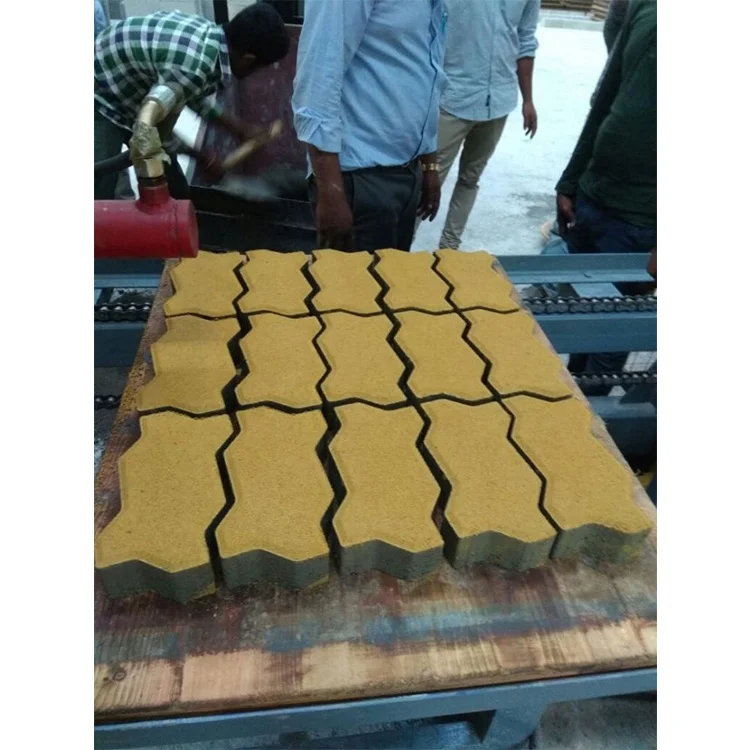
 High quality block machine