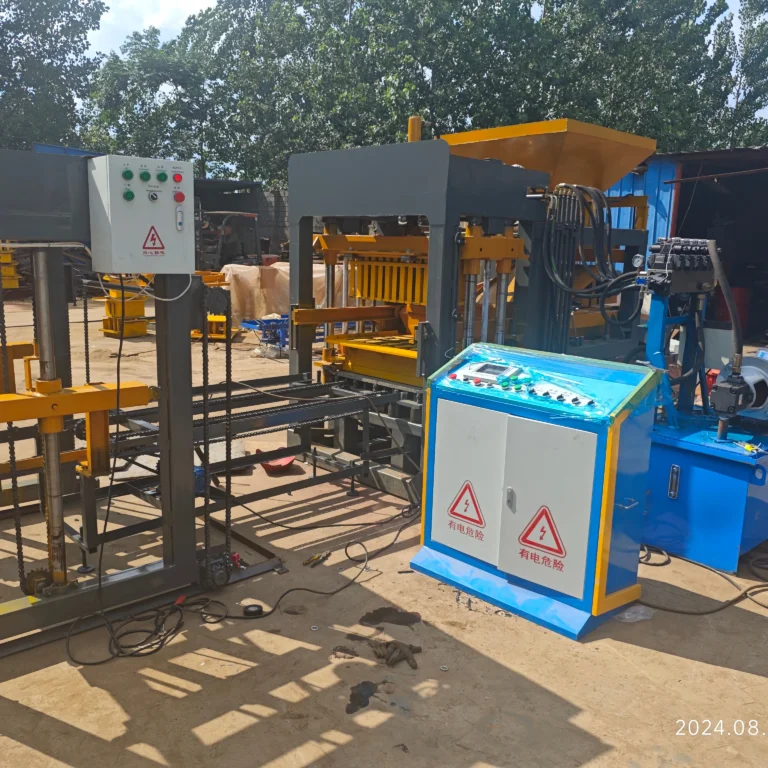
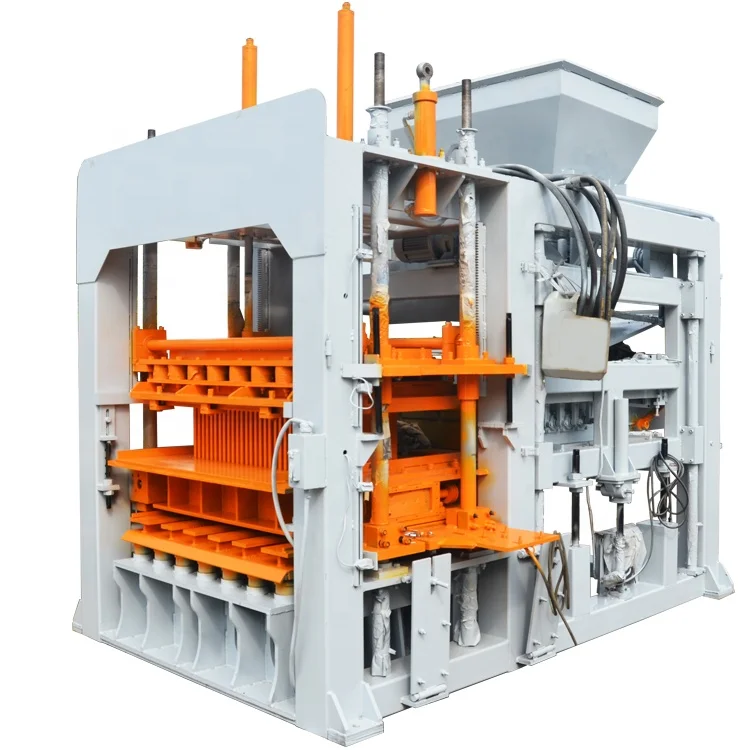
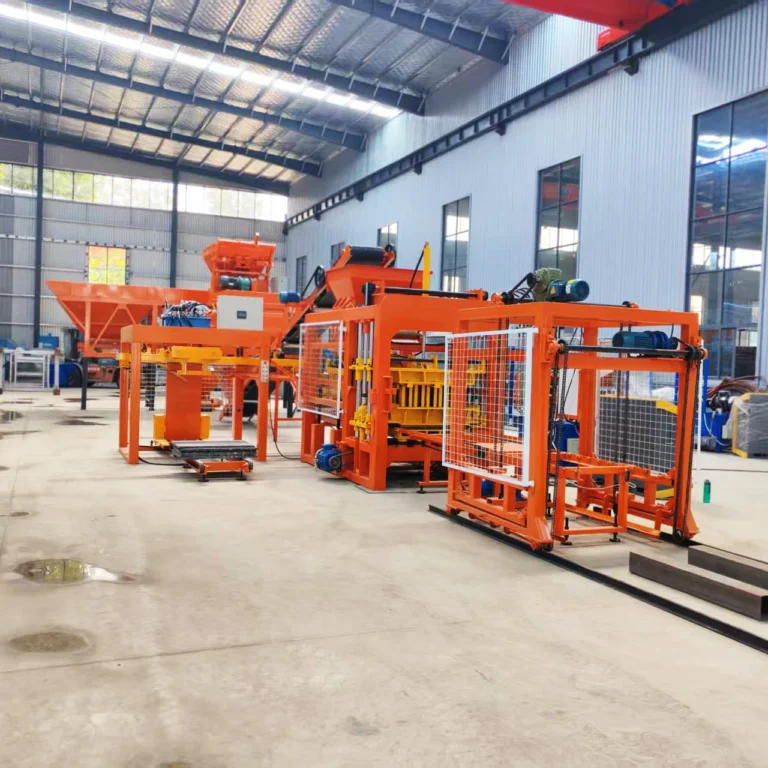
Matched System Configuration — Shiyue specifies the QT7-15 block machine, pallets, and handling equipment together against your actual mix and site conditions rather than selling the press in isolation.
Technical Specifications
| Parameter |
Value |
| Model |
QT7-15 |
| Product Type |
Automatic Concrete Block Making Machine |
| Pallet Size |
1150 × 700 mm |
| Molding Cycle |
15–20 s (basis: standard hollow block; cycle varies by format and material) |
| Overall Power |
45 kW |
| Vibration Force |
100 kN |
| Vibration Frequency |
0–60 Hz (adjustable) |
| Vibration Form |
Platform Vibration |
| Demolding Method |
Hydraulic |
| Total Mass |
8 T |
| Control System |
PLC with touch screen interface |
| Output Capacity |
1260–1680 pcs/h based on 400×200×200 mm hollow block, 7 pcs/mould, 15–20 s cycle |
| Output Capacity |
1440–1920 pcs/h based on 400×150×200 mm hollow block, 8 pcs/mould, 15–20 s cycle |
| Output Capacity |
3888–4860 pcs/h based on 200×100×60 mm rectangular paving brick, 27 pcs/mould, 20–25 s cycle |
| Assembly State |
Complete line with pallet feed, block press, storage hopper, conveyor, hydraulic unit, PLC cabinet |
Application Suitability
| Application |
Material or Output |
| Hollow Block Production (400×200×200 mm) |
Crushed stone, cement, sand, fly ash aggregate mixes |
| Hollow Block Production (400×150×200 mm) |
Standard concrete and lightweight aggregate blends |
| Rectangular Paving Brick (200×100×60 mm) |
High-density paving mix with fine aggregate gradation |
| Custom Format Adaptation |
Interlocking, kerbstone, and porous brick via mould change |
What "1500 Pieces per Hour" Leaves Out About Your Real Daily Output
The cycle time only matters once you state which block format the machine is actually pressing.
Many quotations for an automatic concrete block making machine manufacturer list a single hourly number without specifying the mould cavity count, block dimensions, or the mix consistency feeding the hopper. A buyer planning around 1500 hollow blocks per hour may discover on day one that switching to a paving brick format cuts throughput to a different number entirely, or that the local aggregate slows the cycle because it demands longer vibration to compact properly. I have watched crews stand around a press waiting for pallets because the upstream feeder was sized for a different tier of machine, and that idle time is never in the brochure [NEED_CITE: common block plant bottleneck causes in emerging markets].

Where the QT7-15 Sits Across Shiyue’s Output Tiers
The QT7-15 occupies the mid-to-high automatic tier in the Shiyue range, positioned above smaller semi-automatic workshop machines and below the high-capacity fully automatic lines that demand dedicated curing infrastructure. Buyers moving from a manual egg-laying setup or a first-generation QT5-series press find this model bridges the gap toward consistent daily tonnage without requiring the plant footprint of a continuous-operation facility. The automatic concrete block making machine manufacturer tiers the range so a buyer can match investment level to projected market demand rather than over-building capacity on day one.
Matching Automation Level to Your Actual Crew and Site
Automation here covers PLC-controlled batching consistency, hydraulic demolding, and automatic pallet feeding — but the degree of downstream handling is selectable. A buyer with limited curing space may configure the QT7-15 with manual pallet collection and stacking, while a larger operation adds automatic stackers and cubing systems that keep the press cycling without interruption. This selectable approach means the QT7-15 block machine for sale serves both the entrepreneur building a first dedicated block plant and the established producer replacing an aging press with a unit that can grow through added automation [NEED_CITE: block plant automation upgrade paths for small to medium producers].
Platform Vibration, Hydraulic Pressure, and What They Mean for Your Mix
The 100 kN vibration force paired with adjustable 0–60 Hz frequency allows the QT7-15 to compact different aggregate gradations without forcing a mix redesign. Platform vibration distributes energy evenly across the 1150 × 700 mm pallet, reducing density variation between blocks in the same cycle — a common complaint when top-row blocks emerge weaker than bottom-row ones on older presses. The 45 kW overall power rating supports sustained vibration and hydraulic pressure simultaneously, which matters during back-to-back cycles where a lower-spec press would pause to rebuild pressure. Hydraulic demolding releases the block cleanly at high compaction, preserving edge definition on interlocking and paving formats where dimensional tolerance affects the next course of installation.
The Commissioning Delay Nobody Quoted You For
Arriving at a job site with a 50 Hz machine when the local grid runs at 60 Hz is not a theoretical problem — it locks the PLC and halts the entire line until a variable frequency drive or transformer swap is sourced locally. I once spent three weeks on a desert site watching a new press sit idle because the voltage confirmation was skipped during ordering, and the cost of that delay exceeded any savings from choosing a lower quote. The QT7-15 control system supports language and frequency configuration, but only if those parameters are confirmed before the machine enters production [NEED_CITE: electrical standard mismatches in industrial equipment exports].
Why Procurement Through the Full Range Matters
Shiyue treats block machinery as a single focus, so the QT7-15 is configured alongside the pallet specification, mould format list, and handling equipment that match the buyer’s actual operation rather than assembled from unrelated suppliers. The capacity calculation arrives with the block format stated for every output figure, preventing the gap between quoted cycles and real daily tonnage. Mould drawings are provided before production so buyers verify the QT7-15 supports the formats their market actually purchases, not just a catalogue default. Voltage, frequency, and PLC display language are confirmed in writing before manufacturing begins, eliminating the commissioning stall on arrival.
Documentation & Verification
- Line layout showing QT7-15 footprint with pallet feed and conveyor station spacing
- Capacity calculation sheet stating block format assumed for each output tier
- Mould drawing and format list covering hollow block and paving brick dimensions
- Hydraulic and electrical schematic matching the confirmed voltage and frequency
- Factory test record on the buyer’s specified pallet size before dispatch
Installation, Commissioning & Support
- Foundation plan accounting for the QT7-15 8T mass and vibration isolation requirements
- Dedicated power circuit sized for 45 kW draw plus upstream mixer and conveyor loads
- Pallet specification matched to curing area dimensions and existing forklift capacity
- PLC language and fault diagnosis configured to operator preference before shipment
- Mould change procedure training covering hydraulic release and cavity alignment
- Wear parts list identifying hydraulic seals and vibration motor service intervals
What to Prepare Before Requesting a Quotation
Specify the block format your market actually purchases, the daily tonnage target, and the local aggregate gradation available within hauling distance of the plant. Confirm the site voltage and frequency — including whether three-phase supply is stable or subject to fluctuation — and the PLC display language your operators require. Note the curing area footprint and any existing pallet inventory so the QT7-15 configuration aligns with downstream handling already in place.
Frequently Asked Questions
Q: Where does the QT7-15 sit compared to smaller or higher-capacity models in the Shiyue range?
A: The QT7-15 serves buyers scaling from semi-automatic workshops to dedicated block plants, offering PLC-controlled consistency and platform vibration above entry-level tiers. Higher-capacity lines add continuous stacking and larger pallet sizes for operations running multiple shifts, while smaller models suit entrepreneurs testing market demand before committing to full automation infrastructure.
Q: What block formats can the QT7-15 produce, and how does output change between them?
A: Standard configurations cover 400×200×200 mm hollow blocks at seven per mould and 200×100×60 mm paving bricks at twenty-seven per mould, with cycle times varying by format and mix. Switching formats requires a mould change, and realistic daily output depends on which format dominates production rather than the maximum theoretical cycles per hour quoted for a single block type.
Q: What plant footprint and supporting equipment does a QT7-15 line require?
A: The complete line includes pallet feed, storage hopper, conveyor, and hydraulic unit arranged around the press within a footprint determined during layout planning. Curing area, raw material storage, and finished block stacking space sit outside the machine envelope and must be confirmed during site evaluation before foundation work begins.
Q: Can I start semi-automatic and upgrade the QT7-15 configuration later?
A: The automation level is selectable, allowing buyers to begin with manual pallet handling and add automatic stacking or cubing systems as production volume justifies the investment. The PLC architecture supports these additions without requiring a press replacement, provided the hydraulic and electrical capacity was specified with future upgrades in mind during initial ordering.

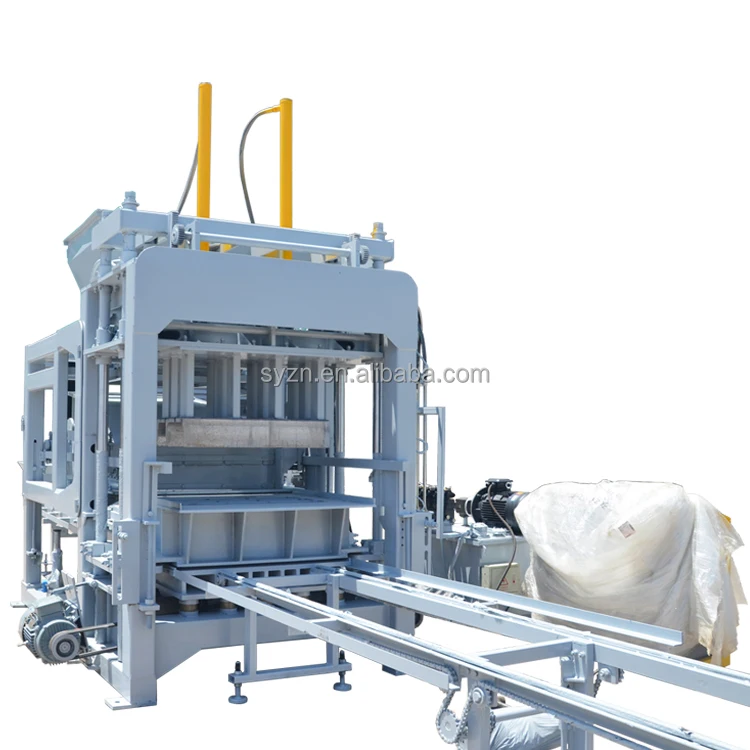
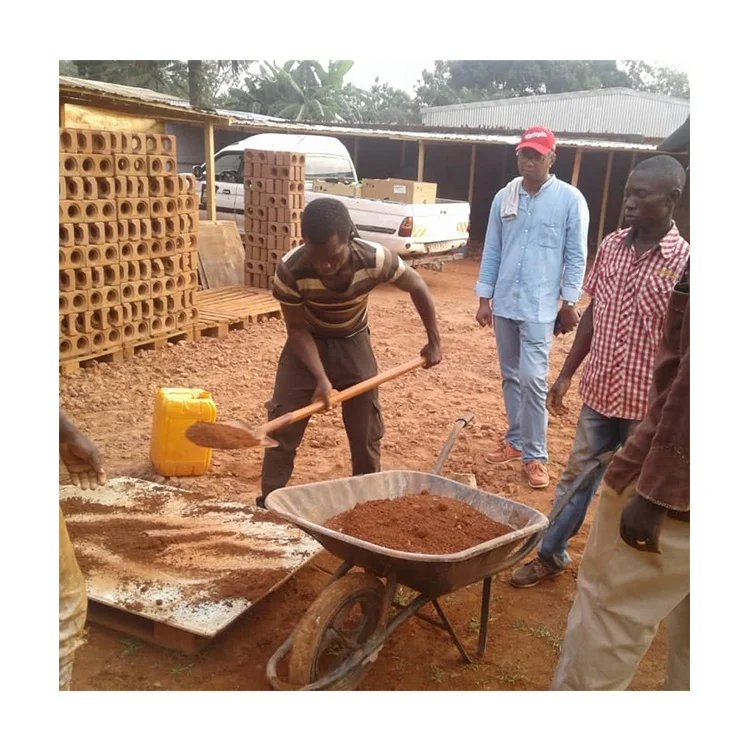 High quality block machine