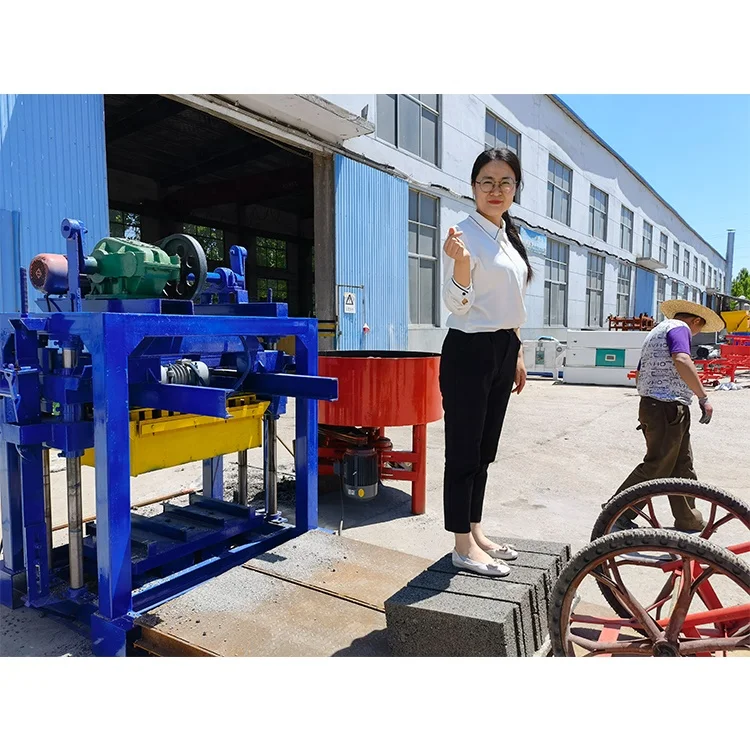
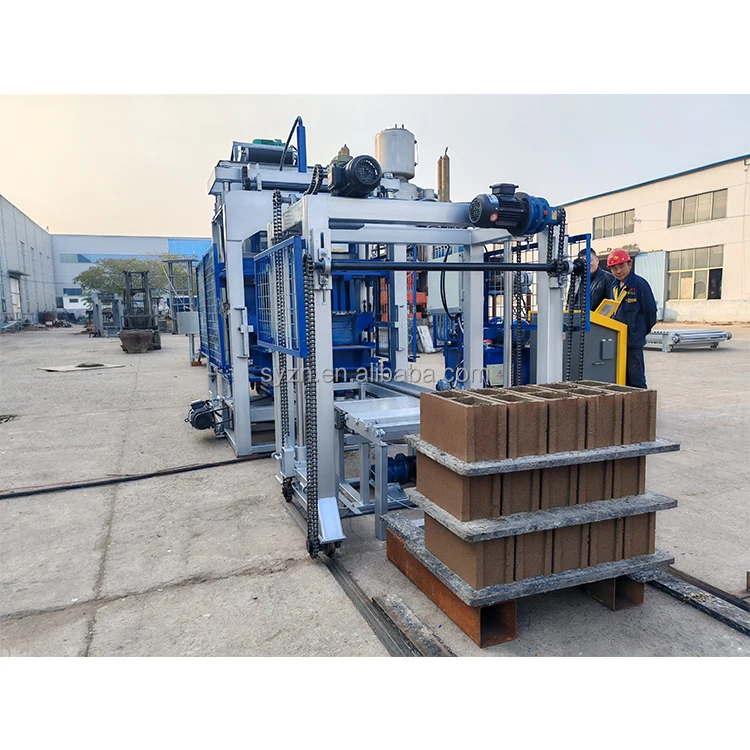
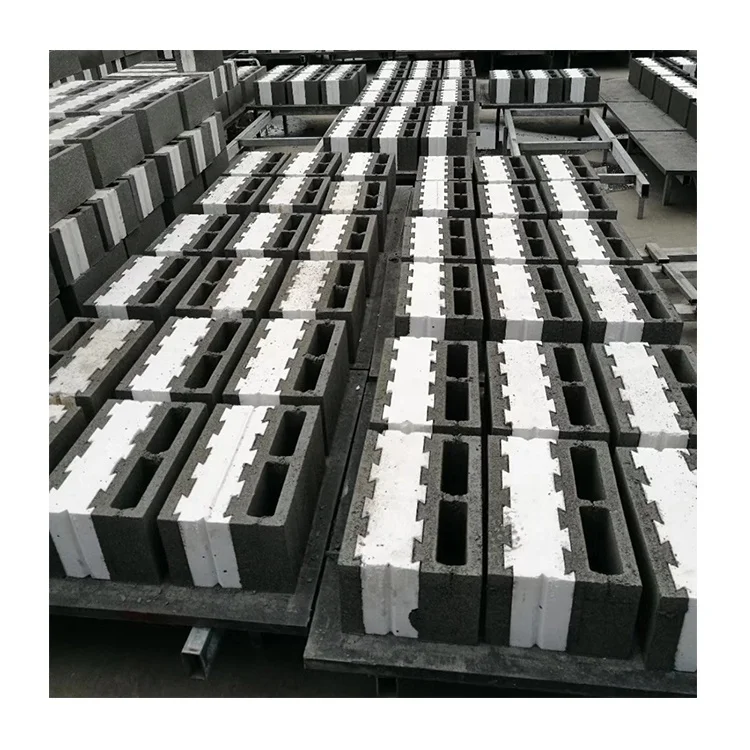
Matched System Approach — The QT4-18 block making machine is configured against the buyer’s actual mix design, local aggregate and target block format, not a catalogue default, ensuring every component from pallet to mixer works as one coordinated unit.
Technical Specifications
| Parameter |
Value |
| Model |
QT4-18 |
| Product Type |
Automatic Concrete Block Making Machine |
| Overall Dimensions |
3900×1600×2300 mm |
| Total Weight |
3T |
| Rated Power |
24KW (basis to be confirmed) |
| Molding Cycle |
15-25s |
| Vibration Force |
40-50KN |
| Pallet Size |
850×550×25mm |
| Mixer Model |
JQ350 |
| Output Capacity (Hollow Block 400×200×200mm) |
4 pcs/mould, 1200-1680 pcs/hr, 9600-13440 pcs/8hr |
| Output Capacity (Hollow Block 400×150×200mm) |
1800-2400 pcs/hr, 14400-19200 pcs/8hr |
| Output Capacity (Solid Brick 240×115×53mm) |
3240 pcs/hr, 16200-19440 pcs/8hr |
| Applied Products |
Paver, solid block, hollow block, curbstone |
| Raw Materials |
Crushed stones, sand, cement, dust, fly ash |
| Assembly State |
Semi-automatic configuration |
| Voltage & Frequency |
(basis not stated in source — confirm block format / material / thickness) |
| Control System |
(basis not stated in source — confirm block format / material / thickness) |
| Key Features |
Hydraulic pressure system, vibration molding, semi-automatic operation, future automation upgrade path |
Application Suitability
| Application |
Material or Output |
| Hollow block production plants |
400×200×200mm hollow blocks from crushed stone and cement |
| Construction contractors on-site |
Solid bricks 240×115×53mm for housing projects |
| Paver and curbstone manufacturing |
Interlocking pavers from standard concrete mix |
| Building material distributors |
Multiple block formats from fly ash and sand blends |
| First-time block plant entrepreneurs |
Semi-automatic setup with moderate daily output |
What "1200 Pieces per Hour" Actually Means
Real capacity depends on which block format you’re producing and whether your local materials match the machine’s configuration.
Many QT4-18 block making machine manufacturers quote cycle times without specifying the block size, aggregate gradation, or moisture content assumed. I watched a similar 23.45KW concrete block molding machine sit idle for days in the Middle East because the capacity was based on standard aggregate, but the customer’s local sand contained too much fines. Output barely reached half the quoted figure [NEED_CITE: impact of aggregate fines content on block molding cycle times]. The vibration force and hydraulic pressure must be matched to your specific mix design, not a generic specification sheet.

Where the QT4-18 Fits in a Complete Block Production Range
The QT4-18 occupies the mid-tier semi-automatic segment, positioned between mobile egg-laying machines for small on-site work and fully automatic lines with complete pallet handling and cubing systems. Buyers evaluating their first block plant or upgrading from manual operations find this model offers a defined entry point without over-investing in automation they cannot yet utilize. The semi-automatic assembly state preserves a clear upgrade path to higher automation tiers as production volume grows and labor costs shift the economics.
Planning the Line Around the Press
Raw material feeding, mixing with the JQ350 mixer, pallet feeding, and block handling after molding must be specified as one system where cycle times align so the press never waits for material or pallets. The 850×550×25mm pallet size determines your curing rack dimensions, forklift capacity requirements, and storage area footprint. When pallet handling, stacking, and curing are not included in the quotation, buyers discover output piled by hand at the end of each shift [NEED_CITE: block plant layout planning for pallet circulation systems].
Vibration Force and Hydraulic Pressure Define Block Density
The 40-50KN vibration force rating works in combination with hydraulic pressure to compact the concrete mix into the mould cavity, directly affecting block strength and surface finish. Different block formats require different vibration profiles: hollow blocks with thin walls need higher frequency to fill narrow sections, while solid bricks benefit from sustained pressure to achieve uniform density throughout. The 15-25s molding cycle range reflects this flexibility across formats, but the actual cycle time for your specific product must be verified against your mix design and local aggregate characteristics. Pallet thickness and material affect vibration transmission, which is why the 850×550×25mm specification matters for consistent block quality across every production run.
When Configuration Mismatches Surface After Installation
Machines configured for a mix the buyer cannot source locally force costly material changes or produce blocks with inconsistent strength. Voltage, frequency, and PLC display language left unconfirmed delay commissioning for weeks after arrival, while pallet size chosen without regard to existing curing areas and forklifts creates material handling bottlenecks from day one [NEED_CITE: electrical standards and control language requirements by export destination]. Mould change taking most of a shift cancels out the format flexibility the buyer paid for when switching between hollow block and paver production.
Why Source the QT4-18 Block Making Machine Manufacturer Through This Channel
Block machinery remains the single focus, so the QT4-18 machine, mould, pallet, and handling equipment are specified as one matched system rather than assembled from separate suppliers with incompatible cycle times. Configuration is set against your actual mix design, local aggregate, and target block format instead of catalogue defaults that assume standard materials. Mould design and supply cover the formats your market actually sells, including custom drawings for non-standard block sizes. Automation level remains selectable, allowing buyers to start with the semi-automatic QT4-18 configuration and upgrade as production volume justifies the investment. Installation and commissioning support includes operator training on your specific block formats and maintenance procedures.
Documentation & Verification
- Line layout and capacity calculation stating block format assumed for each output tier
- Machine specification sheet with pallet size and vibration force matched to your mix
- Mould drawing and format list confirming which block sizes apply to quoted capacity
- Voltage and control language confirmation before production to prevent commissioning delays
- Factory test record on your target block format before dispatch
- Wear parts and mould list for first replacement planning
Installation, Commissioning & Support
- Foundation preparation for 3900×1600×2300mm footprint with level tolerance specifications
- Power supply verification for 24KW rated load with dedicated circuit requirements
- Semi-automatic configuration assembly with pallet feeding system integration
- Mould installation and cycle time adjustment for your specific block format and mix design
- Operator training on 15-25s molding cycle optimization and pallet handling procedures
- Spare parts inventory planning for hydraulic wear components and mould maintenance
Before Requesting a Quotation
Provide your target block format with dimensions, daily output requirement, and the specific raw materials available locally including aggregate gradation and moisture content. Confirm your workshop dimensions, curing area layout, existing forklift capacity, and the voltage and frequency at your site. Specify whether you need only the QT4-18 press with semi-automatic pallet handling or a complete line including mixer, material feeding, and stacking systems.
Frequently Asked Questions
Q: How does QT4-18 output capacity change when switching between hollow block and solid brick formats?
A: The capacity varies significantly by format because mould cavity count and cycle time differ. For 400×200×200mm hollow blocks, the QT4-18 produces 4 pieces per mould with 1200-1680 pieces per hour output. Solid bricks at 240×115×53mm achieve 3240 pieces per hour due to higher mould density. Actual output depends on your mix design, vibration force matching, and pallet handling speed between cycles.
Q: Where does the QT4-18 sit compared to fully automatic and mobile egg-laying options?
A: The QT4-18 occupies the mid-tier semi-automatic position, above mobile egg-laying machines that produce blocks directly on the ground without pallets, and below fully automatic lines with complete pallet circulation, stacking, and cubing. Semi-automatic configuration requires manual pallet handling after molding but offers lower initial investment and a clear upgrade path to full automation as production volume increases.
Q: What plant footprint and investment level should I expect for a QT4-18 semi-automatic setup?
A: The machine itself measures 3900×1600×2300mm, but total footprint includes the JQ350 mixer, material storage, pallet staging area, and curing racks sized for 850×550×25mm pallets. Semi-automatic configuration reduces automation investment but requires more floor space for manual pallet handling and block stacking. Investment level depends on whether you include complete supporting equipment or only the press with basic pallet feeding.
Q: Can I start with QT4-18 semi-automatic configuration and upgrade to full automation later?
A: Yes, the semi-automatic assembly state preserves upgrade capability to add automatic pallet feeding, stacking, and cubing systems as production volume justifies the investment. The upgrade path depends on whether the original QT4-18 block making machine manufacturer specified the machine with future automation in mind, including PLC control capability and mechanical interfaces for automatic handling equipment integration.
Q: What pallet quantity and material should I budget for alongside the QT4-18 machine purchase?
A: Pallet quantity depends on your curing cycle duration and daily output target. With 850×550×25mm pallet specification, you need enough pallets to cover blocks in production, blocks curing on racks, and empty pallets returning to the machine. Pallet material selection must match your curing environment conditions and existing forklift capacity to prevent damage during handling and ensure consistent vibration transmission during the molding cycle.

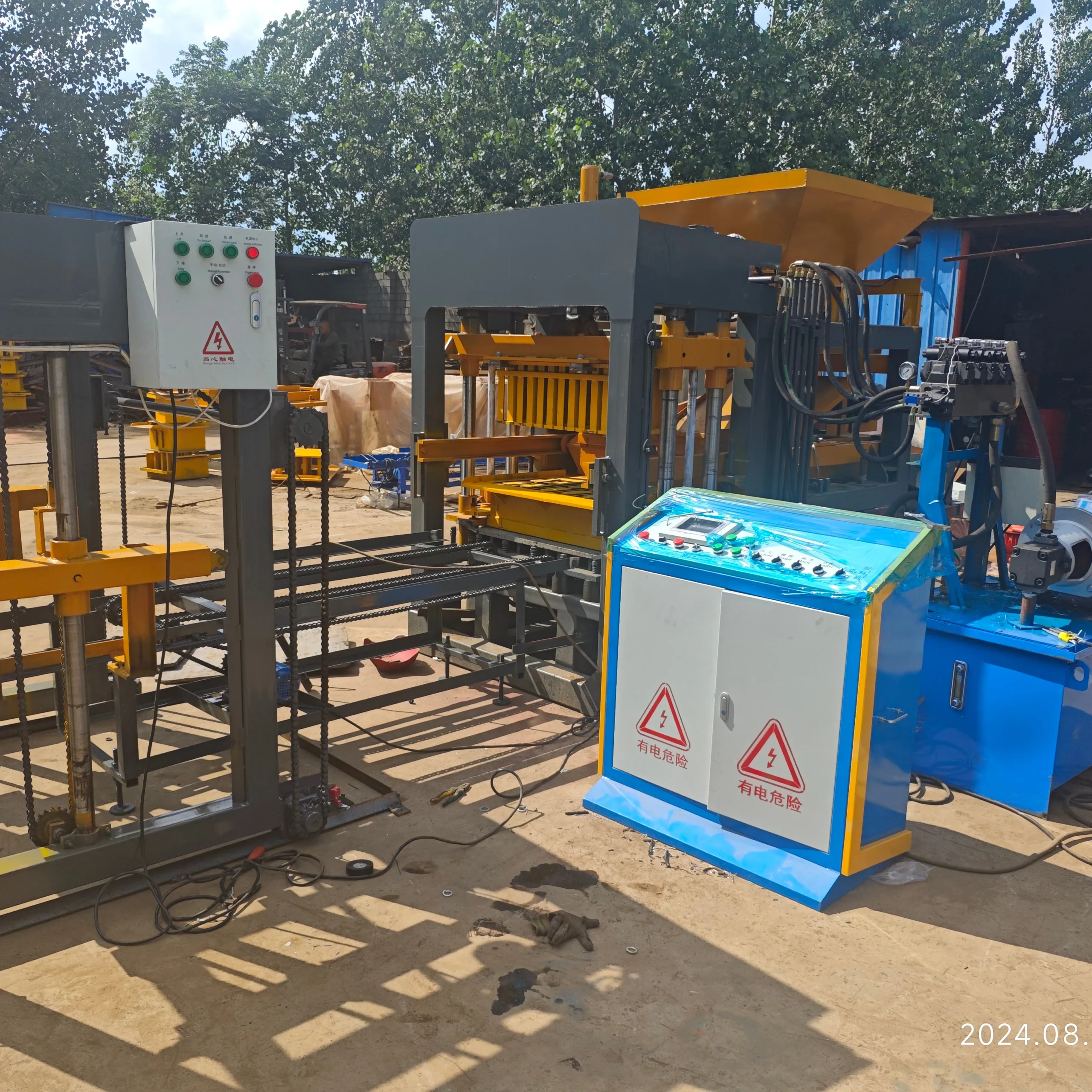
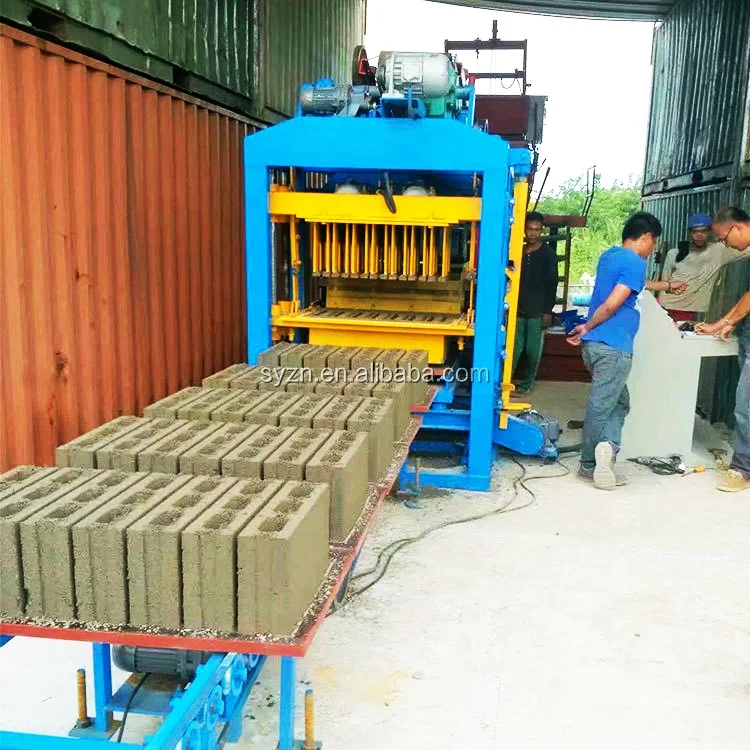 High quality block machine