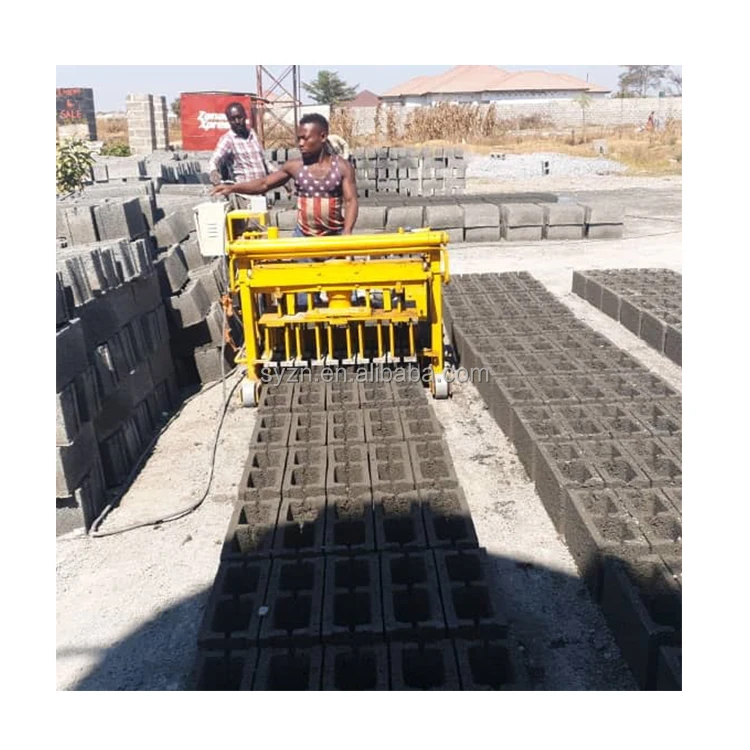
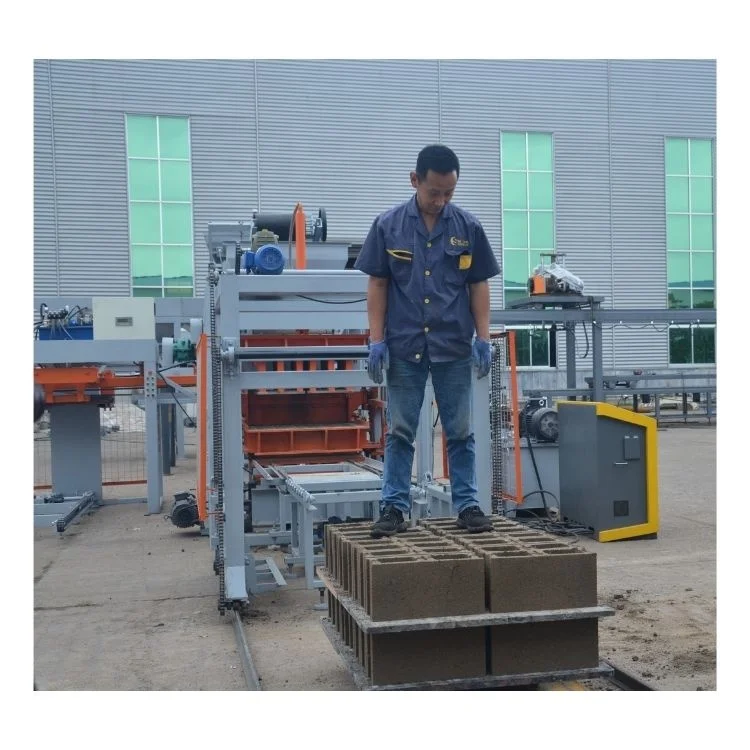
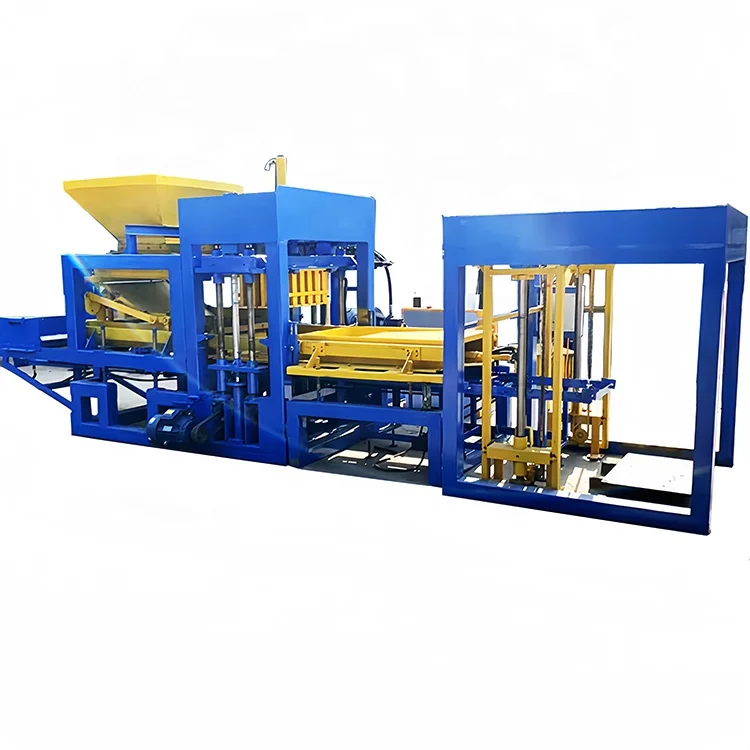
Capacity matched to your mix design, not a catalogue default — the QT4-15B automatic concrete block making machine manufacturer configuration starts with your local aggregate and target format before output figures are quoted, so buyers surveying the Shiyue range know exactly where this fully automatic tier sits before committing.
Technical Specifications
| Parameter |
Value |
| Model |
QT4-15B |
| Product Type |
Fully Automatic Concrete Block Making Machine |
| Automation Level |
Fully automatic, computer controlled |
| Vibration Mode |
Multiaxis synchronizer vibration, vertically downward |
| Hydraulic System |
High thermal efficiency, low heat productivity (basis to be confirmed) |
| Mixer System |
Multiaxis forced mixer, adaptable to varying raw material natures |
| Guide Bearing |
Long-period over-length guide bearing for accurate upper mould and mould box movement |
| Rack Construction |
High strength, special welding technique, resists vibrating shock |
| Control System |
Computer controlled (PLC brand and language options to be confirmed) |
| Voltage & Frequency |
Configurable to buyer site requirement (basis to be confirmed) |
| Mould Change Time |
Basis to be confirmed |
| Pallet Size |
Basis to be confirmed |
| Overall Dimensions |
Basis to be confirmed |
| Net Weight |
Basis to be confirmed |
| Rated Power |
Basis to be confirmed |
| Certification |
CE declaration available where applicable |
| Warranty |
1 year for the whole machine (excluding spare parts) |
Application Suitability
| Application |
Material or Output |
| Hollow block production |
400×200×200mm format from crushed stone, sand and cement |
| Solid block production |
400×150×200mm and 400×100×200mm formats from local aggregate blends |
| Paving block production |
200×100×60mm interlocking format from fine aggregate and cement |
| Standard brick production |
240×115×53mm solid format from sand, fly ash or stone dust |
| On-site contractor production |
Block formats for housing projects using locally sourced materials |
| Building material distribution |
Multiple format output for regional supply yards |
What a Cycle Time Figure Actually Means for Your Daily Output
Theoretical capacity only holds when the stated block format, mould cavity count and cycle seconds all match your production plan.
Buyers comparing an automatic concrete block making machine manufacturer often see a single output number quoted without the format it assumes. A machine cycling fifteen seconds on a standard brick mould produces a very different daily total than the same press running a four-cavity hollow block mould. When the aggregate is high in clay or moisture varies across seasons, the cycle stretches and the theoretical number slips further. I learned this the hard way when a client signed on a catalogue figure and found his actual daily tally barely half of what he expected. [NEED_CITE: effect of aggregate moisture on concrete block cycle time]
The QT4-15B theoretical capacity is quoted per format so you can see the spread:
- 400×200×200mm hollow block: 900–1,200 pcs/h (basis: 4 pcs/mould, 15–20s cycle)
- 400×100×200mm solid block: 1,440–1,920 pcs/h (basis: 8 pcs/mould, 15–20s cycle)
- 200×100×60mm paving block: 2,880–3,840 pcs/h (basis: 16 pcs/mould, 15–20s cycle)
- 240×115×53mm standard brick: 5,930–6,720 pcs/h (basis: 28 pcs/mould, 15–20s cycle)

Locating the QT4-15B Within the Shiyue Machine Range
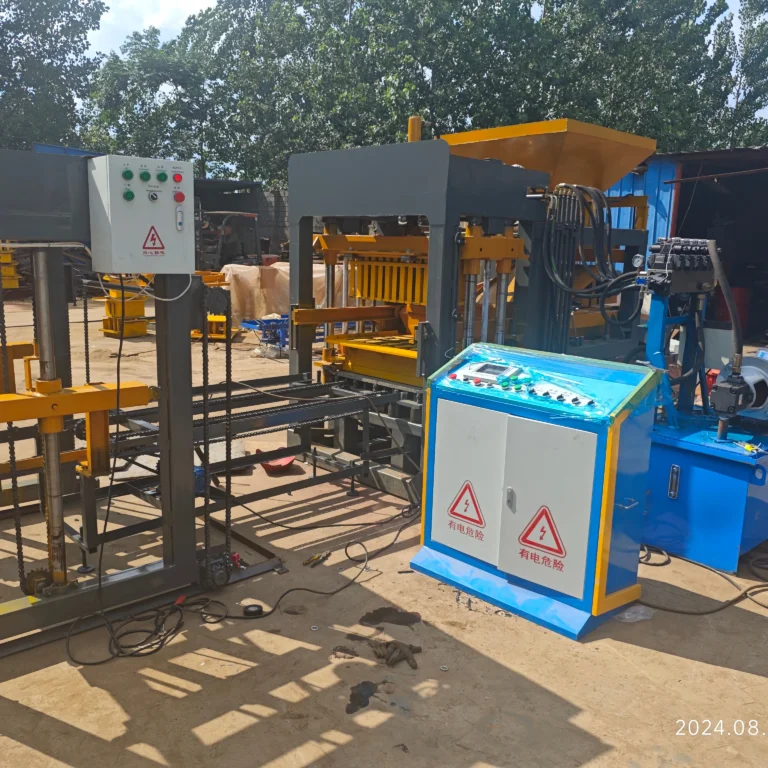
The Shiyue lineup spans from mobile egg-laying presses through semi-automatic workshop machines to high-capacity fully automatic lines. The QT4-15B sits in the fully automatic tier, positioned above entry-level semi-automatic models that rely on manual pallet handling, yet below the largest double-station presses built for continuous three-shift operation. Buyers evaluating an automatic concrete block making machine manufacturer use this tier as a reference point: it delivers computer-controlled consistency and reduced labor while keeping plant footprint and investment within reach for a growing block plant.
Plant Footprint and Line-Level Integration
A fully automatic press does not run alone. Raw material feeding, the multiaxis forced mixer, pallet circulation, stacking and curing rack handling must all keep pace with the QT4-15B cycle or the press sits idle waiting for the next pallet. The computer-controlled system coordinates these stations, but physical space determines whether pallets can return in time. Buyers planning a complete setup should map the line layout against their available floor area, curing yard and forklift capacity before the machine is ordered. [NEED_CITE: concrete block plant layout and curing area requirements]
Reading the Core Parameters Against Your Production Goals
Multiaxis synchronizer vibration directs force vertically downward, which compacts the concrete evenly across the mould cavity and produces consistent block density from top to bottom. Pair this with the high thermal efficiency hydraulic system and the press maintains stable pressure across consecutive cycles without excessive heat buildup that would otherwise force unplanned stops. The long-period over-length guide bearing keeps the upper mould aligned with the mould box throughout each stroke, reducing uneven wear on mould faces and extending the interval between mould replacements. High-strength rack construction using special welding technique absorbs repeated vibrating shock, preventing frame distortion that would throw pallet alignment out over months of operation.
The Cost of Skipping the Configuration Conversation
When voltage and frequency are not confirmed before production, the control panel arrives incompatible with the local grid and commissioning stalls until a transformer is sourced. When the mould is specified for a block format the local market does not buy, the buyer pays for flexibility that never earns a return. When pallet size is chosen without checking the curing rack dimensions already on site, the freshly pressed blocks cannot move from the line to the yard without manual restacking. These are not rare cases — they recur whenever the quotation stage is rushed past. [NEED_CITE: common commissioning delays in exported concrete block machinery]
Why Source the QT4-15B Through Shiyue
Block machinery is our single focus, so the QT4-15B press, mould, pallet and handling equipment are specified as one matched system rather than assembled from separate suppliers who may not coordinate cycle times. Configuration is set against your actual mix design and local aggregate, not a catalogue default, which means the capacity calculation you receive states the format assumed. Mould design covers the formats your market sells, including custom drawings when a standard cavity count does not match your demand. Automation level is selectable, allowing a buyer to start with computer-controlled operation and plan an upgrade path as production grows. Installation support and operator training are included so the line reaches stable output from the first shift.
Documentation & Verification
- Line layout with capacity calculation stating block format assumed for each output figure
- Machine specification sheet confirming hydraulic pressure, vibration force and pallet size
- Mould drawing and format list matched to buyer market requirements
- Voltage, frequency and PLC display language confirmation record before production
- Factory test record run on buyer-specified block format before dispatch
- Operation and maintenance manual with wear parts and mould replacement list
Installation, Commissioning & Support
- Foundation plan sized to QT4-15B rack weight and vibration load distributed across mounting points
- Dedicated electrical circuit matched to confirmed voltage and frequency before machine arrival
- Dismantling and container loading plan so reassembly on site follows a documented sequence
- First-run commissioning with cycle time and pressure adjustment on buyer actual raw material
- Operator training covering PLC navigation, mould change procedure and daily maintenance checks
- Wear parts and mould list provided at handover with reorder part numbers identified
What to Prepare Before Requesting a Quotation
Share the block formats your market sells and the daily volume you need to hit per format. Provide a sample or description of your local aggregate — sand type, maximum stone size, clay content — so the mixer and vibration settings can be matched before the machine is built. Confirm your site voltage, frequency and preferred control language. If you already have pallets, curing racks or a forklift in place, send their dimensions so the line layout accounts for existing equipment rather than arriving at odds with it.
Frequently Asked Questions
Q: How is theoretical capacity verified per block format, and what cycle time does each format assume?
A: Each capacity figure is calculated from the number of cavities in the mould and the cycle seconds stated for that format. The QT4-15B table lists 400×200×200mm hollow block at 900–1,200 pcs/h based on 4 pcs/mould at 15–20s cycle, and other formats proportionally. Actual output depends on your mix design and operator rhythm.
Q: Where does the QT4-15B sit compared to semi-automatic and higher-output models?
A: The QT4-15B occupies the fully automatic tier, above semi-automatic presses that require manual pallet handling but below double-station high-capacity lines. It suits buyers who want computer-controlled consistency without the footprint and investment of the largest plant configurations.
Q: What plant footprint and supporting equipment does this tier require?
A: The QT4-15B needs space for the press, mixer, pallet circulation, stacking area and curing racks. Floor area and ceiling height must allow pallets to return before the next cycle. The exact footprint depends on pallet size and automation level selected.
Q: Can the automation level be upgraded as production grows?
A: Yes. The QT4-15B supports selectable automation, so a buyer can start with computer-controlled operation and add pallet feeding, stacking or cubing modules later. The upgrade path is planned during initial configuration to avoid structural changes.
Q: What separates this fully automatic tier from semi-automatic options in investment terms?
A: The fully automatic tier includes computer control, coordinated pallet handling and reduced labor per shift compared to semi-automatic machines. The investment difference reflects the added stations and control integration, not just the press itself. Exact figures depend on configuration chosen.

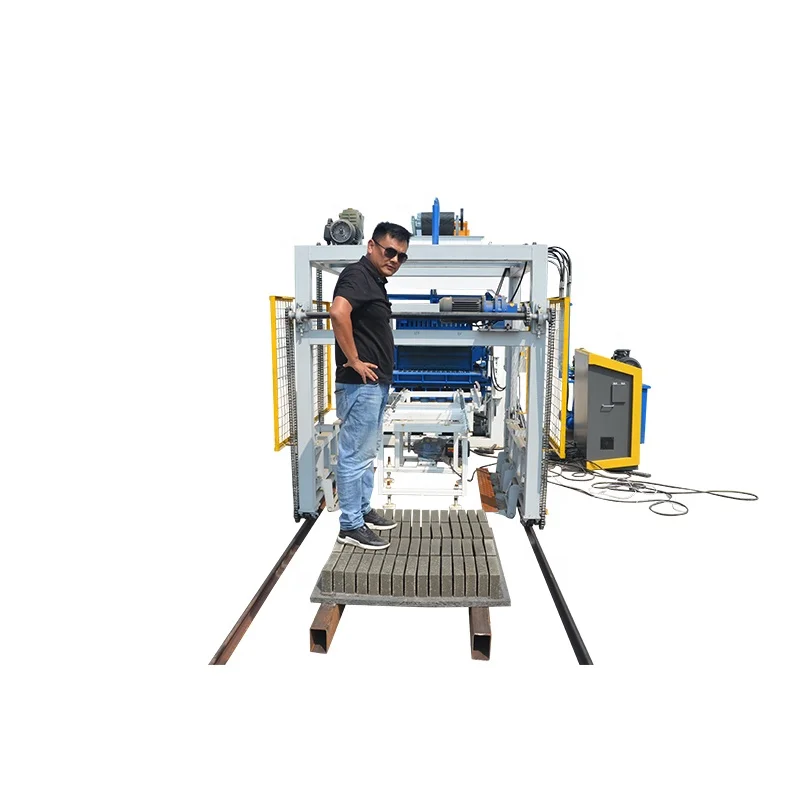
 High quality block machine