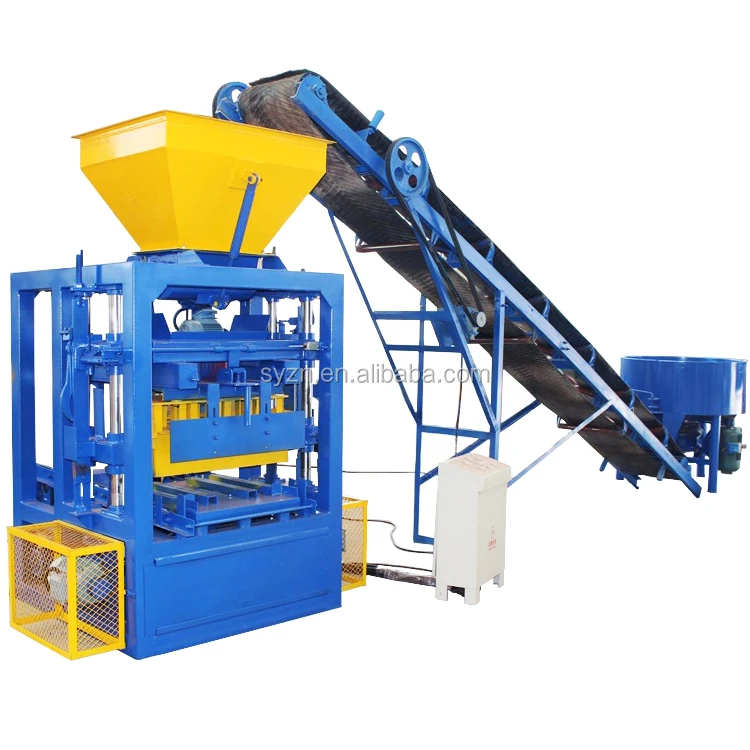
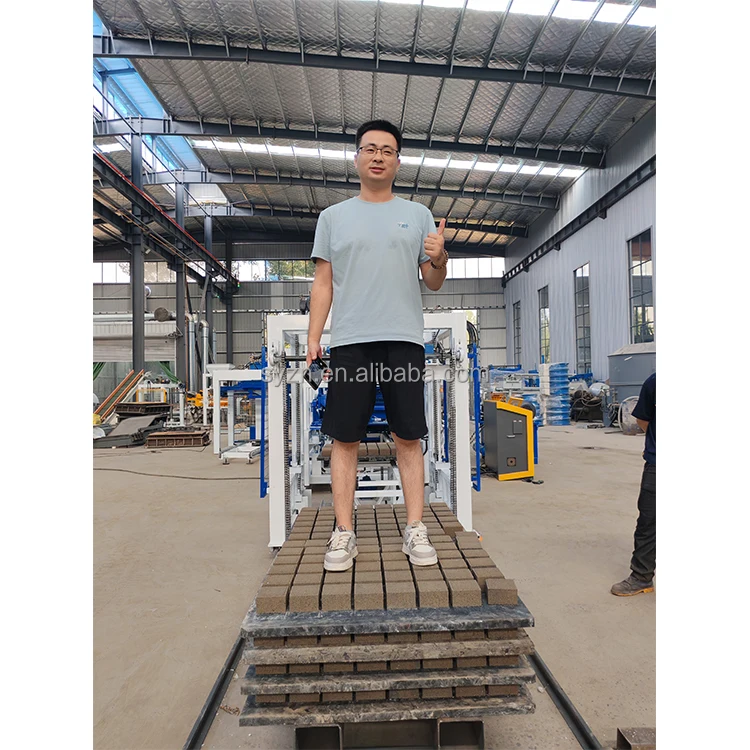
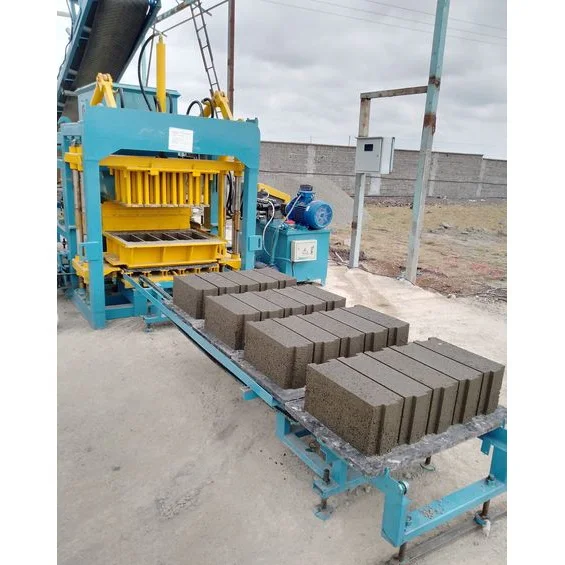
Single-System Design — The QT6-15 automatic block machine, its moulds, pallets, and supporting line are engineered as one matched system rather than sourced from separate suppliers.
Technical Specifications
| Parameter |
Value |
| Model |
QT6-15 |
| Product Type |
Automatic Concrete Block Making Machine |
| Molding Way |
Vibration and hydraulic pressing |
| Rated Pressure |
21 MPa |
| Molding Cycle |
15s–20s |
| Pallet Size |
900×700 mm |
| Main Machine Weight |
6000 kg |
| Output Capacity (Hollow Block 400×200×200 mm) |
1440 pcs/h, 11520 pcs per 8 hours |
| Output Capacity (Paving Brick 200×100×60 mm) |
5040 pcs/h, 40320 pcs per 8 hours |
| Output Capacity (Solid Brick 240×115×53 mm) |
7680 pcs/h, 61440 pcs per 8 hours |
| Control System |
PLC |
| Voltage & Frequency |
Configurable to local voltage and frequency |
| Automation Level |
Automatic (color pigment feeding optional for paving bricks) |
| Assembly State |
Main machine shipped with top cylinder removed for container loading |
| Supporting Equipment Options |
JS500 mixer, 8 m conveyor belt, automatic stacker, cement silo, screw conveyor, cement scale, batching machine, pallet loader, block and pallet separator |
| Mould Formats |
Hollow block, paving brick, solid brick, kerbstone, interlocking brick |
| Warranty |
1 year (excluding wearing parts) |
Application Suitability
| Application |
Material or Output |
| Hollow block production for building walls |
Cement, sand, fly ash, stone powder, slag |
| Paving brick manufacturing for walkways and yards |
Cement, crushed stone, sand with optional color pigment |
| Solid brick production for load-bearing structures |
Cement, sand, fly ash, slag blends |
| Kerbstone and interlocking brick for infrastructure |
Cement, aggregate, stone powder |
| On-site block production for housing projects |
Locally sourced aggregate and cement |
Why Quoted Capacity Figures Often Mislead Buyers at First Glance
Capacity numbers only hold meaning when the block format behind them is clearly stated.
Many block machine quotations list a single hourly output without specifying which block size that figure assumes. A machine rated at one number for a small solid brick will produce far fewer hollow blocks per cycle because the mould cavity count and compaction time differ. When the format is left unstated, buyers plan their plant economics around a figure the machine cannot sustain in daily production. The QT6-15 output is therefore stated per format — hollow block, paving brick, and solid brick — so the comparison is honest from the start. [NEED_CITE: capacity calculation standards for block making machinery]

Placing the QT6-15 Within a Tiered Machine Range
The QT6-15 occupies the mid-tier of a complete automatic concrete block making machine range that stretches from small workshop units to high-capacity automatic lines. Buyers setting up a first plant often need to see where this model sits against semi-automatic alternatives that require lower initial investment but more manual pallet handling. The decision is not simply about output volume — it involves plant footprint, automation headcount, and the curing logistics that follow the press.
Comparing Stationary Automatic and Mobile Egg-Laying Configurations
Some contractors producing blocks for a single housing project consider a mobile egg-laying machine instead of a stationary automatic line. The QT6-15 requires a fixed plant with pallet circulation, curing racks, and a defined floor area, whereas a mobile unit lays blocks directly on the ground. Each approach carries different implications for block consistency, daily output, and the labour needed to move finished product. [NEED_CITE: stationary versus mobile block production methods]
How Pressure, Vibration, and Pallet Size Interact in Daily Production
The 21 MPa rated hydraulic pressure and vibration system work together to compact the mix into the mould cavity. Higher pressure alone does not guarantee block strength if the vibration force is not matched to the buyer’s aggregate gradation and cement content. The 900×700 mm pallet size determines how many blocks fit per cycle and must align with the curing area dimensions and the forklift capacity already on site. A pallet that is too large for the available curing space creates a bottleneck after the press, leaving output stacked on the floor. The 15s–20s molding cycle varies depending on the block format and the mix design being run, which is why capacity figures in the specification table are tied to specific block dimensions.
The Hidden Cost of Choosing the Wrong Automation Tier
Starting with a machine configured for manual pallet handling may reduce the purchase price, but it shifts the labour burden to workers loading and unloading pallets by hand throughout every shift. When production scales up, the bottleneck moves from the press to the pallet handling stations, and daily output falls below what the machine itself could deliver. Retrofitting automatic stacking and pallet loading later involves mechanical and electrical modifications that could have been included in the original build. [NEED_CITE: automation retrofit challenges in block plants]
Why Buyers Source the Full Line from One Supplier
The machine, moulds, pallets, and handling equipment are specified as one system, so cycle times at each station are matched and the press is not left waiting for pallets or raw material. Configuration is set against the buyer’s actual mix design and local aggregate rather than a catalogue default — this matters because aggregate sourced in West Africa behaves differently from sand available in South Asia. Mould design covers the formats the buyer’s market actually sells, including custom drawings when standard moulds do not match local block dimensions. The automation level is selectable, meaning a buyer can begin with semi-automatic pallet handling and add stacking and cubing later as production volume grows. Installation support includes operator training on the specific QT6-15 controls and mould change procedure.
Documentation & Verification
- Line layout and capacity calculation stating the exact block format behind each QT6-15 output figure
- Machine specification sheet confirming pallet size, hydraulic pressure, vibration force, and automation level
- Mould drawing and format list for every block type included in the order
- Voltage, frequency, and PLC display language confirmation signed before production begins
- Factory test record with photographs showing the QT6-15 running the buyer’s specified block format
Installation, Commissioning & Support
- Foundation plan based on the QT6-15 main machine weight of 6000 kg and vibration isolation requirements
- Electrical supply verified for the confirmed voltage and frequency before the machine leaves the factory
- Top cylinder reassembly after container unloading, with alignment checked against the QT6-15 frame
- First-run commissioning with the buyer’s local aggregate to set vibration and pressure parameters
- Mould change training covering the QT6-15 format switch procedure for hollow, paving, and solid blocks
- Wear parts list covering hydraulic seals and vibration components with recommended stock levels
What We Need Before Quoting the QT6-15
To size the line correctly, share the block formats you intend to produce, your target daily output per format, and the raw materials available locally. Confirm the plant area dimensions, existing curing setup, and the voltage and frequency at the installation site. If you already operate mixers or conveyors, let us know their specifications so the supporting equipment can be matched.
Frequently Asked Questions
Q: How is the QT6-15 capacity verified per block format, and what assumptions are behind the hourly figures?
A: Each capacity figure in the specification table is tied to a specific block dimension — hollow block 400×200×200 mm, paving brick 200×100×60 mm, or solid brick 240×115×53 mm. The cycle time of 15s–20s varies with the format and mix design, so the hourly output shifts accordingly. We provide a capacity calculation sheet that states the exact format behind every number.
Q: Where does the QT6-15 sit compared to smaller semi-automatic and larger fully automatic models in the range?
A: The QT6-15 occupies the mid-tier, offering automatic PLC-controlled operation with a 900×700 mm pallet. Smaller semi-automatic models reduce initial investment but require manual pallet handling. Larger fully automatic lines add batching, cubing, and higher pallet counts per cycle. We help buyers compare investment, footprint, and labour across tiers before committing.
Q: What plant footprint and supporting equipment does the QT6-15 require at different automation levels?
A: At minimum, the QT6-15 needs a JS500 mixer, an 8 m conveyor belt, and curing space for 900×700 mm pallets. Higher automation adds a batching machine, cement silo, pallet loader, and automatic stacker, each increasing the plant area. We provide a line layout showing the footprint at each automation level before quotation.
Q: Can the automation level be upgraded later from semi-automatic pallet handling to full stacking and cubing?
A: The QT6-15 platform supports staged upgrades. A buyer can start with manual pallet loading and add an automatic stacker or pallet loader as production volume grows. Electrical and mechanical interfaces are designed into the machine from the outset, so later additions do not require major structural modifications.
Q: What voltage, frequency, and control language options are confirmed before the machine is built?
A: Voltage and frequency are configured to the buyer’s site supply and confirmed in writing before production begins. The PLC display language is agreed at the same stage so the operator interface matches the local language upon arrival. This avoids commissioning delays caused by electrical or language mismatches.

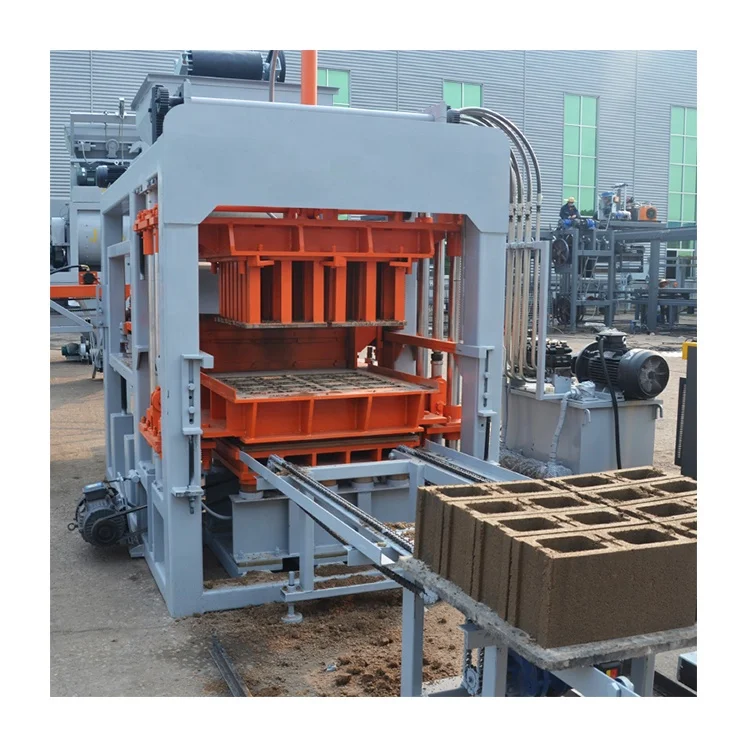
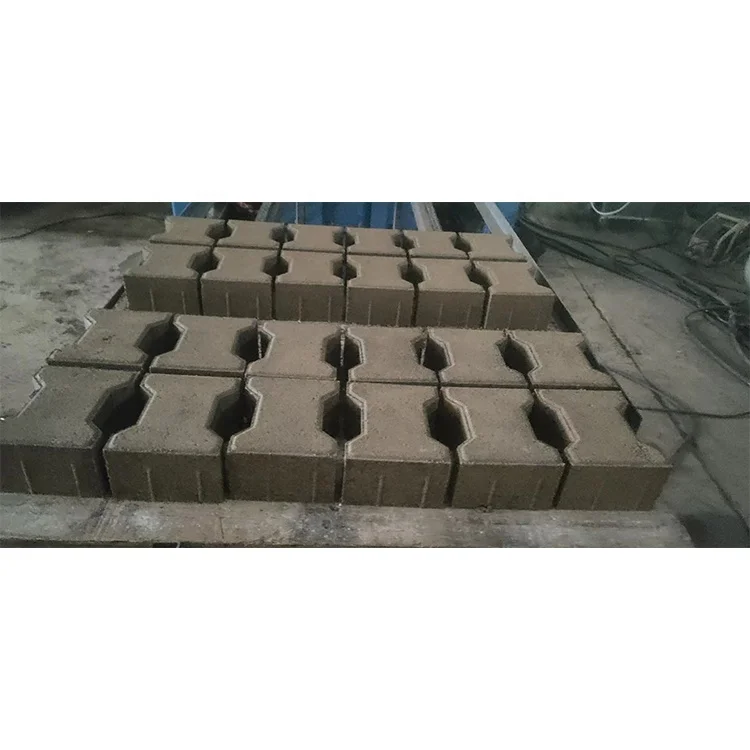 Automatic block machine