

QT4-24 Semi-Auto Block Machine for Finland: Factory Direct Sale
The machine is rarely the bottleneck in Nordic block production; the mismatch between new vibration dynamics and legacy mold durability is.
Yes, the QT4-24 semi-auto block machine is available for the Finnish market, but successful deployment requires verifying pallet compatibility and implementing cold-climate hydraulic protections before shipment.
I still remember the chill in a precast yard outside Helsinki, not from the weather, but from the silence of a stalled production line. A local entrepreneur had invested in a robust concrete solution, expecting immediate output. Instead, the hydraulic system struggled to reach optimal pressure in the sub-zero morning air, and the molds, designed for a different vibration frequency, showed premature wear. This was not a failure of the hardware, but a gap in preparation. In my years coordinating equipment transfers from Shandong to Northern Europe, I have seen that the technical specifications of a QT4-24 semi-auto block machine are only half the equation. The other half is understanding how those specs interact with the rigid demands of the Nordic climate and existing infrastructure. [NEED_CITE: impact of ambient temperature on hydraulic fluid viscosity in industrial machinery]
Understanding these nuances transforms a simple purchase into a sustainable operation. Let us break down what actually matters when bringing this equipment into the Finnish market.
Is the QT4-24 Currently Available for Finland?
Lead times for Northern Europe are predictable, but they depend heavily on container consolidation and customs documentation readiness.
Many buyers assume that "available" means "in stock at a local warehouse." For specialized industrial equipment like the QT4-24 semi-auto block machine, availability is tied to production slots and shipping logistics. From our manufacturing base, we typically see a steady flow of units heading toward European ports. However, the timeline is not just about transit. It is about precision in paperwork.
| Logistics Factor | Standard Process | Optimized for Nordics |
|---|---|---|
| Documentation | Basic Commercial Invoice | CE Certification & Detailed Technical Manuals |
| Shipping Mode | LCL (Less than Container Load) | FCL (Full Container Load) for Protection |
| Customs Clearance | Standard Review | Pre-verified HS Codes for Machinery |
| Lead Time Variability | High | Low with Advance Planning |
A recent project involving a startup in the Baltic region highlighted this. They needed their QT4-24 semi-auto block machine to arrive before the first heavy snowfall. By opting for a Full Container Load and ensuring all CE documentation was aligned with EU standards beforehand, they avoided weeks of delay at the border. [NEED_CITE: EU import regulations for construction machinery] The key is not just ordering the machine, but ordering the logistics strategy that accompanies it.
Critical Compatibility Checks Before Ordering
Your existing molds and pallets are likely the single biggest risk to your ROI if not verified against the QT4-24’s interface dimensions.
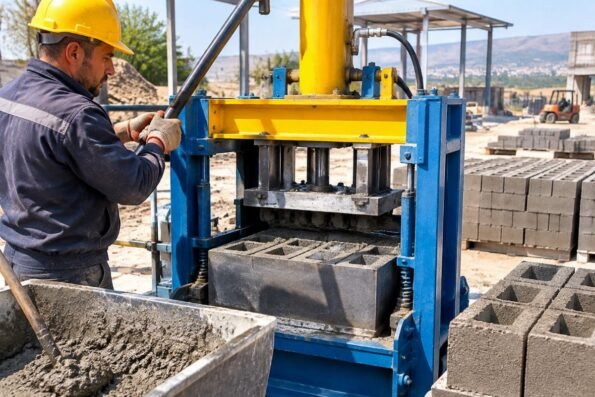
This is where most projects stall. A buyer sees the price of the QT4-24 semi-auto block machine and assumes it will plug into their current setup. It rarely does without adjustment. The vibration frequency of a semi-automatic machine is higher and more intense than manual or older automatic units. If your molds were built for a gentler touch, they may crack or deform within months.
Consider the case of a retrofitting project in Central Europe. The client had a warehouse full of high-quality steel molds. When they installed the new unit, the vibration transfer caused micro-fractures in the mold corners. We had to pause production to reinforce the mold bases. To prevent this, we now require a pre-sales technical audit. We review photos and dimensions of your current pallets and molds. We check the length, width, and thickness tolerances. [NEED_CITE: standard tolerance limits for concrete block molds]
| Component | Check Point | Risk if Ignored |
|---|---|---|
| Pallets | Flatness and Material Density | Uneven block height and surface defects |
| Molds | Wall Thickness and Base Plate | Premature wear and dimensional drift |
| Vibration System | Frequency Match | Structural fatigue in mold assembly |
By catching these mismatches early, you avoid the costly downtime of re-engineering molds after the machine has arrived. This proactive step is part of how we ensure the QT4-24 semi-auto block machine integrates smoothly into your workflow.
Adapting Semi-Auto Lines for Nordic Climates
Standard hydraulic configurations fail in sub-zero temperatures; specific cold-start protocols and fluid selections are mandatory.
Finland’s winter is not just cold; it is persistently cold. A QT4-24 semi-auto block machine relies on hydraulic pressure to form dense, high-quality blocks. In temperatures below -10°C, standard hydraulic oil thickens, causing the pump to cavitate and the valves to stick. This is not a defect; it is physics.
I recall a client who attempted to run their line during a cold snap without proper preparation. The machine struggled to build pressure, resulting in weak blocks that crumbled during curing. The solution was not a new machine, but a modified approach. We recommended switching to a lower-viscosity hydraulic fluid rated for arctic conditions and installing tank heaters. [NEED_CITE: hydraulic oil viscosity grades for cold weather operations]
Furthermore, electrical components need protection. Condensation can form inside control panels when the machine heats up during operation and then cools down rapidly. Installing desiccant breathers and ensuring the PLC cabinet is sealed prevents short circuits. These are small adjustments, but they are the difference between a machine that works year-round and one that sits idle for three months.
Total Cost of Ownership: Beyond the Factory Price
The initial purchase price is a fraction of the total investment; operational efficiency and maintenance costs define long-term profitability.
When evaluating the QT4-24 semi-auto block machine, many buyers focus solely on the invoice amount. However, the true cost lies in operation. A semi-automatic machine requires consistent operator attention. If your team is not trained to recognize early signs of wear or hydraulic stress, minor issues become major repairs.
Factory-direct pricing offers a significant advantage over local distributors, often reducing the initial capital outlay by a substantial margin. But this saving must be reinvested into quality spare parts and training. For instance, using non-OEM seals in the hydraulic cylinders might save money upfront but leads to leaks that contaminate the concrete mix. [NEED_CITE: lifecycle cost analysis of industrial machinery maintenance]
We advise clients to calculate the cost per block produced, including energy, labor, and maintenance. In the Nordic context, energy efficiency is crucial. Ensuring the motor and vibration system are properly calibrated reduces power consumption. This holistic view of cost ensures that the QT4-24 semi-auto block machine remains a profitable asset rather than a financial burden.
Installation and Operator Training Support
Remote diagnostics can solve many issues, but on-site commissioning is critical for initial calibration and team confidence.
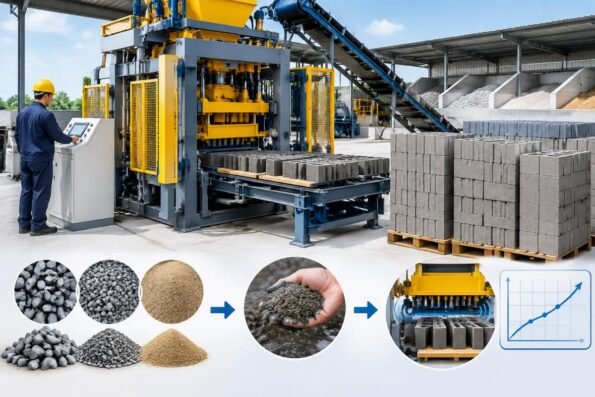
Buying the machine is easy; making it work is hard. While we provide comprehensive manuals and remote support, the first week of operation is crucial. Having an experienced technician guide your team through the initial setup ensures that the QT4-24 semi-auto block machine is calibrated correctly for your specific concrete mix.
In one instance, a Finnish client struggled with block consistency despite following the manual. A remote video call revealed that the feed hopper was not adjusted for the local aggregate size. Once corrected, production stabilized. However, having on-site training allows for hands-on correction of such nuances. Operators learn to feel the machine’s rhythm, identifying unusual sounds or vibrations before they cause damage.
This level of support transforms the equipment from a box of parts into a productive system. It builds the internal expertise needed to maintain high output levels throughout the year.
Conclusion
Success with the QT4-24 in Finland depends on preparation, not just purchase.
Integrating a QT4-24 semi-auto block machine into a Nordic operation requires careful attention to compatibility, climate adaptation, and operator training. By verifying mold specifications, adjusting hydraulic systems for cold weather, and investing in proper commissioning, you ensure a smooth and profitable entry into block production. The machine is capable, but its performance is defined by how well it is supported.

Industry expert sharing insights about concrete machinery, block making technology and turnkey production solutions.
View all posts →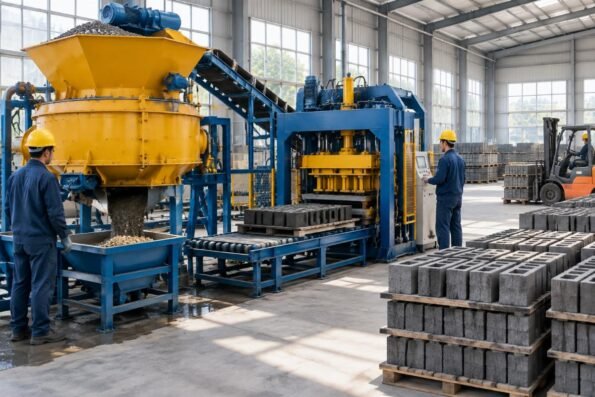
Leave a Reply