

OEM Fly Ash Block Machine Manufacturer | QT4-15 to QT12-15
Higher automation does not guarantee higher ROI if the machine ignores local infrastructure realities.
Successful Fly Ash Block Machine OEM Customization requires adapting the QT series (QT4-15 to QT12-15) to local pallet standards, power grid stability, and raw material composition rather than simply selecting the model with the highest hourly output. Mismatched specifications lead to operational downtime and material waste that far outweigh the benefits of increased theoretical capacity.
I have stood on the docks in Ningbo watching containers loaded with disassembled block lines, knowing that a clean bill of lading did not guarantee a smooth startup at the destination. Early in my career handling documentation, I focused on ensuring customs clearance was error-free. Transitioning to direct client interaction revealed that machine selection is rarely about filling out a model number correctly. It is about understanding the physical constraints of the buyer’s site. A client in West Africa once purchased a QT8-15 unit only to face repeated PLC failures due to unstable 380V supply, halting production for over a week. This incident shifted my approach from selling standard units to verifying three critical factors before any quote: local pallet dimensions, daily shift patterns, and power backup availability. These variables determine success more accurately than the output charts provided in brochures.

The following analysis details how to align equipment specifications with site conditions to ensure sustainable production.
Why Standard QT Models Fail in Local Markets?
One-size-fits-all manufacturing ignores the specific infrastructure limitations of emerging markets.
Standard QT series machines are engineered based on ideal industrial conditions: stable voltage, standardized ISO pallets, and consistent raw material quality. However, many high-growth markets operate outside these parameters. When buyers select a machine based solely on brand reputation or initial price, they often overlook the integration costs required to make the equipment function locally.
| Factor | Standard Factory Setting | Local Market Reality | Risk Level |
|---|---|---|---|
| Pallet Standard | ISO Certified Steel/Wood | Local Timber with Variable Thickness | High |
| Power Supply | Stable Industrial Grid | Fluctuating Voltage/Generator Dependent | Critical |
| Raw Material | Processed Fly Ash/Sand | High Clay Content/Variable Moisture | Moderate |
| Maintenance | Scheduled Preventive | Reactive/Breakdown Based | High |
[NEED_CITE: impact of voltage fluctuation on PLC lifespan in industrial automation]
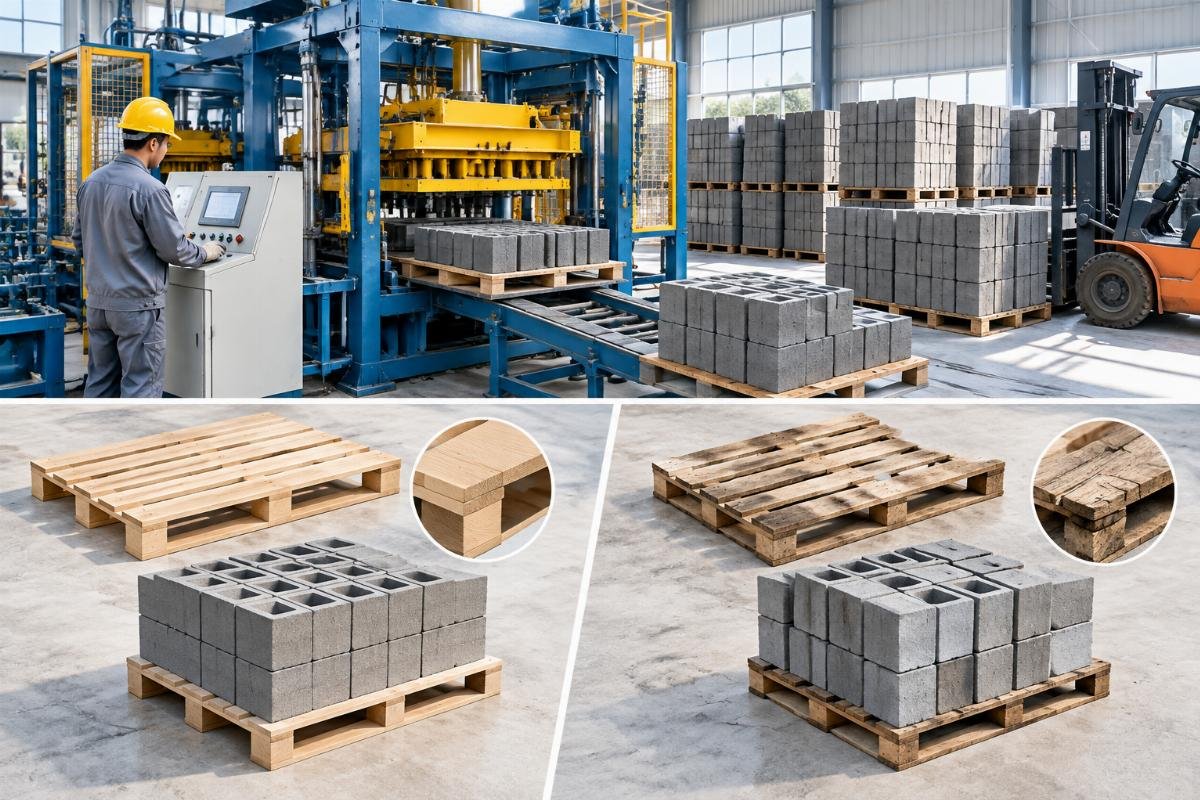
A distributor in Southeast Asia recently reported that their clients experienced significant breakage rates with standard molds. The issue was not the hydraulic pressure but the tolerance gap between the mold cavity and the locally sourced timber pallets, which were thicker than the international standard. Without adjustment, the blocks were compressed unevenly, leading to structural weaknesses. This demonstrates that Fly Ash Block Machine OEM Customization is not merely a branding exercise but a technical necessity for operational continuity.
How to Customize Molds for Local Pallets?
Precise cavity adjustment prevents breakage and ensures dimensional accuracy in final products.
Mold customization is the most frequent oversight in international transactions. Buyers often assume that a "standard" mold will fit their existing pallet inventory. In reality, local timber suppliers in regions like Indonesia or Nigeria often provide pallets with thickness variations of several millimeters compared to the steel or standardized wood pallets used in factory testing.
The adjustment process involves modifying the mold cavity depth to accommodate the specific thickness of the local pallet. If the pallet is thicker, the cavity must be deeper to maintain the correct block height. If the pallet is thinner, the cavity must be shallower to ensure sufficient compression density. Failure to adjust this results in blocks that are either under-compressed (weak) or over-compressed (cracked).
- Measure Local Pallets: Verify the average thickness and flatness of the pallets available in the target market.
- Calculate Tolerance: Determine the required cavity depth adjustment based on the desired block height.
- Fabricate Custom Molds: Produce molds with the adjusted cavity dimensions at the manufacturing facility.
- Pre-shipment Testing: Run test cycles using sample pallets provided by the buyer to verify fit and output quality.
[NEED_CITE: tolerance standards for concrete block molding processes]
A case from Latin America highlights this issue. A buyer received standard molds but found that their local wooden pallets caused the blocks to stick during ejection. The solution involved not only adjusting the cavity depth but also applying a specialized non-stick coating to the mold surfaces. This level of detail is central to effective Fly Ash Block Machine OEM Customization, ensuring that the equipment works seamlessly with locally sourced materials.

What Power Adaptations Are Needed for Unstable Grids?
Integrated stabilizers and robust PLC protection are non-negotiable for continuous operation.
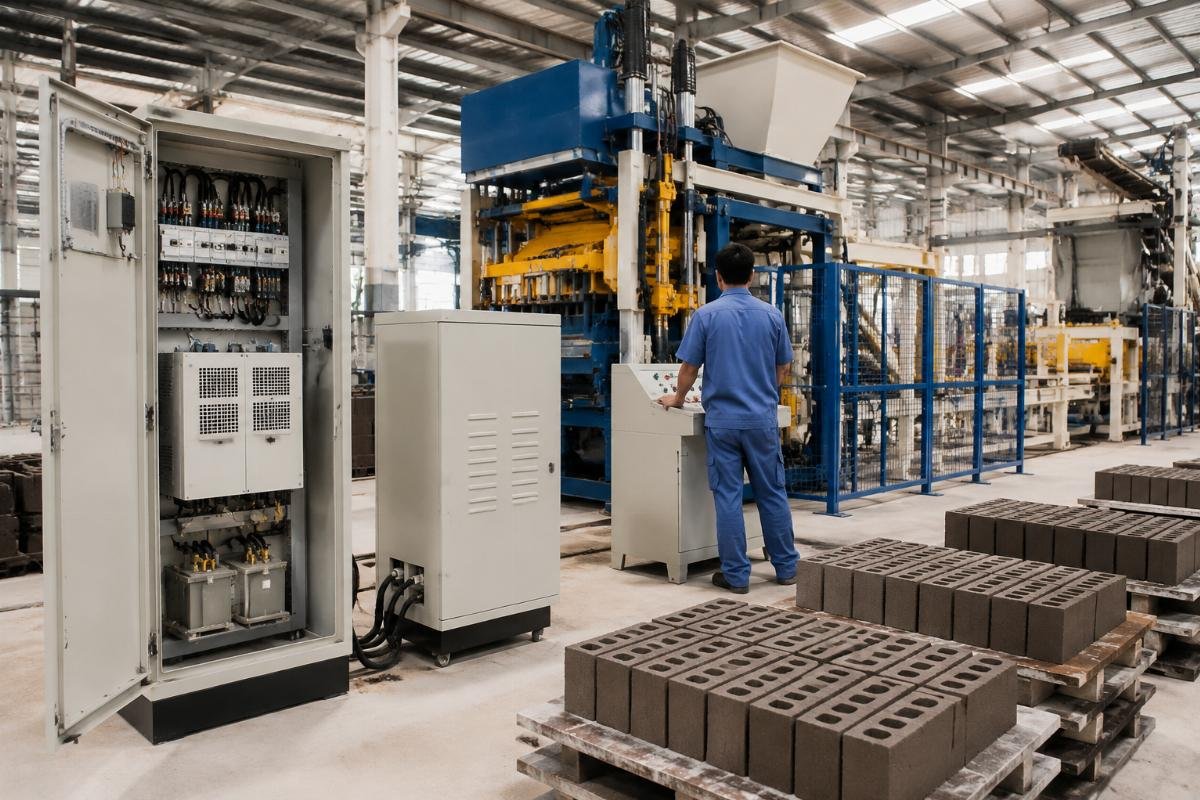
Power instability is a primary cause of downtime in many developing regions. Standard QT machines rely on sensitive PLC systems to control hydraulic pressure, vibration frequency, and feeding cycles. Voltage spikes or drops can corrupt software, damage circuit boards, or cause erratic mechanical behavior.
In West Africa, a client operating a QT8-15 line faced repeated PLC burnouts. The local grid experienced frequent fluctuations around the 380V nominal value. The cost of replacing electronic components and the lost production time exceeded the investment required for proper power adaptation. The solution involved integrating industrial-grade voltage stabilizers and surge protectors directly into the control panel design.
- Assess Grid Stability: Review local utility reports or measure voltage fluctuation ranges on-site.
- Install Stabilizers: Integrate automatic voltage regulators capable of handling wide input ranges.
- Protect PLC Systems: Use isolated power supplies and surge protection devices for control circuits.
- Backup Generator Compatibility: Ensure the machine’s start-up sequence is compatible with generator power outputs.
[NEED_CITE: guidelines for electrical equipment operation in unstable power grids]
Ignoring power quality leads to a false economy. Buyers may save on the initial purchase by opting for a standard electrical configuration, but the long-term costs of repairs and downtime are substantial. Proper Fly Ash Block Machine OEM Customization includes these electrical adaptations as a standard part of the package for regions with known grid issues.
Which QT Series Model Fits Your Raw Material Profile?
Match machine vibration force to fly ash composition for optimal density and strength.
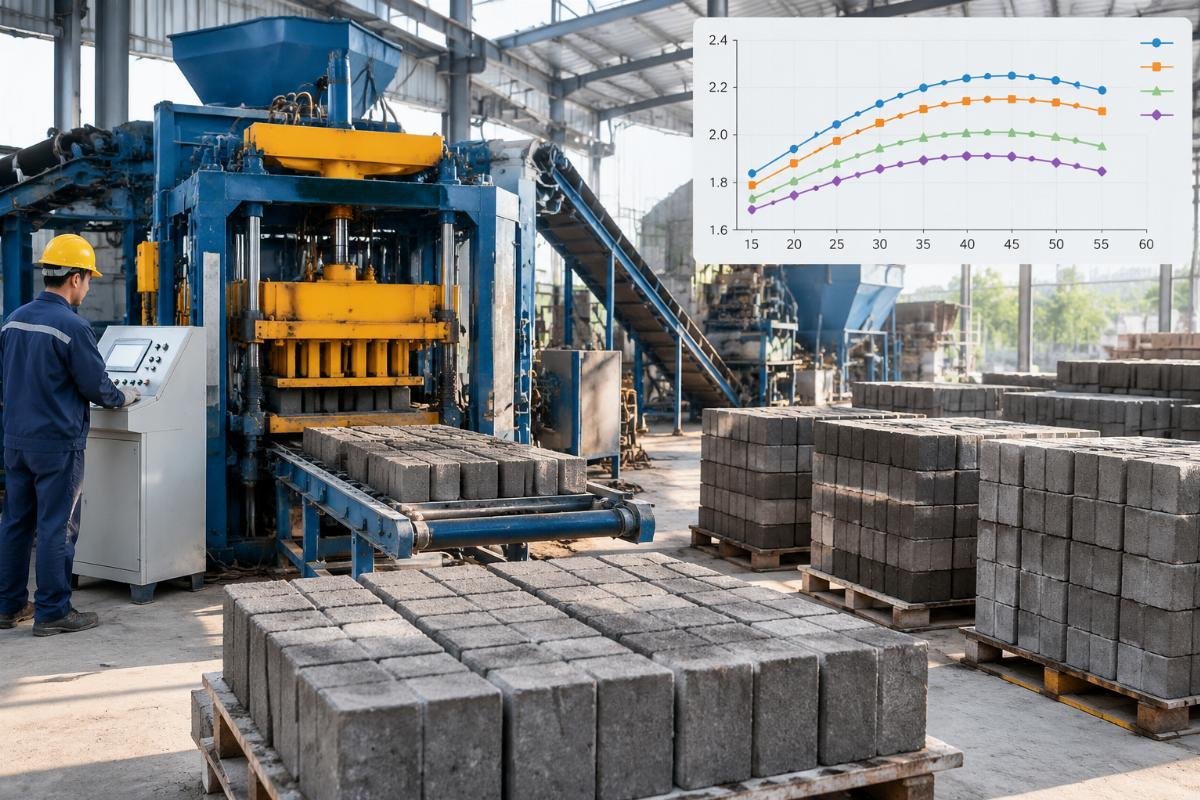
Not all fly ash is created equal. The chemical and physical properties of fly ash vary significantly depending on the source coal and combustion process. Some mixes have high clay content, while others are more granular. This variance affects how the material compacts under vibration.
Choosing the wrong QT model for a specific raw material profile can result in poor block quality. For instance, a mix with high clay content may require lower vibration frequency to prevent sticking, whereas a granular mix may need higher frequency for proper densification. The QT4-15 to QT12-15 series offers different vibration forces and cycle times, allowing for matching the machine to the material.
| Raw Material Characteristic | Recommended Vibration Approach | Suitable QT Series Feature |
|---|---|---|
| High Clay Content | Lower Frequency, Longer Cycle | Adjustable Vibration Control |
| Granular/Sandy Mix | Higher Frequency, Shorter Cycle | High-Output Vibration System |
| Mixed Waste Aggregate | Variable Frequency | Multi-stage Vibration Mode |
| Standard Fly Ash | Standard Frequency | Default Factory Setting |
[NEED_CITE: effect of vibration frequency on concrete block density]
A buyer in the Middle East struggled with low-density blocks using a standard setup. Analysis revealed that their fly ash mix had a unique particle size distribution. By adjusting the vibration frequency and modifying the mold design to suit this specific profile, the block density improved noticeably without changing the raw material formula. This illustrates that Fly Ash Block Machine OEM Customization extends beyond hardware to include process optimization based on local material science.
Conclusion
Customization is the bridge between theoretical capacity and actual profitability.
Selecting a fly ash block machine requires a holistic view of the production environment. Adapting the QT series to local pallet dimensions, power conditions, and raw material characteristics ensures that the investment delivers consistent returns. Ignoring these factors leads to operational friction that undermines the benefits of automation. Effective Fly Ash Block Machine OEM Customization transforms a standard piece of equipment into a tailored solution for specific market needs.

Industry expert sharing insights about concrete machinery, block making technology and turnkey production solutions.
View all posts →
Leave a Reply