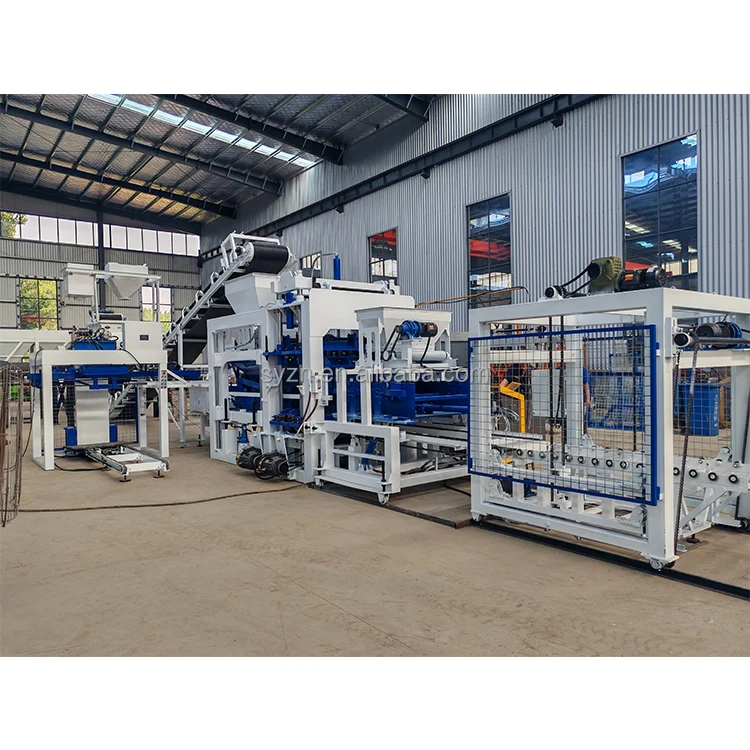
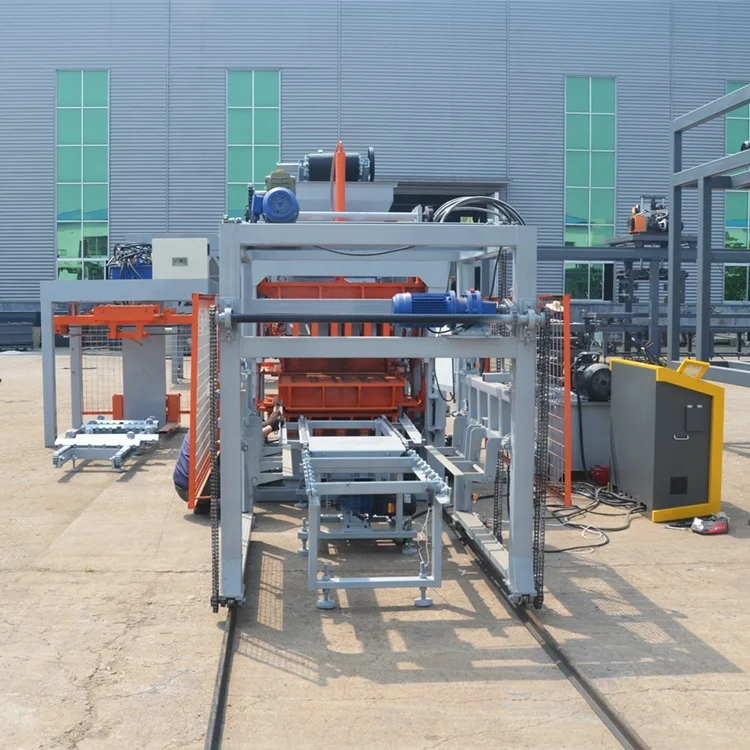
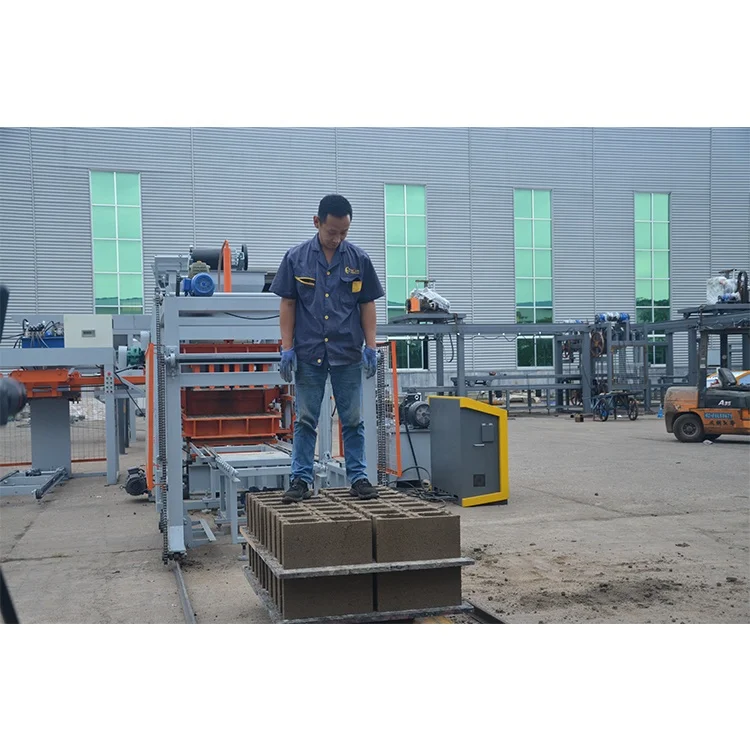
Matched system specification — the QT12-15 automatic block making machine manufacturer proposal includes press, mould, pallet and handling as one coordinated line rather than separate supplier assemblies.
Technical Specifications
| Parameter |
Value |
| Model |
QT12-15 |
| Product Type |
Fully Automatic Hydraulic Block Making Machine |
| Total Installed Power |
62 kW |
| Pallet Size |
1300 × 900 mm |
| Moulding Cycle |
15–30 seconds (basis not stated in source — confirm block format, material, thickness) |
| Vibration Technology |
Four-axis synchronized vibration with frequency conversion |
| Excitation Force |
120 kN (source labeled as vibration frequency — verify against manufacturer catalog) |
| Vibration Type |
Table vibration |
| Feeding System |
360° rotating press-in arch breaker |
| Noise Damping |
Flexible pressure head damping + adjustable air-bag mould box damping |
| Voltage |
Customized to local industrial voltage (exact V/Hz to be confirmed) |
| Control System |
To be confirmed (PLC brand and display language to be specified) |
| Mould Compatibility |
Customized to buyer’s block drawings |
| Automation Level |
Fully automatic (line station detail to be confirmed) |
| Standards Reference |
European technology reference stated; formal CE / ISO certification not confirmed in source |
Application Suitability
| Application |
Material or Output |
| Hollow block production for commercial and residential walls |
Fly ash, crushed stone, sand, cement blends |
| Solid wall block manufacturing |
Conventional aggregate and cement mixes |
| Pavement block and interlocking paver production |
High-density concrete mixes with fine aggregate |
| Porous brick and slope protection brick forming |
Lightweight aggregate or fly ash-based blends |
| Kerbstone and heavy-format masonry |
Coarse aggregate with adjusted cycle time |
What the "15-Second Cycle" Claim Actually Means for Your Output
Every capacity figure we quote is tied to a named block format and mix, so the daily output you plan against matches what the line produces on site.
Capacity sheets that list cycles per hour without naming the block format behind that number leave buyers planning a plant around a figure that disappears the moment a different mould goes in. I have watched operators in Lagos swap a hollow block mould for a paver mould and see the cycle stretch well past the quoted number because the vibration dwell and feed sequence were never recalibrated for the new format [NEED_CITE: block format impact on cycle time in hydraulic press operations]. The QT12-15 automatic block making machine manufacturer configuration ties each output figure to a specific block drawing, pallet load and mix design so the capacity calculation holds up once production starts.
Where the QT12-15 Sits in the Full Machine Range
The Shiyue range spans mobile egg-laying machines for on-site production, semi-automatic presses for lower-investment workshops, and fully automatic lines like the QT12-15 for plants that run continuous shifts. This model occupies the high-capacity tier, paired with a 1300 × 900 mm pallet that defines the curing rack layout and forklift reach required across the yard. Buyers moving up from a semi-automatic press typically choose this tier when daily volume demands outstrip what a smaller pallet and manual stacking can sustain.
Matching the Press to the Formats Your Market Actually Buys
A block plant lives or dies by whether its output matches what local contractors order. The QT12-15 automatic block making machine manufacturer proposal starts with the buyer’s format list — hollow, solid, paving, kerbstone, interlocking, porous — and works backward to mould cavity count, vibration dwell and feed sequence for each [NEED_CITE: mould selection and cavity count impact on daily throughput]. Mould change time matters here: if switching from hollow blocks to pavers takes most of a shift, the format flexibility the buyer paid for is effectively lost, so the proposal specifies the mould change system and tools before the order is placed.
How Vibration Force, Pallet Size and Feeding Shape Block Density
The 120 kN excitation force delivered through four-axis synchronized vibration with frequency conversion determines how tightly the aggregate packs inside the mould cavity, directly influencing block compressive strength. That vibration must be matched to the buyer’s specific mix — a fly ash blend responds differently than a crushed stone mix, and setting the frequency conversion curve to the wrong material produces inconsistent density across the pallet. The 360° rotating press-in arch breaker feeds material uniformly into the cavity so that the vibration works on an even charge rather than compacting a lopsided fill. Meanwhile, the 1300 × 900 mm pallet sets the physical rhythm of the entire curing yard: rack spacing, forklift aisle width and curing area footprint all derive from this single dimension. Getting it wrong means pallets do not fit the racks already on site, or the forklift cannot turn in the aisle the layout assumed.

The Cost of Skipping the Pallet and Voltage Conversation
Pallet size and material chosen without checking the buyer’s existing curing racks and forklift capacity leads to a yard that cannot physically handle the output the press is rated to produce. Voltage and frequency left unconfirmed until the machine arrives on site delays commissioning while transformers are sourced or control panels are rewired [NEED_CITE: industrial voltage mismatch delays in equipment commissioning]. PLC display language not specified means the operator cannot read fault codes during the first critical weeks of production. These are not minor oversights — they are the reasons a line sits idle after delivery while the buyer’s project deadline passes.
Why Source This Line from Shiyue
Block machinery is the single focus here, so the press, mould, pallet and handling equipment are specified as one matched system rather than assembled from separate suppliers with mismatched cycle times. Each configuration is set against the buyer’s actual mix design, local aggregate and target block format instead of a catalogue default that assumes materials the buyer cannot source. Mould design and supply cover the formats the buyer’s market actually sells, with custom drawings accepted for non-standard profiles. Automation level is selectable, letting a buyer start with the core press and semi-automatic pallet handling, then add automatic stacking and cubing as volume grows. Installation support includes operator training on the specific mould set and PLC interface delivered with the line.
Documentation & Verification
- Line layout and capacity calculation stating the block format assumed for each output figure
- Mould drawing and format list matching the buyer’s market requirements
- Pallet specification aligned with the buyer’s curing rack and forklift capacity
- Voltage, frequency and PLC display language confirmation before production begins
- Hydraulic and electrical schematic for local maintenance team reference
- Factory test record on the buyer’s specified block format before dispatch
Installation, Commissioning & Support
- Foundation plan sized to the 62 kW total power load and vibration table dynamic forces
- Dedicated electrical circuit confirmed for the buyer’s local voltage and frequency before shipment
- Machine dismantling and container loading plan with reassembly sequence documented for site crews
- First-run commissioning on the buyer’s actual aggregate and cement mix to validate cycle times
- Operator training on PLC fault codes, mould change procedure and daily maintenance checkpoints
- Wear parts and mould liner list included so first replacements are on hand before they are needed
- Ongoing support for hydraulic seal and vibration component scheduling based on shift volume
Before You Request a Quote
To size the QT12-15 accurately, share the block formats your market demands along with target daily output per format. Specify your local aggregate type and whether fly ash is available, as this changes the vibration curve and feed sequence. Confirm your site voltage and frequency, the PLC display language your operators need, and the forklift capacity and curing rack dimensions already in place so the pallet specification aligns with your existing yard.
Frequently Asked Questions
Q: How is QT12-15 output capacity verified, and which block format does each figure assume?
A: Every capacity figure in the proposal is tied to a named block format, mix design and pallet load. The line layout document states the assumed format for each output number so buyers can plan daily production against a figure that holds up once the matching mould is installed, rather than a generic cycles-per-hour claim that changes when the format changes.
Q: Where does the QT12-15 sit within the Shiyue range compared to semi-automatic and mobile tiers?
A: The QT12-15 is the high-capacity fully automatic tier, designed for plants running continuous shifts with automatic pallet handling. Semi-automatic models serve smaller workshops with lower investment, and mobile egg-laying machines handle on-site production without a fixed plant. Buyers choose the QT12-15 when daily volume demands exceed what manual pallet handling can sustain.
Q: What plant footprint and pallet-handling layout does the 1300×900 mm pallet require?
A: The 1300 × 900 mm pallet sets the curing rack dimensions, aisle width for forklift access and total curing area footprint. The line layout proposal specifies rack spacing and handling equipment matched to this pallet size, and confirms compatibility with the buyer’s existing forklift capacity before production begins.
Q: How is voltage, frequency and control language confirmed before shipment?
A: Voltage, frequency and PLC display language are confirmed in writing before production starts, not after the machine arrives. The proposal documents the buyer’s local supply specifications and operator language requirements so the control panel and electrical system are built to match the site conditions from the first day of commissioning.
Q: Which automation level is included, and what is the upgrade path for stacking and cubing?
A: The QT12-15 is configured as fully automatic, with the specific line stations detailed in the proposal. Buyers who want to start with semi-automatic pallet handling and add automatic stacking and cubing later can specify a phased automation plan, allowing the press to operate at lower initial investment while preserving the upgrade path as volume grows.

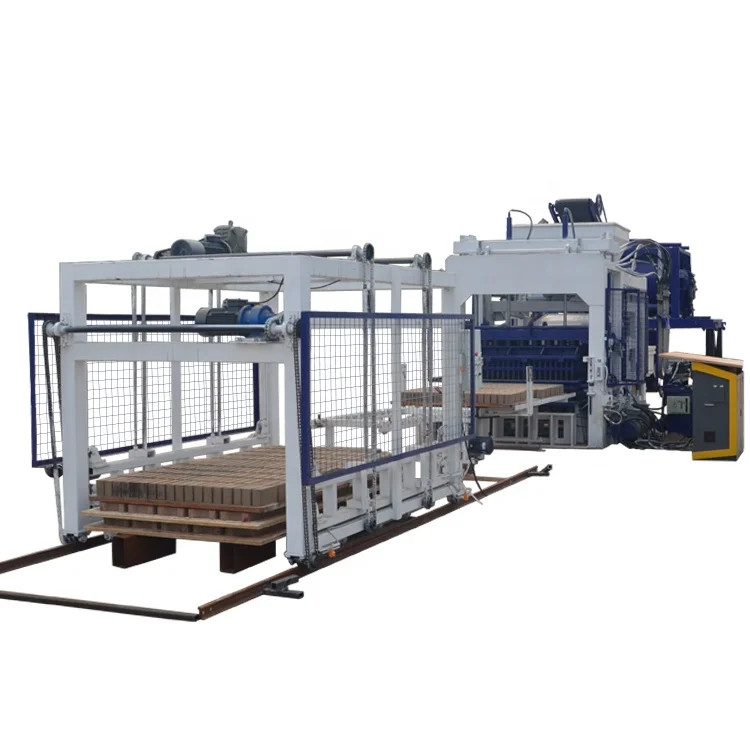
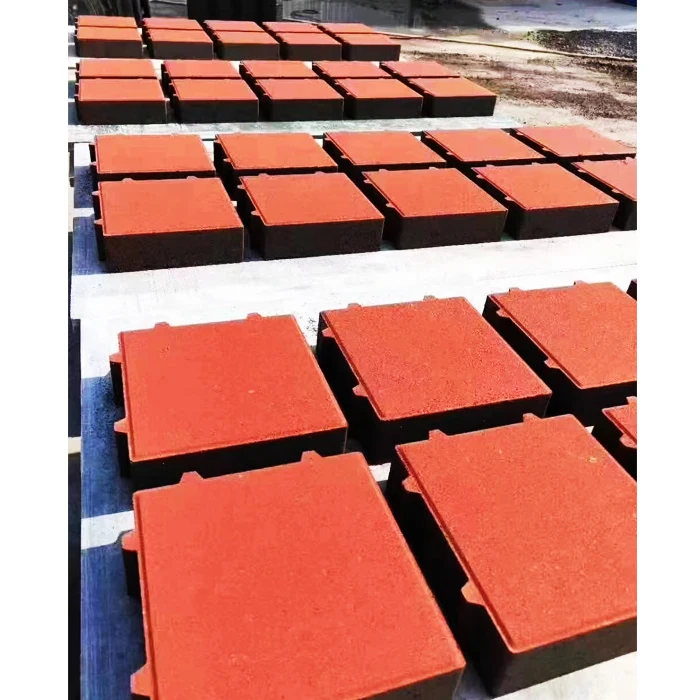 High quality block machine