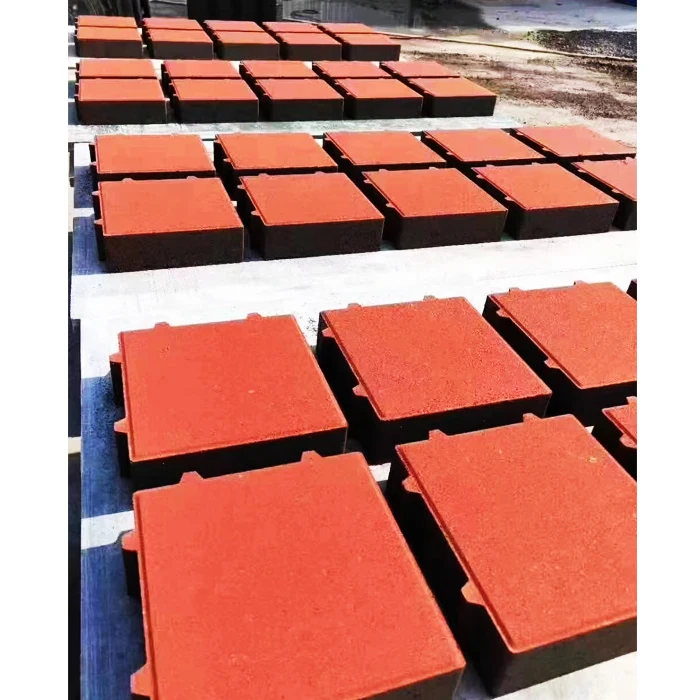
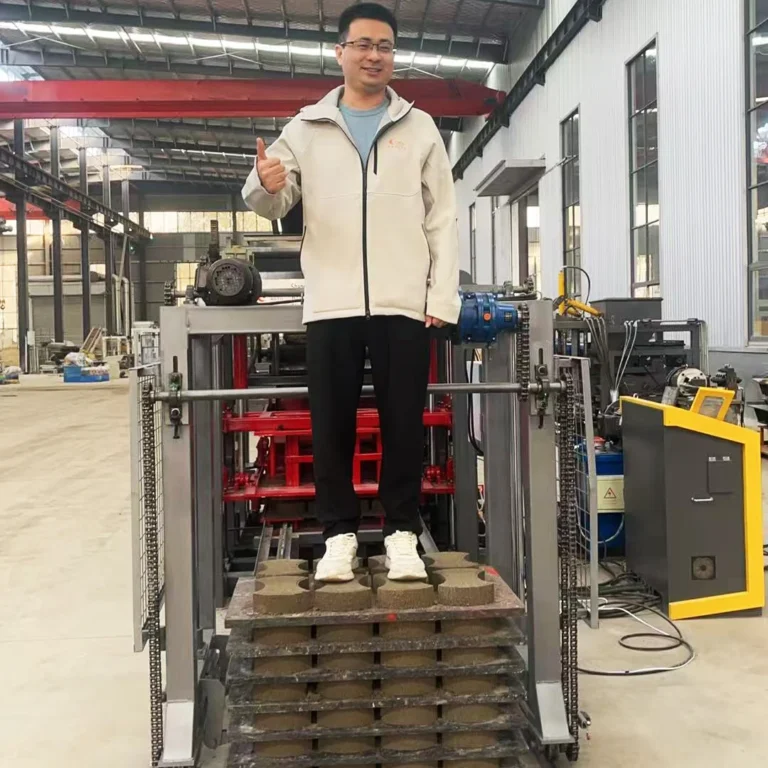
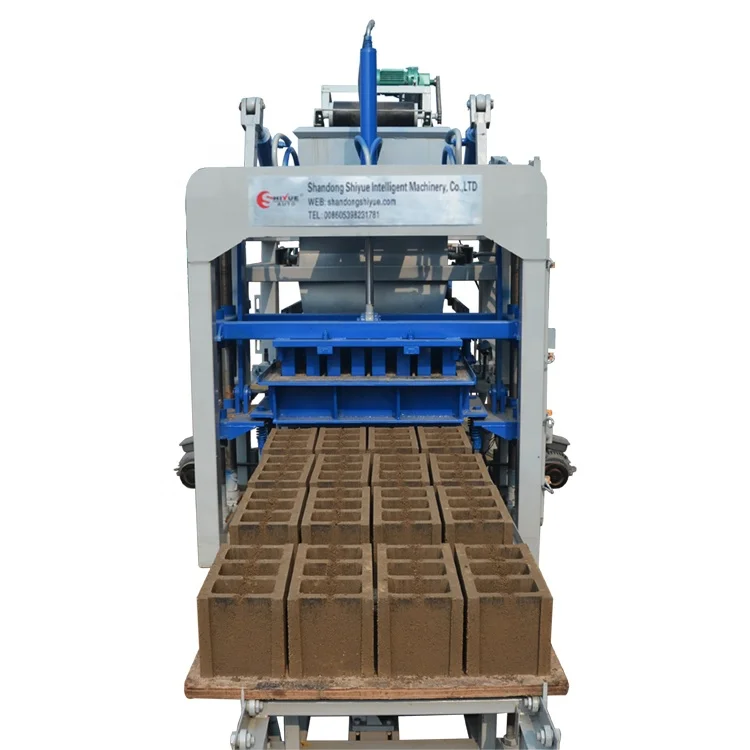
Matched System Specification — The QT10-15 interlocking brick machine, moulds, pallets, and handling equipment are engineered as one coordinated line, eliminating the mismatched components that cause bottlenecks when buyers assemble from separate suppliers [NEED_CITE: block production line component integration standards].
Technical Specifications
| Parameter |
Value |
| Model |
QT10-15 |
| Product Type |
Hydraulic Interlocking Brick Making Machine |
| Moulding Cycle |
15-20s (hollow block & solid brick) / 20-25s (paving block) |
| Capacity (400×200×200mm hollow block) |
10 pcs/mould, 1,800–2,400 pcs/h, 14,400–19,200 pcs/8hr |
| Capacity (400×150×200mm hollow block) |
12 pcs/mould, 2,160–2,880 pcs/h, 17,280–23,040 pcs/8hr |
| Capacity (240×115×53mm solid brick) |
62 pcs/mould, 8,928–11,160 pcs/h, 71,424–89,280 pcs/8hr |
| Capacity (200×100×60mm paving block) |
27 pcs/mould, 5,184–6,480 pcs/h, 41,472–51,840 pcs/8hr |
| Capacity (225×112.5×60mm interlocking brick) |
24 pcs/mould, 4,032–5,040 pcs/h, 32,256–40,320 pcs/8hr |
| Vibration Mode |
Vertical station mode resonance with automatic FM-AM |
| Hydraulic System |
Independent integrated hydraulic station (isolated from host vibration and dust) |
| Control System |
PLC control cabinet |
| Line Components |
Pallet feed machine, block making machine, storage hopper, conveyor, hydraulic unit, PLC control cabinet |
| Automation Level |
Automatic |
| Warranty |
1 year for the whole machine (excluding spare parts) |
Application Suitability
| Application |
Material or Output |
| Hollow block production |
Crushed stone, sand, cement, fly ash aggregates |
| Interlocking brick production |
Concrete mix with fine aggregate and cement binder |
| Paving block production |
High-density concrete mix with coarse aggregate |
| Solid brick production |
Standard concrete mix with local sand and cement |
| Multi-cellular brick production |
Lightweight aggregate or aerated concrete mix |
What "Cycles Per Hour" Leaves Out About Block Machine Capacity
Capacity figures only matter when tied to a specific block format and mould configuration.
I remember configuring a QT10-15 for a Middle East contractor who wanted to run interlocking bricks. The catalogue showed impressive hourly cycles, but those numbers assumed standard hollow blocks with conventional aggregate. His local river sand was unusually fine, and the limestone gravel was soft. When we fired up the machine with his actual mix, the vibration force wasn’t matched to that material profile—block density dropped, and daily output fell well short of what the generic cycle time suggested. That’s why every capacity calculation I provide now starts with the buyer’s actual raw material report and target format, not a default table entry [NEED_CITE: aggregate testing requirements for concrete block production].
Understanding Output Tiers Across the Range
The QT10-15 interlocking brick machine sits in the automatic tier of a broader range that spans semi-automatic models for smaller workshops and higher-capacity lines for industrial-scale plants. Buyers evaluating their first block plant need to see where this model positions them on both output volume and investment level before committing to ancillary equipment. The machine handles multiple formats through mould changes, but realistic daily production depends on which format dominates your production schedule and how quickly your crew can execute those changeovers.
Vibration and Hydraulic Isolation in Practice
The vertical station mode resonance system adjusts frequency and amplitude automatically based on the mould and material load. More critically, the hydraulic station sits independent from the main press structure, isolated from vibration transmission and dust contamination that degrades valve performance over time. This separation matters in high-cycle environments where hydraulic response time directly affects mould fill consistency. When dust infiltrates hydraulic circuits, block dimensional tolerance drifts and maintenance intervals shorten [NEED_CITE: hydraulic system contamination thresholds in industrial machinery].
Reading the Specs That Actually Affect Your Line
The 15-20 second cycle time for hollow blocks versus 20-25 seconds for paving blocks reflects the different compaction requirements—paving blocks need longer vibration exposure to achieve the density needed for vehicular load resistance. The independent hydraulic station means pressure adjustments for different formats don’t require mechanical recalibration of the entire press. PLC control allows operators to store parameters for each mould format, but the display language must match your crew’s working language or you’ll face commissioning delays. Pallet size determines curing rack compatibility, so confirming your existing forklift and rack dimensions before ordering prevents arrival-day surprises [NEED_CITE: pallet standardization in concrete block curing systems].

The Cost of Skipping Configuration Verification
Buyers who confirm only model number and price—without locking in pallet dimensions, voltage specifications, and PLC language—typically discover these gaps during installation. A machine configured for 380V/50Hz arriving at a 440V/60Hz site requires transformer installation before commissioning can begin. Mould drawings that don’t match the buyer’s market product range force custom tooling orders weeks after the line should have been producing. These aren’t rare edge cases; they’re the most common reasons installations stretch from days into weeks [NEED_CITE: industrial equipment commissioning delay factors].
Why Sourcing Through a Single-System Approach Matters
Block machinery remains the sole product focus here, which means the QT10-15 arrives with moulds, pallets, and handling equipment specified as matched components rather than assembled from separate vendors. Configuration decisions reference your actual mix design and local aggregate properties, not catalogue defaults. Mould design accommodates the specific formats your regional market demands, including custom drawings when standard options don’t fit. Automation level remains adjustable—you can start with semi-automatic pallet handling and add stacking automation later. Installation support includes operator training on your specific mould set, and wear parts availability is confirmed before the machine ships rather than discovered when the first replacement is due.
Documentation & Verification
- Line layout showing pallet flow from press through curing rack to cubing station
- Capacity calculation document stating block format assumed for each output tier
- Hydraulic and electrical schematics with voltage and frequency confirmed per market
- Factory test record documenting cycle times on requested mould formats before dispatch
- Mould drawing package with format list matching buyer’s target product range
Installation, Commissioning & Support
- Foundation requirements based on QT10-15 vibration load and hydraulic unit weight distribution
- Electrical supply verification for PLC cabinet voltage and independent hydraulic station circuit
- Machine arrives partially dismantled for container loading; reassembly sequence documented
- First-run parameter setting for each mould format using buyer’s confirmed mix design
- Operator training covers PLC interface navigation and mould change procedure
- Wear parts list and mould maintenance schedule provided at commissioning
What We Need to Move Forward
To provide an accurate configuration proposal, share your target block formats and the daily volume you need for each. Include a raw material analysis showing your local aggregate gradation and cement type. Confirm your site voltage, frequency, and preferred PLC display language. If you have existing curing racks or forklifts, provide pallet dimensions so the line integrates with your current handling equipment rather than requiring replacements.
Frequently Asked Questions
Q: How is the QT10-15’s capacity calculated, and which block format does each figure assume?
A: Each capacity figure in the specification table states the exact block dimensions, pieces per mould, and cycle time range assumed. The 1,800–2,400 pieces per hour figure, for instance, applies specifically to 400×200×200mm hollow blocks. Actual output on your site depends on raw material properties, operator cycle consistency, and downstream handling speed. We calculate realistic daily production based on your confirmed mix design and target format before quotation.
Q: Where does the QT10-15 sit in the range compared to smaller semi-automatic and larger fully automatic models?
A: The QT10-15 occupies the automatic tier, positioned above semi-automatic models suited for lower-volume workshops and below high-capacity lines designed for continuous industrial production. It offers multi-format flexibility through mould changes while maintaining automatic pallet feeding and press operation. Buyers comparing tiers should consider not just peak output but also labour requirements, plant footprint, and whether their market volume justifies the next tier’s investment.
Q: What voltage, frequency, and PLC display language options are available for the target market?
A: Voltage and frequency are configured to match your site electrical supply—common configurations include 380V/50Hz, 440V/60Hz, and regional variants. The PLC display language is confirmed during the quotation stage to match your operator crew’s working language. Confirming these specifications before production prevents commissioning delays that occur when machines arrive configured for different electrical standards than the destination site provides.
Q: What plant footprint and supporting equipment are needed for a complete QT10-15 production line?
A: The line includes pallet feed machine, storage hopper, conveyor, hydraulic unit, and PLC control cabinet alongside the press itself. Total footprint depends on pallet circulation path, curing rack arrangement, and whether you add automatic stacking. We provide a line layout drawing showing station positions and material flow after confirming your available floor space and ceiling height. Existing forklifts and curing racks must be verified for pallet size compatibility.
Q: How does the mould change system work, and what is the expected format switch time?
A: Mould changes on the QT10-15 involve releasing the current mould assembly, installing the new format, and loading the corresponding PLC parameters for vibration and pressure settings. The actual switch time depends on crew familiarity and whether you’re changing between similar formats or moving from hollow blocks to interlocking bricks. We provide mould change procedures during operator training and can specify quick-change systems if your production schedule requires frequent format rotation.

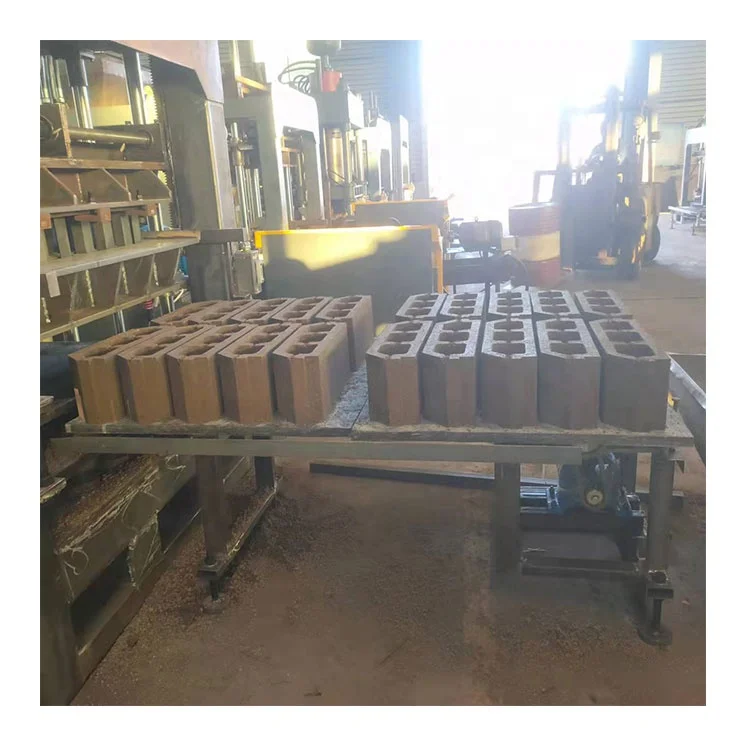
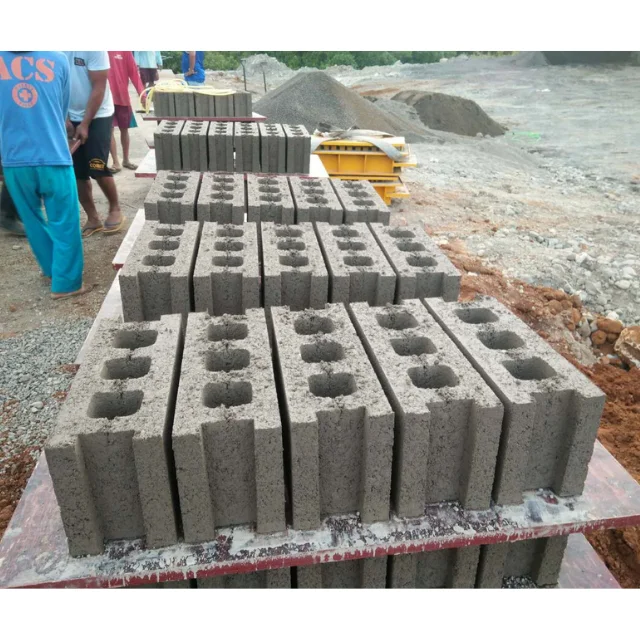 High quality block machine