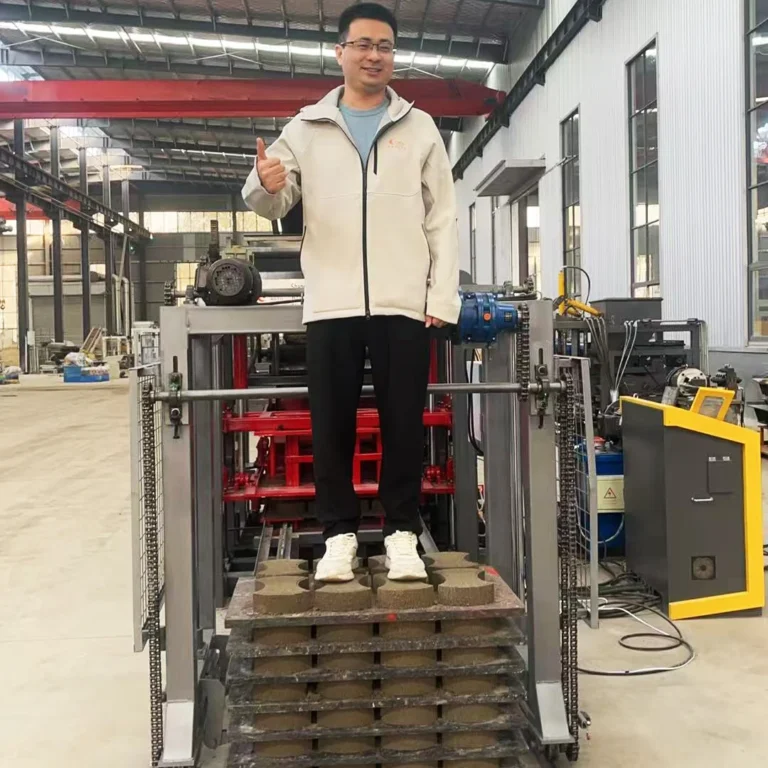
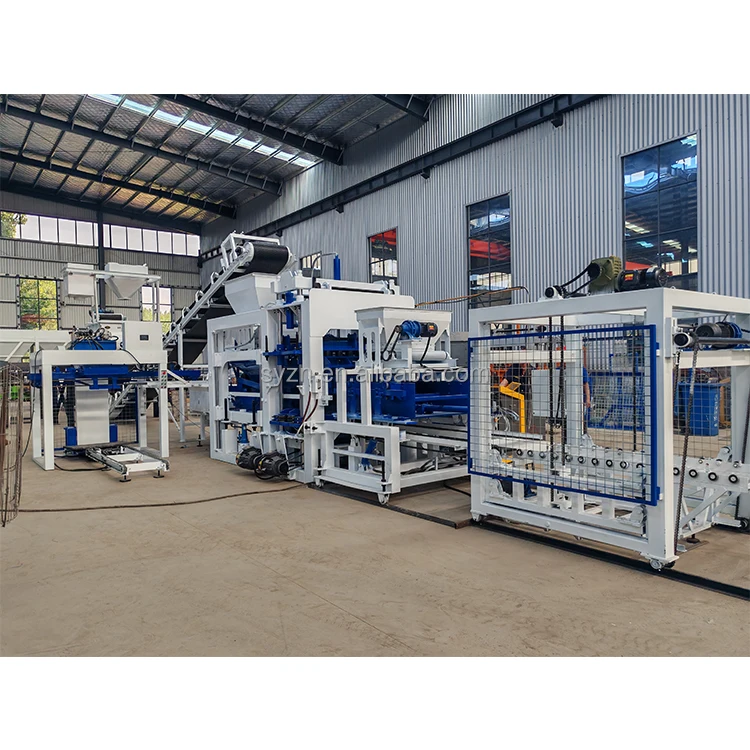
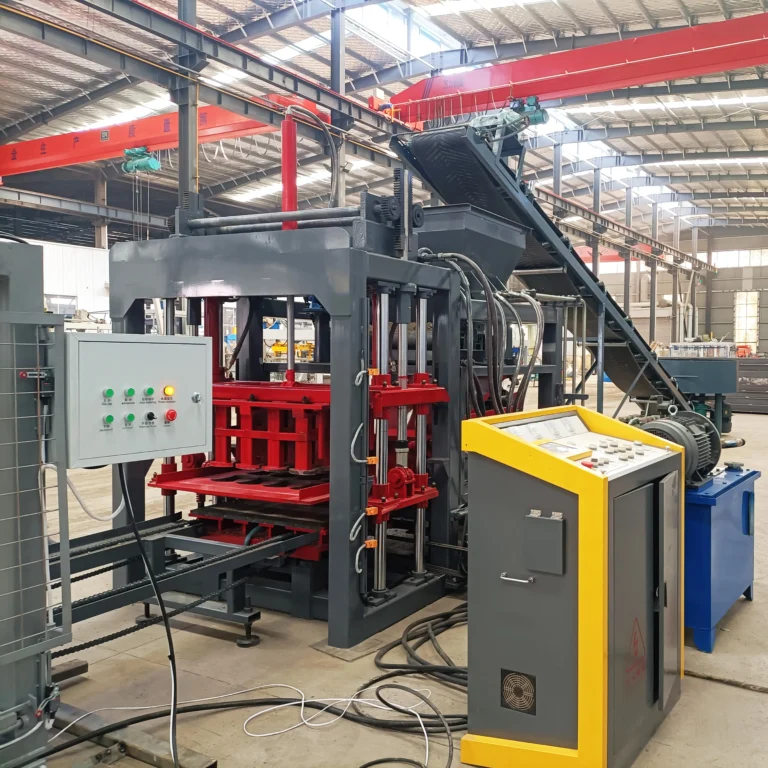
Matched System Sizing — Every QT10-15 configuration starts from your actual block format, local aggregate, and curing layout, not a catalogue default, so machine, mould, pallet, and handling arrive as one verified production unit.
Technical Specifications
| Parameter |
Value |
| Model |
QT10-15 |
| Product Type |
Automatic Hydraulic Block Making Machine |
| Control System |
PLC control cabinet |
| Hydraulic System |
Independent integrated hydraulic station |
| Vibration Mode |
Vertical station mode resonance, automatic FM-AM |
| Mould Change |
Quick replacement system (multi-function with one machine) |
| Cycle Time (Hollow Blocks & Solid Bricks) |
15–20 seconds |
| Cycle Time (Paving Blocks) |
20–25 seconds |
| Output — 400×200×200mm Hollow Block |
1800–2400 pcs/hour, 14400–19200 pcs/8hr (basis: 10 pcs/mould, 15–20s cycle) |
| Output — 400×150×200mm Hollow Block |
2160–2880 pcs/hour, 17280–23040 pcs/8hr (basis: 12 pcs/mould, 15–20s cycle) |
| Output — 240×115×53mm Solid Brick |
8928–11160 pcs/hour, 71424–89280 pcs/8hr (basis: 62 pcs/mould, 15–20s cycle) |
| Output — 200×100×60mm Paving Block |
5184–6480 pcs/hour, 41472–51840 pcs/8hr (basis: 27 pcs/mould, 20–25s cycle) |
| Output — 225×112.5×60mm Paving Block |
4032–5040 pcs/hour, 32256–40320 pcs/8hr (basis: 24 pcs/mould, 20–25s cycle) |
| Components Included |
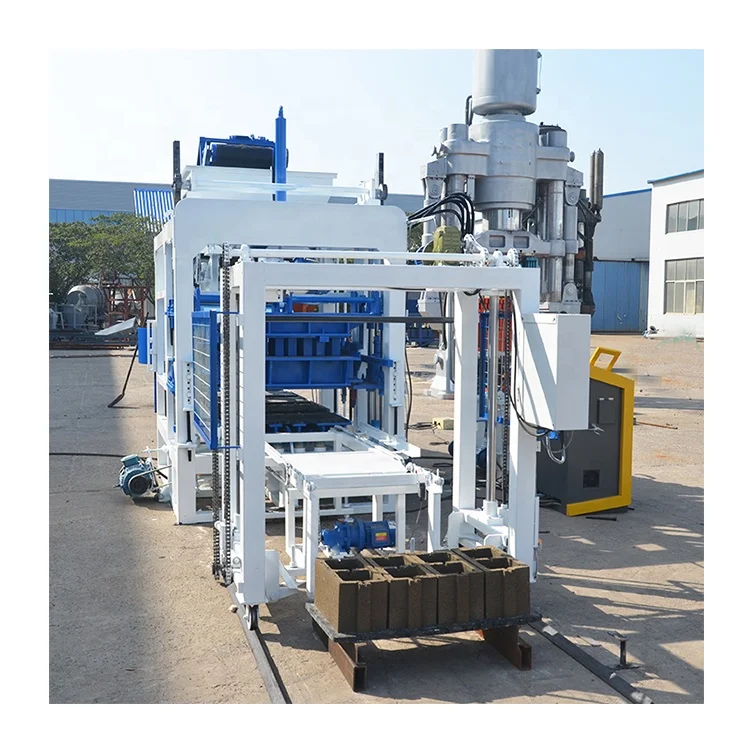
Pallet feed machine, block making machine, storage hopper, conveyor, hydraulic unit, PLC control cabinet |
| Automation Level |
Automatic |
| Assembly State |
Factory assembled, requires on-site installation and commissioning |
| Warranty |
1 year (whole machine, excluding spare parts) |
| Voltage & Frequency |
To be confirmed per target market |
| PLC Display Language |
To be confirmed per buyer requirement |
| Pallet Size |
To be confirmed against curing area and forklift |
| CE Declaration |
Verify applicability to this model |
Application Suitability
| Application |
Material or Output |
| Hollow block production |
Crushed stone, sand, cement, fly ash, and lightweight aggregate blends |
| Solid brick production |
Standard concrete mixes with fine aggregate for high-density bricks |
| Paving block production |
High-strength concrete mixes with graded aggregate for surface durability |
| Interlocking brick production |
Stabilized soil or concrete mixes depending on structural requirement |
| Multi-cellular brick production |
Lightweight aggregate or foamed concrete for thermal insulation blocks |
| On-site project production |
Large-volume housing or infrastructure projects requiring dedicated block output |
What "1800 Pieces per Hour" Actually Means for the QT10-15 Automatic Block Making Machine Manufacturer
Capacity numbers without a block format attached are marketing, not engineering.
I have watched buyers sign contracts based on a single headline output figure, only to discover on commissioning day that the quoted number assumed a format their market does not buy. One Middle East buyer ordered an automatic hydraulic block machine expecting steady hollow block output, but the capacity figure in the proposal referenced a small solid brick running at a faster cycle. When we switched to the 400×200×200mm hollow block the buyer actually sells, the real throughput dropped to a different tier entirely, and the curing yard layout had to be redrawn [NEED_CITE: common discrepancy between quoted and actual block machine output]. The QT10-15 automatic block making machine manufacturer approach here is to state each output figure with its exact mould count, block dimension, and cycle time so there is no guesswork left for the plant floor.

Where the QT10-15 Sits in the Full Machine Range
The QT10-15 occupies the high-capacity automatic tier, positioned above semi-automatic and mobile egg-laying models that serve smaller workshops or on-site contractors with lower daily volumes. Buyers moving from a QT6 or QT8 class machine into this tier are typically targeting continuous plant production where pallet cycling, mould changing, and block stacking must keep pace across an eight-hour shift without manual bottlenecks. The investment step also shifts the plant footprint, requiring a larger curing area and more structured raw material feeding to match the press cycle.
Choosing Between Automatic Tiers for Your Block Plant
Stepping up within the automatic range means weighing mould capacity against cycle time and the formats your local market actually orders. A plant producing mainly 400×150×200mm hollow blocks will see different daily volumes than one splitting production between paving blocks and interlocking bricks, because each format carries its own mould cavity count and pressing cycle. The decision is not simply about maximum output but about which combination of formats fills your curing racks efficiently and matches the forklift and handling equipment already on site [NEED_CITE: block plant layout planning for pallet and curing coordination].
Reading the Specs That Shape Real Output
The independent integrated hydraulic station is physically separated from the main vibration zone, which protects valve response and seal life from the dust and shock loads that a press generates every cycle. Vertical station mode resonance with automatic FM-AM vibration adjusts frequency and amplitude to suit the block format in the mould, giving denser compaction for solid bricks and gentler consolidation for lightweight hollow blocks without manual dial changes. The quick mould replacement system matters because a machine rated for multiple formats loses its flexibility if a changeover takes most of a shift; here the design targets format switching within the same production window. PLC control covers the sequence from pallet feeding through pressing and output, reducing the operator’s role to monitoring and raw material supply.
The Hidden Cost of Skipping Configuration Detail
Buyers who confirm price before confirming pallet size often find the delivered pallets do not match their existing curing rack spacing or forklift tine width, forcing a second purchase before the first production run. Voltage and frequency mismatches are another recurring issue: a QT10-15 automatic block making machine manufacturer may build the electrical cabinet for 380V/50Hz, but if the destination country runs 440V/60Hz the motor and PLC require rewiring or replacement on arrival, delaying commissioning by weeks [NEED_CITE: voltage and frequency standards by export market]. When PLC display language is not confirmed, operators work from icons they cannot read, increasing the error rate during the critical first months of production.
Why Source This Machine Through a Single-Focus Block Line Supplier
Block machinery as the sole product line means the press, mould, pallet, and handling equipment are specified together against your actual mix design rather than assembled from unrelated catalogues. Configuration is set against the buyer’s local aggregate and target block format, not a default brochure setting that assumes standard sand and cement. Mould design covers the formats your market sells, including custom drawings when a buyer needs a dimension or interlock profile outside the standard range. Automation level is selectable, so a plant can start with automatic pallet feeding and stacking, then add cubing later as volume grows. Installation support includes on-site commissioning and operator training tied to the specific configuration delivered.
Documentation & Verification
- Line layout drawing with capacity stated per block format and mould cavity count
- Machine specification sheet confirming voltage, frequency, and PLC display language
- Mould drawing and format list covering every block type in your product range
- Pallet specification matched to your curing rack spacing and forklift equipment
- Factory test record run on your target block format before dispatch
- Hydraulic and electrical schematic for local maintenance teams
Installation, Commissioning & Support
- Foundation must support the QT10-15 hydraulic press vibration load with reinforced concrete pad
- Dedicated electrical circuit required matching confirmed voltage and frequency for the PLC cabinet
- Machine arrives factory assembled and requires on-site positioning, utility connection, and alignment
- Commissioning includes first-run parameter tuning for your specific aggregate and block format
- Operator training covers PLC sequence monitoring, mould change procedure, and daily maintenance checkpoints
- Wear parts and mould spare list provided with recommended replacement intervals
Preparing Your Inquiry for an Accurate QT10-15 Configuration
To size the line correctly, share the block formats your market demands along with target daily volume per format, so capacity calculations reflect actual production rather than a single best-case figure. Confirm your local raw material — whether crushed river stone, volcanic ash, fly ash, or recycled aggregate — because the mix design drives vibration and pressure settings. Specify your site voltage, frequency, preferred PLC display language, and existing forklift and curing rack dimensions so pallet and electrical configuration match what is already on the ground.
Frequently Asked Questions
Q: How is the QT10-15 capacity calculated, and which block format does each figure assume?
A: Every output figure in the specification sheet is tied to a specific block dimension, mould cavity count, and cycle time range. For example, the hollow block capacity assumes a 400×200×200mm format with 10 cavities per mould and a 15–20 second cycle. This means you can compare the figures directly against your product mix and daily target without converting from a generic number.
Q: What voltage, frequency, and PLC language options are confirmed before shipment?
A: These are confirmed during the quotation stage, not after production starts. The buyer provides the destination country voltage and frequency standard along with the preferred PLC display language, and the electrical cabinet and control interface are built to match. This avoids rewiring or component swaps when the machine arrives on site.
Q: Where does the QT10-15 sit in the range compared to semi-automatic and smaller automatic models?
A: The QT10-15 sits in the high-capacity automatic tier, above semi-automatic machines that require manual pallet handling and smaller automatic models with lower mould capacity. It is aimed at plants running continuous shifts across multiple block formats, where the investment in full automatic cycling and quick mould change delivers consistent daily volume.
Q: What automation level does the QT10-15 include, and can it be upgraded later?
A: The standard configuration covers automatic pallet feeding, pressing sequence, and block output through PLC control. Additional automation such as automatic stacking and cubing can be added at the initial order or retrofitted later, allowing a plant to scale handling capacity as production volume grows without replacing the press itself.
Q: What plant footprint and installation conditions does the QT10-15 require?
A: The machine needs a reinforced concrete foundation sized to the press footprint, a curing yard matched to the pallet size and daily output volume, and a dedicated electrical supply at the confirmed voltage and frequency. Raw material storage and feeding space must also accommodate the hopper and conveyor layout specified for your configuration.

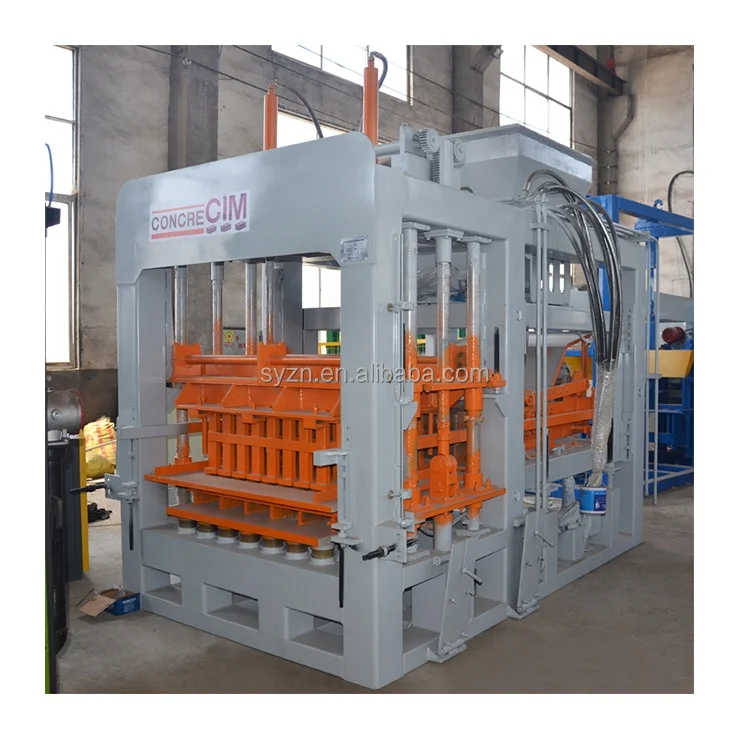
 High quality block machine