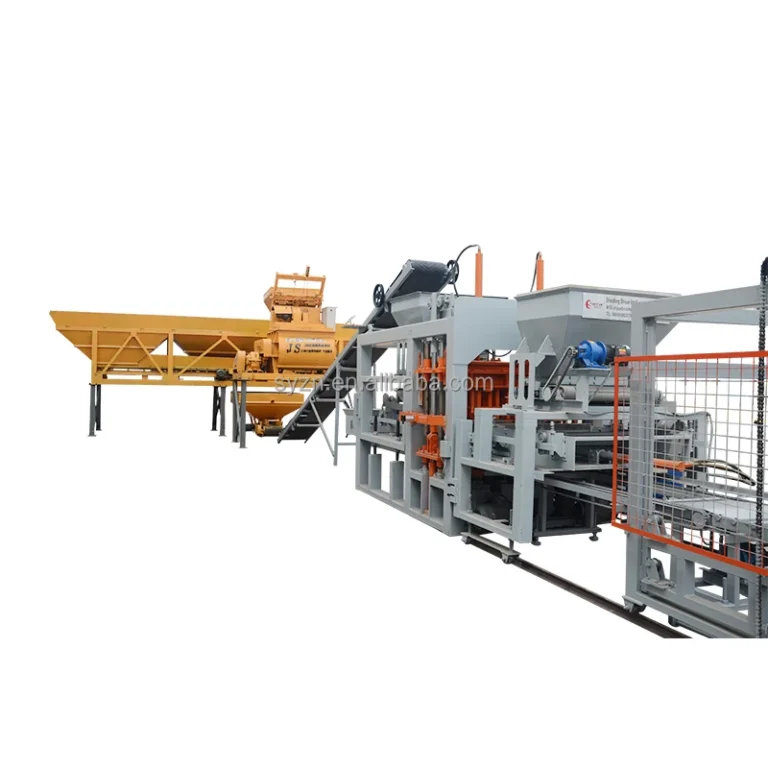
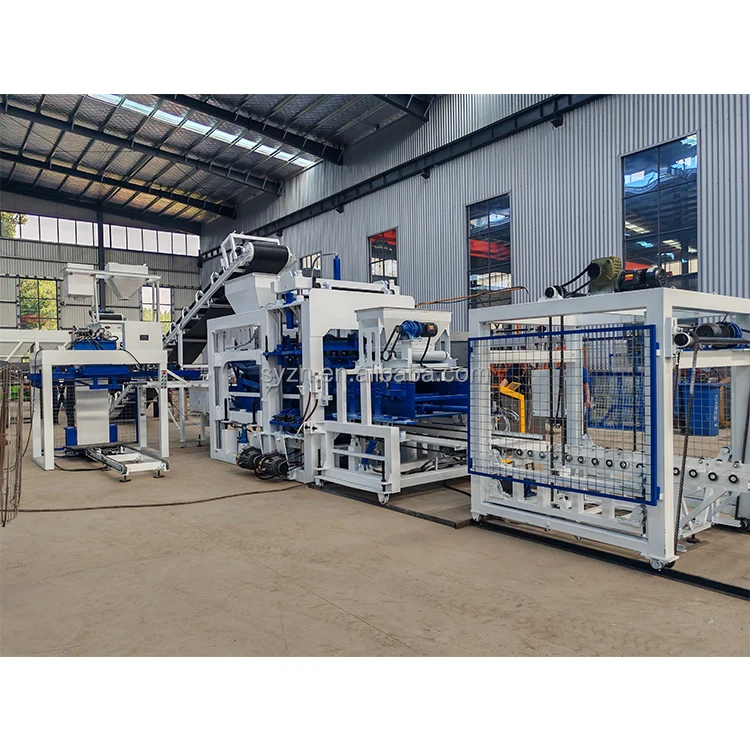
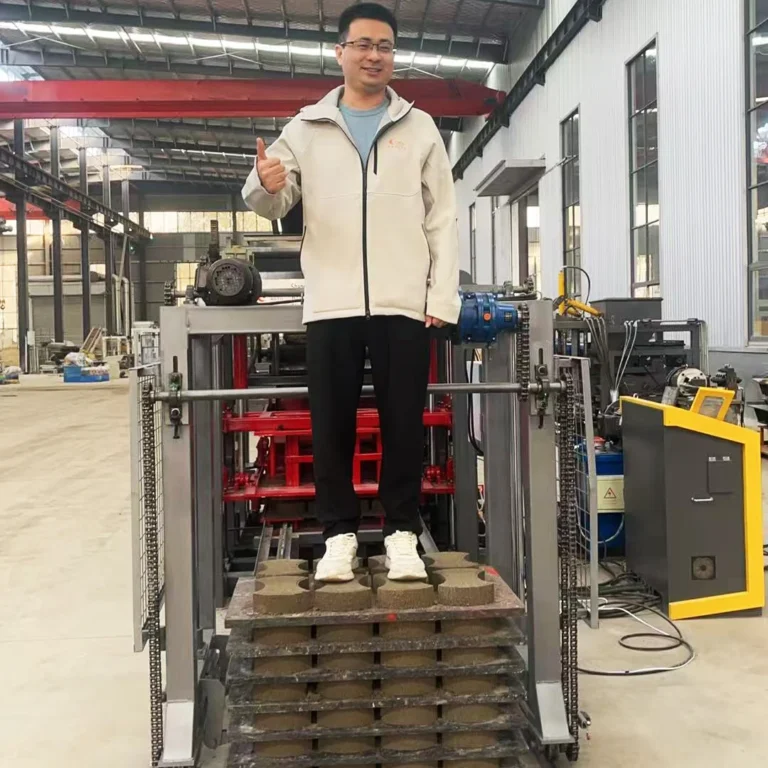
Block machinery as a single focus — machine, mould, pallet and handling are specified as one matched system rather than assembled from separate suppliers, ensuring the QMY4-30 delivers consistent output across your target block formats.
Technical Specifications
| Parameter |
Value |
| Model |
QMY4-30 |
| Product Type |
Diesel Engine Mobile Block Making Machine |
| Dimension |
1300 x 1500 x 1000 mm |
| Total Mass |
950 – 1000 kg |
| Hydraulic Method |
Mold Vibration |
| Exciting Power |
28.6 KN |
| Excitation Frequency |
4500 r/min |
| Total Power |
5.95 kW |
| Molding Cycle |
30 s |
| Capacity |
3000 pcs/day (8 hours) (basis not stated in source — confirm block format / material / thickness) |
| Raw Material |
Concrete, sand, cement, fly ash, lime, gypsum |
| Voltage |
220V / 380V |
| Power Source |
Diesel Engine |
| Mould Format |
Customizable (Hollow Blocks, Bricks) |
Application Suitability
| Application |
Material or Output |
| On-site block production |
Concrete, sand, cement |
| Remote construction projects |
Fly ash, lime, gypsum |
| Housing development sites |
Crushed stone, cement |
| Individual block yards |
Various aggregate mixes |
What "3,000 Pieces Per Day" Leaves Out for a QMY4-30 Mobile Block Making Machine for sale
The capacity figure assumes a specific block size, mix design, and operating rhythm that may not match your site conditions.
Quoted output often hides the variables that determine real daily production. A machine rated for a certain number of pieces might be calculated on a small solid brick, while your market demands 200mm hollow blocks. I’ve seen contractors arrive at a site expecting to meet a housing project deadline, only to find the actual output is a fraction of the brochure number because the aggregate was different or the mould format was larger. The QMY4-30 mobile block making machine for sale offers flexibility, but that flexibility must be quantified against your specific target format [NEED_CITE: typical block format dimensions and cycle time variations].

Off-Grid Mobility for Remote Construction
The diesel engine configuration defines where this machine can operate. For contractors working in mountainous areas, desert regions, or coastal sites without stable grid power, the ability to produce blocks on-site eliminates transport costs and logistics delays. The compact dimensions allow the unit to be moved across a project area as the build progresses, keeping material handling distances short. This mobility is the primary advantage over stationary plants that require a fixed foundation and grid connection.
Matching the Mould to Your Market Demand
A mobile machine is only as valuable as the blocks it can produce for your local market. The customizable mould system supports hollow blocks and solid bricks, but the selection must align with what sells in your region. Producing a format that does not match local building codes or contractor preferences leaves you with inventory that cannot be moved. The mould format should be confirmed against your market requirements before the machine is configured [NEED_CITE: regional block format standards and building codes].
How Vibration and Pressure Determine Block Density
The 28.6 KN exciting power and 4500 r/min excitation frequency work together to compact the raw material within the mould. For a diesel-powered unit, maintaining consistent vibration force is critical because engine speed fluctuations can alter the frequency. The 30-second molding cycle provides the time needed for the mix to settle, but the final block strength depends on how well the vibration is matched to your specific aggregate size and moisture content. If the local sand has a high clay content, the vibration force may need adjustment to prevent weak spots in the finished block.
The Cost of Unconfirmed Site Conditions
Sending a machine to a site without verifying the raw material properties or the curing area layout leads to immediate production bottlenecks. If the pallet size chosen for the line does not match the forklift or curing racks already on site, you end up moving blocks by hand. I have seen projects stall because the voltage or control language was not confirmed before shipment, leaving the operator unable to read the display or run the electrical system safely. These oversights turn a flexible production tool into a stationary problem [NEED_CITE: common commissioning delays due to unconfirmed site specifications].
Configuration Based on Your Actual Mix Design
Our approach focuses on setting the configuration against the buyer’s actual mix design and local aggregate, not a catalogue default. This ensures the vibration and pressure are matched to the material you can source, rather than forcing a costly material change. The QMY4-30 is specified as part of a matched system where the mould and pallet are selected to work with the machine’s cycle time and your target block format. This single-focus methodology prevents the common issue where components from separate suppliers fail to integrate smoothly on site.
Documentation & Verification
- Line layout and capacity calculation stating the block format assumed for the QMY4-30.
- Machine specification sheet with confirmed diesel engine ratings.
- Mould drawing and format list for your target hollow block or brick.
- Voltage and control language confirmation for your target market.
- Factory test record demonstrating cycle times on your specified mix.
Installation, Commissioning & Support
- Site preparation guide for the 1300 x 1500 mm footprint and ground leveling.
- Diesel engine maintenance schedule and fuel specification for local climate.
- On-site commissioning with vibration force adjustment for your aggregate.
- Operator training covering the 30-second molding cycle and safety stops.
- Wear parts list for the mould and vibration components.
- Troubleshooting guide for common diesel engine and hydraulic issues.
Required Information for a QMY4-30 Mobile Block Making Machine for sale Proposal
To provide a configuration that matches your project, we need to know the specific block formats your market requires and the daily output target based on those sizes. Please also provide details on the raw materials available at your site, including aggregate type and source, so we can adjust the vibration parameters accordingly. Finally, confirm the site altitude and ambient temperature range, as these affect diesel engine performance and cooling requirements.
Frequently Asked Questions
Q: How is the 3,000 pcs/day capacity calculated and for which block size?
A: The 3,000 pieces per day figure is a general rating that requires confirmation of the specific block format, material mix, and operating hours. A larger hollow block will have a lower daily count than a small solid brick using the same 30-second cycle. We calculate the realistic output based on the exact dimensions of the block you intend to produce and the curing time required for your local climate.
Q: Can the machine be configured for local aggregate and mix designs?
A: Yes, the vibration force and frequency can be adjusted to match the properties of your local sand, fly ash, or crushed stone. If your aggregate has a high clay content or unusual moisture levels, the mix design and machine settings must be aligned to ensure block strength. This configuration is part of the pre-shipment testing process.
Q: What is the lead time for dispatch and container loading?
A: Standard models and common mould formats are often available from stock, allowing for relatively quick dispatch. The machine is dismantled for shipment to fit standard container dimensions, and the loading plan is confirmed before the container is booked. Arrival estimates are quoted upfront based on your destination port.
Q: How does the diesel engine configuration affect maintenance and fuel consumption?
A: The diesel engine requires standard maintenance intervals for oil and filters, which can be performed on-site without specialized grid-powered equipment. Fuel consumption depends on the engine load during the 30-second molding cycle and the altitude of your site. We provide a maintenance schedule and recommend fuel specifications based on your local operating conditions.

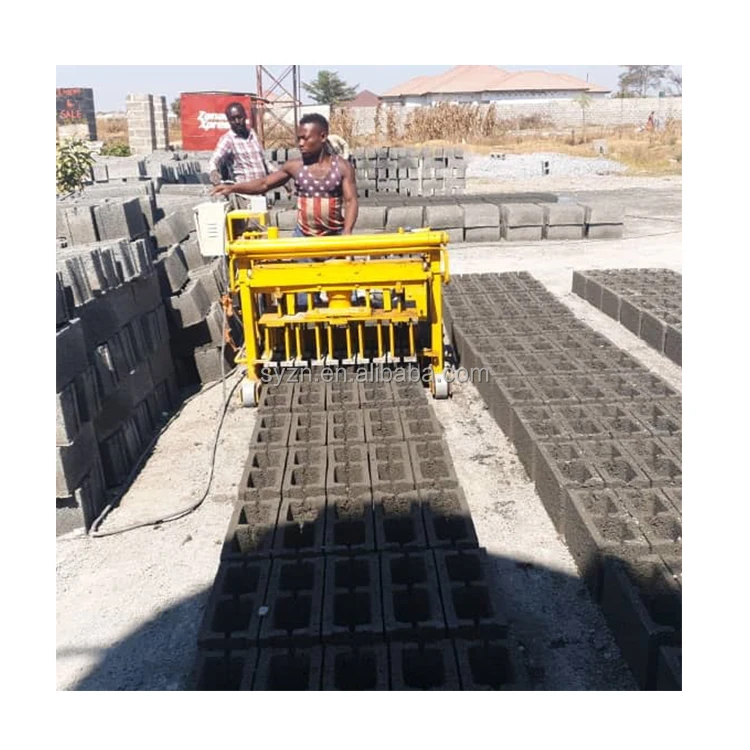
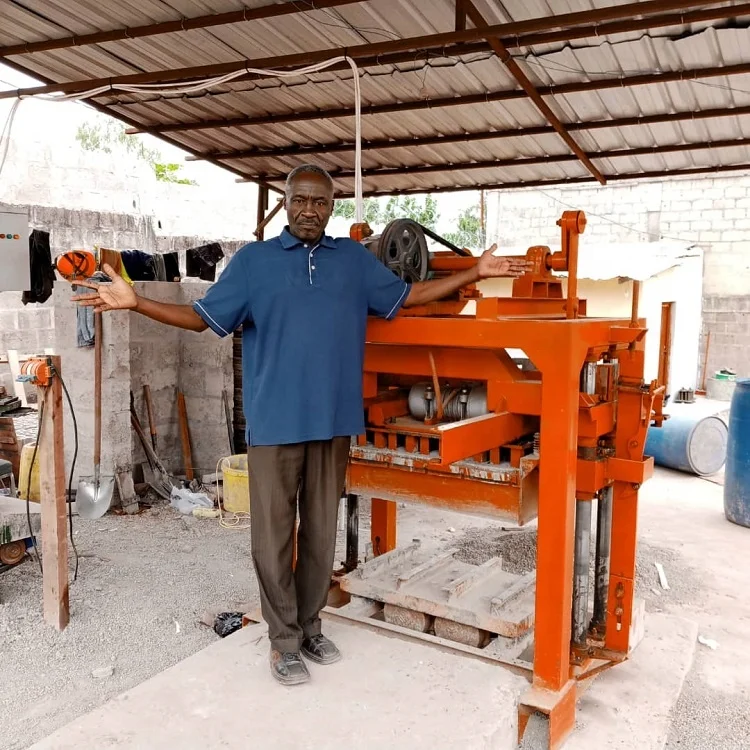 High quality block machine