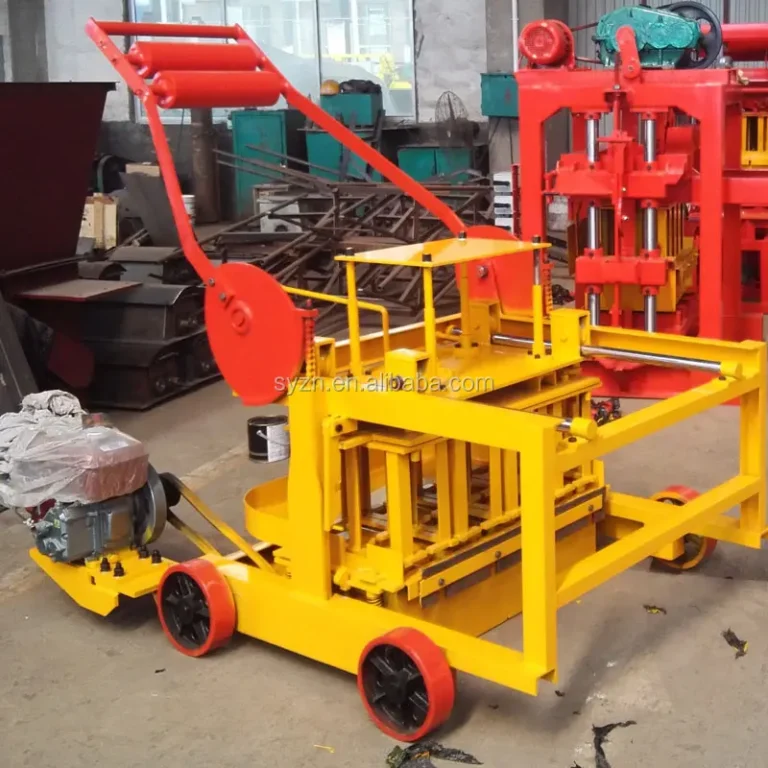
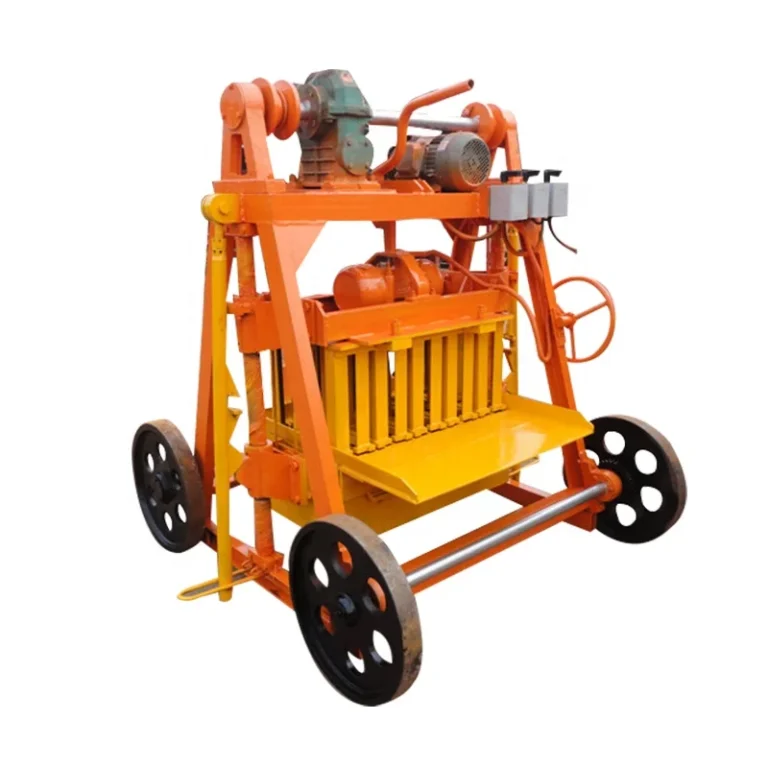
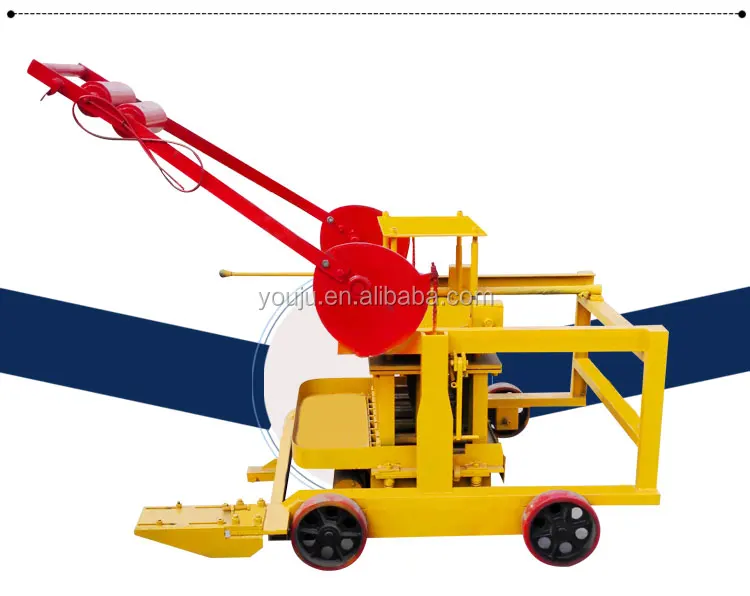
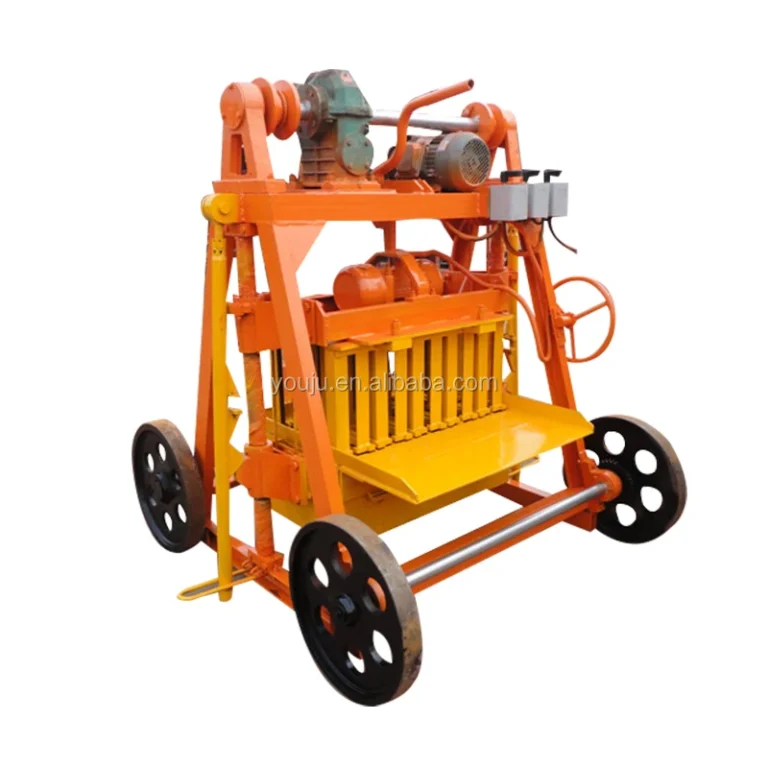
Matched System Supply — the QMY18-15 mobile block machine, moulds, and ground-curing layout are specified together so buyers see the real site footprint before ordering.
Technical Specifications
| Parameter |
Value |
| Model |
QMY18-15 |
| Product Type |
Egg Laying Mobile Concrete Block Making Machine |
| Working Method |
Hydraulic pressure |
| Rated Power |
24 kW |
| Control System |
PLC |
| Output Capacity |
Approx. 3,400 pcs/shift for 400×200×200mm hollow blocks (basis to be confirmed for smaller formats) |
| Pallet Requirement |
None — egg-laying type, blocks produced directly on ground |
| Voltage & Frequency |
Customized to local industrial voltage (basis to be confirmed) |
| Automation Level |
Semi-automatic with PLC assistance |
| Mould Format |
Customizable per buyer requirement (basis to be confirmed) |
Application Suitability
| Application |
Material or Output |
| On-site block production for construction contractors |
Hollow blocks from local crushed stone, sand, and cement |
| First-time block plant entrepreneurs |
Entry-level mechanized output without a fixed plant setup |
| Small-scale block producers upgrading from hand-moulding |
Solid and hollow blocks using locally sourced aggregate |
| Project contractors producing at the job site |
Hollow blocks laid directly on leveled ground |
What "3,400 Pieces per Shift" Actually Means for Your Site
Capacity is only real when tied to the exact block format you sell.
A headline number looks solid on paper until you switch from 400×200×200mm hollow blocks to a smaller solid format, and the cycle time shifts. I have seen buyers plan their entire project timeline around a single output figure, only to discover on-site that their target block format runs at a different pace. When sizing a QMY18-15 egg laying mobile block machine, the first question should always be which format the capacity assumes and how that translates to your daily target. [NEED_CITE: block format impact on cycle time and daily output]

Where the QMY18-15 Sits in the Mobile Range
The Shiyue mobile range covers manual egg-layers at the entry point and moves up through semi-automatic and fully automatic stationary lines. The QMY18-15 egg laying mobile block machine occupies the middle ground: hydraulic pressing with PLC control, yet still free of pallets and fixed foundations. This makes it the logical step for buyers who have outgrown hand-moulding or small diesel-driven layers but are not ready to commit to a stationary plant with conveyor and stacking systems.
Understanding the Footprint Before You Commit
A mobile machine removes the curing rack and pallet return system, which shrinks the plant footprint considerably. However, the ground area needed for egg-laying production is directly tied to your daily output and curing time. The QMY18-15 lays blocks in rows on a prepared concrete floor, so the site must be level, swept, and large enough to hold a full shift of output before curing completes. Buyers who overlook this end up with blocks stacked on uneven soil, leading to breakage before they ever reach the customer. [NEED_CITE: site preparation standards for egg-laying block production]
Reading the Specs That Matter on Site
Hydraulic pressure and vibration force work together to compact the concrete mix into a dense, consistent block. On the QMY18-15, the hydraulic working method ensures that each block receives the same pressing force cycle after cycle, which matters when local aggregate varies in moisture or particle size. The 24 kW rated power covers both the hydraulic pump and the vibration motor, so buyers need to confirm their site supply can sustain that load continuously. PLC control simplifies the operator’s role by managing cycle timing, but the display language and voltage must match the site before the machine arrives. Mould customization means the buyer selects the block format their market demands, but each format change requires confirming the new cycle time and output calculation.
The Cost of Skipping the Format Conversation
When a buyer orders without confirming block format, mould drawing, and cycle time together, the machine arrives configured for a product the local market does not buy. The mould swap then takes longer than expected because the matching tooling was never specified. In other cases, the vibration force is set for a dense aggregate mix, but the buyer’s local sand is finer and lighter, producing blocks that crumble at the edges. These mismatches are not machine defects; they are configuration gaps that surface only after the first production run. [NEED_CITE: aggregate and mix design mismatch in block production]
Why Source This Machine Through Shiyue
Block machinery is our single focus, so the QMY18-15 is never quoted as a standalone press — the mould, ground-curing layout, and operator workflow are specified as one system. We configure each machine against the buyer’s actual mix design and local aggregate rather than a catalogue default. Mould design covers the formats the buyer’s market sells, including custom drawings when standard formats do not match. Automation level is selectable, so a buyer can start with semi-automatic PLC operation and plan an upgrade path later. Installation support includes on-site commissioning and operator training so the first shift runs with confidence.
Documentation & Verification
- Line layout showing ground area required for one shift of QMY18-15 output
- Capacity calculation sheet stating block format assumed for the 3,400 pcs/shift figure
- Mould drawing and format list matched to buyer’s market demand
- Voltage, frequency, and PLC display language confirmation before production
- Factory test record on buyer’s specified block format before dispatch
Installation, Commissioning & Support
- Leveled concrete floor required; machine travels on its own wheels across the production area
- 24 kW power supply with dedicated circuit; confirm voltage and frequency before wiring
- Machine arrives assembled; mould mounted and tested at factory before crating
- PLC parameters set to buyer’s block format during on-site commissioning
- Operator training covers mould change procedure, cycle adjustment, and daily maintenance checkpoints
- Wear parts list and mould inventory provided at handover for first replacement cycle
What We Need to Size Your Machine Correctly
To build a configuration proposal, share your target block format and dimensions, the daily output you need to hit, and the type of aggregate available locally. Let us know your site voltage and frequency, and whether the PLC display needs to run in a specific language. If you have an existing concrete mixer or batching setup, tell us the model so we can confirm feed compatibility.
Frequently Asked Questions
Q: Where does the QMY18-15 fit compared to stationary block lines?
A: The QMY18-15 sits in the mobile tier, producing blocks directly on the ground without pallets or a fixed conveyor system. Stationary lines add pallet feeding, automatic stacking, and curing racks for higher volume. Buyers choose mobile when the site is temporary or the investment in a fixed plant is not yet justified.
Q: How do I check real output for my block format?
A: Request a capacity calculation sheet that states the block format, cycle time, and pieces per shift for your specific product. The headline figure of 3,400 pcs/shift assumes 400×200×200mm hollow blocks. Smaller or denser formats change the cycle time, and the sheet should reflect that before you commit.
Q: What site footprint does an egg-laying machine require?
A: The QMY18-15 needs a flat, swept concrete floor large enough to hold one full shift of blocks in rows while they cure. The area scales with your daily target and local climate — hotter conditions may shorten curing time but demand more water management. Plan the layout before the machine arrives.
Q: Can I upgrade to a stationary line later?
A: Yes. The PLC control and hydraulic platform on the QMY18-15 share common logic with higher-tier stationary lines. When volume grows, buyers can move to a semi-automatic or automatic stationary setup while carrying over their understanding of mould formats and mix design from the mobile stage.

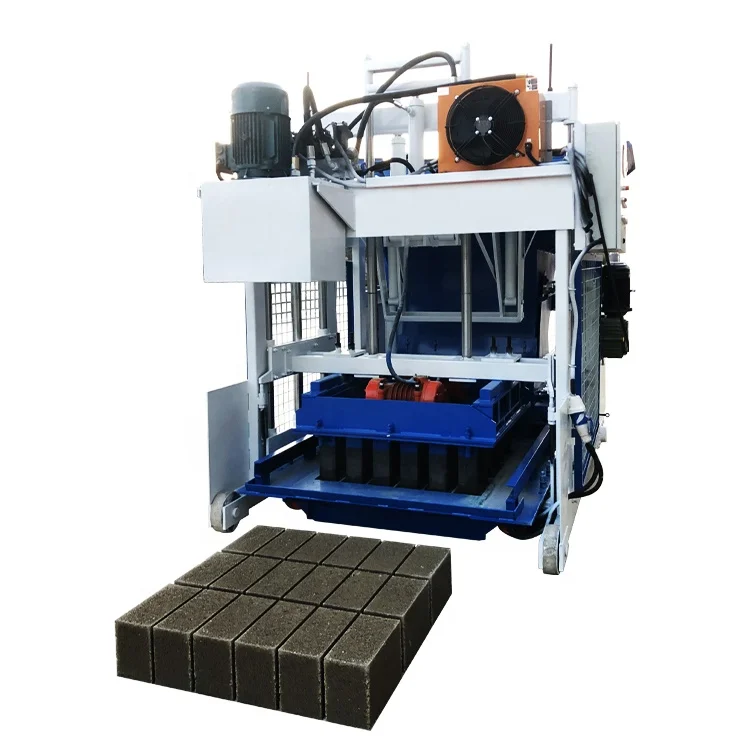
 Mobile block machine