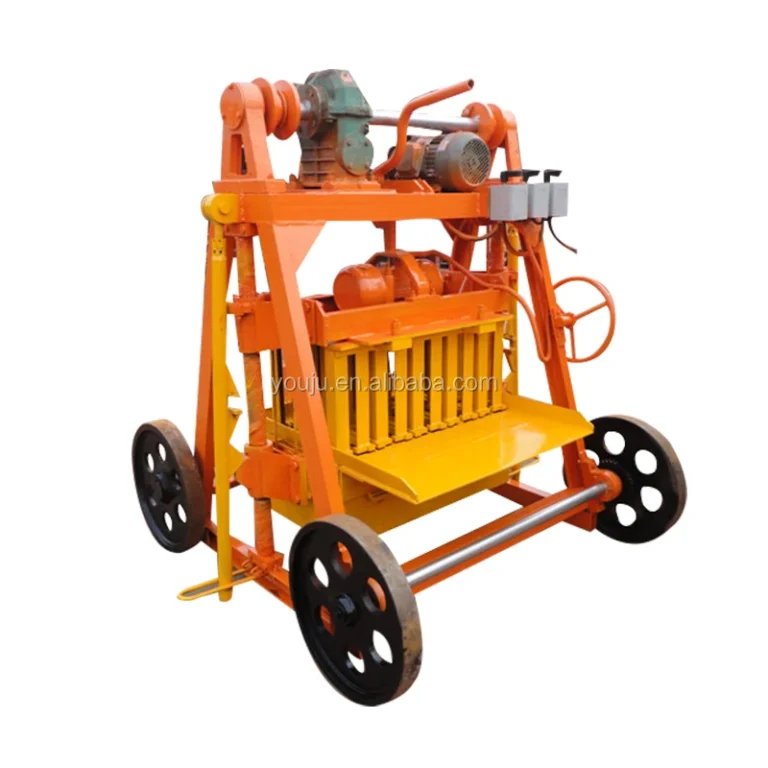
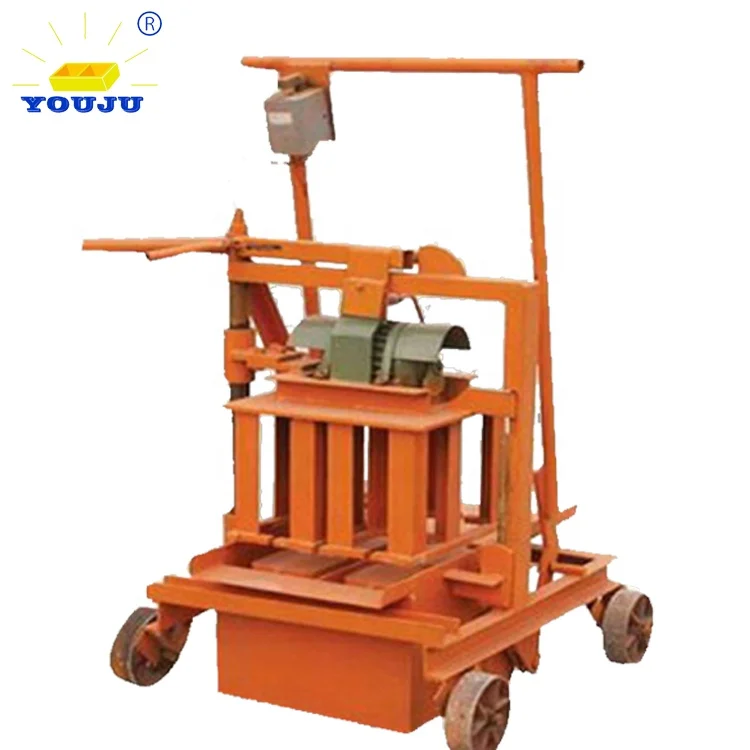
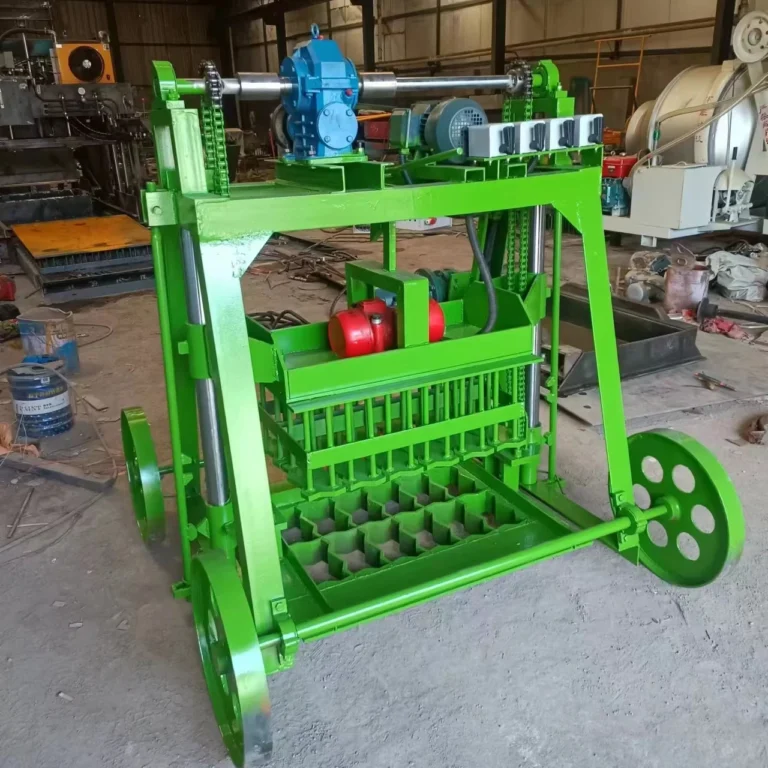
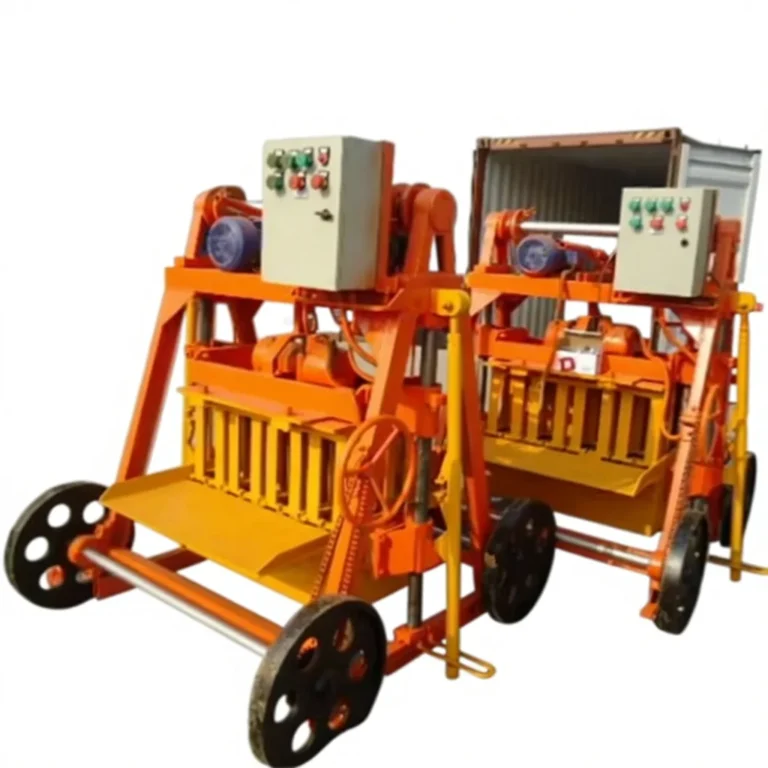
Single-Focus Machinery Design — every QMY10-15 component from mixer to mould is specified as one matched system rather than sourced separately, keeping mobile production predictable on real job sites.
Technical Specifications
| Parameter |
Value |
| Model |
QMY10-15 |
| Product Type |
Mobile Concrete Block Making Machine |
| Molding Capacity |
10 pcs/mold |
| Molding Cycle |
10s–15s (basis not stated in source — confirm block format / material / thickness) |
| Output Capacity |
11,000 pcs/day over 8 hours (basis not stated in source — confirm block format) |
| Total Power |
16 kW |
| Vibration System |
Dual vibration motors |
| Hydraulic System |
Upper and lower demoulding with heat dissipator |
| Movement |
Electric walking, hydraulic steering |
| Pallet Requirement |
None (egg-laying type) |
| Automation Level |
Semi-automatic (hydraulic demoulding, electric walking) |
| Basic Equipment Included |
QMY10-15 host machine, JS7500 concrete mixer, dump truck |
| Optional Equipment |
PL1200 batching machine, cement silo, screw conveyor, loader |
| Voltage & Frequency |
Not stated in source — confirm before ordering |
| Control System |
Not stated in source — confirm PLC / relay / manual |
Application Suitability
| Application |
Material or Output |
| On-site hollow block production at housing projects |
Crushed stone, river sand, cement mixes laid directly on ground |
| Solid block manufacturing for remote construction sites |
Local aggregate with cement binder, no curing racks needed |
| First-stage block plant for entrepreneurs |
Low-capital entry producing multiple formats via mould change |
| Temporary production for infrastructure contractors |
Paving blocks and kerbstones on project-specific locations |
What "11,000 Blocks per Day" Actually Means for a Movable Concrete Block Making Machine
Capacity figures without a stated block format are not comparable across suppliers.
When I first started quoting mobile machines to contractors in West Africa, the daily output number was the first thing they asked about and the first thing that caused disputes on site. A mobile block machine for sale listed at 11,000 pieces per day might reach that number on a small solid paver, but produce far fewer hollow blocks per cycle because each mould cavity is larger and the cycle runs longer. Without knowing which format the figure assumes, a contractor cannot plan labour, raw material delivery, or curing space [NEED_CITE: block format assumptions in capacity quotations]. The QMY10-15 moulds 10 pieces per cycle, but the actual daily tally depends entirely on the block dimensions, the mix workability, and how fast the operator repositions the machine between lays.

Where the QMY10-15 Sits in the Mobile and Egg-Laying Tier
This machine occupies the entry tier of the Shiyue range for buyers who need production without building a fixed plant. The egg-laying design means blocks are deposited directly onto the ground as the machine walks forward, eliminating the need for pallets, pallet-return conveyors, and curing-rack handling equipment. That simplicity is exactly what a first-time block producer or a contractor working on a remote housing project needs — fewer moving parts, lower capital outlay, and a smaller crew to operate. The movable concrete block making machine is positioned before semi-automatic stationary lines in the range, so buyers expecting higher throughput or full automation should compare it against those tiers before committing.
How the Line Fits Together Around the Press
The host machine does not work alone. The JS7500 concrete mixer feeds the mix, and the optional PL1200 batching machine, cement silo, and screw conveyor form the upstream supply chain that keeps the press from waiting between cycles. If the mixer cannot keep up with the QMY10-15 cycle time, the machine stands idle and the quoted daily output becomes theoretical. Matching the mixer output rate to the press consumption rate is the first layout decision a buyer must make, and it changes depending on whether the operator runs one shift or two [NEED_CITE: mixer-to-press throughput matching in mobile block lines].
Reading the Specs That Matter on Site
The dual vibration motor system determines block density and surface finish; insufficient vibration on a stiff mix leaves weak cores, while excessive vibration on a wet mix causes slumping before the block sets. The hydraulic system controls both upper and lower demoulding, and the heat dissipator keeps oil temperature within range during continuous operation in hot climates — a detail that matters when ambient temperature pushes hydraulic fluid toward its viscosity limit. Electric walking and hydraulic steering allow one operator to reposition the machine between rows without external towing, which affects how many linear metres of production are achievable in a shift. Mould interchangeability lets the same QMY10-15 produce hollow blocks, solid blocks, and other formats, but the time required for a mould change on site determines whether format switching is practical within a single working day or requires dedicated downtime.
The Cost of Skipping Configuration Details Before Shipment
I once watched a mobile egg-laying machine arrive at a site in Southeast Asia with a control panel labelled entirely in a language the local crew could not read, and the voltage tapped for a frequency that did not match the local grid. Commissioning stalled for days while the panel was reprogrammed and a transformer was sourced locally [NEED_CITE: voltage and frequency mismatch consequences on exported machinery]. When a buyer does not confirm the block format, local aggregate characteristics, and electrical supply before the machine enters production, the machine may run but the blocks it lays will not meet the strength the project engineer specified. That gap between "the machine runs" and "the blocks pass inspection" is where project timelines slip and rework costs accumulate.
Why Buyers Source This Tier Through Shiyue
Shiyue focuses exclusively on block machinery, which means the QMY10-15 host, its moulds, the JS7500 mixer, and the optional batching and silo equipment are specified together as one line rather than assembled from unrelated suppliers. The configuration is set against the buyer’s actual mix design and target block format, not pulled from a catalogue default. Mould design covers the formats the buyer’s local market actually sells, including custom drawings when standard cavity shapes do not match regional demand. The automation level is selectable, so a buyer can start with this semi-automatic mobile tier and move to a stationary line later without replacing the entire support infrastructure. Installation support and operator training accompany the machine to site, which matters when the crew has never run an egg-laying press before.
Documentation & Verification
- Capacity calculation sheet stating which block format the daily output assumes
- Machine specification with confirmed voltage, frequency, and total power draw
- Mould drawing and format list showing achievable block dimensions and cavity count
- Hydraulic and electrical schematic for local maintenance reference
- Factory test record on the buyer’s specified block format before dispatch
Installation, Commissioning & Support
- Level ground preparation with adequate space for electric walking paths and curing rows
- Electrical supply matching confirmed voltage and frequency for the 16 kW total power requirement
- JS7500 mixer positioned to feed the QMY10-15 hopper without manual carrying distance
- First-run parameter setting for vibration duration and hydraulic demoulding pressure on local mix
- Operator training covering mould change procedure and daily hydraulic oil level checks
- Wear parts list identifying mould liners and vibration motor bearings for first reorder
Before You Request a Quote
Tell us the exact block format you intend to produce, including dimensions and whether it is hollow, solid, or interlocking. Share your local aggregate type — river sand, crushed stone, or laterite — and any sample test results you have. Confirm your site electrical supply voltage and frequency, the language your operators need on the control display, and whether you already have a mixer and loader or need the full basic equipment package.
Frequently Asked Questions
Q: How is the daily output figure for the QMY10-15 calculated?
A: The 11,000 pieces per day over 8 hours is calculated based on a specific block format and mould cycle time, but the source does not state which format was assumed. Buyers should request a capacity calculation that names the exact block dimensions, mix type, and cycle duration used, so the figure can be compared against their own target product.
Q: Where does this mobile tier fit compared to stationary machines in the range?
A: The QMY10-15 is an egg-laying mobile machine designed for on-site production without fixed plant infrastructure, sitting at the entry investment level. Semi-automatic and fully automatic stationary lines in the Shiyue range offer higher throughput and pallet-based curing but require a prepared factory floor, pallet inventory, and greater capital outlay.
Q: What electrical and control details must be confirmed before production?
A: Voltage, frequency, and control system type — PLC, relay, or manual — are not preset defaults and must be confirmed against the buyer’s local grid and operator language requirements before the machine enters production. Skipping this step risks commissioning delays and incompatible electrical connections on arrival.
Q: Which block formats can the QMY10-15 produce with mould changes?
A: The machine supports interchangeable moulds for multiple brick formats including hollow and solid blocks. The specific formats achievable, along with mould change time on site, depend on the mould set supplied and should be confirmed through the mould drawing and format list provided with the quotation.
Q: Is the supporting equipment included in the basic package?
A: The basic equipment includes the QMY10-15 host machine, a JS7500 concrete mixer, and a dump truck. Batching machine, cement silo, screw conveyor, and loader are optional additions. Buyers should confirm which items they already have on site and which need to be included to avoid gaps in the production line.

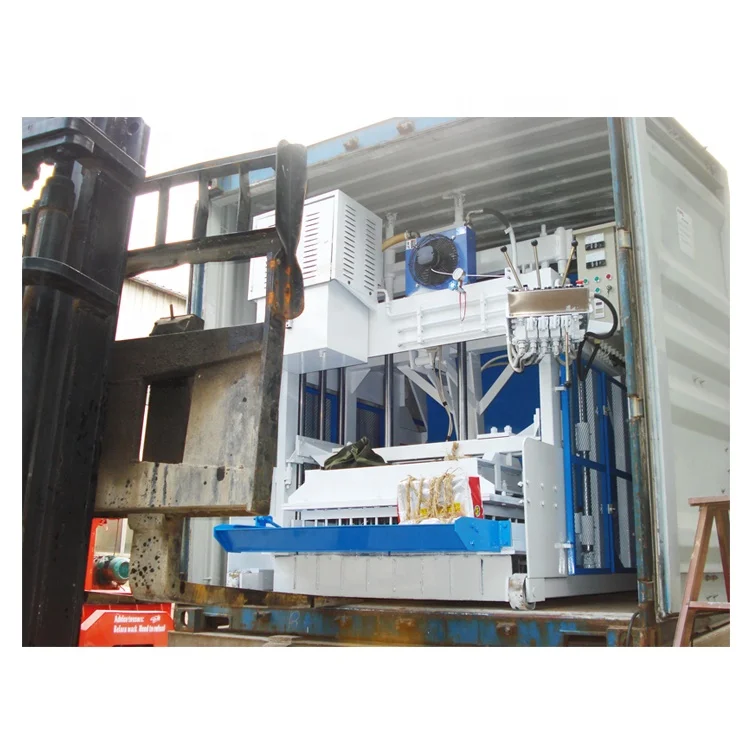
 Mobile block machine