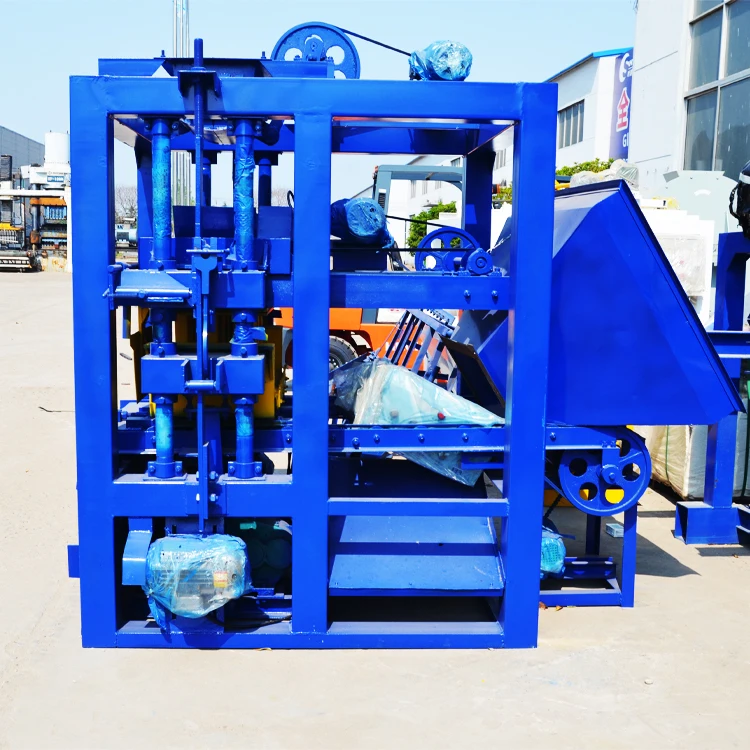
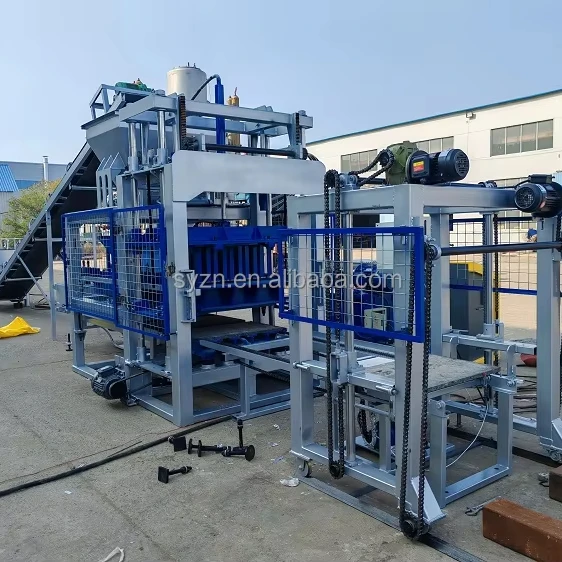
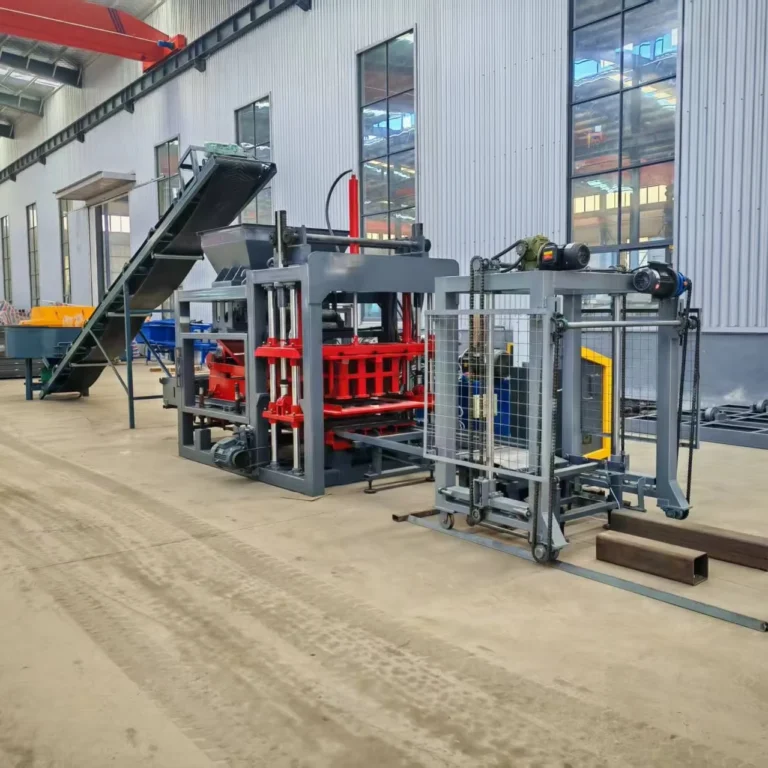
Single-Machine Focus — Every M7MI unit ships as a matched system of press, mould and diesel powerplant, so capacity figures reflect the actual interlocking format you intend to run.
Technical Specifications
| Parameter |
Value |
| Model |
M7MI |
| Product Type |
Hydraulic Clay Interlocking Block Making Machine |
| Engine |
Diesel Engine |
| Hydraulic Pressure |
16 MPa |
| Overall Dimensions (L×W×H) |
3200×1100×1500 mm |
| Net Weight |
1100 kg |
| Molding Cycle |
15–20 s |
| Cycle Time |
20 s (based on 300×150×100 mm interlocking block, 1 pc/mould) |
| Capacity per Hour |
200 pcs (based on 300×150×100 mm interlocking block) |
| Capacity per 8-Hour Shift |
1600 pcs (based on 300×150×100 mm interlocking block) |
| Output Capacity |
2200 pcs/day (8 hours) (basis not stated in source) |
| Mould Format |
Interlocking block (multiple mould options available) |
| Raw Materials |
Clay, soil, concrete |
| Power Source |
Diesel |
| Automation Level |
Semi-automatic / mobile |
Application Suitability
| Application |
Material or Output |
| Rural housing projects |
Clay or soil interlocking blocks produced on-site |
| Remote construction camps |
Diesel-powered block making where grid electricity is absent |
| Small-scale block yards |
Interlocking pavers and wall blocks from locally sourced soil |
| Farm and estate boundary walls |
Concrete or clay interlocking blocks in single-format runs |
| Disaster-relief rebuilding |
Rapid deployment block production using available soil |
What "2,200 Blocks per Day" Actually Assumes
The headline output figure only holds when the block format, material moisture and cycle time all align with the test condition — and buyers rarely see that stated in writing.
Capacity claims on mobile clay machines are often quoted as a single daily number with no mention of which block profile was running or what soil mix was used. When the M7MI arrives on a site with sandy soil or a larger interlocking format, the actual output drops and the contractor is left explaining the shortfall. That gap between brochure promise and site reality is the single most common dispute I see on this machine class [NEED_CITE: common capacity disputes in mobile block machine procurement].

Where the M7MI Sits in the Block Machine Range
The M7MI occupies the mobile entry tier, aimed at buyers who need interlocking block production without building a fixed plant. It is the starting point in our block machinery range, positioned below semi-automatic static lines and fully automatic plants with pallet feeders and stackers. For a first-time block entrepreneur or a contractor working a single remote project, this tier keeps capital outlay low while still delivering hydraulic pressing at 16 MPa.
Diesel Power and the Off-Grid Constraint
Many project sites in sub-Saharan Africa, Southeast Asia and parts of South America simply do not have three-phase electricity available. The M7MI is built around a diesel engine, removing the grid dependency that delays commissioning on electric machines. The trade-off is higher per-block fuel cost and engine maintenance, but for a contractor producing blocks directly on a housing development site, the ability to start work the day the machine arrives usually outweighs running cost [NEED_CITE: diesel versus electric block machine operating cost in remote sites].
Reading the Pressure and Cycle Specs
The 16 MPa hydraulic pressure is what determines block density and compressive strength. On clay-based mixes, pressure alone is not enough — the soil must be at the right moisture content so that particles bond under compression rather than crack. The 15–20 second molding cycle gives the operator time to feed the hopper, close the lid and let the hydraulic ram complete its stroke. Shorter cycles are possible with free-flowing concrete, but with sticky clay the full 20 seconds prevents half-formed blocks. Pallet size is not stated in the current spec sheet, which matters because the curing area and any forklift you already own must match the pallet footprint.
The Cost of Skipping the Soil Sample
I once watched a contractor in West Africa run sandy laterite through a mobile clay press without adjusting the moisture or adding a small cement percentage. The blocks crumbled on ejection and the entire first week of production was scrap. When the hydraulic pressure and mould geometry are not matched to the actual soil on site, no amount of machine adjustment compensates [NEED_CITE: soil testing requirements for interlocking block production]. Sending a soil sample before the machine ships lets us recommend a mix ratio and, if needed, adjust the mould clearance so that the first blocks off the press are saleable.
Why Buyers Source This Tier from Us
Our single-product focus on block machinery means the M7MI is not assembled from a catalogue of unrelated components. The diesel engine, hydraulic ram and mould are specified together so that pressure and cycle time suit the chosen interlocking profile. We offer multiple mould options on the same machine platform, letting a buyer produce a wall block and a paving block without purchasing a second press. Configuration is set against your actual mix and target format, not a default brochure setting. Factory testing runs your specific mould before dispatch so the machine is not a mystery when it arrives.
Documentation & Verification
- Line layout showing M7MI placement and material feed path
- Capacity calculation stating 300×150×100 mm interlocking block as the basis
- Mould drawing and profile list for every interlocking option selected
- Hydraulic pressure test record at 16 MPa before dispatch
- Factory test video running the buyer’s chosen mould format
Installation, Commissioning & Support
- Diesel engine oil and filter check before first start on the 3200×1100 mm footprint
- Hydraulic ram bled and pressure verified at 16 MPa during on-site commissioning
- Mould change demonstrated with the selected interlocking profiles
- Operator trained on 15–20 second cycle pacing for clay versus concrete feeds
- Wear parts list covering hydraulic seals and mould liner replacements
What to Send with Your Inquiry
Tell us the interlocking block profile your local market sells and the daily volume you need. Share a soil or clay sample so we can confirm the mix before the mould is built. Let us know whether the site has any electricity at all, because some buyers later add a small generator for lighting and a concrete mixer.
Frequently Asked Questions
Q: How is the 1,600 blocks per shift figure verified and which format does it assume?
A: The 1,600-piece shift capacity is calculated on a 300×150×100 mm interlocking block running at a 20-second cycle, one piece per mould, over an eight-hour shift with normal stops for feeding and pallet movement. If your target block is larger or uses a slower-curing mix, the actual count will be lower, and we state the revised figure in the proposal.
Q: Can I switch from diesel to electric power later if grid access becomes available?
A: The M7MI platform is built around the diesel engine and hydraulic pump as an integrated unit. Converting to electric drive would require replacing the power source and pump coupling, which is not a standard field upgrade. If you anticipate grid power arriving within a year, we recommend starting with an electric static model instead.
Q: Which interlocking mould profiles fit the M7MI, and how long does a change take?
A: Multiple interlocking profiles are available, including standard wall block and paver formats. The mould is bolted to the press table and can be swapped with hand tools. Exact change-over time depends on the profile, and we confirm the figure during factory testing for your chosen set.
Q: What automation upgrades exist if production outgrows this mobile tier?
A: The next step is a semi-automatic static line with a pallet feeder and mixer, followed by a fully automatic plant with stacking and cubing. The M7MI itself does not accept pallet feeders, so upgrading means moving to a different machine in the range rather than adding modules.
Q: What spare parts ship with the machine, and how are replacements supplied?
A: Each M7MI ships with a wear parts kit covering hydraulic seals and common mould liner items. Replacement moulds and hydraulic components are held in stock and dispatched by courier. We include a full parts list with part numbers in the documentation pack so reordering is straightforward.

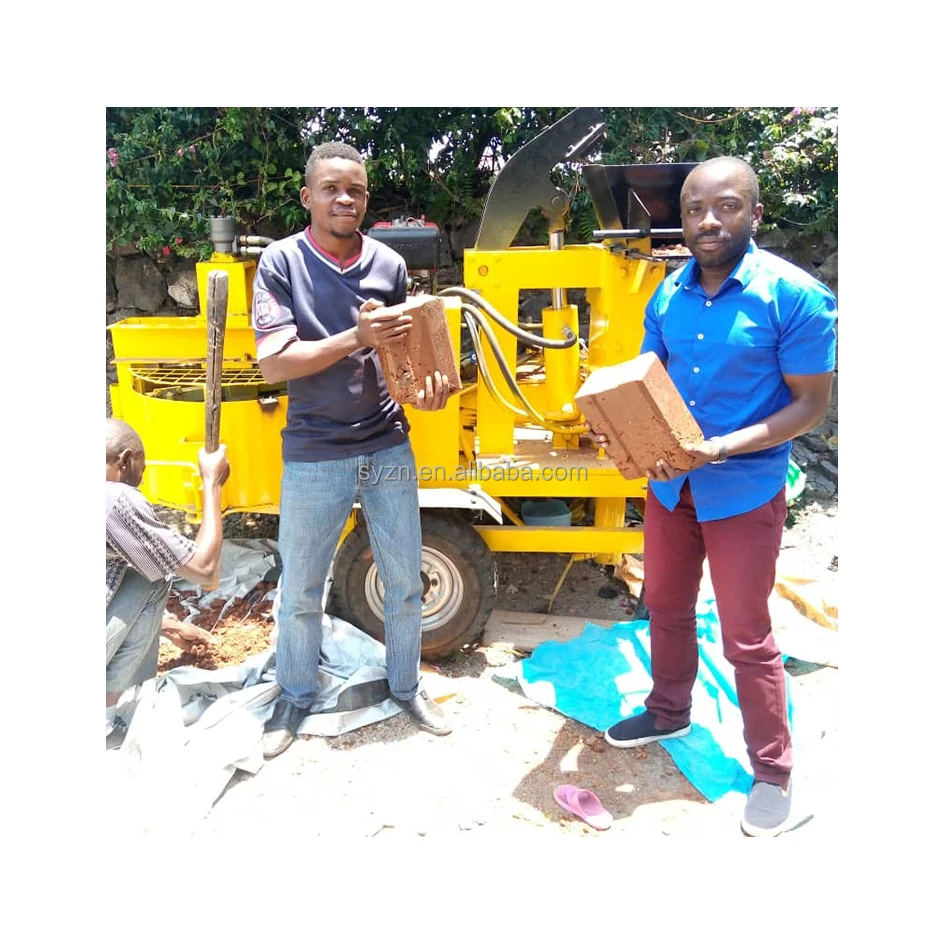
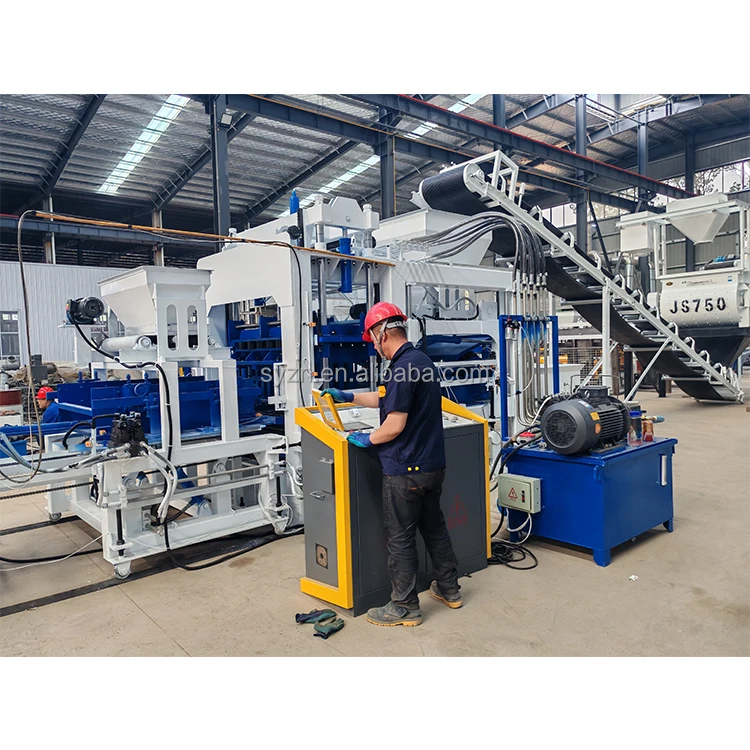 High quality block machine