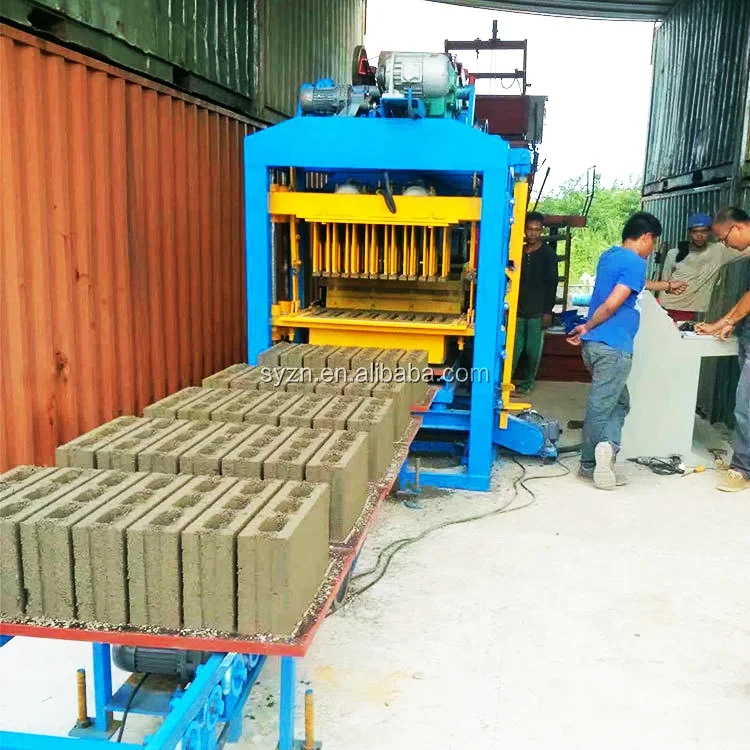
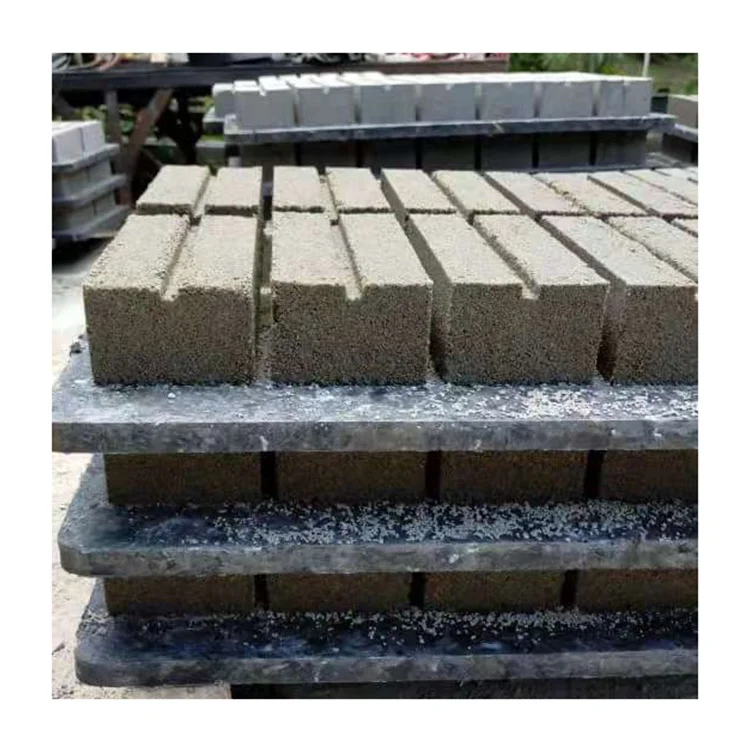
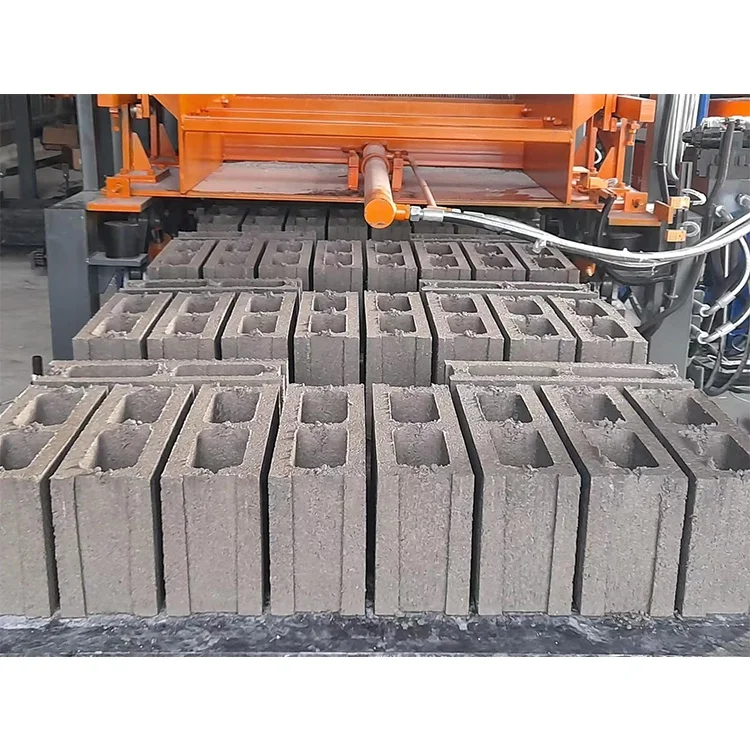
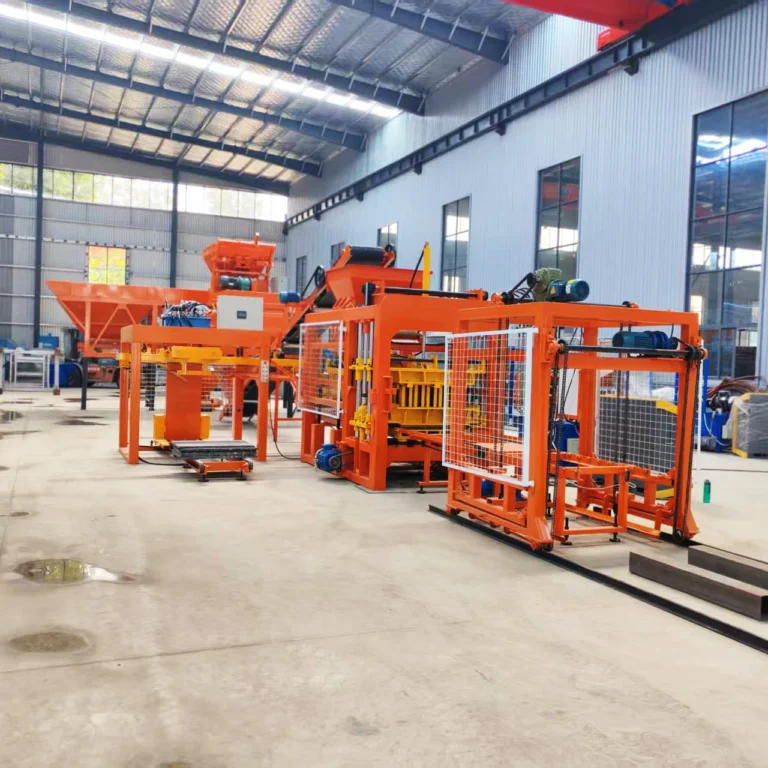
Single-focus machinery scope — the QT4-18 semi-automatic block machine is specified together with its mould, pallet and handling equipment as one matched system rather than assembled from separate suppliers.
Technical Specifications
| Parameter |
Value |
| Model |
QT4-18 |
| Product Type |
Semi-Automatic Concrete Block Making Machine |
| Overall Dimensions (L×W×H) |
3900×1600×2300 mm |
| Molding Cycle |
15-25 s |
| Vibration Force |
40-50 kN |
| Rated Power |
24 kW |
| Mixer Model |
JQ350 |
| Pallet Size |
850×550×25 mm |
| Total Weight |
3 T |
| Applied Products |
paver, solid block, hollow block, curbstone |
| Raw Materials |
crushed stones, sand, cement, dust, fly ash |
| Output Capacity (Hollow block 400×200×200 mm) |
1200-1680 pcs/hr, 9600-13440 pcs/8hr |
| Output Capacity (Hollow block 400×150×200 mm) |
1800-2400 pcs/hr, 14400-19200 pcs/8hr |
| Output Capacity (Solid brick 240×115×53 mm) |
3240 pcs/hr, 16200-19440 pcs/8hr |
| Automation Level |
Semi-automatic |
| Hydraulic Station |
Equipped (high pressure, stable operation) |
| Vibration Type |
Bed mould vertical vibration + upper mould compression vibration |
| Mould Change |
Supported (paver, solid, hollow, curbstone by changing mould) |
Application Suitability
| Application |
Material or Output |
| First block plant for entrepreneurs |
Hollow block 400×200×200 mm from crushed stones and cement |
| On-site production for construction contractors |
Solid brick 240×115×53 mm from sand and fly ash |
| Format expansion for building material distributors |
Paver and curbstone from local aggregate and dust |
| Moderate daily output requirements |
Hollow block 400×150×200 mm using standard mix designs |
What "1200 Pieces per Hour" Leaves Out
Real daily output depends on which block format the capacity figure assumes.
Many block machine manufacturers quote cycles per hour without stating the product size, so the concrete block making machine for sale looks productive on paper but disappoints on the plant floor. A buyer expecting 1200 pieces hourly might actually produce half that volume if their market requires larger formats or denser mixes. I have seen project deadlines slip because the capacity calculation ignored the buyer’s specific block type and local aggregate characteristics [NEED_CITE: capacity calculation standards for block production].

Matching Machine Tier to Investment Level
The QT4-18 sits in the semi-automatic tier of the block machine manufacturer range, positioned between mobile egg-laying units and fully automatic high-capacity lines. This tier suits entrepreneurs establishing a first block plant with limited capital and construction contractors who need on-site production without building a complete fixed facility. The semi-automatic configuration handles pallet feeding and stacking manually while the press cycle runs automatically, keeping the initial investment moderate while leaving room to upgrade automation later as production volume grows.
Understanding the Complete Line Configuration
A block production line involves more than the press itself — raw material feeding, mixing, pallet circulation, and cured product handling must all connect with matched cycle times so the press is never left waiting. The JQ350 mixer feeds material at a rate that keeps pace with the 15-25 second molding cycle, while the 850×550 mm pallet size determines how many blocks cure simultaneously in the available yard space. When buyers evaluate a concrete block making machine for sale, they should verify that pallet handling equipment and stacking systems are included in the quotation, not treated as optional extras [NEED_CITE: complete block line integration requirements].
Why Hydraulic Pressure and Vibration Must Work Together
The 40-50 kN vibration force combines bed mould vertical vibration with upper mould compression vibration to compact material uniformly throughout the mould cavity. Hydraulic pressure holds the mould halves together during this intense vibration, preventing material leakage and ensuring consistent block density from top to bottom. Without adequate hydraulic force, high vibration simply shakes material apart rather than compacting it, resulting in weak blocks that crumble during handling. The interplay between these two forces determines whether your hollow blocks can survive transport to the construction site without cracking.
The Hidden Cost of Wrong Configuration Choices
Choosing pallet size without considering your existing curing area and forklift capacity creates daily handling inefficiencies that compound over years of operation. Specifying a machine configured for aggregate you cannot source locally forces expensive material substitution or produces inconsistent block strength. Selecting automation level based on catalogue defaults rather than actual labour availability and production volume leads to either underutilized equipment or bottlenecked output [NEED_CITE: common configuration mistakes in block plant setup].
Why Source From This Range
Block machinery is the single focus here, so machine, mould, pallet and handling equipment are specified as one coordinated system rather than assembled from separate suppliers who shift responsibility when problems arise. Configuration is set against your actual mix design and local aggregate, not a catalogue default that assumes ideal conditions. Mould design covers the formats your market actually sells, including custom drawings when standard options do not match local demand. The automation level is selectable, allowing you to start semi-automatic with the QT4-18 and upgrade to higher automation tiers as your business grows. Installation support includes operator training on your specific mould formats and maintenance procedures.
Documentation & Verification
- Line layout showing material flow from mixer through press to curing area
- Capacity calculation stating block format assumed for each output figure
- Mould drawing and format list for every block type your market requires
- Hydraulic and electrical schematic with voltage and frequency confirmation
- Factory test record on your specific aggregate and mix design before dispatch
Installation, Commissioning & Support
- Foundation requirements based on 3 T total weight and vibration isolation needs
- Dedicated 24 kW power circuit with voltage and frequency matched to local grid standards
- Dismantled shipment configuration with reassembly procedures at your site
- First commissioning with parameter setting for your specific mould and material mix
- Operator training on mould change procedures and daily maintenance intervals
- Wear parts list covering hydraulic seals, vibration motor bearings, and mould liners
Before You Request a Quotation
Provide the specific block formats your market sells with dimensions and daily volume requirements so the capacity calculation reflects your actual production needs. Share details about your local aggregate sources and any existing material test results so the machine can be configured to your mix design rather than a generic default. Specify your available plant footprint, curing yard dimensions, and existing forklift capacity to ensure pallet size and handling equipment integrate with your current setup [NEED_CITE: site preparation requirements for block plants].
Frequently Asked Questions
Q: How is daily output calculated for different block formats?
A: Output figures are stated per specific block dimension — for example, 1200-1680 pieces per hour applies to 400×200×200 mm hollow blocks, while 400×150×200 mm blocks achieve 1800-2400 pieces hourly. The molding cycle varies between 15-25 seconds depending on mix design and compaction requirements. Real daily output also depends on your material characteristics, operator efficiency, and pallet circulation speed through the curing area.
Q: What automation tier fits a first-time block plant investment?
A: The semi-automatic tier suits first-plant buyers who need moderate daily output without the capital requirement of fully automatic stacking and cubing systems. Manual pallet handling keeps initial costs lower while the press cycle runs automatically. This tier leaves upgrade paths available — you can add automatic pallet feeding and stacking equipment later as production volume justifies the investment.
Q: How is the machine configured to match my local materials?
A: Configuration considers your local aggregate type, particle size distribution, and cement availability rather than assuming standard materials. The vibration force and hydraulic pressure are adjusted to your specific mix design so blocks achieve consistent density and strength. Providing material samples or test data before ordering ensures the QT4-18 is set up for your actual production conditions.
Q: What plant footprint does this semi-automatic tier require?
A: The machine itself occupies 3900×1600 mm floor space, but total plant area must include material storage, mixer placement, pallet circulation path, and curing yard sized for your daily output volume. The 850×550 mm pallet size determines curing rack dimensions and forklift requirements. Semi-automatic configuration requires more yard space for manual pallet handling compared to automatic stacking systems that cube products vertically.

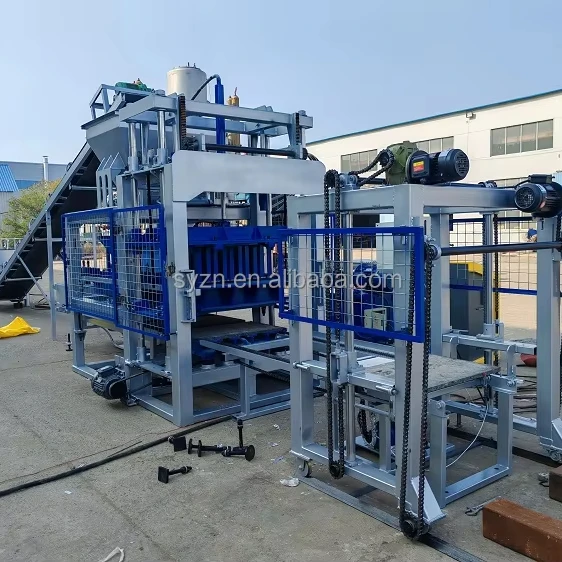
 High quality block machine