

QT4-15 to QT12-15 Auto Block Machine Manufacturer for Sale
Most think more grease is better for guide rails; truly, excess grease attracts concrete dust, forming an abrasive paste that accelerates wear.
Sustaining the ROI of a fully automatic block line in high-traffic small-scale operations requires shifting from reactive repairs to structured preventive maintenance protocols. Operators must implement daily vibration checks, weekly hydraulic oil quality assessments, and monthly structural weld inspections to prevent the costly unplanned downtime that typically plagues QT series machines under double-shift pressures. This approach ensures stable production without requiring specialized engineering support on-site.
The gap between theoretical capacity and actual output often widens not because of machine design flaws, but due to neglected care routines. In my time walking the aisles at bauma in Hanover and ConExpo in Las Vegas, I have seen countless buyers focus entirely on the initial price tag while overlooking the operational reality of their local environment. A machine sold is just metal and hydraulics until it is maintained. The difference between a plant that runs for a decade and one that stalls after six months usually lies in how the team handles the invisible stress points: heat, dust, and aggregate abrasion. Understanding these dynamics is critical for anyone evaluating a fully automatic block machine maintenance strategy before or after purchase.
Why Does My Automatic Block Machine Fail During Peak Production?
High-traffic operations often neglect preventive maintenance due to production pressure, leading to hidden stress points that cause catastrophic failures during peak hours.
When a plant moves from single-shift to double-shift operations, the thermal and mechanical load on the equipment does not just double; it compounds. The most common failure mode I observe in emerging markets is not a broken part, but a system overwhelmed by its own waste heat and contamination. For instance, a plant in West Africa recently faced frequent hydraulic overheating during their second shift. The issue was not a faulty pump, but the accumulation of fine dust on the oil cooler fins, combined with oil that had degraded beyond its useful life due to extended running hours without filtration checks. [NEED_CITE: hydraulic system failure causes related to contamination and temperature]
This scenario is typical for owners of QT4-15 to QT12-15 lines who assume that "automatic" means "self-sustaining." It does not. The PLC may control the cycle, but it cannot clean the radiator or detect the subtle change in oil viscosity that precedes a seal failure. In high-ambient temperatures, the cooling system becomes the bottleneck. If the oil temperature rises beyond safe thresholds, the viscosity drops, leading to internal leakage in valves and cylinders. This results in slower cycling times, which operators often misinterpret as a software glitch rather than a physical degradation of the hydraulic fluid.
Another hidden stress point is the vibration generated by the compaction process. Over thousands of cycles, these micro-vibrations loosen bolts that are critical for structural integrity. A loose mold mounting bolt, for example, can lead to misalignment, causing uneven block density and accelerated wear on the guide rails. Identifying these points requires a shift in mindset from watching the output to listening to the machine. Unusual noises, slight changes in cycle time, or minor leaks are not annoyances; they are early warnings. Ignoring them to meet a daily quota is a false economy that leads to mid-six-figure losses in downtime and repair costs later.
How to Implement a Daily Maintenance Routine for QT Series Machines?
A structured daily checklist focusing on vibration, lubrication, and cleanliness prevents minor issues from escalating into major failures.
Implementing a daily routine does not require an engineer. It requires discipline and a clear, simple protocol that operators can follow without ambiguity. The goal is to catch issues when they are still easy and cheap to fix. For QT series machines, the daily checklist should prioritize three areas: mechanical integrity, lubrication quality, and sensor cleanliness.
First, conduct a visual and tactile inspection of all major bolts and fasteners. Focus on the mold assembly, vibration motor mounts, and the main frame connections. Use a torque wrench periodically to ensure specifications are met, but daily, a simple check for looseness or missing washers is vital. [NEED_CITE: standard maintenance checklist for construction machinery] Second, inspect the lubrication points. As noted earlier, more is not better. Apply grease only until it begins to purge old material, then wipe away the excess. Excess grease acts as a magnet for concrete dust and sand, creating a grinding paste that destroys guide rails and bushings. This is a counter-intuitive point for many technicians who believe that visible grease equals proper care.
Third, clean the PLC sensors and proximity switches. In dusty environments, a layer of concrete powder on a sensor can cause false readings, leading to erratic machine behavior or complete stoppages. A soft brush and compressed air are sufficient for this task. Finally, check the hydraulic oil level and look for any signs of external leaks. A drop in oil level might indicate a developing leak in a hose or cylinder seal. Addressing it immediately prevents air from entering the system, which can cause cavitation and damage the pump.
| Maintenance Point | Action | Frequency | Tool Required |
|---|---|---|---|
| Guide Rails | Clean and apply thin layer of grease | Daily | Grease gun, rag |
| Sensor Faces | Wipe clean of dust and debris | Daily | Soft brush, air blower |
| Bolt Tightness | Visual check for looseness | Daily | Wrench set |
| Hydraulic Oil Level | Check sight glass | Daily | None |
| Mold Surface | Remove concrete residue | Daily | Scraper, wire brush |
This routine takes less than thirty minutes but saves hours of troubleshooting later. It empowers the operator to take ownership of the machine’s health, transforming them from a button-pusher to a first-line defender of production stability. When evaluating a fully automatic block machine maintenance plan, ensure that this daily protocol is documented and trained into every shift change.
What Are the Critical Signs of Hydraulic System Degradation?
Recognizing early warnings like noise, heat, and slow cycling allows operators to avoid catastrophic pump failure and costly unplanned downtime.
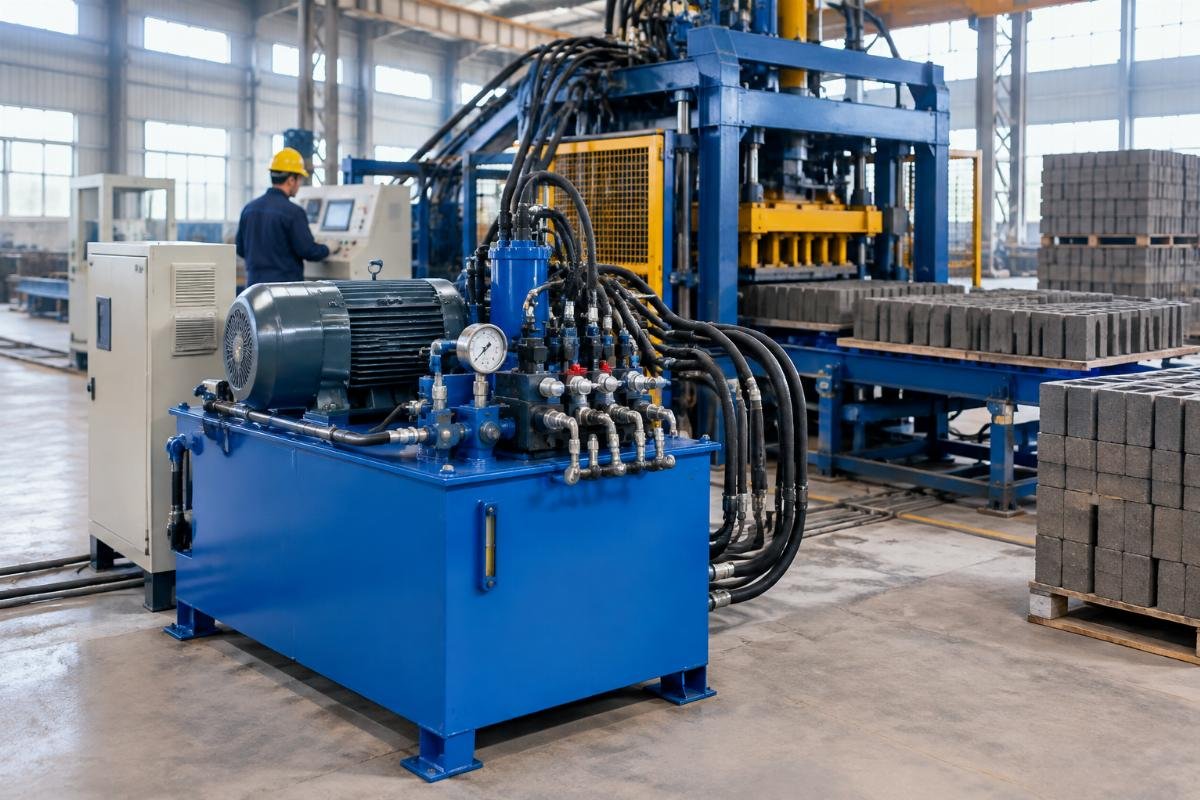
The hydraulic system is the heart of any fully automatic block machine. Its failure is rarely sudden; it is a gradual decline that manifests in specific, observable symptoms. Understanding these signs is crucial for maintaining the longevity of QT4-15 to QT12-15 models. The first sign is often auditory. A healthy hydraulic pump operates with a consistent hum. A whining or groaning noise, especially during high-pressure phases like compaction, indicates cavitation or air ingestion. This is often caused by low oil levels, clogged suction filters, or worn pump internals. [NEED_CITE: hydraulic pump noise diagnosis guidelines]
The second sign is thermal. Hydraulic oil should operate within a specific temperature range. If the oil feels excessively hot to the touch, or if the temperature gauge reads higher than normal, it suggests inefficiency in the system. This could be due to a failing cooler, contaminated oil, or internal leakage within valves. High temperatures accelerate oil oxidation, turning it into sludge that clogs filters and damages seals. In tropical climates, this is a primary concern. Regularly checking the cooler fins for blockage and ensuring the fan is operating correctly is essential.
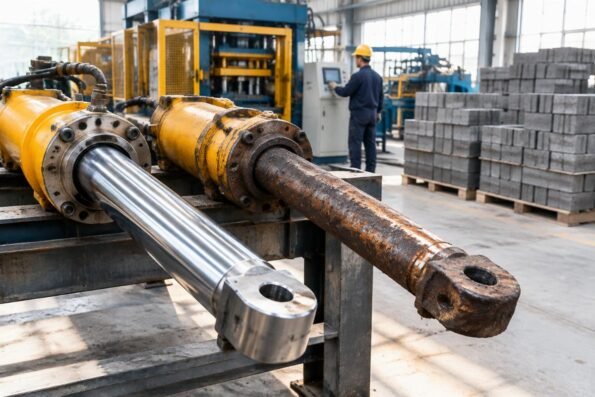
The third sign is performance-based. If the machine begins to cycle slower than usual, or if the mold fails to reach full compaction pressure, it indicates a loss of hydraulic efficiency. This could be due to worn piston seals in the cylinders, allowing oil to bypass internally, or a degrading pump that can no longer maintain required flow rates. Do not ignore these symptoms. Continuing to run the machine under these conditions will lead to complete pump failure, which is significantly more expensive to replace than a set of seals or a filter element.
Regular oil analysis is also recommended. Checking the oil for color changes, smell, or particulate matter can provide early insights into system health. Dark, burnt-smelling oil indicates overheating, while milky oil suggests water contamination. Replacing hydraulic filters at recommended intervals, typically every few hundred hours depending on usage, is a small cost that protects the entire hydraulic circuit. When sourcing spare parts, always use original components to ensure compatibility and performance, as inferior filters can fail prematurely and allow contaminants to enter the system.
How to Extend Mold Life in Abrasive Aggregate Conditions?
Techniques for cleaning, storage, and periodic hardening treatments help maintain product quality and reduce replacement costs in high-abrasion environments.
Molds are the most wear-prone component in a block making machine, especially when using aggregates with high silica content or sharp edges. In Southeast Asia, I encountered a startup that experienced rapid mold wear, reducing the lifespan of their tooling by half compared to industry norms. The issue was not the steel quality alone, but the lack of proper cleaning and storage protocols. Concrete residue left on the mold surface after each shift hardens and becomes abrasive, accelerating wear during the next cycle.
To extend mold life, implement a strict cleaning routine. After each shift, remove all concrete buildup using non-metallic scrapers to avoid scratching the mold surface. Wire brushes can be used for stubborn deposits, but care must be taken not to damage the precision surfaces. Once clean, apply a thin layer of rust-preventive oil if the machine will be idle for an extended period. Proper storage is also critical. Molds should be stored in a dry, covered area to prevent corrosion. Stacking molds without proper spacers can lead to deformation, affecting the dimensional accuracy of the blocks produced.
In highly abrasive conditions, consider using molds made from hardened steel or those with specialized coatings. While the initial investment is higher, the extended lifespan and consistent block quality often result in a lower total cost of ownership. Additionally, regular inspection of the mold for cracks or excessive wear is necessary. Small cracks can propagate quickly under the high pressure of compaction, leading to sudden failure. Early detection allows for repair before the mold becomes unusable.
| Aggregate Type | Wear Level | Recommended Mold Material | Maintenance Frequency |
|---|---|---|---|
| Standard Gravel | Low | Standard Steel | Weekly Inspection |
| Crushed Stone | Medium | Hardened Steel | Daily Cleaning |
| High-Silica Sand | High | Hardened/Coated Steel | Daily Cleaning & Weekly Polish |
By treating molds as precision instruments rather than consumable items, plants can significantly reduce their tooling costs and maintain consistent product quality. This is particularly important for producers of interlocking pavers and decorative blocks, where dimensional accuracy and surface finish are critical for market acceptance. Integrating these practices into your fully automatic block machine maintenance regimen ensures that your molds deliver value for as long as possible.
When Should You Call for Professional Technical Support?
Distinguishing between operator-fixable issues and complex PLC or structural problems ensures minimal downtime and prevents further damage from incorrect repairs.
Not every problem can or should be solved by the on-site team. Knowing when to escalate an issue to professional technical support is a key skill for plant managers. Minor issues like sensor cleaning, bolt tightening, and basic lubrication are within the scope of daily operator duties. However, problems involving the PLC logic, major hydraulic leaks, or structural cracks require expert intervention. Attempting to repair these complex systems without proper training and tools can lead to further damage and safety hazards.
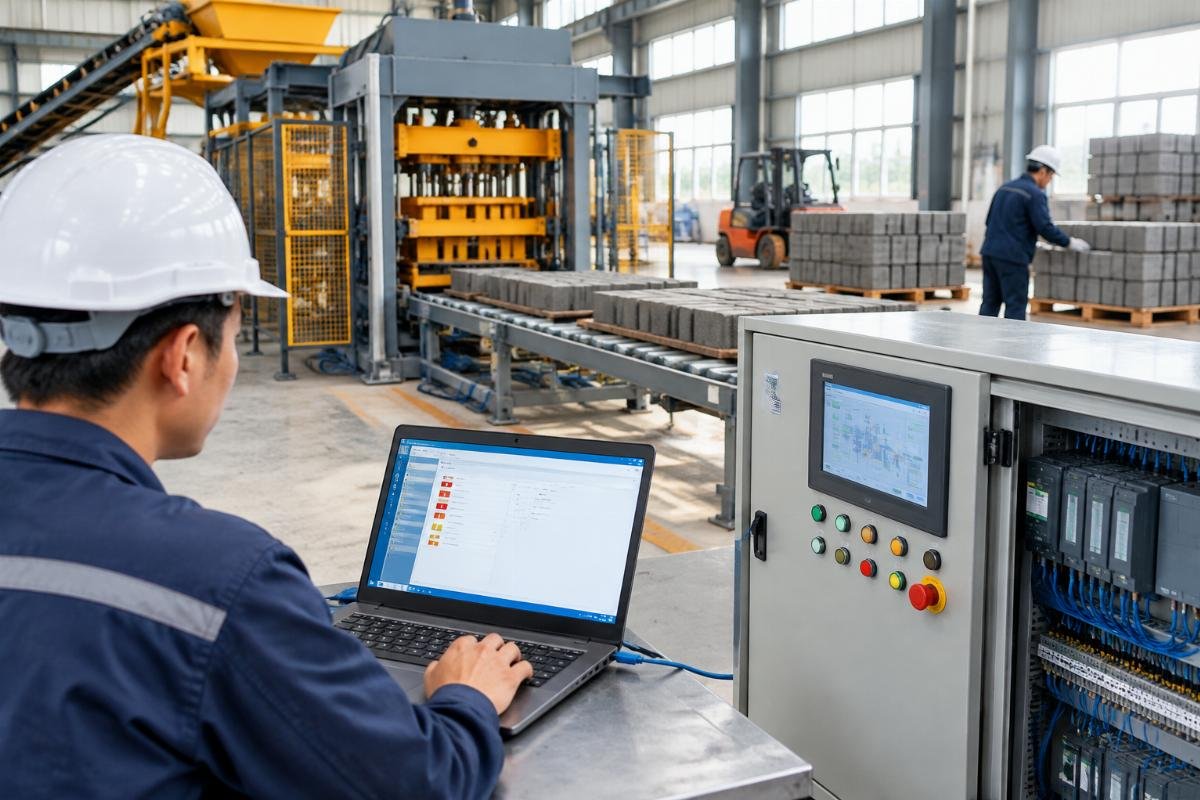
For example, if the machine exhibits erratic behavior that persists after sensor cleaning and power cycling, the issue may lie in the PLC program or wiring. Diagnosing and fixing such issues requires specialized knowledge of the control system and access to diagnostic software. Similarly, a major hydraulic leak from a pump or valve manifold should not be attempted by general maintenance staff. These components operate under high pressure, and improper disassembly can result in injury or further system contamination.
In such cases, remote diagnostic assistance can be a valuable first step. Many manufacturers, including Shiyue, offer remote support services where technicians can connect to the machine’s PLC to analyze error logs and guide on-site staff through troubleshooting steps. This can often resolve software-related issues quickly without the need for a site visit. If physical repair is required, having access to original spare parts ensures that replacements fit correctly and perform as intended. Using non-original parts can void warranties and lead to compatibility issues that cause further downtime.
Establishing a relationship with your manufacturer before problems arise is beneficial. Keep contact information for technical support readily available, and ensure that your team knows how to describe issues accurately. Providing details such as error codes, recent maintenance activities, and symptoms observed can help technicians diagnose problems more efficiently. This proactive approach minimizes downtime and keeps your production line running smoothly. When you invest in a fully automatic block machine maintenance strategy, include a clear escalation path for complex issues to ensure that expert help is just a call away.
Conclusion
Preventive care is the silent partner of profitability in block manufacturing.
Ignoring the daily rituals of cleaning, checking, and lubricating transforms a high-ROI asset into a liability. By adhering to structured routines and recognizing early warning signs, operators can sustain the efficiency of their QT series lines. The goal is not just to fix breaks, but to prevent them, ensuring that the machine serves the business rather than dictating its pace.

Industry expert sharing insights about concrete machinery, block making technology and turnkey production solutions.
View all posts →
Leave a Reply