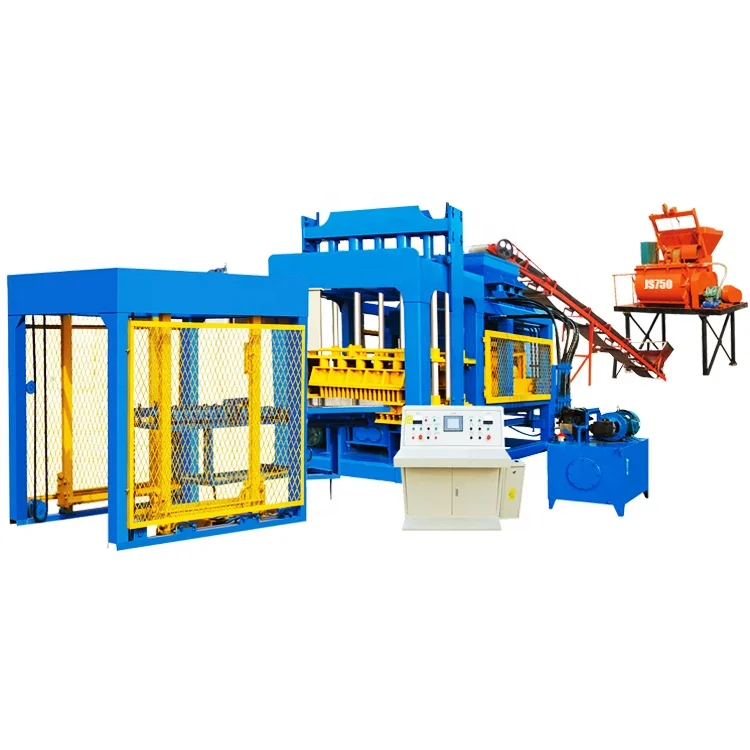
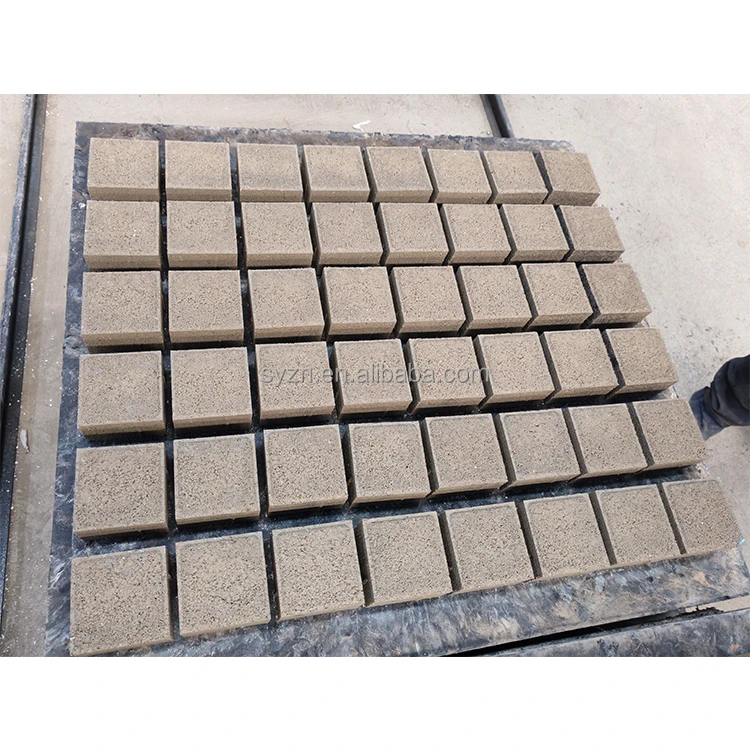
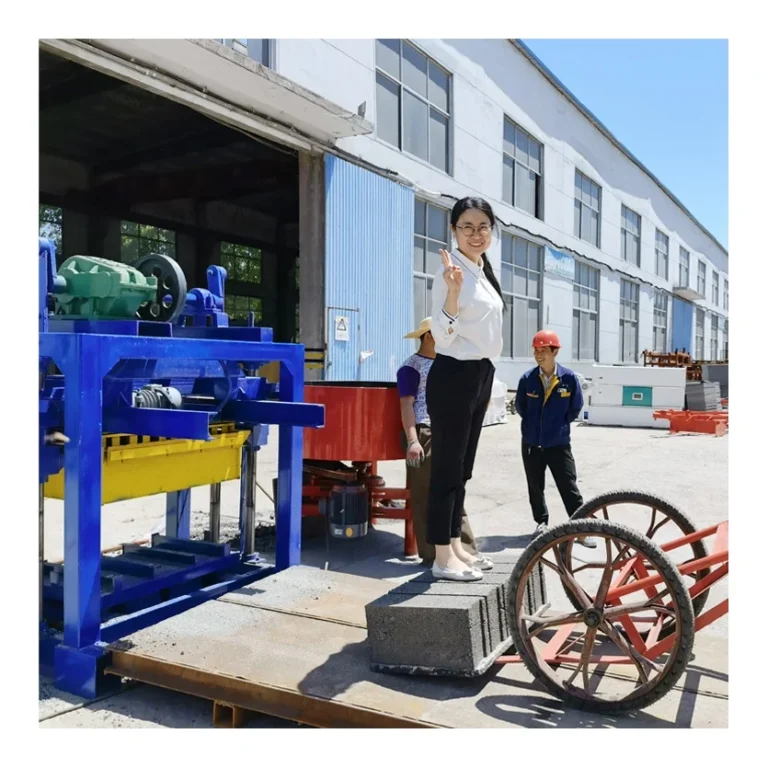
Single Focus on Block Machinery — The QTJ4-24 stationary block making machine is specified as part of a matched system including moulds, pallets, and handling equipment rather than sourced from separate suppliers, ensuring every component aligns with the buyer’s target block format and local raw materials.
Technical Specifications
| Parameter |
Value |
| Model |
QTJ4-24 |
| Product Type |
Stationary Block Making Machine |
| Overall Dimensions |
3600 x 1700 x 2560 mm |
| Pallet Size |
850 x 450 mm |
| Molding Cycle |
24-26 s |
| Total Power |
11.95 kW |
| Vibration Force |
45 kN |
| Total Mass |
2 T |
| Molding Method |
Mechanical |
| Material Distribution |
Full-automatic spiral |
| Vibration System |
2 x 3 kW lower vibrators + 2 x 1.5 kW upper vibrators |
| Mold Lifting Reducer |
350-type |
| Automation Level |
Semi-automatic (engine PLC & gear controlled) |
| Control System |
PLC |
| Output Capacity |
(basis to be confirmed — depends on block format, material, and thickness) |
| Materials Processed |
Cement, sand, stone |
Application Suitability
| Application |
Material or Output |
| Hollow block production for small-to-medium block plants |
Crushed stone, sand, and cement mixtures |
| Solid block manufacturing for wall construction |
Cement, river sand, and gravel |
| Interlocking brick production for pavement and landscaping |
Cement-bound aggregate blends |
| Paving block production for driveways and walkways |
High-density cement and stone dust mixes |
| On-site construction block supply |
Locally sourced sand and stone with cement binder |
What "Cycles per Hour" Leaves Out When Sizing a Stationary Block Making Machine
The QTJ4-24 molding cycle of 24-26 seconds tells only part of the daily output story — block format, pallet handling speed, and curing logistics determine what actually leaves your yard each shift.
A stationary block making machine manufacturer quoting cycles per hour often assumes a specific block format that may not match what your market actually buys. I once worked with a buyer in West Africa who ordered based on a headline cycle figure, only to find his hollow blocks — the format his customers demanded — required longer vibration and slower demolding than the quoted standard solid block. His real daily throughput dropped noticeably compared to the brochure number [NEED_CITE: impact of block format on actual cycle time in semi-automatic machines]. Without a line layout that states output per format, buyers end up overestimating capacity and underinvesting in pallet inventory and curing space.

Where the QTJ4-24 Sits in the Full Machine Range
The QTJ4-24 occupies the semi-automatic tier within SHIYUE’s stationary block making machine lineup, positioned between entry-level mobile egg-laying machines and high-capacity fully automatic lines. Buyers evaluating their first fixed plant typically start here, where the PLC-controlled cycle manages vibration and material distribution while operators handle pallet movement manually. This tier suits entrepreneurs who want to control initial capital outlay and add automatic stacking or cubing later as volume grows. The 11.95 kW total power draw keeps grid requirements modest, which matters in regions where three-phase supply is limited or unstable.
Matching Machine Tier to Your Plant Footprint and Budget
Choosing between semi-automatic and fully automatic tiers is not simply about output volume — it is about how much floor space and labor you can commit on day one. The QTJ4-24 stationary block making machine requires a defined curing area matched to its 850 x 450 mm pallet size, and operators must move loaded pallets to that area by hand or with a simple transfer cart. A fully automatic line eliminates that labor but demands a larger building envelope and higher electrical capacity. Buyers who own their land and plan to scale over two or three phases often find the semi-automatic tier gives them production capability now with a clear upgrade path [NEED_CITE: phased automation investment in block production plants].
Vibration, Pressure, and the Pallet Decision
The QTJ4-24 uses a dual vibration arrangement with two 3 kW lower vibrators and two 1.5 kW upper vibrators, generating a combined 45 kN vibration force through the mold cavity. This upper-and-lower configuration compacts the mix from both directions, which matters when producing hollow blocks where wall density must be uniform across thin sections. The 350-type mold lifting reducer handles repeated vertical cycling and reduces wear on the lifting mechanism compared to lighter reducer specifications. Pallet size at 850 x 450 mm defines the molding area and must match the buyer’s existing curing racks and forklift dimensions — ordering pallets that do not fit the curing area creates a bottleneck downstream of the press. The full-automatic spiral material distribution ensures the mix fills the mold cavity evenly before vibration begins, reducing density variation from one block to the next across the pallet.
The Hidden Cost of Specifying Without Local Context
When a stationary block machine arrives configured for a material mix the buyer cannot source locally, the entire production plan stalls. I have seen buyers receive machines set up for clean washed sand when their local aggregate carries high clay content, forcing either a costly material change or acceptance of blocks that crack during curing. Voltage and frequency left unconfirmed until after shipment can delay commissioning by weeks if the local supply does not match the motor specification [NEED_CITE: electrical supply compatibility issues in block machine installations]. Pallet handling and stacking excluded from the initial quotation mean output piles up at the machine discharge, requiring manual labor that was never budgeted.
Why Source This Stationary Block Machine Here
SHIYUE focuses exclusively on block machinery, which means the QTJ4-24 press, its moulds, pallets, and handling equipment are specified as one matched system. Configuration is set against the buyer’s actual mix design and local aggregate rather than a catalogue default, so the vibration force and cycle timing align with the materials available at the build site. Mould design covers the block formats the buyer’s market actually sells, including custom drawings when a specific interlocking profile or kerbstone shape is needed. The semi-automatic tier allows buyers to start production at lower investment and upgrade automation components as demand grows. Installation support includes operator training so the team understands mold change procedure, pallet handling sequence, and daily maintenance from the first production run.
Documentation & Verification
- Line layout and capacity calculation stating output per block format for the QTJ4-24
- Machine specification sheet confirming voltage, frequency, and PLC display language before build
- Mould drawing and format list showing available block types for the 850 x 450 mm pallet
- Factory test record with photographic evidence captured before dispatch
- Packing photographs documenting crate and container loading condition
- Operation and maintenance manual with wear parts list and mold change procedure
Installation, Commissioning & Support
- Foundation pad leveled to within tolerance for the 3600 x 1700 mm machine footprint
- Dedicated three-phase circuit sized for the 11.95 kW total power draw with voltage confirmed pre-shipment
- PLC display language and control parameters verified before the QTJ4-24 leaves the factory
- First-run commissioning covering mold installation, vibration tuning, and material feed calibration
- Operator training on semi-automatic pallet handling cycle and 350-type reducer maintenance
- Wear parts list with reorder references for vibration pads and mold liner components
What to Include in Your Inquiry
Send the specific block formats your market demands along with target daily output so the capacity calculation reflects what you will actually produce. Confirm your local three-phase voltage, frequency, and preferred PLC display language to avoid commissioning delays. Provide details on your available raw materials — particularly aggregate type and clay content — so the machine configuration matches what you can source locally rather than requiring material substitution after arrival.
Frequently Asked Questions
Q: How does the QTJ4-24 compare to automatic and mobile machines in the SHIYUE range?
A: The QTJ4-24 sits in the semi-automatic stationary tier, offering PLC-controlled molding cycles with manual pallet handling. Mobile egg-laying machines produce blocks directly on the ground without pallets, while fully automatic lines add pallet feeding, stacking, and cubing. The QTJ4-24 suits buyers who want a fixed plant at moderate investment and plan to upgrade automation later.
Q: What block formats and mould options are available for this model?
A: The QTJ4-24 supports hollow block, solid block, interlocking brick, and paving block moulds sized for the 850 x 450 mm pallet. Daily output varies by format — hollow blocks require longer vibration and careful demolding compared to solid blocks. Custom mould designs are available based on buyer drawings for specific market requirements.
Q: What voltage and PLC language options are confirmed before shipment?
A: Voltage, frequency, and PLC display language are confirmed during the quotation stage before production begins. The control system is set to match the buyer’s local electrical supply and operator language preference. This confirmation step prevents commissioning delays that occur when machine specifications do not match the destination site infrastructure.
Q: What is the plant footprint and installation requirement for the QTJ4-24?
A: The machine footprint is 3600 x 1700 mm with a height of 2560 mm, requiring a level concrete foundation and adequate overhead clearance. A curing area sized for 850 x 450 mm pallets must be planned alongside the press. The 11.95 kW total power draw requires a dedicated three-phase circuit confirmed before dispatch.
Q: How does the semi-automatic tier allow for future automation upgrades?
A: The QTJ4-24 semi-automatic configuration controls the molding cycle via PLC while leaving pallet movement to operators. As production volume grows, buyers can add automatic pallet feeding, stacking, and cubing systems to reduce labor. This phased approach lets entrepreneurs start producing blocks at lower capital cost and invest in automation as market demand increases.

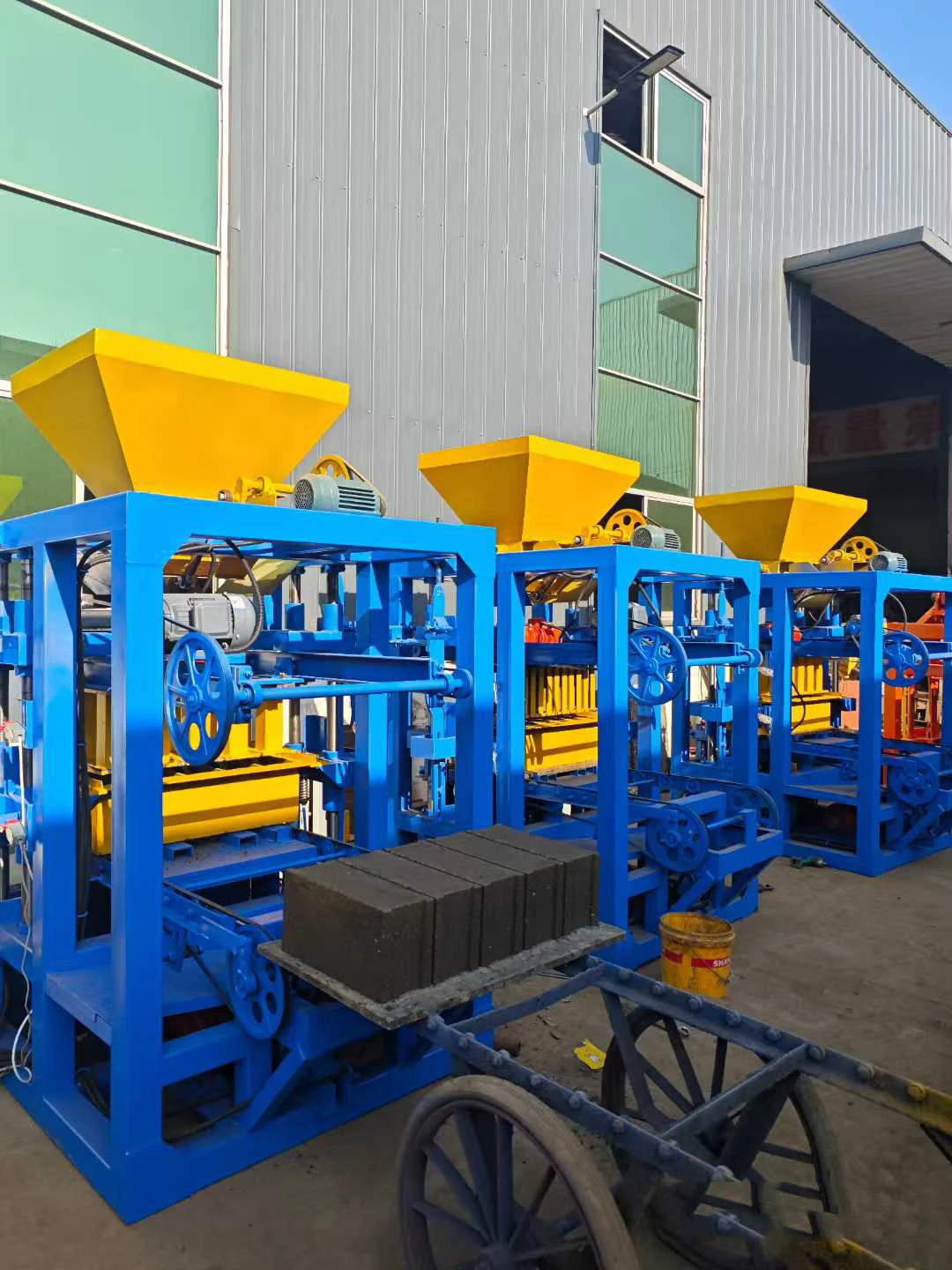
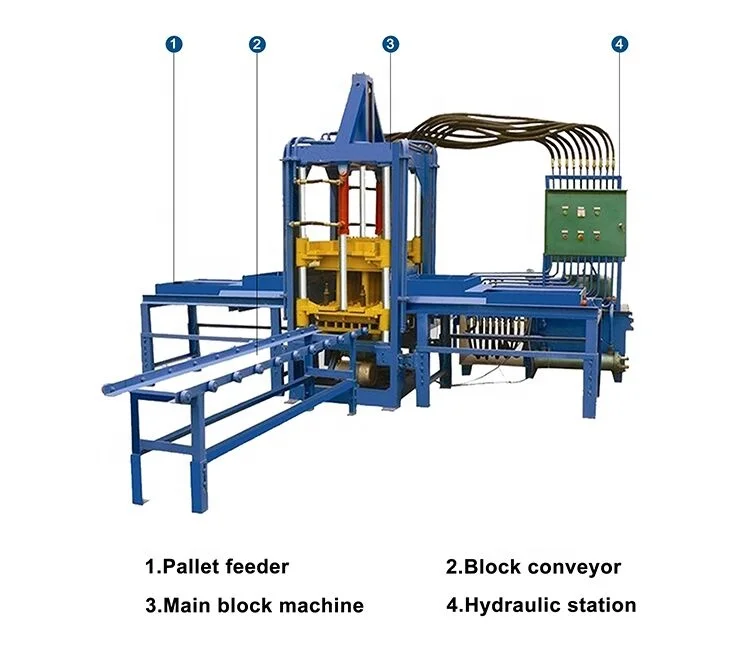 Stationary block machine